Like
Share
멍실장
강아지 키우면 안 되는 실내 식물 15종과 증상별 위험도

15 Indoor Plants That Are Deadly to Dogs and Risk Levels by Symptoms

Emergency/ToxicityQ&AMeongsiljang Veterinary Advisory Board

We’ve compiled a list of 15 indoor plants that are deadly to dogs, categorized by family—Liliaceae, Araceae, and Ericaceae—and provided the risk level based on symptoms after ingestion, along with immediate emergency steps to take.

What Exactly Are the Plants Dangerous to Dogs?
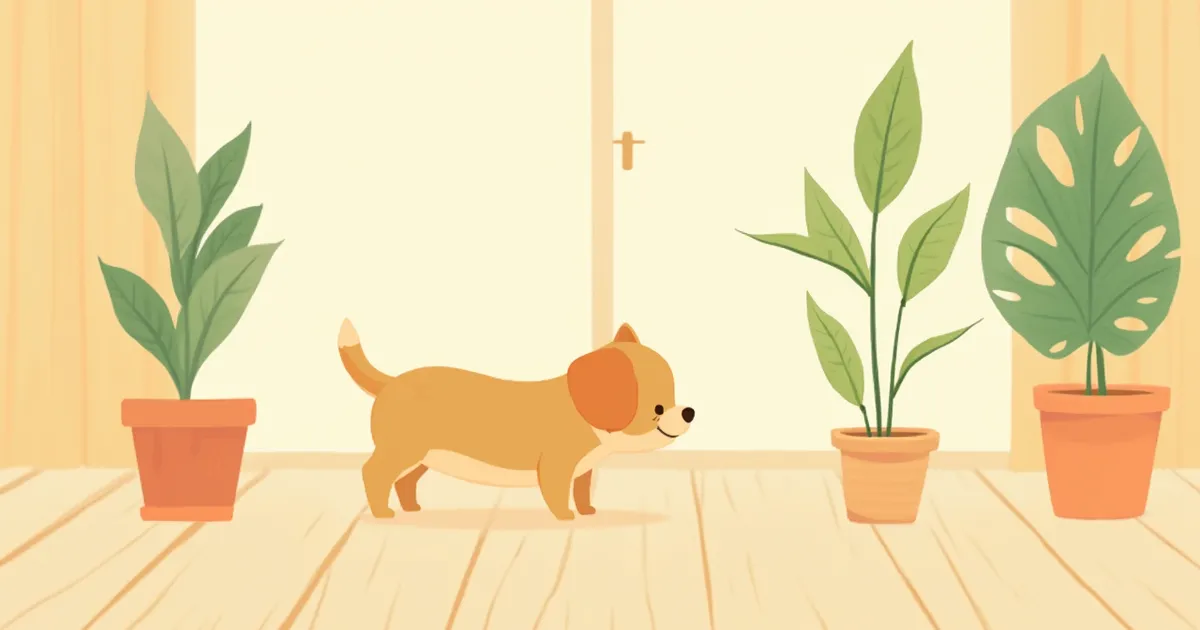
A puppy sitting next to an indoor plant
Houseplants can be dangerous for dogs because their leaves, stems, roots, flowers, and seeds may contain toxic compounds that can cause vomiting, drooling, or even liver failure if your dog licks or chews them. The groups to watch out for most closely are cycads (sago palms), the Ericaceae family (rhododendrons and azaleas), and the Araceae family (including pothos and monstera). Cycads are especially hazardous; chewing just one or two seeds can lead to severe poisoning and even death in dogs. Azaleas contain grayanotoxins, which typically trigger gastrointestinal symptoms first. While lilies are known to cause acute kidney toxicity in cats, they usually result only in gastrointestinal signs like vomiting in dogs. To keep your pet safe, verify the plant’s scientific name before bringing it home and place it out of your dog’s reach.

The Most Lethal Plant Groups — Lilies, Rhododendrons, and Sago Palms

These are plant groups that dogs need to be especially careful around.
Sago Palm: The seeds contain the highest concentration of toxins, and ingestion of just one or two seeds can lead to poisoning and even death in dogs. Vomiting and bloody vomiting typically begin within 15 minutes to several hours after ingestion, potentially progressing to severe hepatic necrosis (liver failure) within 24–72 hours. Neurological signs such as ataxia and seizures may also occur in approximately 30–53% of affected dogs.
Rhododendron family (Azalea/Rhododendron): All parts of the plant contain grayanotoxin, with gastrointestinal symptoms such as drooling, vomiting, and diarrhea being the most common and earliest signs. Less commonly, cardiovascular symptoms such as bradycardia, arrhythmia, and hypotension may also occur.
Lily family (Lilium/Hemerocallis): Toxic compounds can leach into the pollen and even the water in the vase. While acute kidney failure has primarily been documented in cats, nephrotoxicity has not been proven in dogs; thus, dogs mainly exhibit gastrointestinal symptoms such as vomiting and lethargy. However, for safety, it is best to keep dogs away from these plants.

Common Interior Plants — 5 Species of the Araceae Family
Most plants commonly seen on social media, such as Pothos and Monstera, belong to the Araceae family. Insoluble calcium oxalate crystals in their leaves and stems irritate the oral mucosa, causing drooling, oral pain, and vomiting. Since there are many species with similar names, it is best to check the scientific name for accurate identification.
Pothos: One of the most common plants involved in poisoning incidents.
Dieffenbachia (Dumbcane): The species in the Araceae family that causes the most problems in animals, potentially leading to severe oral pain and swelling.
Monstera: Even a small piece of leaf can cause irritation and swelling in the mouth and lips.
Philodendron: Chewing the plant irritates the mouth and stomach.
Spathiphyllum (Peace Lily): Despite its name, it is not a lily but belongs to the Araceae family.
Pothos and Dieffenbachia potted plants

Comparison of Risk Levels for 15 Plants Dangerous to Dogs

ItemMain toxic partsRisk level
Lily (Lilium spp.)Flowers, pollen, water🟡 Moderate
Lily of the valleyWhole plant🔴 Very high
Rhododendron / AzaleaLeaves, flowers🔴 Very high
Sago PalmSeeds, roots🔴 Very high
Dumbcane (Dieffenbachia)Leaves, stems🟠 High
PothosLeaves, stems🟠 High
MonsteraLeaves🟠 High
PhilodendronLeaves, stems🟠 High
Peace Lily (Spathiphyllum)Whole plant🟠 High
CaladiumLeaves🟡 Moderate
ScindapsusLeaves🟡 Moderate
AnthuriumLeaves, flowers🟡 Moderate
Gloriosa lilyTubers🔴 Very high
DaffodilBulbs🟠 High
Tulip / HyacinthBulbs🟠 High

Risk levels are based on typical dog body weight (5–15 kg). Small breeds may progress more rapidly even with the same amount. Acute kidney failure from lilies has mainly been confirmed in cats, and since dogs primarily show gastrointestinal symptoms, the risk level for dogs is marked lower. In contrast, lily of the valley is cardiotoxic, so its risk level is high for dogs as well.

Go to the Emergency Room Immediately If You See These Symptoms

If your pet shows any of the following signs after ingesting a plant, take them to the nearest 24-hour emergency veterinary clinic immediately: • Foaming or excessive drooling from the mouth • Repeated vomiting or bloody stool • Difficulty breathing or persistent coughing • Staggering, inability to stand, or seizures • Pale or bluish gums • A sudden decrease in urine output for more than 12 hours (a sign of kidney failure) Even if there are no symptoms, seek immediate veterinary care if you suspect your pet has chewed on lilies, cycads, or azaleas. By the time symptoms appear, it is often too late.

What Owners Should Do Immediately After an Incident
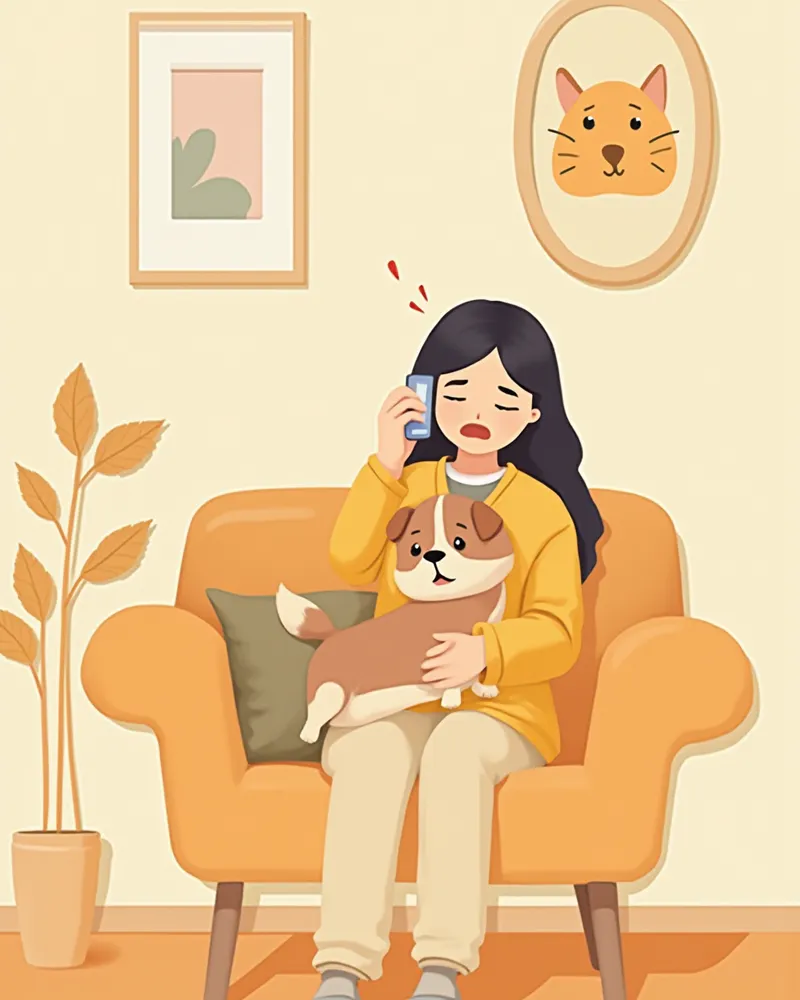
1. Collect plant remnants: Place any chewed leaves, stems, or flowers in a plastic bag, along with the plant’s scientific name or a photo. Identifying the plant is crucial for determining how quickly treatment can begin. 2. Rinse the mouth: Gently wipe around the mouth with lukewarm water. Be careful not to rinse too deeply, which could cause choking. 3. Contact an emergency vet in advance: Let them know your pet ingested a specific plant before you arrive. This allows them to prepare for immediate gastric lavage or activated charcoal administration upon your arrival. 4. Do not induce vomiting on your own: For corrosive plants (such as those in the Araceae family), vomiting can cause further damage to the esophagus. Always follow your veterinarian’s instructions.
A pet owner and their dog calling the veterinarian

Plants Safe to Keep with Dogs

These are indoor plants that the ASPCA officially classifies as non-toxic and are also easy to find in Korea.
Spider Plant: Highly recommended as a top choice due to its air-purifying benefits.
Boston Fern: Safe, even though its lush foliage may seem dense.
Areca Palm: Suitable even in large pots.
Peperomia: Ideal for small desks.
Calathea: Beautiful patterned leaves that are also safe.
African Violet: A great option when you want a flowering plant.
However, even "safe" plants can cause gastrointestinal irritation if ingested in large amounts. Hydroponic fertilizer solutions and pesticides should be managed separately.

Small and Senior Dogs Are at Higher Risk Even with the Same Amount

In small dogs weighing 5 kg or less, systemic symptoms can progress rapidly after ingesting even a single leaf. Senior dogs are also at higher risk because their declining kidney and liver function makes it difficult to recover from even small amounts of toxic substances. Rhododendrons in garden beds along walking routes and lily bouquets on café tables pose similar dangers. If your dog sniffs grass for too long or suddenly starts chewing on plants during a walk, separate them from the source immediately.

Reviewed by a veterinarian

Dr. Tony — Punnawat Phongkittirak

Dr. Tony — Punnawat Phongkittirak

Veterinarian

A veterinarian who majored in veterinary medicine at Khon Kaen University, Thailand, and completed the IVSA program at North Carolina State University in the United States. Drawing on clinical experience at animal hospitals, he works in the pet healthcare field and is dedicated to building a digital care environment that connects pet parents with veterinarians.

Frequently Asked Questions

My dog only took a single bite of a plant leaf—do I really need to take him to the vet?
For high-risk plants like cycads and azaleas, seek veterinary care immediately, even if your pet shows no symptoms. While lilies typically cause only gastrointestinal issues in dogs, they constitute an emergency for cats regardless of whether symptoms are present. For Araceae family plants (such as pothos and monstera), oral irritation and drooling usually appear within 30 minutes. You may monitor your pet briefly, but if they persistently rub their mouth or refuse food, take them to the clinic right away.
Is the water in a vase with lilies also dangerous?
Yes, the water in a lily vase contains dissolved pollen and toxic compounds. Acute kidney injury from this water has primarily been reported in cats, while dogs typically experience only mild gastrointestinal symptoms. For safety, keep lily bouquets completely out of reach of dogs, and if you also have a cat, we recommend giving the flowers to someone else.
My dog just licked a fallen pothos leaf. Is that okay?
If your pet only licked the substance, it may cause minor oral irritation. However, excessive drooling, pawing at the mouth, or refusing food could indicate that calcium oxalate crystals are irritating the mucous membranes. Gently wipe the mouth with lukewarm water and monitor for 2–3 hours. If symptoms persist, please seek veterinary care.
Are artificial flowers and dried flowers safe?
While the plant itself contains no toxic compounds, chewing and swallowing the wire or plastic stems can cause intestinal blockages. Additionally, the glycerin and dyes used in preservation may irritate the stomach and intestines. The guiding principle isn’t that “it’s safe because it’s not a plant,” but rather keeping all chewable items out of your pet’s reach.
Is there a way to stop my dog from licking rhododendrons in garden beds while walking?
Spring flower beds, especially from April to May, often contain rhododendrons and azaleas, which can be dangerous for pets. When walking your pet, stick to sidewalks with heavy foot traffic, and keep the leash short when passing by flower beds to prevent your pet from reaching the plants. Training your pet to respond to simple commands like "No" in advance can also be helpful in emergency situations.

Share

Related Guides

References

[1] Hovda LR, Brutlag AG, Poppenga RH, Peterson KL. Blackwell's Five-Minute Veterinary Consult Clinical Companion: Small Animal Toxicology, 3rd Edition, Wiley-Blackwell, 2024

[2] Little SE. The Cat: Clinical Medicine and Management, 2nd Edition, Elsevier, 2020 (참고용 — 천남성과 식물 독성 챕터)

[3] Burrows GE, Tyrl RJ. Toxic Plants of North America, 2nd Edition, Wiley-Blackwell, 2012

[4] Botha CJ, Penrith M. Potential plant poisonings in dogs and cats in southern Africa: review article. J S Afr Vet Assoc 2009;80(2):63-74

This information is based on veterinary literature and does not replace diagnosis or treatment. Please consult a veterinarian for specific health concerns.

Metapet Co., Ltd. | CEO: Park Sung-yong | Business Reg. No. 417-88-02562 | Seoul, South Korea | Customer Center

15 Indoor Plants Deadly to Dogs & Risk Levels by Symptom | Meongsiljang