Like
Share
멍실장
관절 가동 범위 운동(ROM)이란? 집에서 따라하는 방법과 주의사항

What is Range of Motion (ROM) Exercise? How to Do It at Home and Precautions

JointQ&AMeongsiljang Veterinary Advisory Board

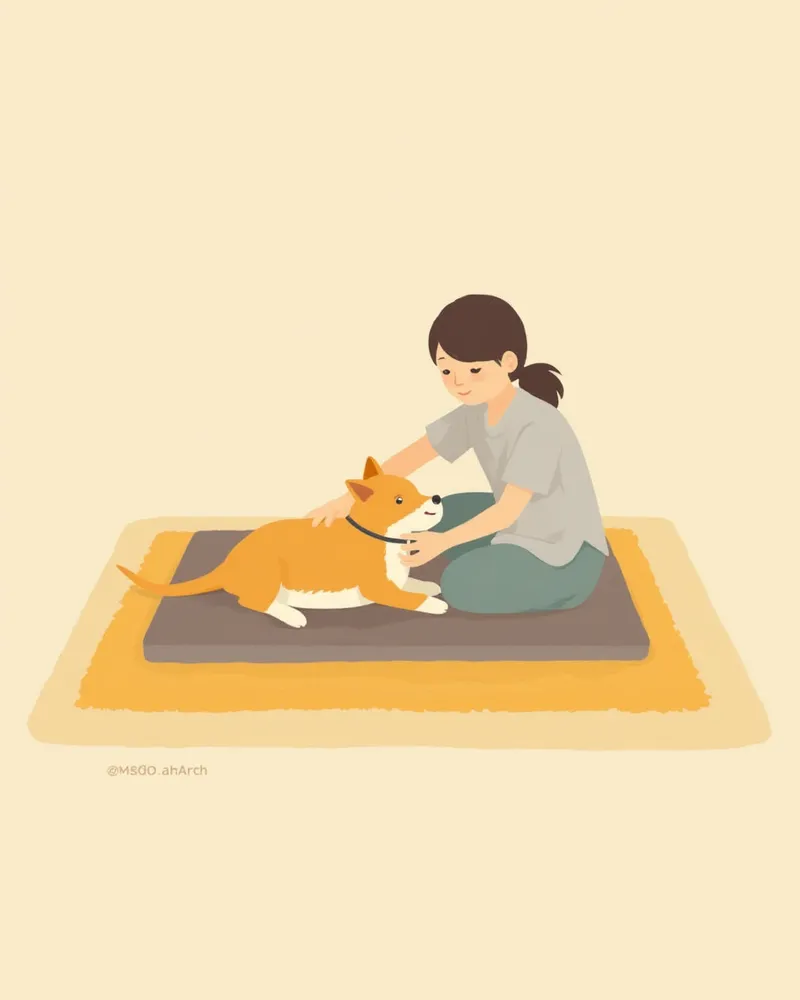
Range of motion (ROM) exercises are rehabilitation techniques used for post-surgical recovery and managing arthritis. We’ve put together a guide on how to safely perform these exercises at home, along with important precautions to keep in mind.

What is ROM Exercise?

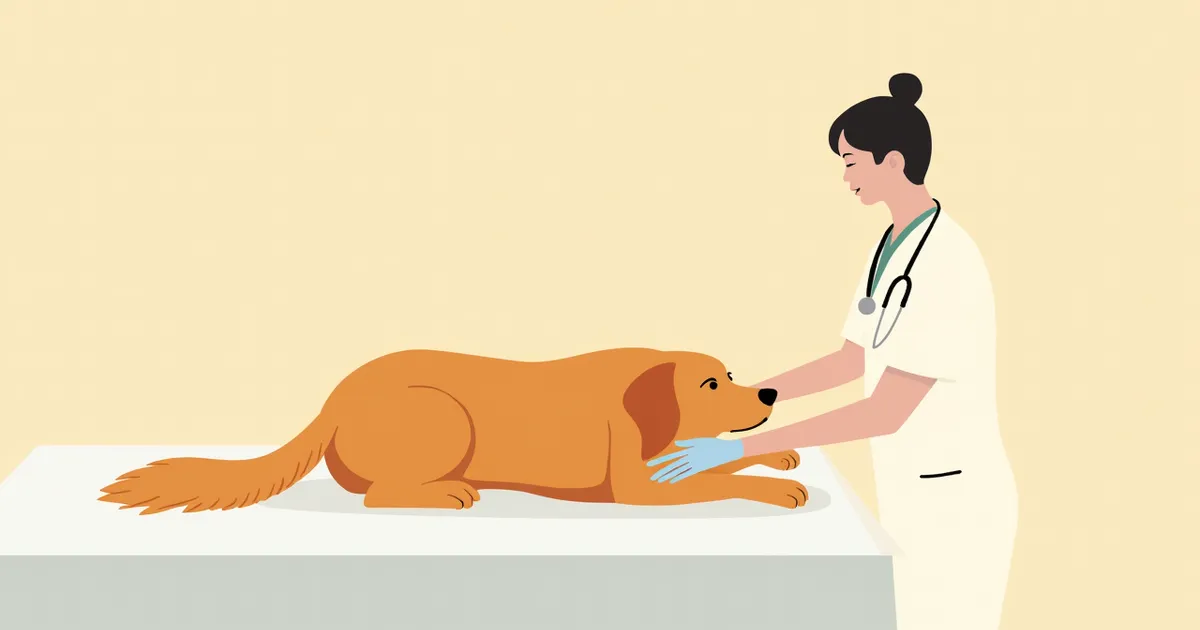
A rehabilitation therapy session in which a dog undergoes range-of-motion exercises for its joints.
Range of Motion (ROM) exercises are passive rehabilitation movements in which the owner or a rehabilitation therapist gently and slowly bends and extends the pet’s joints to maintain and restore their maximum range of motion. This is a fundamental component of rehabilitation for conditions such as post-surgical recovery, arthritis, and nerve damage. The most critical aspect is to proceed slowly and stay within a pain-free range. Forcing the joint beyond its comfortable limit can damage tissues and delay healing.

Why is ROM Exercise Necessary?

Joints stiffen and weaken when they’re not moved for long periods. According to veterinary orthopedic textbooks, immobilizing a limb can alter the physiology of joint cartilage, disrupt the collagen structure in ligaments, and even cause permanent joint damage in severe cases. Additionally, muscle atrophy from immobilization can take two to four times as long to recover as the immobilization period itself. That’s why it’s important to limit external immobilization to the absolute minimum and use range-of-motion (ROM) exercises to gently move the joints, prevent contractures (joint stiffness), and maintain mobility. This is especially crucial for pets recovering from casts or cage rest.

When is ROM Exercise Needed?

It’s a good idea to consult your veterinarian about starting ROM exercises if any of the following situations apply:
After patellar luxation surgery: To prevent stiffness in the knee joint
After cruciate ligament surgery (TPLO, TTA, etc.): To restore range of motion in the hind legs
After fracture surgery: To maintain mobility in joints above and below the cast or fixation site
Hip dysplasia: To relieve pain and maintain muscle mass
Degenerative joint disease (arthritis): To help maintain ease of daily movement
Recovery from nerve damage or disc issues: To protect joints in paralyzed limbs
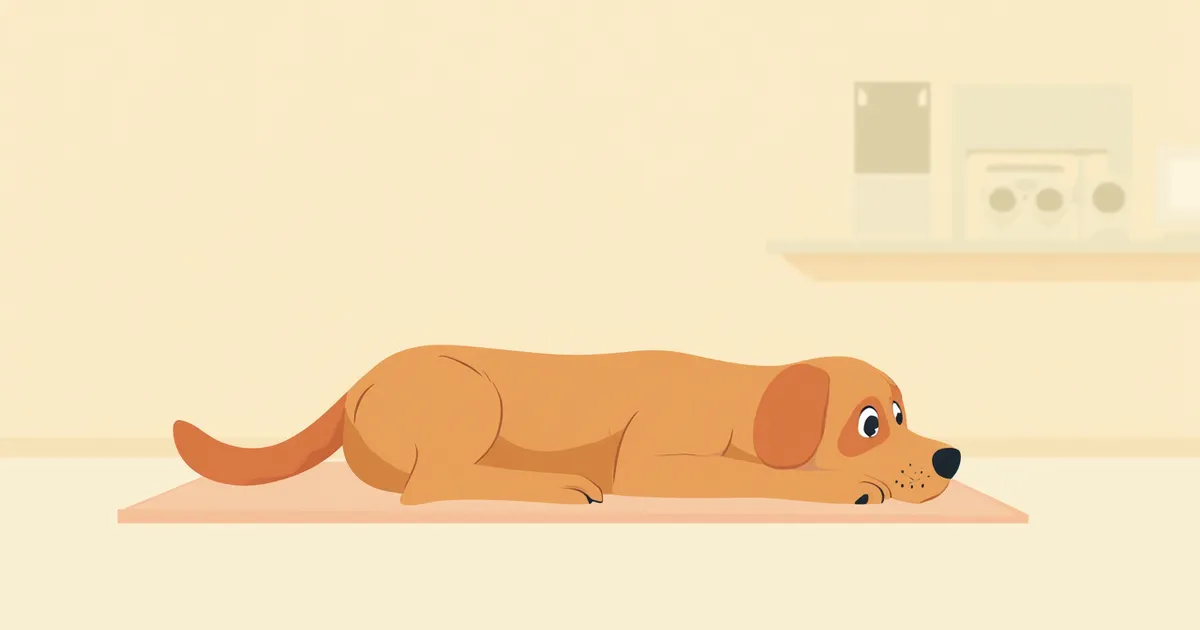
A rehabilitation therapist gently supporting a dog's leg.

Passive ROM vs. Active ROM

ItemPassive ROM (PROM)Active-Assisted ROMActive ROM (AROM)
Performed ByOwner moves entirelyOwner + petPet on its own
Main TargetImmediately post-surgery, paralysis, severe painMid recoveryLate recovery, daily care
ExamplesBending and extending the leg while lying downSitting and standing with supportSlow walks, stepping over obstacles
DifficultyLowModerateHigh

Immediately after surgery, almost all cases start with passive ROM.

Check These Before Starting ROM Exercises

The timing, specific joints, and range of motion for ROM exercises vary depending on the patient's condition. After surgery, the attending veterinarian typically provides guidance on when to begin and the appropriate range of motion. Starting these exercises without proper instruction can lead to suture dehiscence or worsen inflammation. We recommend receiving at least one hands-on demonstration from a rehabilitation veterinarian or therapist before beginning.

Basic Positions for ROM Exercises at Home
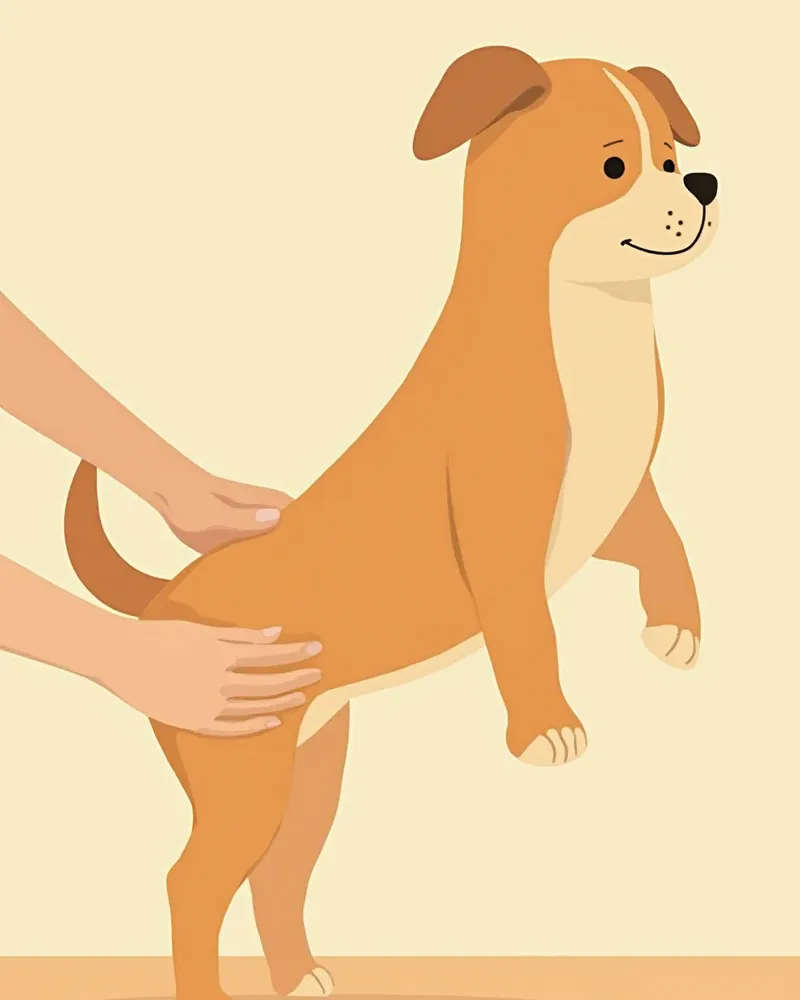
Proceed slowly, following the steps below. According to veterinary critical care rehabilitation guidelines, it is standard to perform 10–15 repetitions per joint every 6–8 hours (approximately 3–4 times daily). Move each joint individually, starting from the distal end (paws) and working proximally toward the body, while your pet lies comfortably and stably on their side.
1. Create a comfortable position: Lay your pet on their side, ensuring the lower leg is not compressed.
2. Support both sides of the joint: Gently hold the areas above and below the joint you are moving, using one hand for each.
3. Slowly flex: Bend the joint gently within its natural range of motion over 3–5 seconds.
4. Hold briefly: Pause for 2–3 seconds at the end of the range.
5. Slowly extend: Return to the starting position over 3–5 seconds.
Stop immediately if you observe signs of pain, such as whining or tensing up. For joints that are painful or have limited range of motion, move them more slowly and carefully to ensure the process remains comfortable.
A range-of-motion exercise position that supports the joint above and below while gently bending and extending it slowly.

Key Points for ROM Exercises by Body Part

Each joint has a specific range of safe movement.
Shoulder and hip joints: Primarily move forward and backward (flexion and extension); avoid lateral bending.
Elbow and knee joints: Move only in the bending and straightening direction; do not rotate sideways.
Wrist and ankle joints: Move gently up and down; minimize rotation.
Toe joints: These are small joints, so apply only very light force.
Operated joints must only be moved within the range permitted by your veterinarian. It is also beneficial to exercise the healthy, unaffected leg to help reduce muscle imbalance between the left and right sides.

Stop Immediately If These Symptoms Occur

Stop the ROM exercises immediately and contact your veterinarian if you notice any of the following signs during or right after the session: whining or attempting to bite; swelling or warmth in the joint area; worsened leg function after exercise; discharge or bleeding from the incision site; or a noticeable drop in appetite and energy compared to normal.

Tips to Enhance the Effects of ROM Exercises

Start with warmth: Warming the joints with a warm towel for 5–10 minutes before exercise helps relax the muscles. Finish with cool: If it's right after surgery, apply a cold pack for 5–10 minutes after exercise to reduce swelling. Short sessions, 2–3 times a day: Short, frequent sessions are more effective than one long session. Use treats and praise: Positive experiences make future exercise sessions easier. Keep a record: Noting the range of motion and pain responses can be helpful during vet consultations.
Warming the joints with a warm towel before ROM exercises

Reviewed by a veterinarian

Dr. Tony — Punnawat Phongkittirak

Dr. Tony — Punnawat Phongkittirak

Veterinarian

A veterinarian who majored in veterinary medicine at Khon Kaen University, Thailand, and completed the IVSA program at North Carolina State University in the United States. Drawing on clinical experience at animal hospitals, he works in the pet healthcare field and is dedicated to building a digital care environment that connects pet parents with veterinarians.

Frequently Asked Questions

When can ROM exercises be started?
The timing depends on the type of surgery and your pet’s recovery progress. Some procedures allow you to start as early as the next day, while others require waiting up to two weeks. It’s essential to follow the schedule provided by the surgeon who performed the operation.
Can cats also do ROM exercises?
Yes, it is possible. However, since cats dislike being forced and can become highly stressed, it is important to keep sessions short, break them into multiple parts, and use treats to create positive experiences.
Is it okay if I heard a 'pop' sound during ROM exercises?
While it’s commonly believed that the popping sound from bubbles bursting in joint fluid is harmless, you should stop immediately and consult a veterinarian if the sound is accompanied by pain, as it may indicate that the joint has been moved beyond its safe range.
How many times a day and for how long should I do it?
According to standard guidelines, it’s generally recommended to perform 10–15 repetitions per joint, spaced 6–8 hours apart (about 3–4 times a day). Each session should be kept short enough to avoid tiring your pet, and joints with pain or limited range of motion should be moved more slowly and carefully. It’s important to stop before your pet gets fatigued.
Will muscle mass return with ROM exercises alone?
ROM exercises primarily aim to maintain joint mobility, so they’re not enough for muscle recovery. From the mid-recovery stage onward, you should also incorporate active rehabilitation methods like aquatic therapy and land-based exercises to help rebuild muscle mass.

Share

Related Guides

References

[1] Millis, D.L. & Levine, D., Canine Rehabilitation and Physical Therapy, 2nd Edition, 2014

[2] Zink, M.C. & Van Dyke, J.B., Canine Sports Medicine and Rehabilitation, 2nd Edition, 2018

[3] American College of Veterinary Surgeons (ACVS), Post-operative Rehabilitation Guidelines

This information is based on veterinary literature and does not replace diagnosis or treatment. Please consult a veterinarian for specific health concerns.

Metapet Co., Ltd. | CEO: Park Sung-yong | Business Reg. No. 417-88-02562 | Seoul, South Korea | Customer Center

Range of Motion (ROM) Exercises: How-To & Precautions | Meongsiljang