
Like
Share
멍실장
강아지 뇌종양 자주 묻는 질문 Q&A — 보호자가 꼭 알아야 할 핵심

My Dog Keeps Having Seizures — Brain Tumor Signs and When to Visit the Vet

Oncology/CancerQ&AMeongsiljang Veterinary Advisory Board

Early detection is crucial for successful treatment of brain tumors in dogs. We’ve compiled key information on symptoms, diagnostic methods, treatment options, and prognosis that every pet owner should know.

The Risk of Canine Brain Tumors Varies by Breed, Age, and Environment

Medical imaging showing the location of a brain tumor in a dog
Canine brain tumors are conditions in which abnormal cells grow within the brain, and they are more commonly diagnosed in older dogs. Veterinary textbooks report the median age of dogs diagnosed with brain tumors to be approximately 9 years (range 4–13 years). Additionally, certain breeds, such as Golden Retrievers, Labrador Retrievers, Boxers, Collies, Bulldogs, and Boston Terriers, are relatively frequently reported to develop these tumors. In the early stages, sudden behavioral changes or seizures may occur, so it is important for owners to carefully observe any deviations from their dog’s normal behavior. - Breed predisposition: Brain tumors are reported relatively often in certain breeds, suggesting that breed-specific predispositions may play a role. - Advanced age: Brain tumors are primarily diagnosed in older dogs, with the median age at diagnosis known to be approximately 9 years (range 4–13 years). - Early observation: If neurological symptoms such as seizures or abnormal behavior appear, it is advisable to seek veterinary examination as soon as possible rather than delaying.

The Cause of Brain Tumors Is Unclear, but Genetic Predisposition and Age Play Major Roles

The exact cause of brain tumors in dogs remains unknown. However, certain breeds are reported to be more frequently affected, suggesting a breed-related predisposition. Veterinary textbooks commonly list Golden Retrievers, Labrador Retrievers, Boxers, Collies, Bulldogs, and Boston Terriers as breeds relatively prone to these tumors. - Breed predisposition: Primary brain tumors are reported more frequently in certain breeds, indicating that breed-specific predispositions may play a role. - Age-related risk: Brain tumors are more commonly diagnosed in older dogs, with the median age at diagnosis reported as approximately 9 years (range: 4–13 years). - Secondary potential: Some brain tumors are secondary, arising from metastasis of tumors in other parts of the body or direct extension from adjacent tissues. - Need for early observation: Early symptoms may include seizures or behavioral changes, making careful monitoring by pet owners essential.
Comparison of dog breeds with higher incidence rates of brain tumors

Suspected Brain Tumor Symptoms Can Be Summarized in 4 Key Signs

The most common signs of brain tumors in dogs include the following. Please observe your pet closely.
Seizures: Recurrent episodes of sudden tremors or loss of consciousness.
Behavioral changes: Failure to recognize familiar people, or sudden aggression or lethargy.
Vision impairment: Stumbling in dim light or frequently bumping into walls.
Head tilt: Persistent tilting of the head to one side or repeated loss of balance.
Tilting the head and losing balance are among the suspected symptoms of brain tumors in dogs.

If Suspected Symptoms Persist for More Than 2 Days, Immediate Veterinary Visit Is Necessary

If your dog shows neurological symptoms such as seizures, decreased consciousness, or loss of balance, it’s important to consider the possibility of brain diseases, including brain tumors. Especially if these symptoms recur or worsen over time, don’t delay—visit a veterinary clinic right away for imaging tests like MRI or CT scans. Delaying diagnosis and treatment can reduce the chances of effective management.

MRI and CT Are the Most Reliable for Accurate Diagnosis
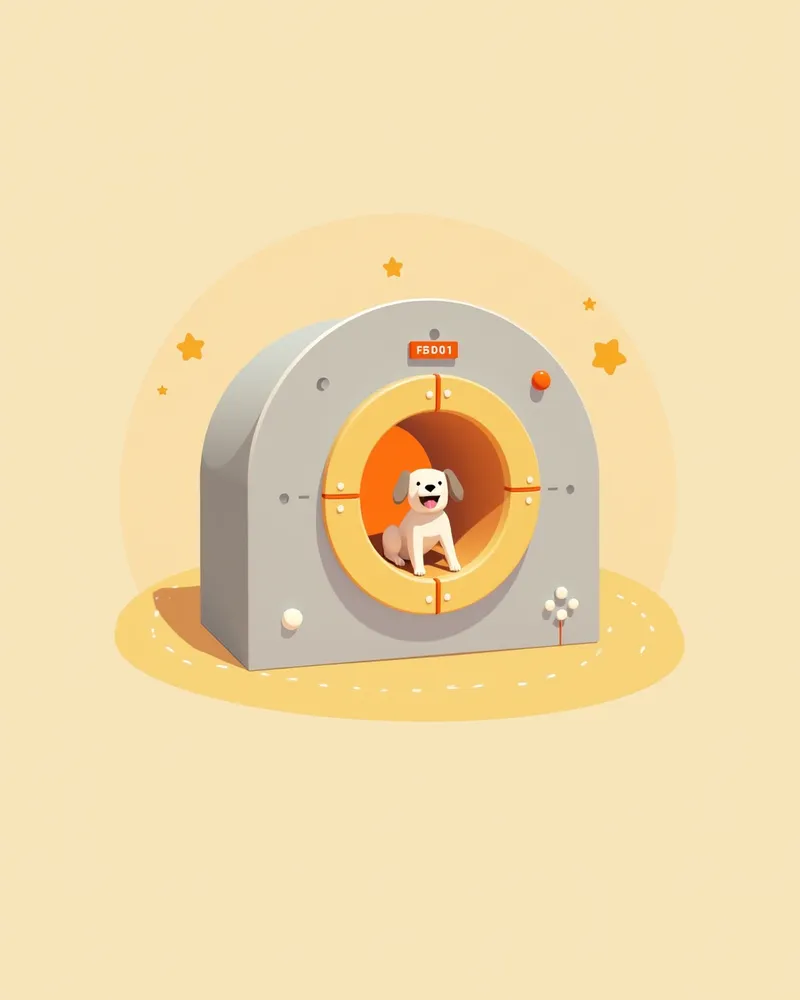
Diagnosing brain tumors in dogs relies primarily on brain imaging. - MRI: This scan clearly reveals even subtle changes in soft brain tissue, making it ideal for determining the tumor’s location, size, and whether it has invaded surrounding tissues. It is widely recognized in veterinary literature as the most sensitive test for diagnosing intracranial tumors. - CT: While CT scans provide excellent detail of bone structures and can be performed relatively quickly, they are less sensitive than MRI for evaluating soft brain tissue. - Diagnostic Accuracy: For primary brain tumors, MRI findings alone can suggest the general tumor type in approximately 70% of cases, which helps guide decisions regarding surgery or radiation therapy. - When to Test: If your dog shows neurological signs such as seizures, decreased consciousness, or loss of balance, do not delay—seek imaging as soon as possible. - Veterinary Judgment: Your veterinarian will select the most appropriate imaging test based on your dog’s specific condition and symptoms.
MRI imaging for diagnosing brain tumors in dogs

Treatment Proceeds in Stages: Surgery, Radiation, and Medication
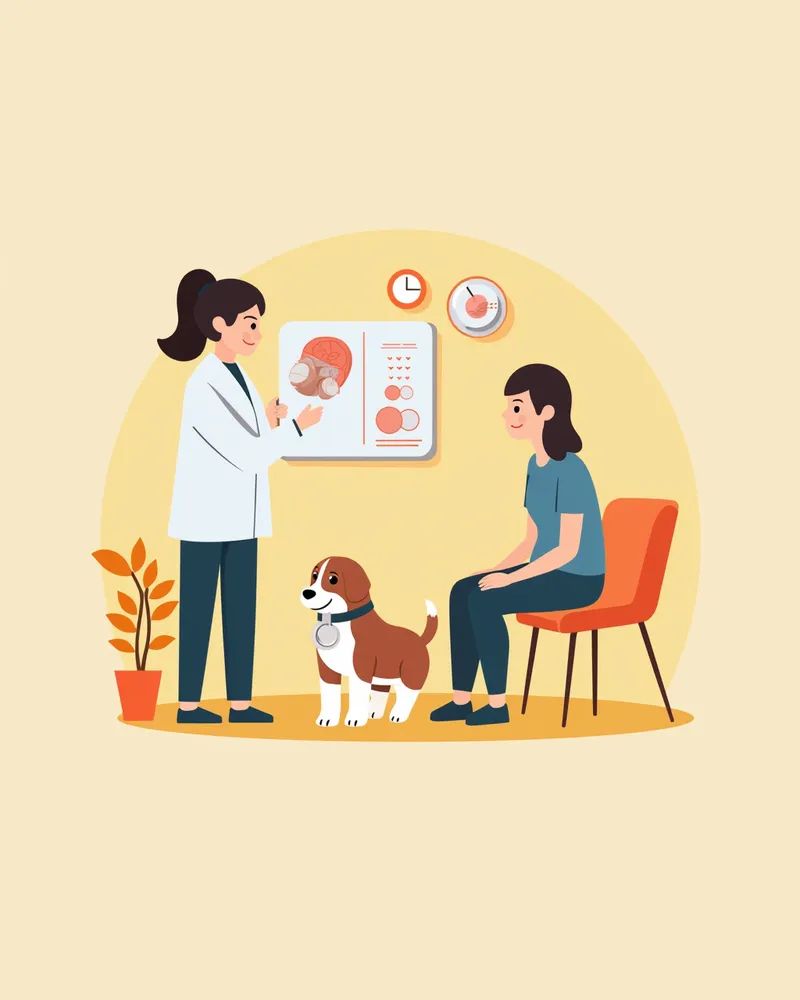
Treatment for brain tumors in dogs varies depending on the type and location of the tumor. - Surgical treatment: If the tumor is localized to a specific area of the brain and can be completely removed through surgery, this approach often yields the best outcomes. - Radiation therapy: When surgery is not feasible, radiation therapy can effectively reduce tumor size and alleviate symptoms. - Medication: Anticonvulsants and pain relievers are used alongside other treatments to manage symptoms. - Developing a treatment plan: Your veterinarian will recommend a personalized treatment approach based on the tumor’s characteristics and your dog’s overall health. - Treatment goals: The primary focus is on relieving symptoms and improving quality of life, with an emphasis on managing the disease rather than achieving a cure.
A scene explaining treatment options for canine brain tumors.

Home Care Focuses on Symptom Relief and Improving Quality of Life

For dogs with advanced brain tumors, the focus of home care is on symptom relief and providing comfort. - A calm environment: Avoid loud noises and bright lights, and provide a quiet, warm space. - Preventing accidents: If seizures occur frequently, place soft mats on the bed or floor to prevent injury. - Medication management: Administer prescribed medications at the exact times directed by your veterinarian. - Daily care: Consistent feeding, walking, and regular health checks are essential. - Emotional support: Your warm attention and a stable routine help improve your dog’s quality of life.
A Stable Home Environment for Dogs with Brain Tumors

Comparison of Brain Tumor Treatments: Surgery vs. Radiation vs. Medication

ItemEfficacySide effectsSuitability
SurgeryComplete tumor removal possiblePossibility of pain, infection, paralysisWhen the tumor is confined to an accessible area of the brain and removal is possible
Radiation therapyTumor size reduction, symptom reliefFatigue, vomiting, hair lossWhen surgery is difficult
MedicationSeizure suppression, pain reliefDrowsiness, decreased appetiteUsed as adjunctive treatment

The treatment method is decided by the veterinarian based on the tumor type and location and the dog's condition.

Reviewed by a veterinarian

Dr. Tony — Punnawat Phongkittirak

Dr. Tony — Punnawat Phongkittirak

Veterinarian

A veterinarian who majored in veterinary medicine at Khon Kaen University, Thailand, and completed the IVSA program at North Carolina State University in the United States. Drawing on clinical experience at animal hospitals, he works in the pet healthcare field and is dedicated to building a digital care environment that connects pet parents with veterinarians.

Frequently Asked Questions

Can a dog’s brain tumor be cured?
While brain tumors are often difficult to cure completely, symptoms can be improved through surgery or radiation therapy. According to veterinary textbooks, the median survival time after surgery is generally around 140 to 150 days, depending on the tumor type, with meningiomas having a slightly longer median survival of approximately 240 days. Early detection and appropriate treatment help maintain your pet’s quality of life.
If a brain tumor is suspected, what tests should be performed?
An MRI or CT scan is necessary to precisely evaluate the brain's structure. These imaging tests are essential for accurately determining the tumor's location and size.
How long can a dog live with a brain tumor?
The average survival time after surgery is about 140 to 150 days, but some cases, such as meningiomas, can survive for more than 240 days. There is a significant difference depending on the treatment method and tumor type.
Are there genetic factors involved in canine brain tumors?
Yes, it's known that certain breeds, such as Golden Retrievers, Labrador Retrievers, and Border Collies, have a higher incidence rate, indicating a significant genetic predisposition.
What should I do if my dog is struggling during brain tumor treatment?
Consult your veterinarian about adjusting medications, and keep your pet’s environment stable and calm. Supportive treatments to help reduce pain and anxiety are also available.

Share

Related Guides

References

[1] Clinical Medicine of the Dog and Cat, 4th Ed. (2023). Elsevier.

[2] Veterinary Surgical Oncology, 2nd Ed. (2021). Wiley-Blackwell.

[3] Plumb's Veterinary Drug Handbook, 9th Ed. (2022). Wiley.

This information is based on veterinary literature and does not replace diagnosis or treatment. Please consult a veterinarian for specific health concerns.

Metapet Co., Ltd. | CEO: Park Sung-yong | Business Reg. No. 417-88-02562 | Seoul, South Korea | Customer Center

Is Your Dog Having Seizures? Brain Tumor Signs and When to See a Vet | Meongsiljang