Like
Share
멍실장
강아지 애디슨병 — 쇼크 응급과 평생 호르몬 관리 가이드

What is Canine Addison’s Disease? — Emergency Shock and Lifelong Hormone Management

EndocrineQ&AMeongsiljang Veterinary Advisory Board

We’ve put together a clear, owner-friendly overview of canine Addison’s disease, including its definition, warning signs of an Addisonian crisis (emergency shock), and key points for lifelong hormone replacement therapy and home care.

What is Canine Addison’s Disease?
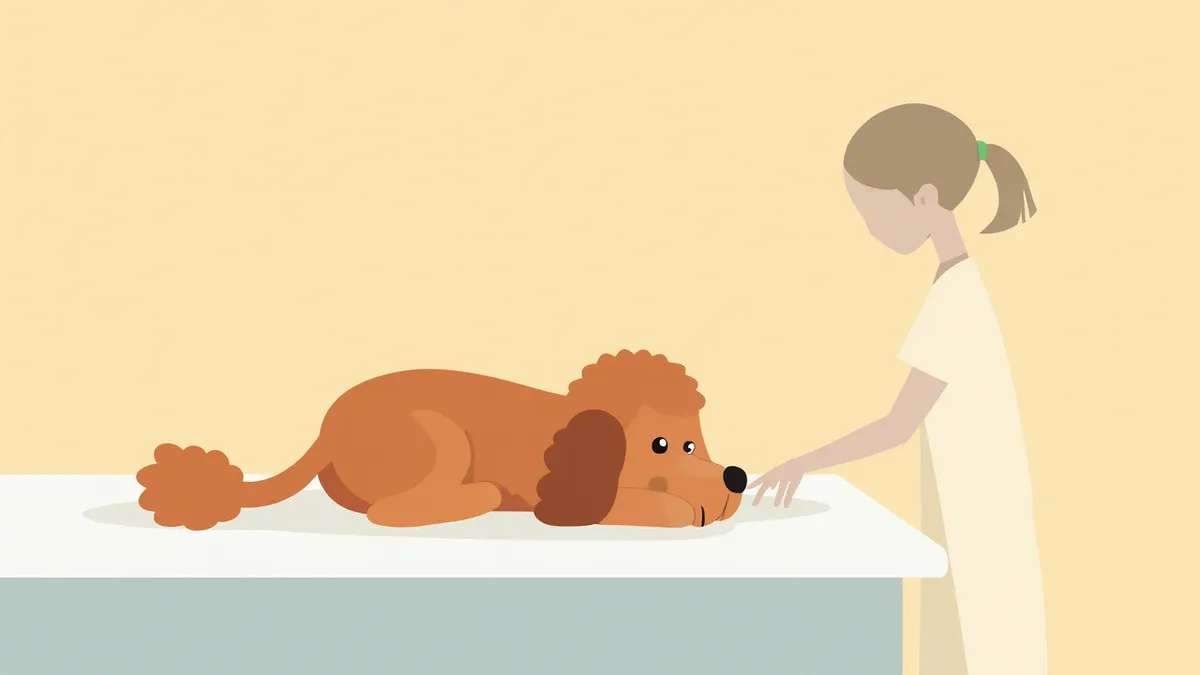
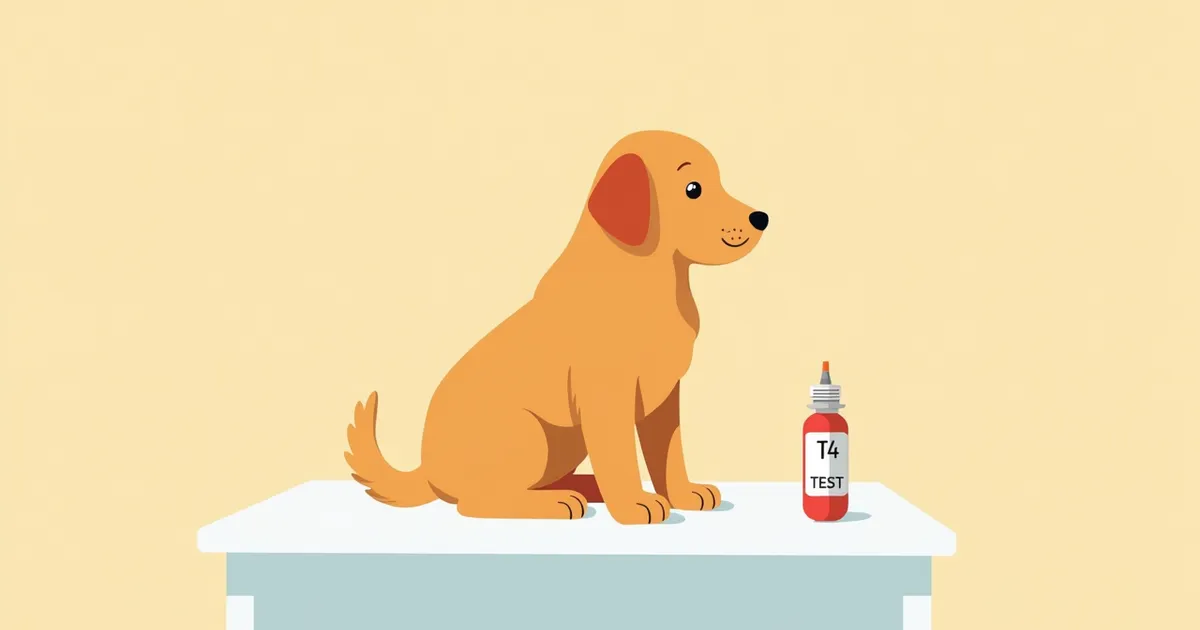
A Poodle sitting on the examination table during a check-up
Addison’s disease (hypoadrenocorticism) in dogs is an endocrine disorder in which the adrenal glands, located next to the kidneys, are damaged and cannot produce enough essential hormones such as cortisol and aldosterone. The most critical factor is early detection. If symptoms like lethargy, vomiting, and dehydration worsen rapidly over a few days, your dog needs to see a veterinarian within 24 hours. Once diagnosed, most dogs can live a normal life with lifelong hormone replacement therapy.

Causes and Affected Dogs

Most cases are attributed to an autoimmune response, in which the dog’s own immune cells attack and gradually destroy the adrenal cortex. Less commonly, the adrenal cortex may be damaged by other causes. The condition is more frequently seen in young to middle-aged female dogs and has a higher prevalence in Poodles, Great Danes, West Highland White Terriers, Portuguese Water Dogs, Bearded Collies, Rottweilers, Springer Spaniels, Nova Scotia Duck Tolling Retrievers, and Saint Bernards. If your dog belongs to one of these predisposed breeds, please be especially attentive to signs of lethargy.

Signs to Watch For

Early symptoms are often vague, making it easy to dismiss them as simply “not feeling quite right.” However, if the following signs recur, Addison’s disease should be considered: - Lethargy: Refusal to go for walks, sleeping more than usual - Vomiting and diarrhea: Recurring at intervals of several days - Decreased appetite: Rejecting even favorite treats - Weight loss: Noticeable decline within 1–2 weeks - Polydipsia and polyuria: Increased water intake and urine output - Tremors and hindlimb weakness: Difficulty standing up
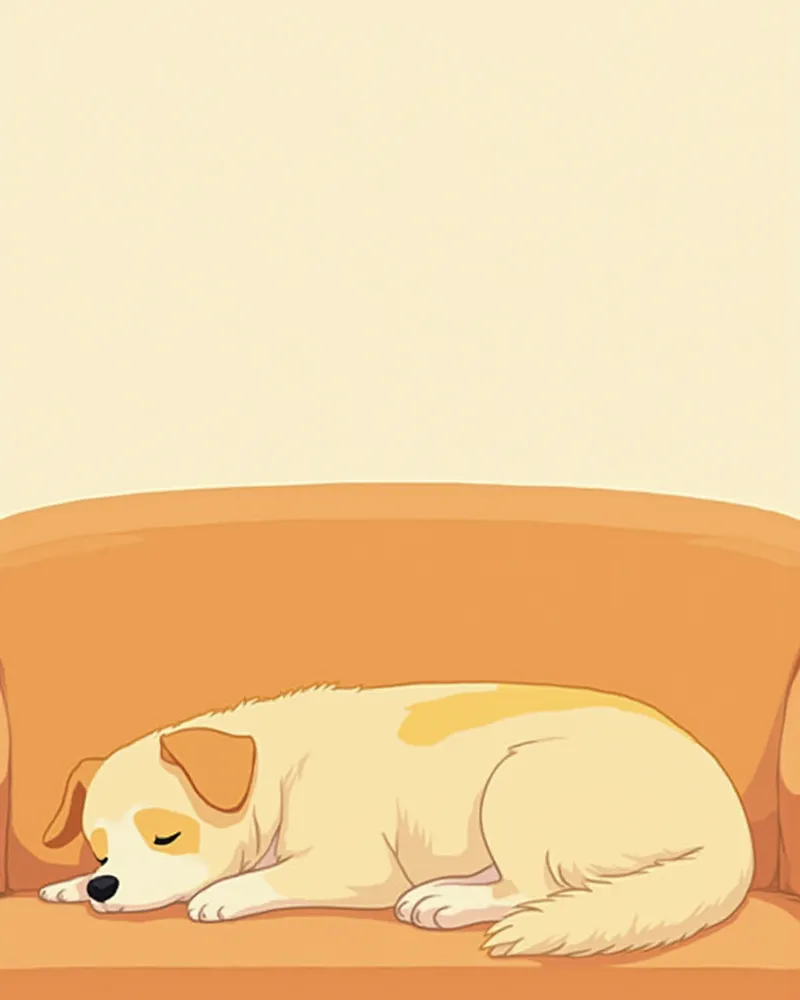
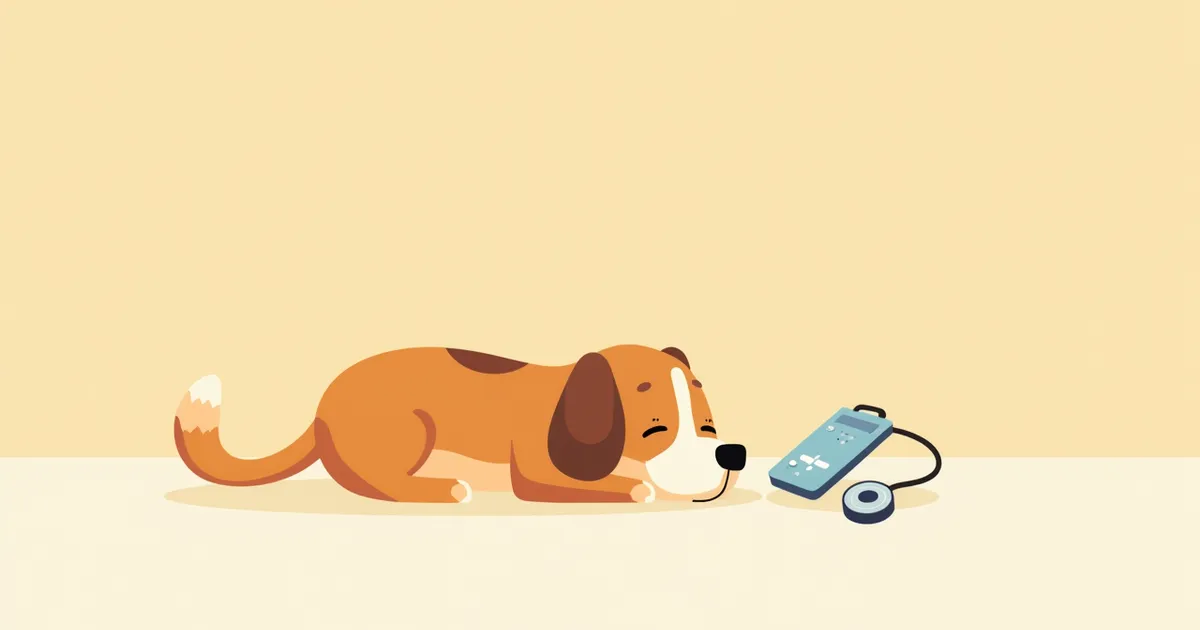
A lethargic dog lying listlessly on the sofa

Addisonian Crisis vs. Chronic Addison’s Disease — Comparing Emergency Severity

ItemAddisonian Crisis (Acute)Chronic Addison's Disease
Onset SpeedSeveral hours to 1 daySeveral weeks to several months
Main SymptomsCollapse, shock, bradycardiaIntermittent lethargy, vomiting
Body TemperatureHypothermia commonNormal or slightly low
Blood PressureHypotension, shock stateUsually normal
ElectrolytesHyperkalemia, hyponatremiaMild changes or normal
TreatmentImmediate IV fluids and hormone injectionMedication adjustment as outpatient

The figures are general tendencies and vary between individuals.

These Signs Require Immediate Visit to a 24-Hour Emergency Clinic

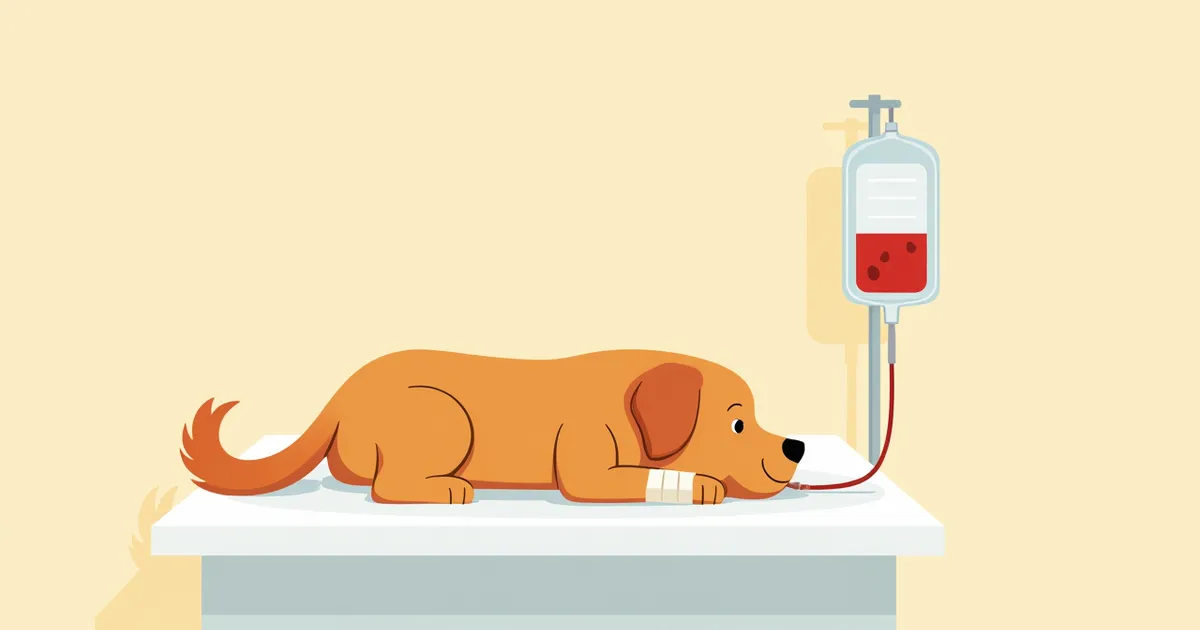
Addisonian crisis is a true emergency that can be fatal within hours. If you notice any of the following signs, head to a 24-hour veterinary clinic immediately, even in the middle of the night: inability to stand due to extreme weakness, pale or gray gums, a pulse much slower than usual, altered consciousness, and persistent severe vomiting and diarrhea leading to progressive dehydration. Keep your pet warm during transport, and do not force them to eat or drink.

How Is It Diagnosed at the Clinic?
The veterinarian first checks electrolyte levels through blood tests, specifically looking for hyponatremia and hyperkalemia (a decreased sodium-to-potassium ratio). If these electrolyte imbalances are observed, Addison's disease is suspected, and an ACTH stimulation test is performed to confirm the diagnosis. Since baseline cortisol levels can vary significantly and are not diagnostic on their own, dynamic testing such as the ACTH stimulation test is the standard method to determine if the adrenal glands retain the ability to produce hormones. Additionally, routine blood work, biochemistry, urinalysis, and an electrocardiogram (to assess the cardiac effects of hyperkalemia) are conducted, and imaging studies may be used to evaluate the condition of the adrenal glands.
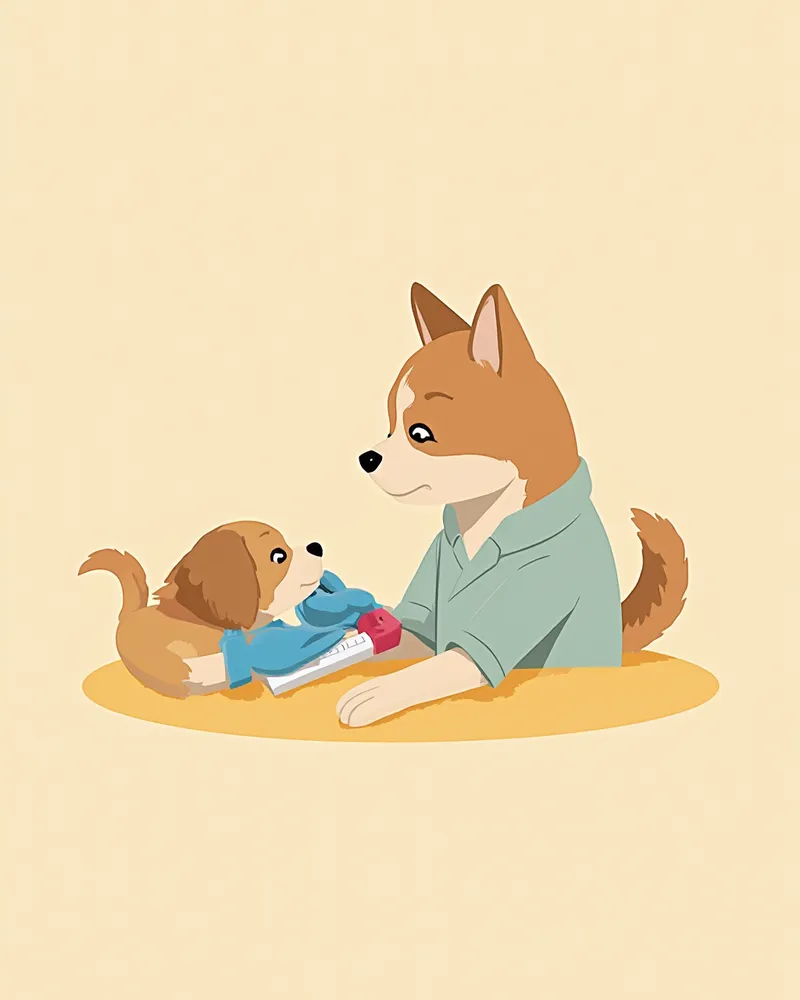
A puppy getting blood drawn on the examination table

Lifelong Hormone Replacement Therapy

While Addison’s disease is difficult to cure completely, dogs can typically live a normal life once their deficient hormones are replaced with medication. This involves supplementing two types of hormones: - Mineralocorticoid replacement: Replaces aldosterone. Administered via desoxycorticosterone pivalate injections (approximately every 25 days) or daily oral fludrocortisone. - Glucocorticoid replacement: Replaces cortisol. Administered as low-dose oral prednisolone daily. - Stress dosing: Temporarily increase the dosage under veterinary guidance during stressful events such as grooming, travel, or surgery. The exact dosage is determined by your veterinarian based on your dog’s weight and response to treatment.

Essential Medication Management Rules for Owners

Even missing a single dose can trigger a crisis. Administer the medication at the same time every day, and always pack extra doses when traveling. Never reduce the dosage or stop treatment on your own. When visiting another veterinary clinic, be sure to inform the veterinarian that your pet has Addison’s disease and is currently taking steroids. For emergencies, save a photo of the prescription details on your smartphone.

Home Care Tips to Support Recovery

While medication alone is often sufficient, incorporating the following measures will help ensure a more stable recovery: - Minimize stress: Significant environmental changes or excessive excitement can place undue strain on the adrenal glands. - Consistent feeding: Offering the same food at regular times helps reduce gastrointestinal irritation. - Monitor weight and water intake: Sudden changes may signal the need to adjust medication. - Regular check-ups every 3–6 months: Tracking electrolyte and blood levels is essential. - Prepare an emergency kit: Save the contact information for both your regular clinic and a 24-hour emergency hospital.
A pet owner organizing their dog’s medications in a weekly pill organizer.

Reviewed by a veterinarian

Dr. Tony — Punnawat Phongkittirak

Dr. Tony — Punnawat Phongkittirak

Veterinarian

A veterinarian who majored in veterinary medicine at Khon Kaen University, Thailand, and completed the IVSA program at North Carolina State University in the United States. Drawing on clinical experience at animal hospitals, he works in the pet healthcare field and is dedicated to building a digital care environment that connects pet parents with veterinarians.

Frequently Asked Questions

Can dogs with Addison's disease live a normal lifespan?
Yes, with consistent medication after diagnosis, your pet can expect a lifespan similar to their peers. However, missing even one critical moment can be dangerous, so regular check-ups and daily medication are essential.
Can puppies get it too?
Yes, it is most commonly seen in young to middle-aged female dogs, but it can occur at any age. Please be especially vigilant if your dog is a predisposed breed, such as a Poodle or Great Dane.
I suspect Addison’s disease. Can it be detected through a routine checkup?
While an abnormal sodium-to-potassium ratio on a basic blood test may raise suspicion, a definitive diagnosis requires an ACTH stimulation test. If your pet shows persistent lethargy and recurrent vomiting, ask your veterinarian about performing an ACTH stimulation test.
What should I do before a stressful schedule?
Before stressful events such as grooming, travel, or surgery, temporarily increase the glucocorticoid dose as directed by your veterinarian. Do not adjust the dosage on your own; always consult your vet in advance.
I'm worried that the cost of medication might be a burden.
While costs vary depending on the type of medication and your pet’s weight, it’s true that this is a lifelong expense. You can discuss with your veterinarian to determine the best combination of desoxycorticosterone injections and oral medications that fits your pet’s needs in terms of cost and convenience.

Share

Related Guides

References

[1] Burkitt Creedon JM. Hypoadrenocorticism. In: Small Animal Critical Care Medicine, 3rd Ed.

[2] Textbook of Cardiovascular Medicine in Dogs and Cats — Hypoadrenocorticism in Dogs

[3] Clinical Medicine of the Dog and Cat, 4th Ed — Primary Hypoadrenocorticism (Addison's Disease)

This information is based on veterinary literature and does not replace diagnosis or treatment. Please consult a veterinarian for specific health concerns.

Metapet Co., Ltd. | CEO: Park Sung-yong | Business Reg. No. 417-88-02562 | Seoul, South Korea | Customer Center

What Is Canine Addison's Disease? Crisis Signs & Hormone Care | Meongsiljang