Like
Share
멍실장
강아지가 풀에 등 비비는 이유

Why Your Dog Rubs Its Back on Grass

ImmunityQ&AMeongsiljang Veterinary Advisory Board

Here are five reasons why your dog might rub its back on grass, along with tips to help you determine whether it’s a natural instinct or a sign of a health issue. You’ll also learn how to check for signs of skin conditions, parasites, and allergies.

The Real Reasons Your Dog Rubs Its Back on Grass
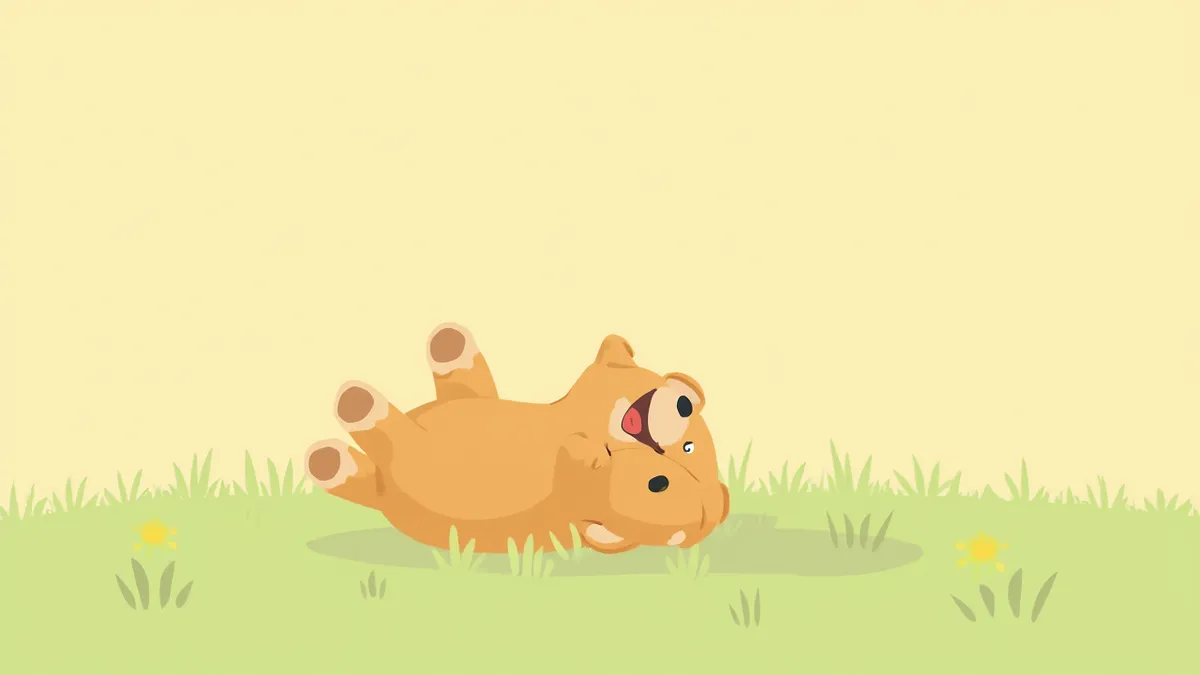
A puppy rolling on its back and rubbing against the grass.
When dogs rub their backs on grass, it’s often an instinctive behavior to mark their scent or relieve skin irritation. What’s truly important is that while this is usually just playful and natural, frequent or vigorous rubbing can signal skin issues, parasites, or allergies. By observing how often and intensely the behavior occurs, along with your dog’s skin condition, you can better identify the underlying cause.

Instinct 1: Marking or Masking Scent

This behavior stems from instincts passed down from their wild ancestors. Wolves and wild dogs would rub their scent onto specific spots to mark territory, or conversely, coat themselves in strong foreign odors to mask their own scent and avoid detection by prey. Your dog retains similar instincts, which is why they rub their back against grass, unfamiliar soil, or areas scented by other animals. If they’re wagging their tail and appear happy, it’s likely just healthy, playful behavior.

Instinct 2: Relieving Itchiness and Skin Irritation
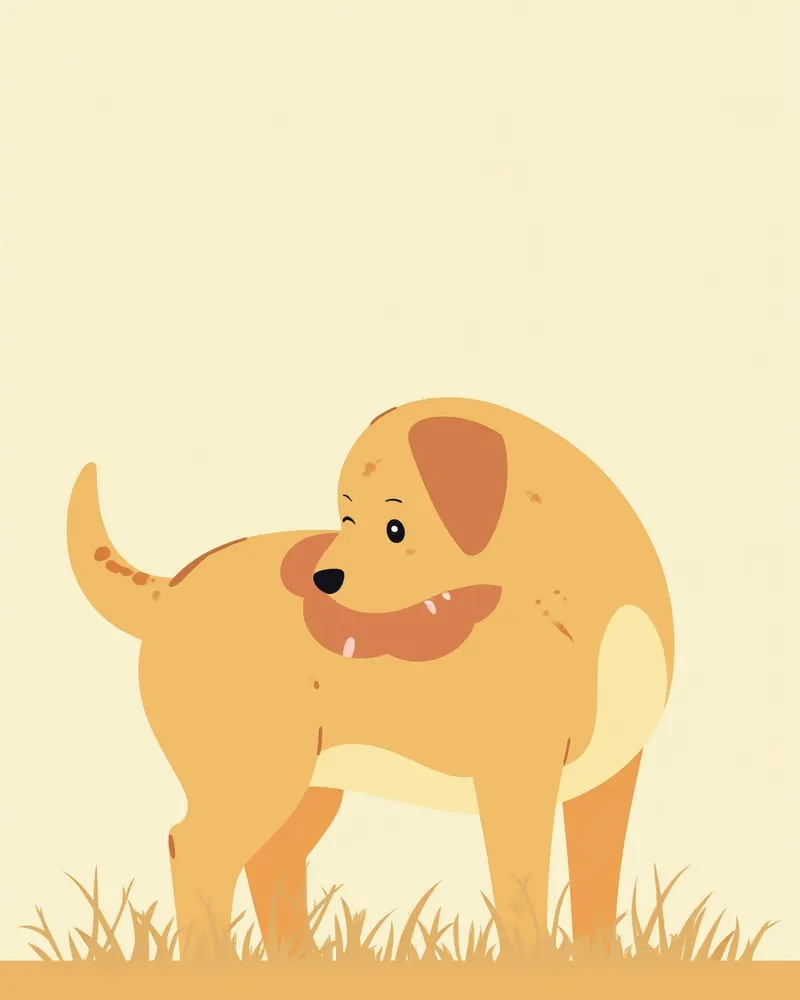
The back is an area that dogs can’t easily reach with their paws or mouths. So when it itches, they rub their bodies against grass, carpets, or floors to scratch it. If they just rub once or twice and move on, it’s usually fine. But if they do it repeatedly every day or keep scratching even after rubbing, you should suspect a skin condition or allergies. Especially if you notice rashes, redness, scabs, or an odor, it’s more than just simple itching.
A dog rubbing its back against grass due to itching

Distinguishing Normal Play from Health Warning Signs

ItemNormal PlayWarning Signs
FrequencyOccasionally, once or twice during a walkRepeatedly several times a day
ExpressionHappy and relaxedAnxious, restless
Skin conditionClean and normalRedness, scabs, hair loss
Accompanying symptomsNoneConstant scratching, licking, sniffing
DurationEnds quicklyRepeats without stopping

If 2 or more of the 5 are warning signs, a veterinary visit is recommended.

Signs That Skin Conditions Are the Cause
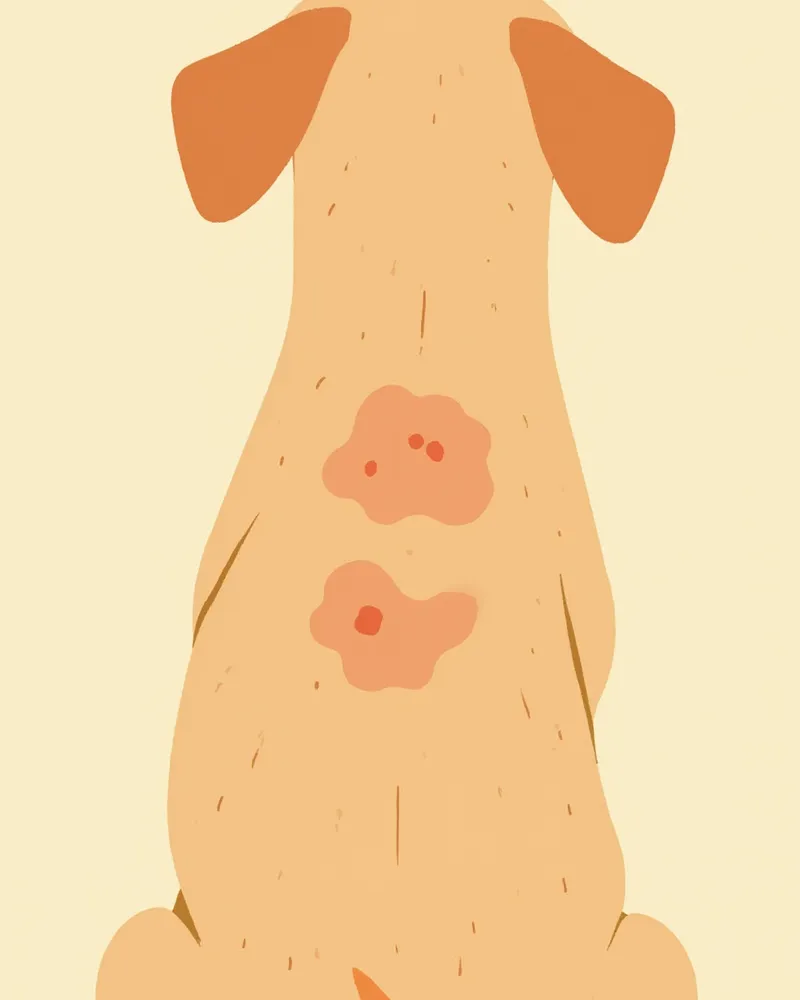
When skin issues are the cause, rubbing against grass goes beyond simple instinct. - Rashes and redness: The skin on the back or hindquarters appears red and bumpy. - Hair loss: Fur thins or falls out in areas repeatedly rubbed. - Crusts and dandruff: Scales or crusts form on the skin’s surface. - Odor: A fishy or sour smell is noticeable. - Accompanied by licking or scratching: The pet continues to scratch or bite even after rubbing. If two or more of these signs are present, a veterinary dermatology consultation is recommended.
The back of a dog showing signs of skin abnormalities

Signs Requiring Immediate Veterinary Attention

If your dog shows any of the following symptoms after rolling in grass, don’t wait more than 24 hours—visit a veterinary clinic right away: red rash spreading across the body, bleeding from scratching, foul odor from the skin, inability to sleep or eat due to itching, or severe scratching of the ears and paws. In these cases, the issue may be more than simple dermatitis; it could indicate an allergic reaction, external parasites, or a bacterial infection. Left untreated, it can quickly worsen with secondary infections.

External Parasites May Be the Cause
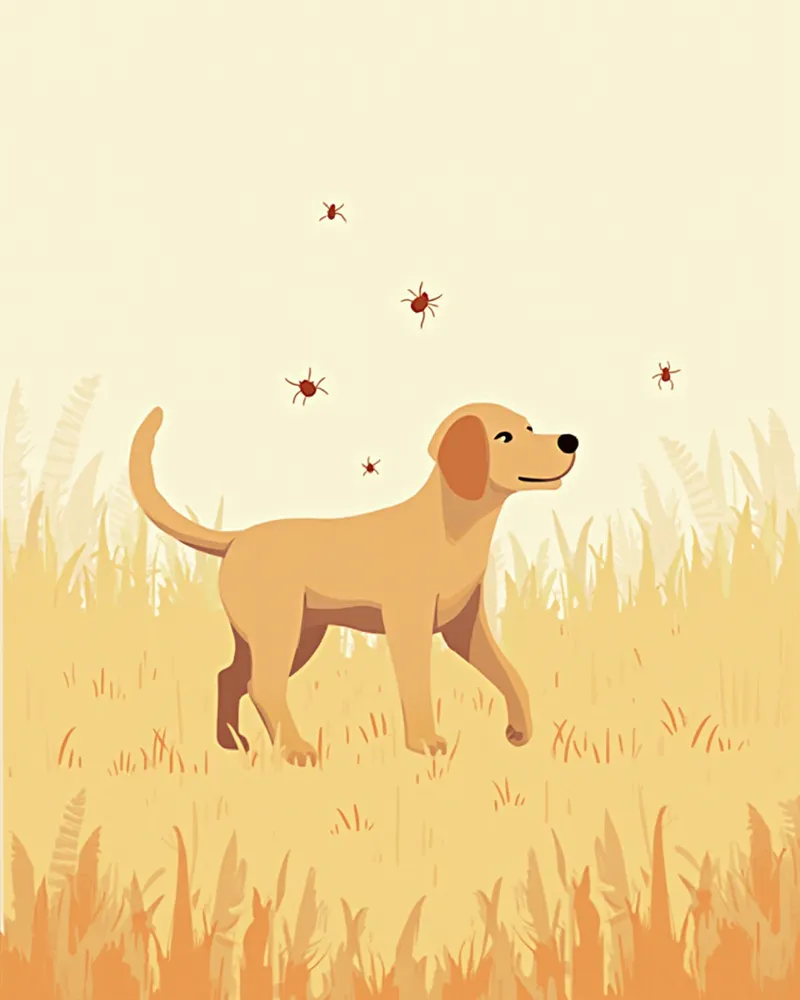
Grass and bushes can harbor external parasites like ticks, fleas, and mites (such as Sarcoptes scabiei, also known as scabies mites). Parasites can be transferred when your dog rubs its back against plants during walks, or when an already infected dog scratches due to itching. Scabies mites typically cause lesions to first appear on the elbows, hocks, and ear tips, then gradually spread to the sides and belly. Scratching can lead to bleeding and hair loss in these areas. If your dog has a flea allergy, the itching can become more severe. However, there are no specific "preventive medications" for mites like scabies; they require veterinary diagnosis and treatment. For ticks and fleas, it's helpful to consistently use veterinarian-recommended, locally approved external parasite control products.
Image of a dog walking through tall grass with a reminder to watch out for external parasites

Home Care Tips

- Brush after walks: Carefully check for grass seeds or ticks stuck in the fur. - Skin check 1–2 times per week: Feel the skin on the back, belly, and armpits to assess its condition. - External parasite control: Preventing ticks and fleas is crucial, so consistently use products recommended by your veterinarian. (Note: Some parasites, such as mites causing mange, do not have preventive medications and require treatment after diagnosis.) - Clean paws and belly after walks: Wash off irritants like herbicides and pollen. - Thorough drying after baths: Leaving wet fur or moisture can lead to Malassezia (yeast) or bacterial dermatitis, potentially causing a greasy, sour odor. If you feel a small lump, it could be a tick. Do not pull it out yourself; have it removed at a veterinary clinic.

Breed-Specific Considerations

Certain breeds are more prone to grass allergies due to their sensitive skin. Brachycephalic breeds like French Bulldogs, Pugs, and Shih Tzus are especially susceptible because grass fragments can get trapped in their facial wrinkles, leading to bacterial infections. Golden Retrievers and Labrador Retrievers, with their double coats, may experience irritation when grass blades become entangled in their fur. For these breeds, it’s a good habit to thoroughly brush their coats and check their skin after every walk.

Reviewed by a veterinarian

Dr. Tony — Punnawat Phongkittirak

Dr. Tony — Punnawat Phongkittirak

Veterinarian

A veterinarian who majored in veterinary medicine at Khon Kaen University, Thailand, and completed the IVSA program at North Carolina State University in the United States. Drawing on clinical experience at animal hospitals, he works in the pet healthcare field and is dedicated to building a digital care environment that connects pet parents with veterinarians.

Frequently Asked Questions

Is it normal for my dog to rub its back on feces or dead insects?
This is an instinctive behavior where pets try to rub strong odors onto their fur. While it’s not a health issue, it can increase the risk of bacterial or parasitic infections, so please bathe your pet right away and prevent them from doing it again in the future.
My pet’s skin turned red after rolling in the grass. What should I do?
It’s likely due to contact or allergic irritation from plant sap or pollen. Gently rinse the area with lukewarm water and monitor your pet for 2–3 hours. If the redness doesn’t fade or the itching becomes severe, a veterinary visit is necessary.
Is it dangerous if herbicide has been sprayed on the lawn?
This is very dangerous. Contact with herbicides or fertilizers can cause chemical dermatitis, and ingestion may lead to poisoning. Please be sure to check for any pest control or treatment notices in parks or apartment complexes before taking your pet for a walk.
Does rubbing against wet grass after rain make it worse?
Yes. Damp grass and humid environments are ideal for the growth of bacteria and Malassezia (yeast). If moisture remains in the fur, it can lead to Malassezia dermatitis or bacterial dermatitis, often accompanied by a greasy, sour odor. Therefore, it is important to thoroughly dry your pet after walks.
Can grass allergies be treated?
Yes, we can identify the cause through allergy testing and manage the condition with allergen-specific immunotherapy or immunomodulatory treatments such as cyclosporine and tacrolimus. Cyclosporine tends to have a high success rate according to reports. Since antihistamines alone have limitations, it’s best to work with your veterinarian to develop a long-term treatment plan.

Share

Related Guides

References

[1] Miller WH, Griffin CE, Campbell KL, Muller and Kirk's Small Animal Dermatology, 7th Edition, 2013

[2] Ettinger SJ, Feldman EC, Côté E, Textbook of Veterinary Internal Medicine, 8th Edition, 2017

[3] Plumb DC, Plumb's Veterinary Drug Handbook, 10th Edition, 2023

This information is based on veterinary literature and does not replace diagnosis or treatment. Please consult a veterinarian for specific health concerns.

Metapet Co., Ltd. | CEO: Park Sung-yong | Business Reg. No. 417-88-02562 | Seoul, South Korea | Customer Center

Why Dogs Rub Their Back on Grass: 5 Reasons Explained | Meongsiljang