Like
Share
멍실장
강아지 옥수수심 먹었을 때 장폐색 위험과 응급 신호

Risk of Bowel Obstruction and Emergency Signs When a Dog Swallows a Corn Cob

Emergency/ToxicityQ&AMeongsiljang Veterinary Advisory Board

If a dog swallows a whole corn cob, it can get lodged in the small intestine and cause a bowel obstruction. If you notice repeated vomiting and abdominal pain within 12 to 48 hours, it’s an emergency—seek veterinary care immediately.

My Dog Ate a Corn Cob—Is It Really Dangerous?
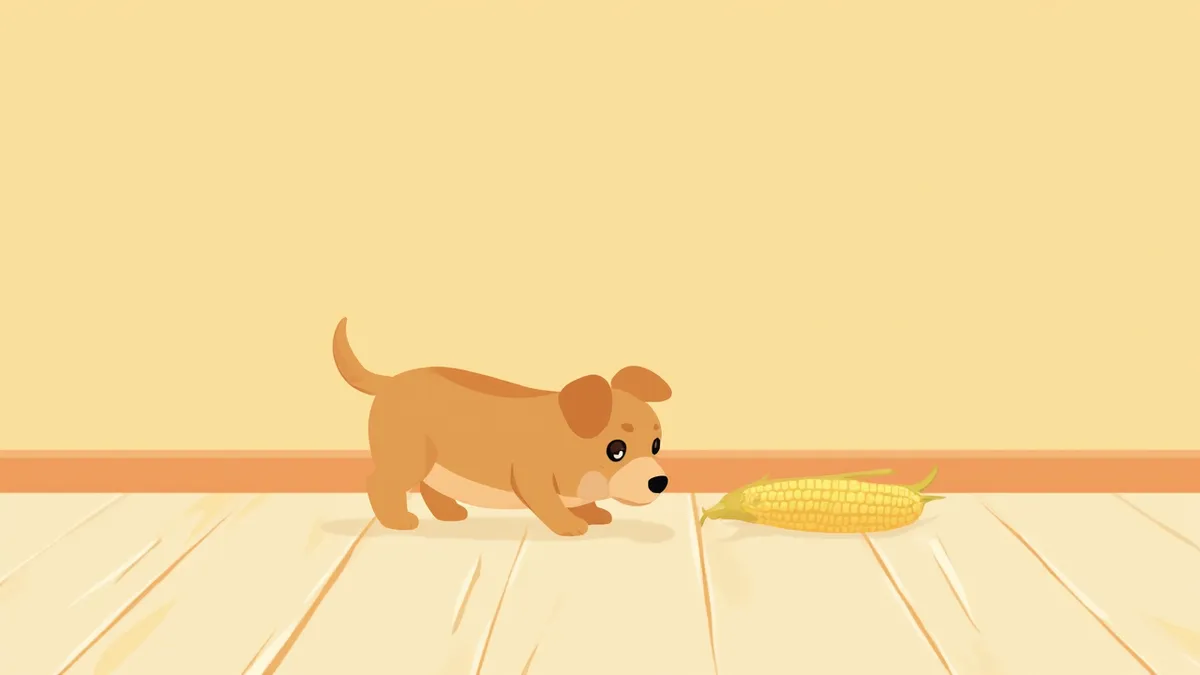
A dog inspecting a corn cob and a concerned pet owner
If your dog eats corn cobs, the hard, indigestible core can get stuck in the small intestine, causing a blockage that requires emergency surgery. In fact, corn cobs are well-documented as common foreign bodies that frequently cause small intestinal obstructions in dogs, alongside peach pits and toys. Time is of the essence. If you suspect your dog has swallowed a cob whole and is showing signs of repeated vomiting, loss of appetite, or abdominal pain, don’t wait at home—seek veterinary care immediately. Symptoms can appear sooner than expected, typically starting within a few hours of ingestion, anywhere from 15 minutes to about 20 hours later. While licking a few kernels usually passes without issue, if the core was chewed and swallowed, imaging tests are necessary to quickly locate the obstruction.

Corn Kernels and Corn Cobs Are Different Foods

Corn kernels and corn cobs are entirely different foods for dogs. While small amounts of kernels are generally safe for most dogs, the cob is a tough, fibrous mass that barely breaks down in the stomach or intestines. Corn cobs are considered a high-risk food for causing intestinal blockages in dogs, much like peach pits or toys, and are even cited in veterinary textbooks as common causes of obstruction. Small and medium-sized breeds are particularly vulnerable because their intestines are narrower; pieces that might pass through a large dog can easily get stuck in them. Even whole ears of corn pose a blockage risk for large breeds. That’s why it’s difficult to define a single “safe amount” to feed.

Checklist of Emergency Signs That Suggest Intestinal Obstruction
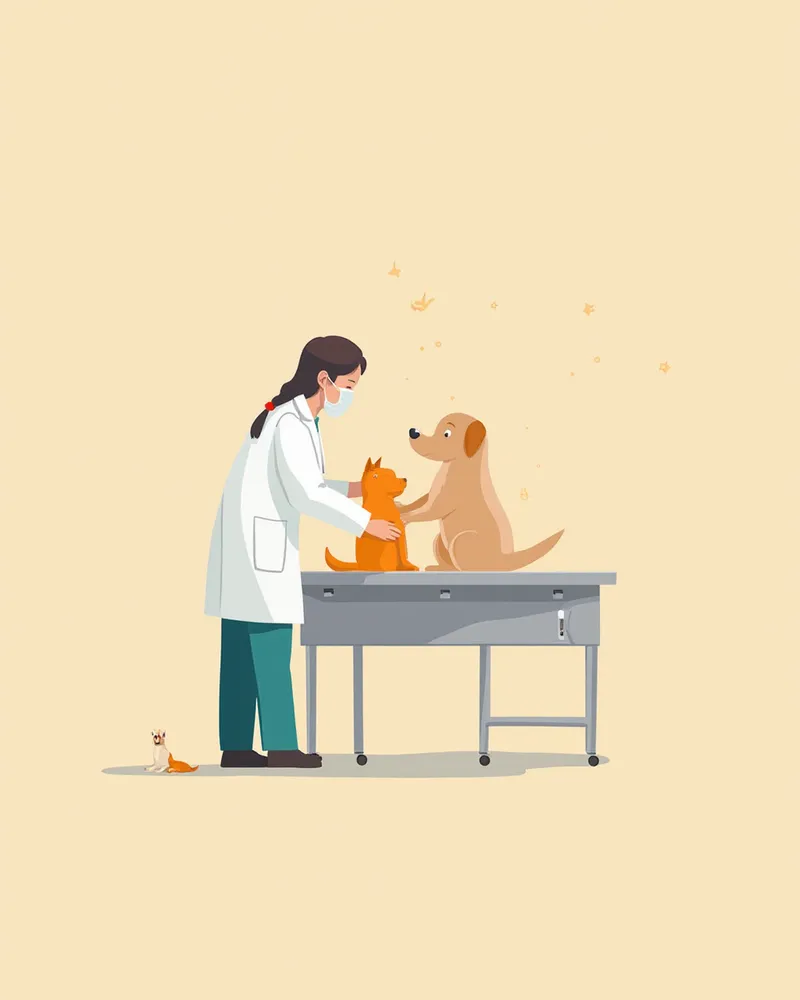
If your pet has swallowed a corn cob, suspect intestinal obstruction if you notice any of the following signs: - Repetitive vomiting: Vomiting everything, including water and food, with symptoms worsening over time. - Loss of appetite: Refusing even favorite treats. - Abdominal pain: Whining when the belly is touched or arching the back (sometimes resembling a prayer-like posture). - Lethargy: Avoiding walks and curling up in a corner. - Changes in bowel movements: Difficulty passing stool is typical, but partial obstructions may cause diarrhea mixed in. Symptoms usually begin within a few hours after ingestion (as soon as 15 minutes to around 20 hours), and may develop more gradually in cases of partial obstruction. Over time, dehydration and electrolyte imbalances can lead to rapid deterioration.
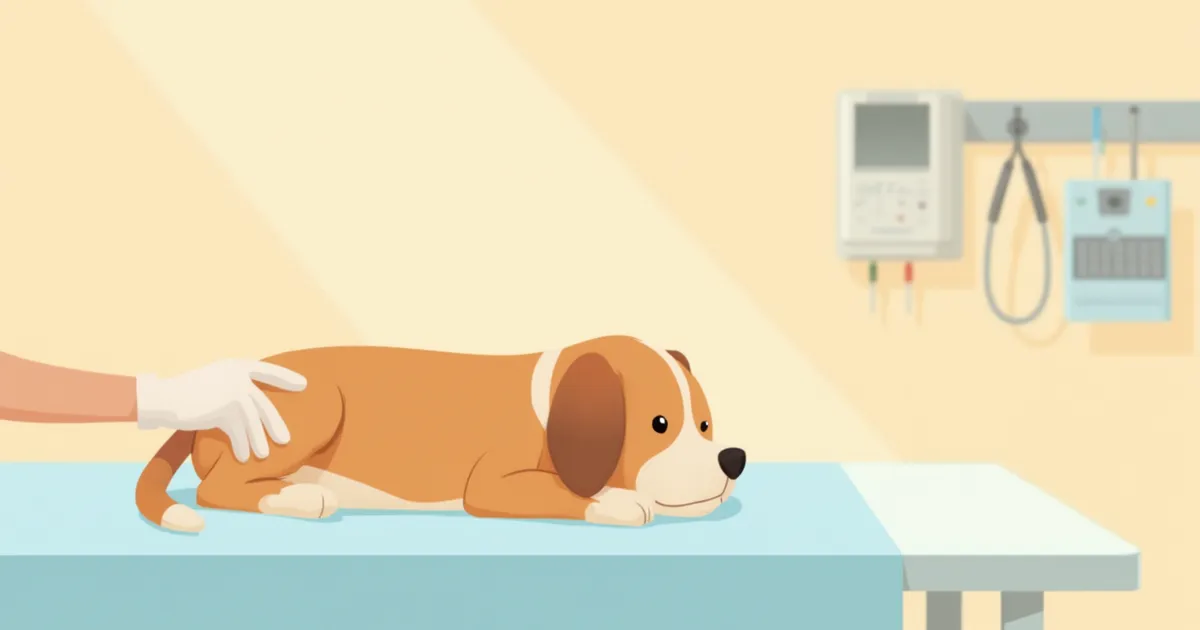
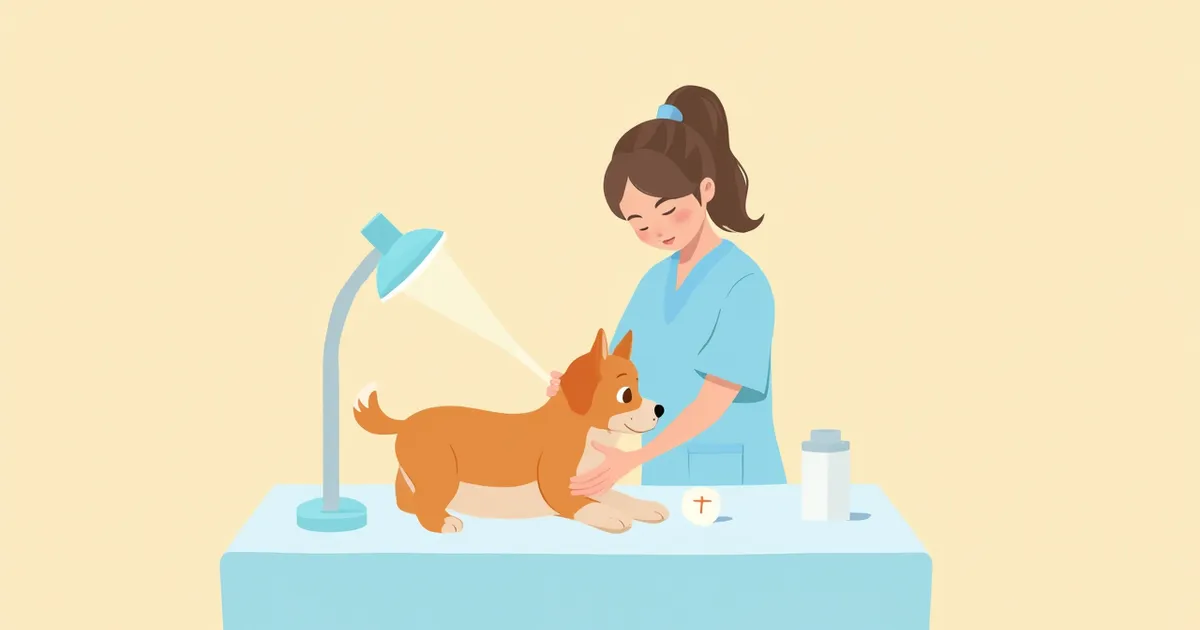
A veterinarian examining a dog's abdomen

If These Conditions Apply, Go to the Emergency Room Immediately, Even at Night

If any of the following apply, head to an emergency vet clinic immediately, even at night or on weekends: repeated vomiting with an inability to keep water down, a visibly distended abdomen that elicits severe pain when touched, extreme lethargy to the point of being unable to stand, pale or gray gums, or if your small-breed dog appears to have swallowed a whole corn cob. Complete obstruction can lead to severe vomiting and fluid loss, resulting in dehydration and hypovolemic shock. If left untreated for too long, it can progress to intestinal perforation and peritonitis, drastically increasing the risk to your pet’s life.

How Is It Diagnosed at the Clinic?

At the clinic, we first use X-rays to check the location of the corn cob and the gas pattern in the intestines. Although the corn cob itself may not be clearly visible on an X-ray, we suspect an obstruction if the intestines appear abnormally distended with trapped gas. If the diagnosis is unclear, we may perform additional imaging such as contrast X-rays, ultrasound, or CT scans. Blood tests are also conducted to assess dehydration, electrolyte levels, and inflammation markers, helping us evaluate the risks associated with anesthesia.

Treatment Depends on Location and Time
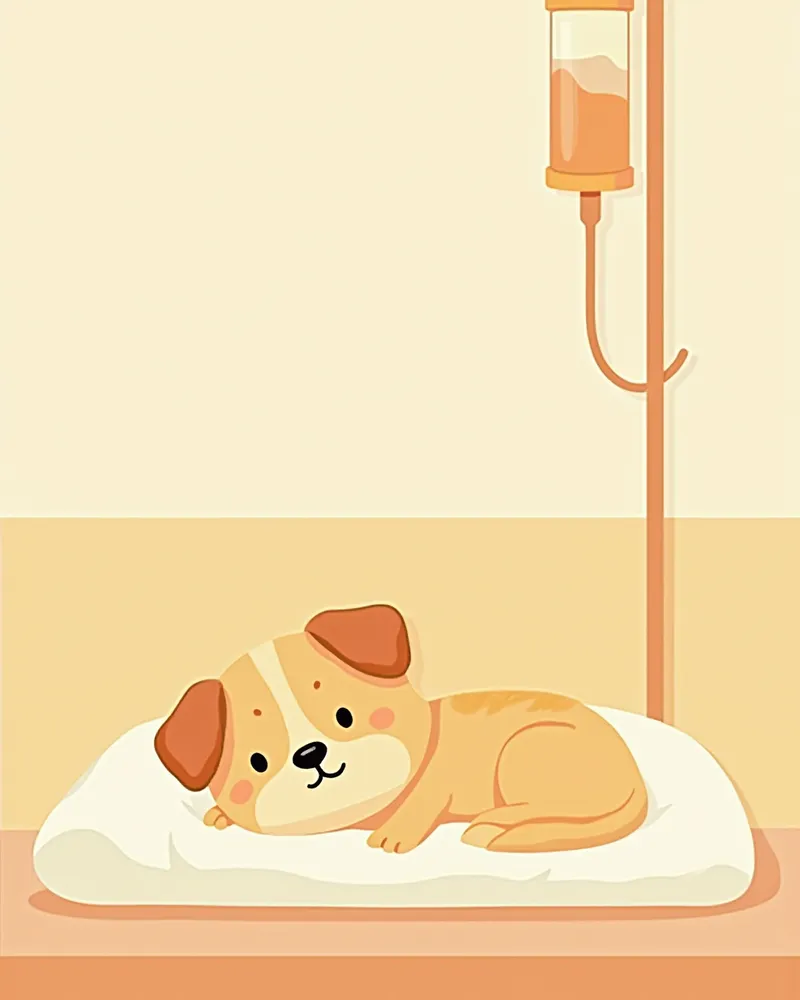
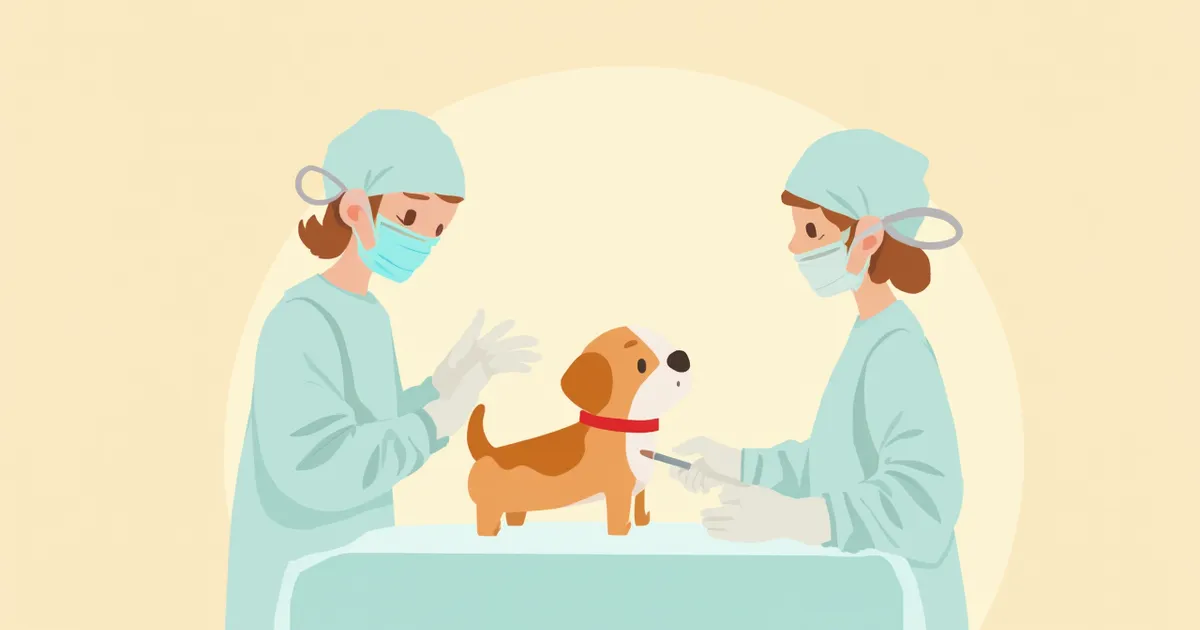
Treatment depends on the corn cob’s location and your dog’s condition. If it’s still in the stomach and hasn’t been there long, we can remove it endoscopically. If it has moved into the small intestine or the intestinal wall is swollen, we perform exploratory surgery to open the intestine and remove it. If the intestinal wall has already undergone necrosis, we perform a resection and anastomosis, removing the affected section and reconnecting the healthy ends. After surgery, your dog will be hospitalized for 24–48 hours for pain and infection management, followed by a gradual return to eating over several days using a bland prescription diet.
A puppy recovering after surgery

The 7 to 10 Days After Surgery Are Truly Critical

For 7 to 10 days after surgery, it is crucial to restrict your pet’s activity and feed only the prescribed diet. If the incision site reopens, it can lead to peritonitis, so prevent jumping and stair climbing, and avoid homemade recovery meals found online; instead, feed only the veterinarian-prescribed food. If your pet vomits again or develops a swollen abdomen after surgery, seek immediate veterinary care.

Prevention in Daily Life to Prevent Recurrence

Corn is one of the most common foods that ends up in dogs’ mouths from the family table. To prevent this, keep your dog in a separate area while you eat corn, and immediately dispose of corn cobs in a trash can with a secure lid or a dedicated food waste bin. The same precautions apply at camping or barbecue gatherings. If you’d like to offer corn kernels as a treat, give only small amounts—no more than one tablespoon for a 10 kg dog—and only occasionally.

Reviewed by a veterinarian

Dr. Tony — Punnawat Phongkittirak

Dr. Tony — Punnawat Phongkittirak

Veterinarian

A veterinarian who majored in veterinary medicine at Khon Kaen University, Thailand, and completed the IVSA program at North Carolina State University in the United States. Drawing on clinical experience at animal hospitals, he works in the pet healthcare field and is dedicated to building a digital care environment that connects pet parents with veterinarians.

Frequently Asked Questions

My dog ate a small amount of corn kernels. Should I induce vomiting?
If only a small amount of the core has been ingested, it will usually pass through naturally. Non-toxic, non-obstructive foreign bodies typically pass without causing any symptoms. We do not recommend inducing vomiting at home, as it can lead to esophageal damage or aspiration pneumonia. However, if your pet shows unusual vomiting, diarrhea, loss of appetite, or if symptoms persist for several hours, please contact your veterinarian for advice.
Up to what size can corn cobs be naturally expelled from the body?
There’s no absolute rule. It depends on your dog’s size, intestinal diameter, and the shape of the object. A piece that might pass through a large dog could get stuck in a smaller one. If there’s any concern, it’s safest to confirm the object’s location with an X-ray, regardless of its size.
How much does surgery for intestinal obstruction cost?
Costs can vary significantly depending on the complexity of the surgery, whether a bowel resection is required, and the length of hospitalization. For an accurate estimate, it’s best to receive a direct quote from the veterinary clinic during your consultation. If you have pet insurance, it’s a good idea to check in advance whether your policy includes coverage for emergency surgical procedures.
How about canned corn or corn porridge?
Canned corn is not recommended because it contains added sodium and sugar. Corn porridge should also be avoided if it includes seasonings such as butter, sugar, or milk. If you want to give your dog corn, use only a small amount of unsalted, boiled kernels removed from the cob as an occasional treat.
My dog just swallowed a corn cob, but seems fine. Should I still take them to the vet?
Yes, even if there are no symptoms, blockages can begin within a few hours after ingestion (as quickly as 15 minutes to around 20 hours). Especially for small and medium-sized dogs, if there’s any indication they swallowed something whole, we recommend having an X-ray at the vet clinic as soon as possible to locate the object. It’s much easier to remove it while it’s still in the stomach, leading to a far quicker recovery compared to abdominal surgery.

Share

Related Guides

References

[1] Hayes G. Gastrointestinal foreign bodies in dogs and cats: a retrospective study of 208 cases. J Small Anim Pract 2009;50:576-583.

[2] Nelson RW, Couto CG. Clinical Medicine of the Dog and Cat, 4th Ed — Intestinal Obstruction chapter.

[3] Hovda L, Brutlag A et al. Blackwell's Five-Minute Veterinary Consult Clinical Companion: Small Animal Toxicology, 3rd Ed — Foreign Objects (Ch. 80).

[4] Englar RE. The Veterinary Workbook of Small Animal Clinical Cases — Case 25: The Vomiting Dog.

This information is based on veterinary literature and does not replace diagnosis or treatment. Please consult a veterinarian for specific health concerns.

Metapet Co., Ltd. | CEO: Park Sung-yong | Business Reg. No. 417-88-02562 | Seoul, South Korea | Customer Center