Like
Share
멍실장
방광 절개술 과정 - 수술 준비부터 회복까지

What is a Cystotomy in Cats? — From Preoperative Preparation to Recovery at a Glance

UrinaryQ&AMeongsiljang Veterinary Advisory Board

A cystotomy is a urological procedure in which the bladder is surgically opened to remove stones, tumors, or foreign bodies. We’ve outlined the entire process, from preoperative preparation to recovery, in terms that are easy for pet owners to understand.

What is a Cystotomy?

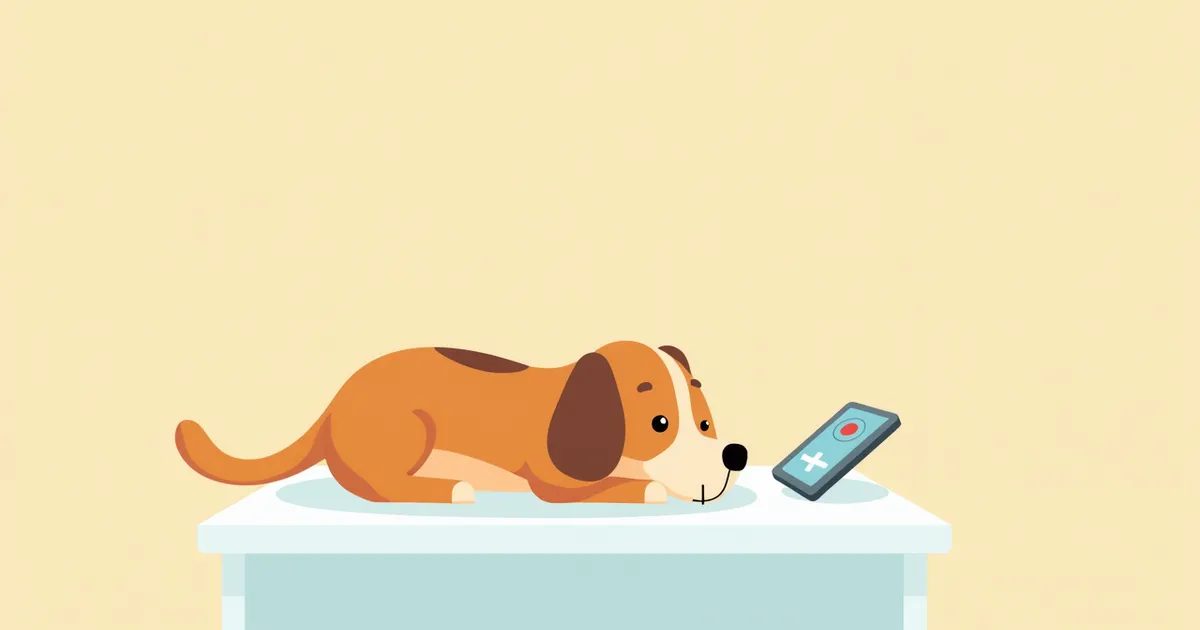
A veterinarian performing an ultrasound examination of a puppy’s bladder.
Cystotomy is a urinary tract surgery in which the bladder is opened to directly remove stones, tumors, foreign bodies, or blood clots. The most critical factor is early diagnosis. If your pet is unable to urinate or experiences hematuria and pain for more than 24 hours, you must seek veterinary care immediately to determine the need for surgery before bladder rupture occurs. This procedure offers the advantage of allowing direct visualization of the bladder interior, enabling simultaneous diagnosis and treatment.

When is a Cystotomy Performed?

Cystotomy is chosen when medical treatment alone is insufficient. Common indications include: - Bladder stones: Large stones that do not dissolve with medication or diet, or those causing obstruction - Bladder tumors: Cases requiring biopsy and surgical removal, such as transitional cell carcinoma - Foreign bodies or blood clots: Objects blocking the urethra or causing bleeding - Urethral obstruction: Cases where removal via the urethra is not possible - Correction of congenital anomalies: Such as ectopic ureters or persistent urachus

How Are Preoperative Tests and Preparation Conducted?

Pre-anesthetic testing is essential to minimize anesthesia risks. Blood tests check kidney values (BUN and creatinine), liver values, and electrolytes, while imaging studies determine the location and size of stones. - X-rays: Identify the location of calcium-based stones - Abdominal ultrasound: Assess radiolucent stones, bladder wall thickness, and tumors - Urinalysis and culture: Determine infection status and guide antibiotic selection - Cardiac evaluation: Recommended for senior patients or those with heart murmurs Fasting and water restriction times before surgery vary depending on the patient’s condition and anesthesia method, so please strictly follow your veterinarian’s specific instructions regarding fasting duration prior to the procedure.
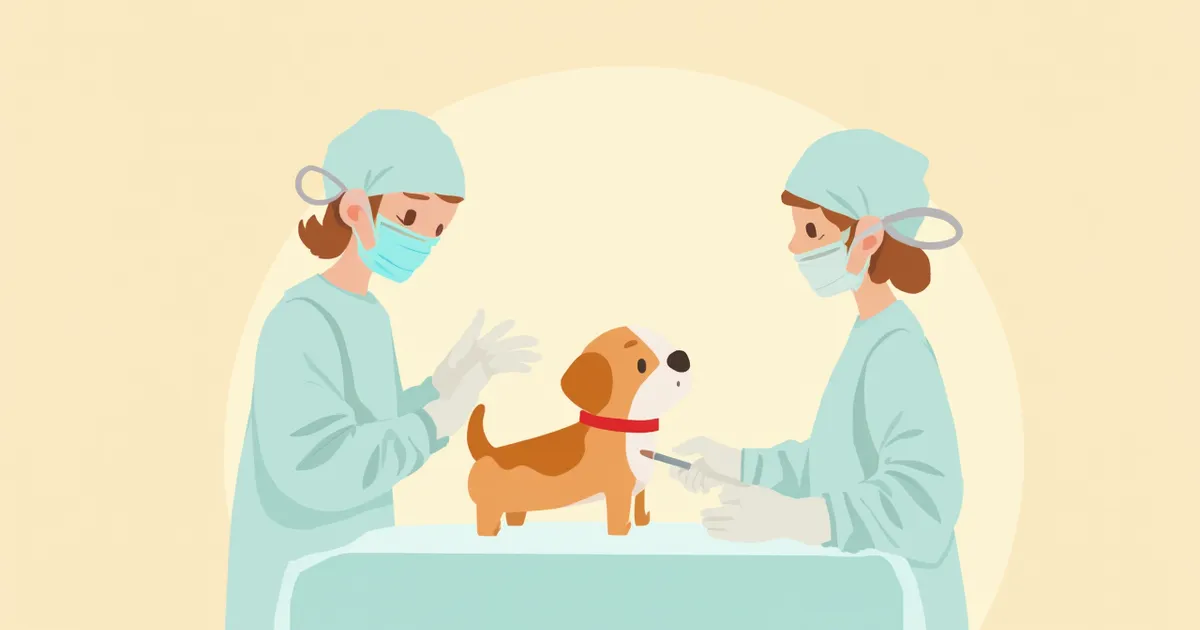
A puppy receiving intravenous fluids to stabilize before surgery.

Step-by-Step Summary of the Cystotomy Procedure

ItemMain contentTime required
1. Anesthesia inductionInduce sleep with sedatives and inhalation anesthesia15–20 min
2. Surgical site preparationShave and disinfect the lower abdomen10 min
3. Abdominal wall incisionMidline incision behind the navel5–10 min
4. Bladder exposure and incisionIncise the ventral surface of the bladder, remove contents20–40 min
5. Bladder and abdominal wall suturingDouble suturing with absorbable sutures20–30 min
6. Recovery and awakeningWake from anesthesia and begin pain management30–60 min

Total surgery time is usually 60–120 minutes, varying with the number of stones and the presence of tumors

How is the Surgery Specifically Performed?
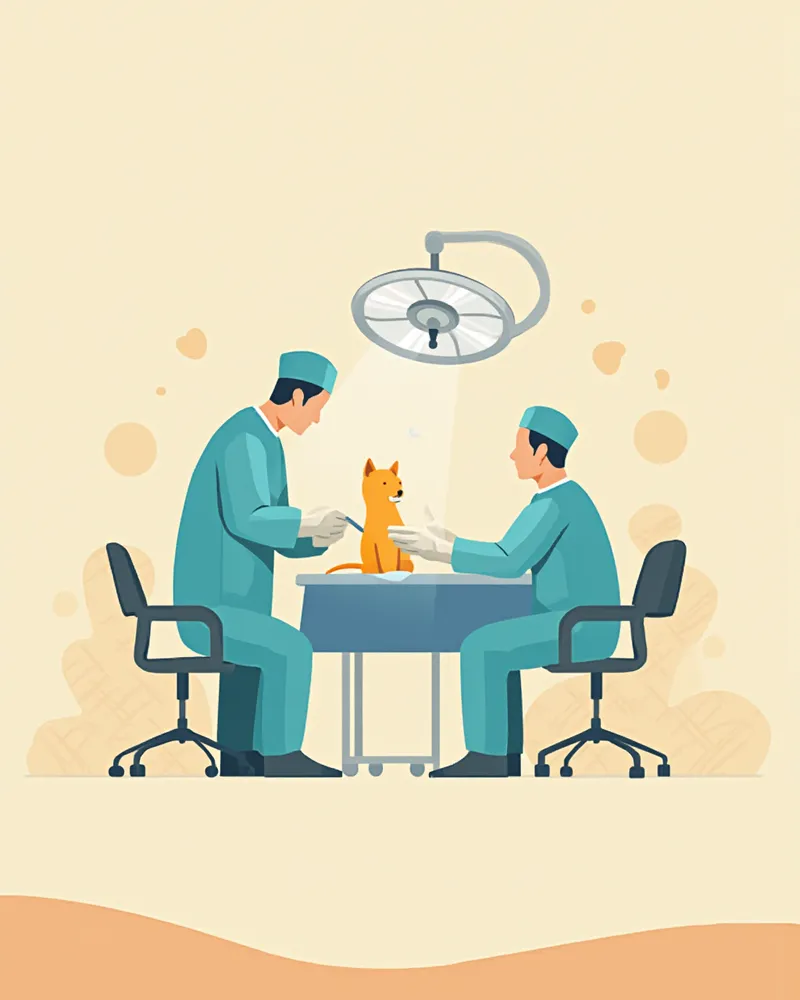
After general anesthesia, a midline incision is made along the lower abdomen, from the umbilicus toward the pubic bone, to gently exteriorize the bladder. The bladder is wrapped in moist gauze to protect surrounding organs from contamination, and a stay suture is placed at the bladder dome to stabilize it before making the incision. Although there is no significant difference in the frequency of urine leakage, adhesions, or stone recurrence regardless of whether the dorsal or ventral surface is incised, the ventral surface is typically chosen because it provides better visibility and reduces the risk of injuring the ureteral orifice. All stones or foreign bodies are removed, and the urethral and ureteral openings are inspected to ensure they are clean. The incision is then closed using absorbable sutures, such as polydioxanone; non-absorbable sutures and staples are contraindicated and therefore not used.
A scene of small animal abdominal surgery being performed in an operating room.

Situations Requiring Caution During and Immediately After Surgery

While most surgeries are safe, extra caution is needed in the following situations: - Ureteral injury: When a stone is located near the entrance of the ureter - Urine leakage from the suture site: Rare, but may require additional surgery - Bleeding: Increased risk if the bladder wall is thickened - Hypothermia and anesthesia complications: Requires careful monitoring in senior dogs and small breeds Your veterinarian will assess these risk factors through preoperative exams and incorporate them into the surgical plan.

How to Manage Postoperative Recovery

Hospitalization typically lasts 1–3 days, after which care continues at home. Key care points are as follows: - Wear an e-collar: To prevent irritation of the incision site, for 10–14 days - Prescribed antibiotics and pain relievers: Administer on schedule and complete the full course - Increase water intake: Prescription diet and wet food are recommended - Limit walks: For the first week, only short walks for elimination - Monitor for hematuria: Light pink urine is normal for about 2–3 days Sutures are removed at the clinic 10–14 days post-surgery.
A puppy recovering at home while wearing a neck collar

Signs That Require Immediate Veterinary Attention After Surgery

If you notice any of the following symptoms, your pet needs to be re-examined immediately: - No urination at all for more than 24 hours after surgery - Bright red blood in the urine persisting for more than three days - Swelling, pus, or severe pain at the incision site - Fever above 39.5°C (103.1°F) or hypothermia below 38°C (100.4°F) - Vomiting or loss of appetite lasting more than two days If the condition progresses to a bladder rupture or suture failure, there is a risk of peritonitis, so please contact us immediately without delay.

How to Prevent Recurrence?

Bladder stones can recur even after surgery, making long-term follow-up care essential. Preventing recurrence is the cornerstone of long-term management. - Stone composition analysis: Test the removed stones to determine the appropriate dietary approach. - Prescription diets: Feed a diet tailored to the specific stone type, such as struvite or calcium oxalate. - Adequate hydration: Encourage water intake by offering wet food, using a water fountain, and placing multiple water bowls around the home. - Regular urinalysis: Check urine pH and crystals every 3–6 months. - Preventing urinary tract infections: Maintain cleanliness after elimination. For more details, please refer to our Bladder Stone Care Guide.
A puppy staying healthy while drinking purified water.

Reviewed by a veterinarian

Dr. Tony — Punnawat Phongkittirak

Dr. Tony — Punnawat Phongkittirak

Veterinarian

A veterinarian who majored in veterinary medicine at Khon Kaen University, Thailand, and completed the IVSA program at North Carolina State University in the United States. Drawing on clinical experience at animal hospitals, he works in the pet healthcare field and is dedicated to building a digital care environment that connects pet parents with veterinarians.

Frequently Asked Questions

How much does a cystotomy cost?
The cost varies significantly depending on the hospital, location, and number of stones, and includes pre-operative tests, hospitalization, and anesthesia fees, so it's best to get an accurate estimate from your vet before the surgery.
When can my pet start eating after surgery?
Once your pet has fully recovered from anesthesia and their gag reflex is back to normal, you can usually start offering small amounts of food in the evening of the surgery day or the following morning. Please follow your veterinarian's instructions.
Is the surgical procedure for cats the same as for dogs?
While the basic principles are the same, cats are more prone to urethral obstruction because their distal urethra is extremely narrow (approximately 0.4 mm in diameter). For this reason, it is important to evaluate the condition of the urethra during upper urinary tract surgery and incorporate those findings into the surgical plan.
Is it possible to perform bladder surgery using laparoscopy?
Some university hospitals and specialized centers offer minimally invasive laparoscopic-assisted cystotomy. This approach involves smaller incisions, leading to faster recovery, but it requires specialized equipment and surgical expertise.
When can my pet start going for walks after surgery?
Starting the day after surgery, short 5–10 minute bathroom walks are fine, but please restrict running, stairs, and swimming for at least two weeks. Gradually increase activity only after the sutures are removed and your veterinarian has given the go-ahead.

Share

Related Guides

References

[1] Fossum TW, Small Animal Surgery, 5th Edition - Chapter on Surgery of the Bladder and Urethra

[2] Tobias KM, Johnston SA, Veterinary Surgery: Small Animal, 2nd Edition - Cystotomy

[3] Slatter D, Textbook of Small Animal Surgery, 3rd Edition - Urinary Bladder

This information is based on veterinary literature and does not replace diagnosis or treatment. Please consult a veterinarian for specific health concerns.

Metapet Co., Ltd. | CEO: Park Sung-yong | Business Reg. No. 417-88-02562 | Seoul, South Korea | Customer Center

Cystotomy in Cats & Dogs: Prep to Recovery Explained | Meongsiljang