Like
Share
멍실장
강아지 방광결석 증상과 치료 과정

Symptoms and Treatment Process of Bladder Stones in Dogs

UrinaryQ&AMeongsiljang Veterinary Advisory Board

Bladder stones in dogs are a condition in which minerals in the urine harden and form stones in the bladder. Based on veterinary textbooks, we’ve summarized how to identify symptoms, treatment methods for different types of stones, post-surgery care, and ways to prevent recurrence.

What Are Bladder Stones in Dogs and Why Are They Dangerous?
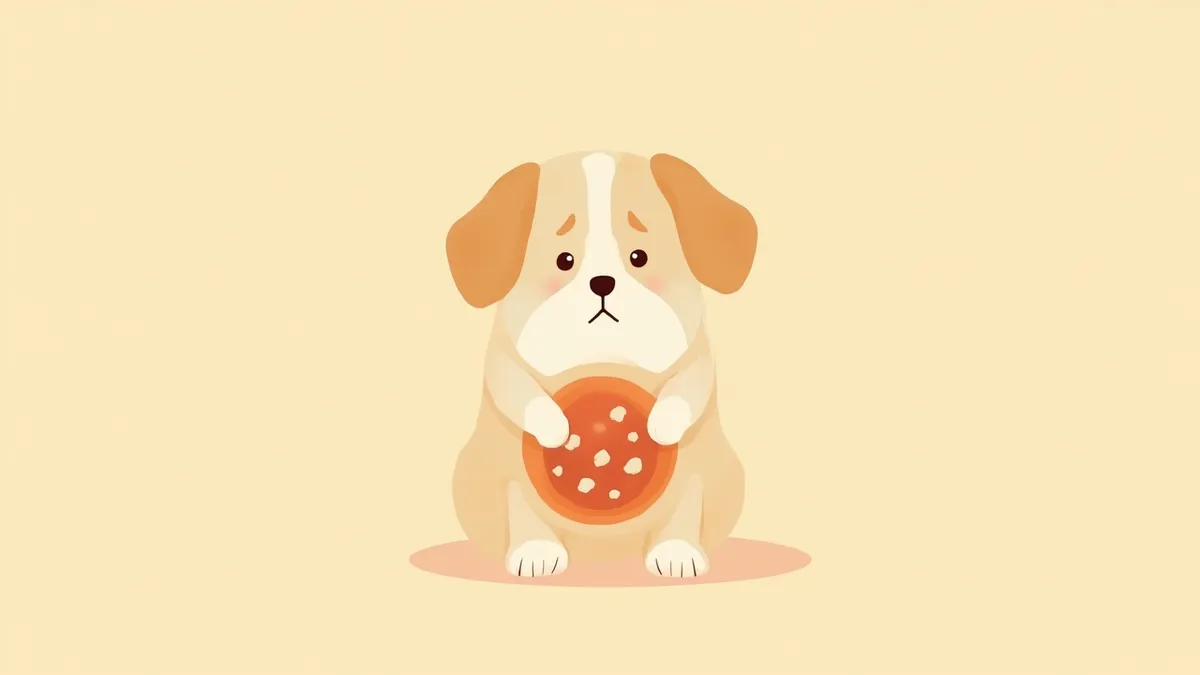
An illustration of a dog’s health with the bladder area highlighted
Bladder stones in dogs form when minerals in the urine clump together and harden into stone-like structures within the bladder. Common symptoms include blood in the urine, frequent urination, and straining during urination. Depending on the size and type of the stones, they can be removed surgically or dissolved with a special prescription diet. If left untreated, bladder stones can block the urethra, posing a life-threatening risk. Therefore, prompt veterinary care is essential if you notice any symptoms. According to veterinary internal medicine textbooks, treatment methods vary significantly depending on the type of stone, and the recurrence rate is relatively high. I’ll walk you through everything, from how to identify symptoms to the treatment process and post-surgical care.

Suspect Bladder Stones If You Notice These Symptoms

According to veterinary internal medicine textbooks, these are the classic signs of bladder stones in dogs.
Hematuria: The urine turns pink or red. This happens because the stones irritate the bladder wall, causing bleeding.
Pollakiuria: The dog tries to urinate small amounts frequently. You’ll notice a significant increase in bathroom trips.
Straining to Urinate: The dog strains or whimpers while trying to urinate. Even in a proper posture, little to no urine comes out.
Accidents in the House: A dog that was previously house-trained suddenly starts having accidents indoors.
Abdominal Discomfort: The dog may show signs of discomfort when its belly is touched, or it may adopt a hunched posture.

Treatment Varies Depending on the Type of Stone

Dog bladder stones are broadly categorized into four types based on their composition. Because treatment approaches vary by type, analyzing the stone’s composition is essential.
Stone TypeCharacteristicsTreatment Approach
StruviteVery common; associated with bacterial infections (urease-producing bacteria)Can be dissolved with antibiotics and a prescription diet
Calcium OxalateVery common; cannot be dissolved through dietRequires removal via surgery, hydropropulsion, or lithotripsy
UrateCommon in specific breeds such as DalmatiansManaged with medication and a prescription diet
CystineMore common in males; linked to androgen-dependent factorsManaged with a prescription diet and medication

How Are Bladder Stones Diagnosed?

If your vet suspects bladder stones, they’ll run a few tests to confirm.
Urinalysis: This checks for crystals, bacteria, and blood in the urine, providing the first clues to help estimate the type of stone.
X-ray: Most bladder stones are visible on X-rays, allowing your vet to quickly assess their size, number, and location.
Ultrasound: Stones that are too small or made of urate (which don’t show up well on X-rays) can be detected using ultrasound.
Stone composition analysis: After stones are removed via surgery or a procedure, they’re sent to a specialized lab for analysis. Knowing the exact composition is essential for choosing the right preventive diet to avoid recurrence.
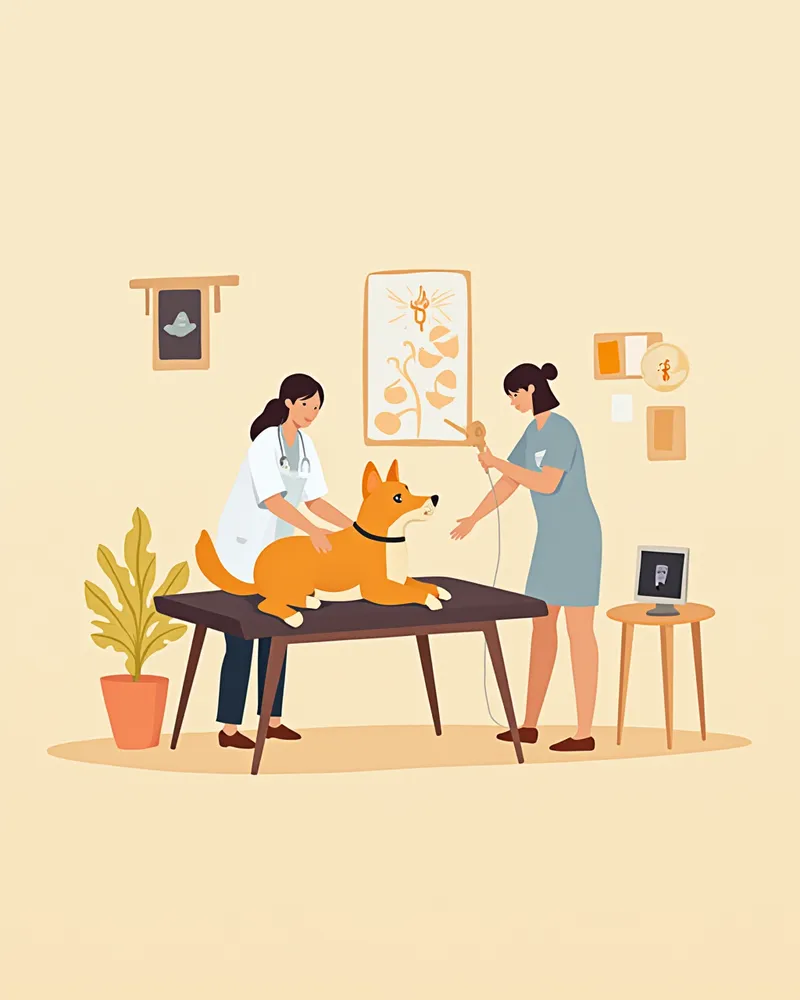
Illustration of a dog undergoing an ultrasound examination

Inability to Urinate at All Is an Emergency

When a stone completely blocks the urethra, no urine can pass at all. Male dogs are at higher risk of obstruction because their urethra is longer and narrower. If your dog assumes a urination posture but cannot produce even a drop, or if vomiting and lethargy are present, go to an emergency animal hospital immediately. Urethral obstruction can quickly lead to kidney damage and electrolyte imbalances, and if left untreated, it can be life-threatening.

Treatment Methods: Surgery and Dietary Therapy
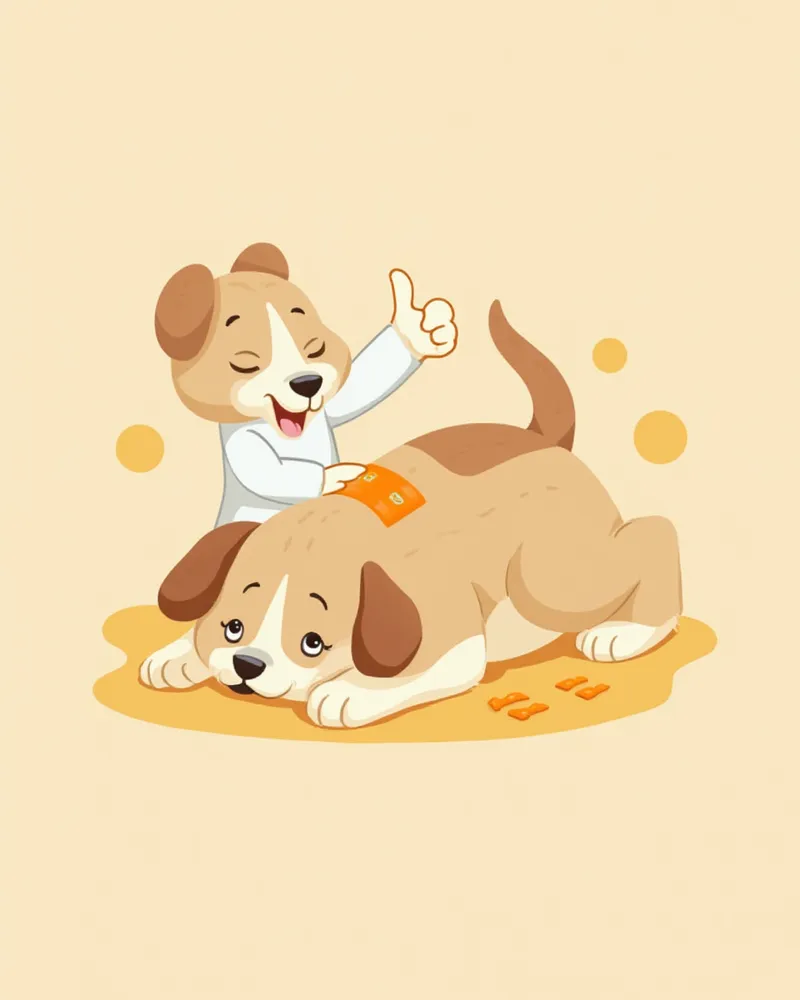
Bladder stone treatment varies depending on the type and size of the stones.
Cystotomy: This is the most definitive treatment. The veterinarian surgically opens the bladder to directly remove the stones. Stones that cannot be dissolved through diet, such as calcium oxalate stones, require surgical or procedural removal.
Dietary dissolution therapy: Struvite stones can be dissolved using a special prescription diet. If bacterial infection is the underlying cause, antibiotics are administered concurrently. The veterinarian determines the duration of treatment based on the size and condition of the stones.
Lithotripsy: This method involves breaking stones into smaller fragments using lasers or shock waves. According to veterinary textbooks, it is one of the alternative options for removing stones without surgery.
Hydropropulsion: Very small stones may be removed by flushing the bladder with saline solution to push the stones out along with urine.
Illustration of a puppy recovering after treatment

Post-Surgery Care: Key Points to Remember
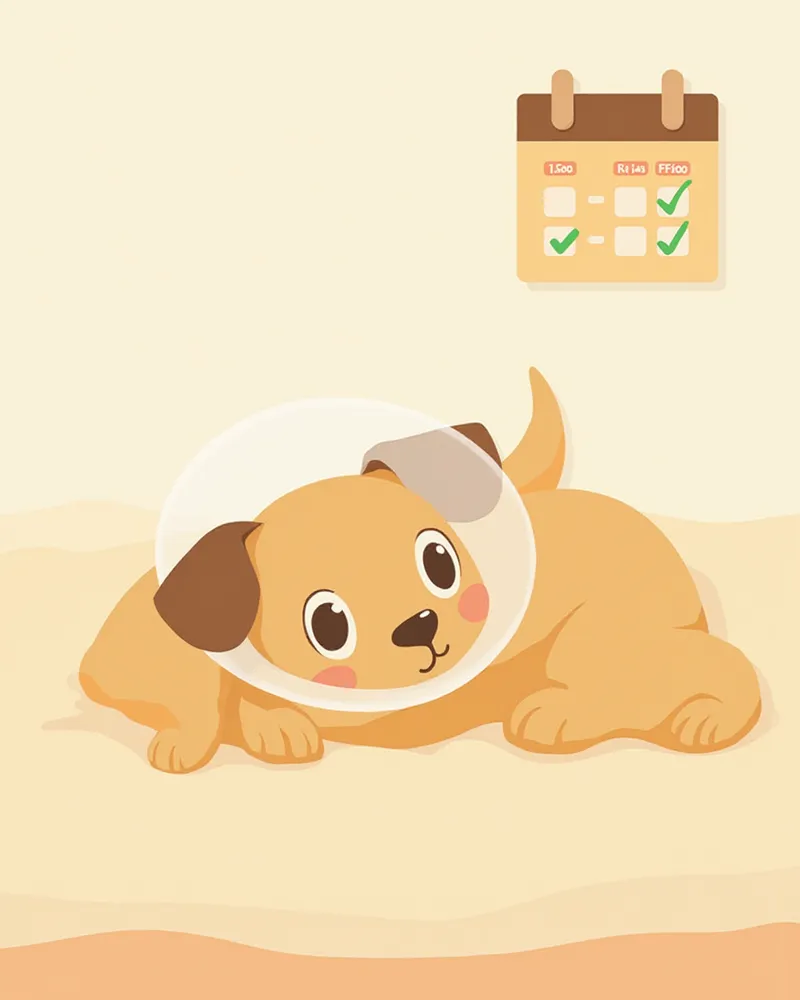
According to veterinary surgery textbooks, it’s normal for your pet’s urine to appear slightly pink or tinged with blood immediately after a cystotomy. This is a typical postoperative response. In the days following surgery, your pet may urinate more frequently or show mild discomfort during urination. However, gradual improvement each day is expected.
Surgical site care: Keep the e-collar on at all times to prevent your pet from licking or scratching the incision site.
Activity restriction: Limit strenuous exercise and jumping for the duration specified by your veterinarian.
Follow-up appointments: Attend scheduled recheck visits to monitor healing progress and check for any remaining bladder stones.
Illustration of a dog wearing a neck collar during recovery.

A Condition Prone to Recurrence: Prevention Is Key

According to veterinary internal medicine textbooks, bladder stones are prone to recurrence even after treatment, making post-treatment preventive care essential. Calcium oxalate stones, in particular, cannot be dissolved through diet and require removal; they may also recur despite appropriate dietary management, so consistent care is key. Stones form when urine becomes supersaturated with minerals, so preventing recurrence involves keeping urine dilute and consistently feeding a prescription diet tailored to the specific type of stone.
Adequate hydration: Drinking plenty of water dilutes the urine, making it harder for minerals to clump together. Placing multiple water bowls around the house or incorporating wet food into the diet are effective strategies.
Maintain prescription diet: Consistently feed the urinary prescription diet recommended by your veterinarian. The composition of prescription diets varies depending on the type of stone.
Regular urine testing: Regular urine tests, as recommended by your veterinarian, can help detect stones early before they recur.
Infection management: Bacterial cystitis can cause struvite stones, so it is important to seek immediate treatment if symptoms of bladder inflammation appear.

Reviewed by a veterinarian

Dr. Tony — Punnawat Phongkittirak

Dr. Tony — Punnawat Phongkittirak

Veterinarian

A veterinarian who majored in veterinary medicine at Khon Kaen University, Thailand, and completed the IVSA program at North Carolina State University in the United States. Drawing on clinical experience at animal hospitals, he works in the pet healthcare field and is dedicated to building a digital care environment that connects pet parents with veterinarians.

Frequently Asked Questions

How much does bladder stone surgery for dogs cost?
The cost varies depending on the veterinary clinic, the size of the stone, and your dog’s condition. For an accurate estimate, it’s best to consult with your attending veterinarian. If you have pet insurance, also check whether the treatment is covered.
Can bladder stones pass on their own?
Struvite stones can be dissolved with prescription diet and antibiotic treatment. However, calcium oxalate stones cannot be dissolved through diet, so they must be removed via surgery, hydroextrusion (flushing them out with water pressure), or lithotripsy. Waiting for them to pass naturally can lead to worsening of the condition.
Which breeds are most prone to bladder stones?
Breed is one of the key predictors of bladder stone formation. Dalmatians, for example, are known to have a higher incidence of urate stones. Since susceptibility varies by breed, we recommend consulting your veterinarian to assess your dog’s individual risk and scheduling regular urinalyses.
Are there any foods that help prevent bladder stones?
The ingredients in prescription diets vary depending on the type of stone. Your veterinarian will recommend the most appropriate prescription diet based on the stone composition analysis. Following your vet’s prescription is far more effective than switching to regular pet food on your own.
How long after surgery will it take before my pet can return to normal activities?
Recovery time after a cystotomy varies depending on your dog’s overall condition, the size of the bladder stones, and the extent of the surgery. It’s normal for there to be a small amount of blood in the urine or some discomfort while urinating for a few days immediately after the procedure, but you should see gradual improvement each day. Please follow your veterinarian’s specific recovery instructions and keep all scheduled follow-up appointments.

Share

Related Guides

References

[1] The Veterinary Workbook of Small Animal Clinical Cases — Case 20: The Dog That Is Straining to Urinate

[2] Applied Veterinary Clinical Nutrition, 2nd Ed — Chapter 16: Crystal-Related Lower Urinary Tract Disease

[3] Small Animal Internal Medicine, 6th Ed — Chapter 44: Canine and Feline Urolithiasis

[4] Adams LG, Berent AC, Moore GE, Bagley DH. Use of laser lithotripsy for fragmentation of uroliths in dogs: 73 cases (2005–2006). JAVMA. 2008;232(11):1680–7.

This information is based on veterinary literature and does not replace diagnosis or treatment. Please consult a veterinarian for specific health concerns.

Metapet Co., Ltd. | CEO: Park Sung-yong | Business Reg. No. 417-88-02562 | Seoul, South Korea | Customer Center

Bladder Stones in Dogs: Symptoms and Treatment | Meongsiljang