
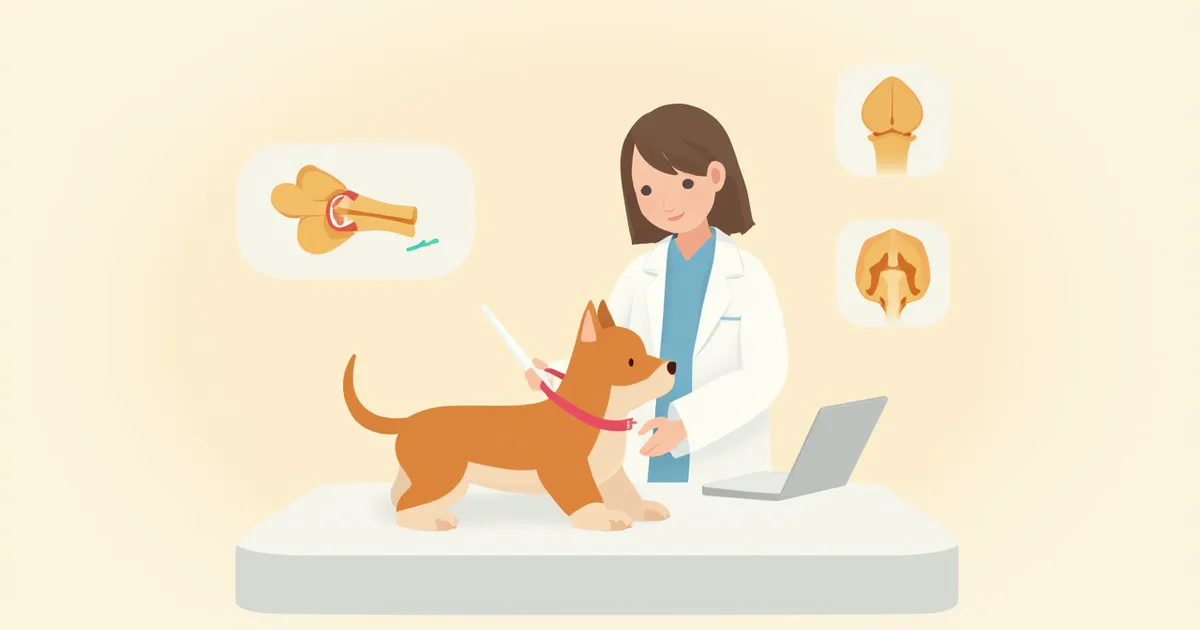
Dog Patellar Surgery: What Are the Options? — Differences Between TTT and Trochleoplasty
Surgical treatment for patellar luxation in dogs typically combines several techniques, primarily trochleoplasty and tibial tuberosity transposition (TTT). The most appropriate surgical approach depends on the grade of luxation and the extent of bone deformity.
Types of Patellar Surgery at a Glance
Why Are There Multiple Types of Surgery?
Comparison of Major Patellar Surgery Types
| Item | Trochleoplasty (Trochlear Groove Deepening) | Tibial Tuberosity Transposition (TTT) | Soft Tissue Reconstruction |
|---|---|---|---|
| Purpose | Deepen the groove where the patella sits | Realign the position of the tibial tubercle | Adjust joint capsule and ligament tension |
| Bone Cutting Involved | Yes (cartilage preserved) | Yes (tubercle relocated) | No |
| When Typically Needed | When the trochlear groove is shallow | When the tibial tubercle is misaligned | When the joint capsule is stretched |
| Performed Alone | Usually combined | Usually combined | Performed as an adjunct |
In actual surgery, 2–3 techniques are often used together.
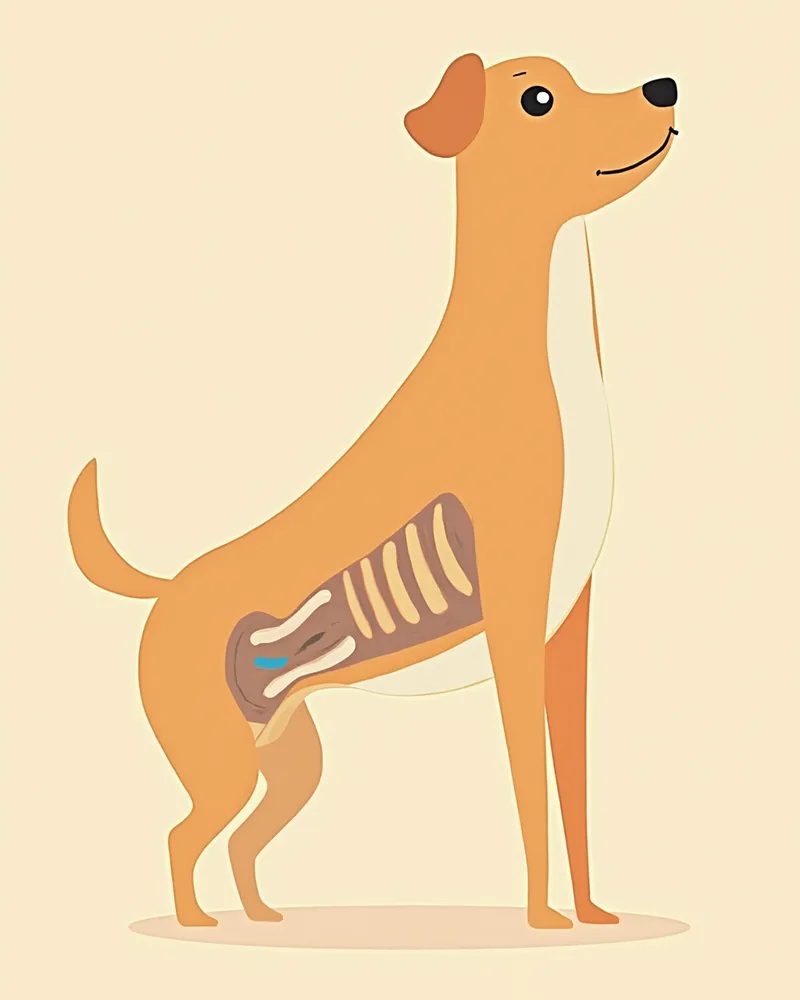
Trochleoplasty
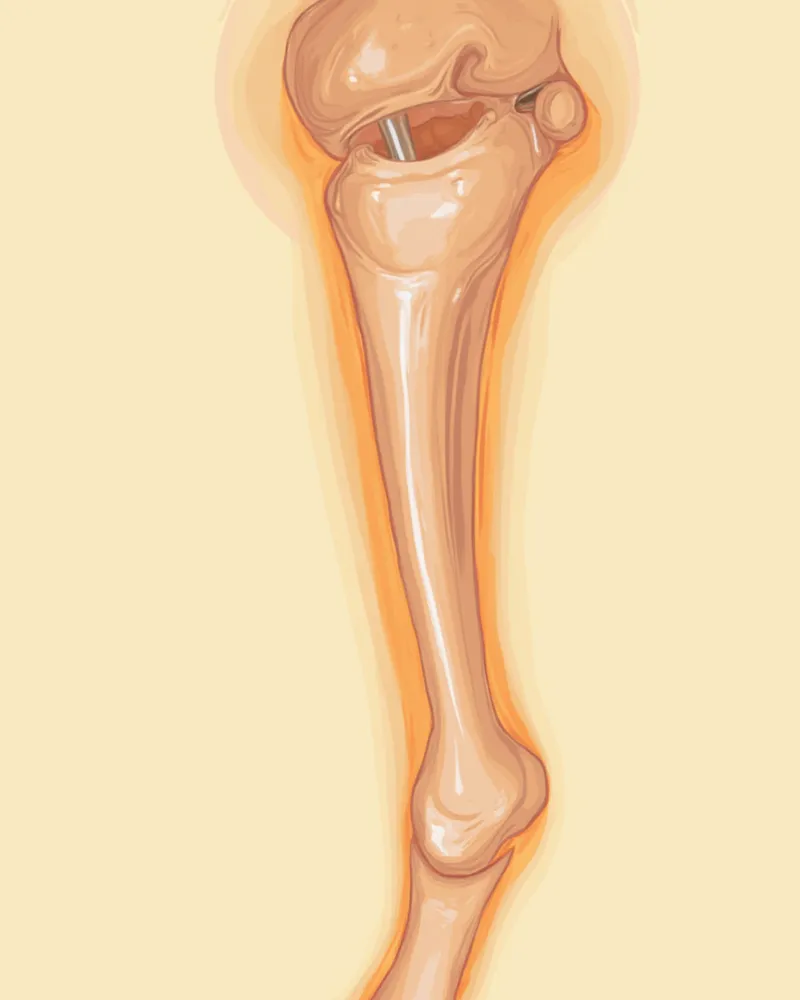
Tibial Tuberosity Transposition (TTT)
Leave the Choice of Surgery to Your Veterinarian
It’s difficult for pet owners to decide in advance, “Please perform this specific surgery.” The surgical plan is determined by measuring the bone angle, the depth of the trochlear groove, and the position of the tibial tuberosity on X-rays and CT scans, so the plan may be adjusted slightly even during the procedure. The most important step is to receive a precise diagnosis from a veterinarian with extensive orthopedic experience and to get a thorough explanation of the anticipated surgical approach and potential risks.
How Does Post-Surgical Recovery Progress?
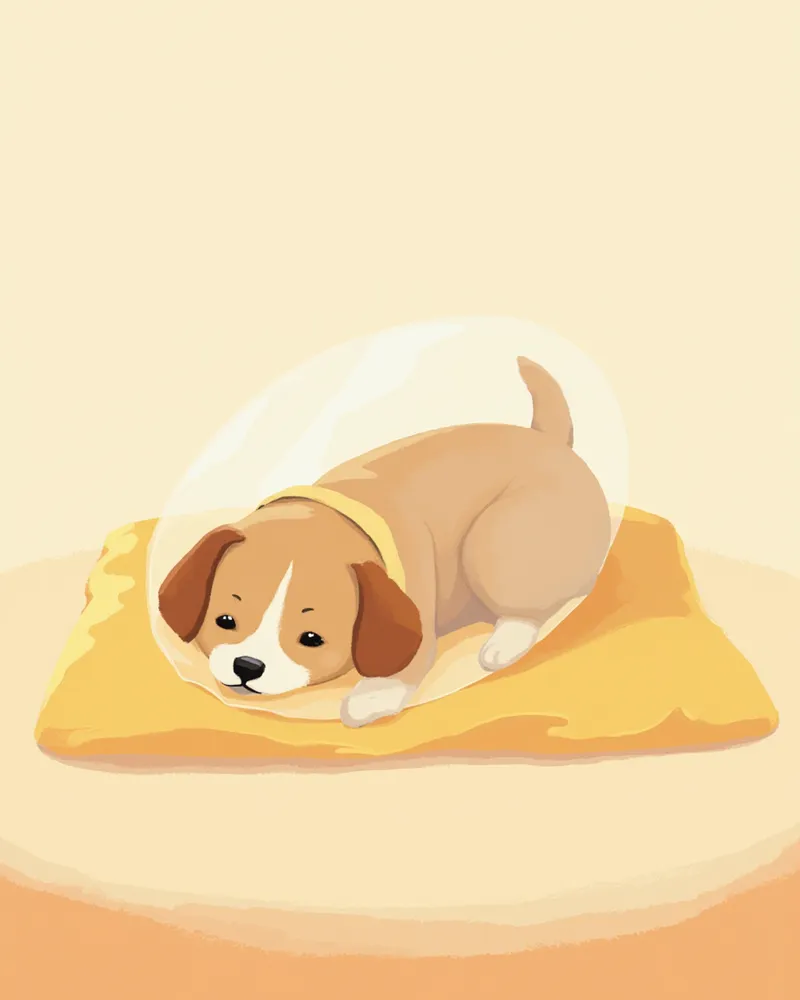
Key Points to Remember for Preventing Recurrence
Even after patellar surgery, the risk of recurrence is never completely zero. According to veterinary surgical textbooks, patellar luxation can be bilateral, meaning that after one side is operated on, the other side may also develop luxation. Weight management, maintaining muscle mass, and providing a non-slip floor environment are lifelong care priorities. For small-breed dogs, excess weight can place additional stress on the joints, making regular weight monitoring essential.
Reviewed by a veterinarian

Dr. Tony — Punnawat Phongkittirak
VeterinarianA veterinarian who majored in veterinary medicine at Khon Kaen University, Thailand, and completed the IVSA program at North Carolina State University in the United States. Drawing on clinical experience at animal hospitals, he works in the pet healthcare field and is dedicated to building a digital care environment that connects pet parents with veterinarians.
Reviewed 2026-04-26
Frequently Asked Questions
Can pulley groove plasty be performed as a standalone procedure?
Do the pins used in TTT need to be removed later?
Is it safe to have surgery on both knees at the same time?
When can my pet start going for walks after surgery?
Is it possible to manage the condition with medication instead of surgery?
Share
Related Guides
Top 5 Patellar Support Braces for Dogs — Stage-by-Stage Size Guide
Curcumin Efficacy and Anti-inflammatory/Joint Support

Top 5 Recommended Joint Supplements for Dogs in 2026
When is the best time to spay after giving birth?

When to Start Weaning Puppies and Kittens

Meaning of Dog Gaze and Icon-tact
Meaning and Behavioral Signals of the Play Bow

What Is My Cat Feeling Right Now? — Reading Emotional Signals Through Ear Position
What Does a Cat’s Purr Mean? — Meanings and Types by Situation
How to Objectively Assess Your Pet’s Condition Using Quality of Life (QoL) Scales for Dogs and Cats
References
[1] Textbook of Veterinary Orthopaedic Surgery, Chapter 11: Stifle Joint Disorders
[2] Clinical Medicine of the Dog and Cat, 4th Ed, Patellar Luxation Pathophysiology
[3] 100 Top Consultations in Small Animal General Practice, Patellar Luxation