Like
Share
멍실장
고양이 호르몬 반응성 종양(프로게스테론) 자주 묻는 질문 Q&A — 보호자가 꼭 알아야 할 핵심

What are feline hormone-responsive tumors? — Causes and treatment

Oncology/CancerQ&AMeongsiljang Veterinary Advisory Board

Feline hormone-responsive tumors (progesterone) are malignant growths driven by sex hormones, most commonly arising in the ovaries or uterus, making early detection crucial. Here’s a summary of the key information every pet owner should know.

What are feline hormone-responsive tumors (progesterone)?
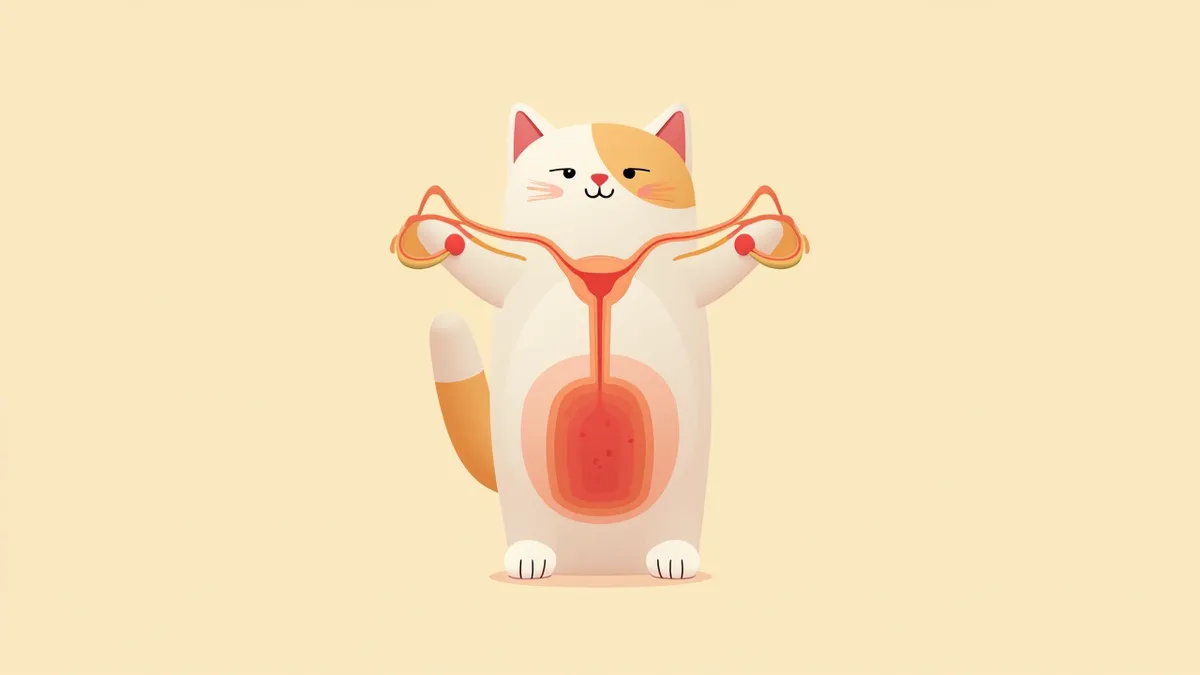
Visualizing hormone-responsive tumors located in the ovaries and uterus of cats
Feline hormone-responsive tumors (progesterone) are lesions in which cells proliferate in response to stimulation by the sex hormone progesterone. The most well-known form is benign fibroadenomatous hyperplasia of the mammary glands, which tends to regress once hormonal stimulation ceases. Hormone dependence: The lesion cells are hypersensitive to natural progesterone or synthetic progestins, which promotes their proliferation. Site of occurrence: These lesions are primarily reported in mammary tissue; although adenocarcinomas of the uterus are rare, they may possess progesterone receptors. Growth characteristics: Most cases follow a benign course, but differential diagnosis from malignant tumors is occasionally necessary. Diagnostic criteria: Lesions are identified via ultrasound, and their precise nature is determined through histopathological examination. Prognostic factors: The prognosis is generally favorable when hormonal stimulation is eliminated through spaying. This is important information for pet owners.

Why do these tumors develop in cats?

This type of lesion tends to develop when progesterone levels are elevated or when hormonal stimulation persists over a long period. Repeated estrous cycles, pregnancy, or administration of synthetic progestins can stimulate mammary cells, leading to cellular proliferation. Hormonal excess: The risk increases when prolonged progesterone stimulation occurs due to repeated estrous cycles, pregnancy, or progestin medication. Commonly affected animals: This condition is relatively frequently reported in young, intact female cats experiencing repeated estrus or in pregnant cats. Hormonal exposure: Both natural progesterone and synthetic progestin preparations can contribute to the development of this condition. Environmental factors: Without regulation of the reproductive cycle, cats are more likely to be repeatedly exposed to hormonal stimulation. Preventability: Spaying eliminates hormonal stimulation and significantly reduces the risk of occurrence, making it a crucial preventive strategy for pet owners.
Visualizing the rise in progesterone levels in cats during estrus

What are the main symptoms?

Hormone-responsive tumors (progesterone) in cats can cause the following changes:
Mammary gland enlargement: The most noticeable sign is the obvious swelling of one or more mammary glands.
Changes in the affected area: The enlarged tissue may feel firm or change in shape.
Decreased appetite: Your cat may eat less as their overall condition declines.
Lethargy: They may show reduced energy and reluctance to move.
Weight loss: Reduced food intake can lead to weight loss.
If these symptoms persist, please visit a veterinary clinic immediately for an accurate diagnosis.
Visualizing feline symptoms caused by hormone-responsive tumors

Signs requiring immediate veterinary visit

If a mammary mass or lesion suddenly enlarges, or if your pet loses its appetite and shows lethargy for more than two days, seek veterinary care immediately. These signs may indicate rapid disease progression or the development of complications. The sooner a veterinarian can begin diagnosis and treatment, the better the prognosis and survival rate.

How is the diagnosis made?
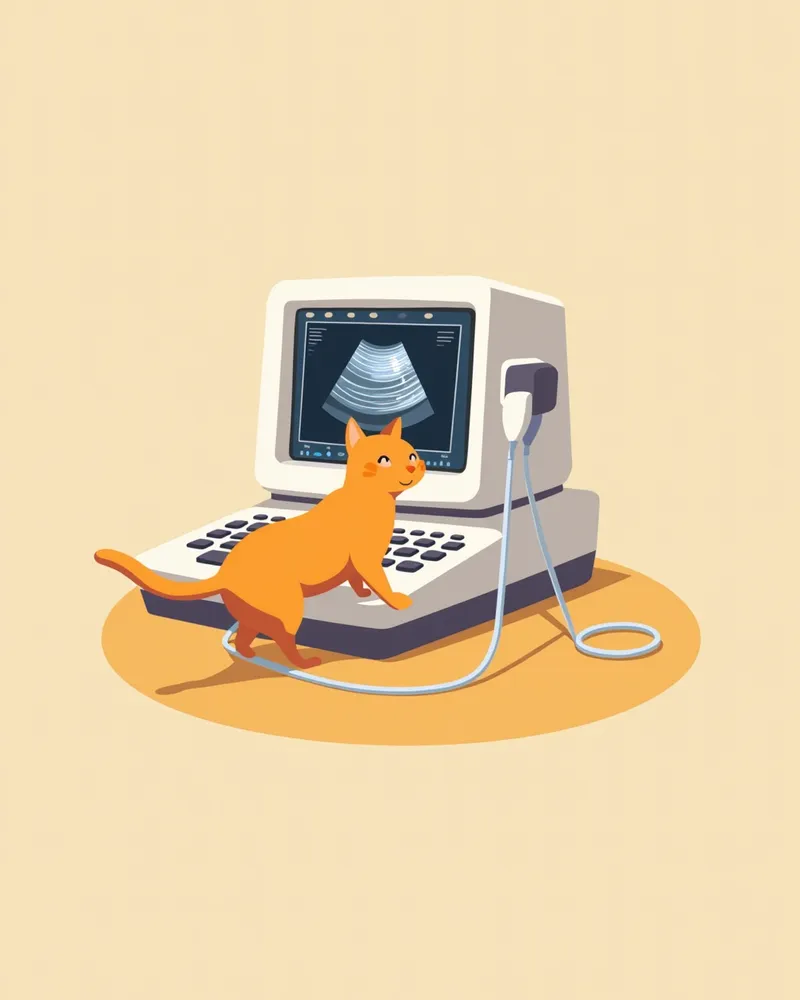
Accurately diagnosing hormone-responsive tumors in cats requires a combination of several tests. Ultrasound and palpation: These are essential tools for assessing the size and structure of lesions in the mammary glands or abdominal cavity. Blood tests: Measuring progesterone levels helps determine whether the cat is experiencing high hormonal stimulation. Pathological examination: A biopsy, which involves collecting and analyzing tissue samples, is the most definitive method for confirming the nature of the tumor. Integration of clinical signs: Diagnosis is made by comprehensively evaluating symptoms such as lesion enlargement alongside test results. Combining multiple tests: Diagnostic accuracy improves significantly when two or more tests are used together rather than relying on a single test. This approach is essential for early detection and informed treatment decisions.
Ultrasound images for diagnosing uterine tumors in cats

What are the treatment options?

Surgery to eliminate hormonal stimulation is the most effective treatment. Ovariohysterectomy (spaying): Removing the ovaries and uterus to eliminate the source of progesterone stimulation is recommended as the primary treatment. Medical therapy: If surgery is not feasible, medications such as aglepristone or cabergoline may be used to reduce hormonal effects, though these are typically used off-label. Post-operative care: Pain management, activity restriction, and wound care are essential. Removal of hormonal stimulation: Removing the ovaries eliminates progesterone stimulation, allowing lesions to subside and reducing the risk of recurrence. Prognosis: Early detection and blocking of hormonal stimulation generally lead to a favorable outcome. However, if malignancy is confirmed, additional treatment may be necessary.
Scene of a cat undergoing an ovariohysterectomy surgery

Post-operative care points

Post-operative care is very important.
Pain management: Since there may be pain after surgery, administer painkillers regularly.
Activity restriction: Minimize activity and ensure plenty of rest for one week.
Wound care: Keep the wound area clean and closely monitor for signs of infection.
Dietary adjustment: Switch to soft food and offer small, frequent meals.
Medication compliance: Be sure to give all medications as directed by your veterinarian.
When these care steps are followed properly, recovery will be faster.
Post-surgery recovery care for cats

Comparison table of treatment methods

ItemSurgeryHormone TherapyObservation
EffectivenessVery highModerateLow
Recurrence riskVery lowHighVery high
CostHighModerateLow
Recovery period1–2 weeks4–6 weeksOngoing observation needed

Surgery is the most effective and has a low risk of recurrence. Hormone therapy has a low cost but a high likelihood of recurrence.

Reviewed by a veterinarian

Dr. Tony — Punnawat Phongkittirak

Dr. Tony — Punnawat Phongkittirak

Veterinarian

A veterinarian who majored in veterinary medicine at Khon Kaen University, Thailand, and completed the IVSA program at North Carolina State University in the United States. Drawing on clinical experience at animal hospitals, he works in the pet healthcare field and is dedicated to building a digital care environment that connects pet parents with veterinarians.

Frequently asked questions

Are hormone-responsive tumors in cats hereditary?
The genetic predisposition has not been clearly established. This lesion is known to arise from an hypersensitivity to hormonal stimulation, such as that from progesterone. Rather than family history, repeated exposure to hormones in intact (non-neutered) animals is considered a more significant contributing factor.
Can hormone therapy alone be used without surgery?
While medications like aglepristone or cabergoline can be used for management, they are mostly off-label and carry a risk of recurrence. Spaying, which removes the source of hormonal stimulation, is recommended as the safest and most effective treatment. It’s best to discuss this with your veterinarian before making a decision.
Can senior cats undergo surgery?
Senior cats can also undergo surgery. Before administering general anesthesia, we evaluate heart, liver, and kidney function and check for any concurrent conditions such as heart failure or severe kidney disease to ensure safety. If their condition is stable, most senior cats recover well after surgery.
Can it come back after surgery?
Removing the ovaries and uterus completely eliminates the source of progesterone stimulation, so recurrence is rare. However, if the condition is confirmed to be malignant, additional monitoring is necessary, so regular check-ups for early detection are recommended.
Is there any way to prevent it?
The most effective prevention is spaying, which removes the ovaries and uterus. Once hormonal stimulation is eliminated, the risk of progesterone-responsive lesions drops significantly. It’s best to discuss the decision with your veterinarian.

Share

Related Guides

References

This information is based on veterinary literature and does not replace diagnosis or treatment. Please consult a veterinarian for specific health concerns.

Metapet Co., Ltd. | CEO: Park Sung-yong | Business Reg. No. 417-88-02562 | Seoul, South Korea | Customer Center

What Are Feline Hormone-Responsive Tumors? Causes & Treatment | Meongsiljang