Like
Share
멍실장
엔로플록사신(바이트릴) 광범위 항생제

Enrofloxacin (Baytril) Broad-Spectrum Antibiotic

ImmunityQ&AMeongsiljang Veterinary Advisory Board

Enrofloxacin (Baytril) is a broad-spectrum antibiotic used in dogs and cats. Here’s a comprehensive overview of its mechanism of action, indications, side effects, and precautions.

What is Enrofloxacin (Baytril)?

A veterinarian holding antibiotics prescribed for dogs and cats
Enrofloxacin is a fluoroquinolone antibiotic widely used in dogs and cats. The most important thing to remember is never to give leftover medication on your own judgment. More commonly known by the brand name Baytril, this drug treats infections by inhibiting bacterial DNA replication. It is frequently prescribed for urinary tract, skin, and respiratory infections, but special caution is required when administering it to cats and young animals.

How Does It Kill Bacteria?

Enrofloxacin works by inhibiting DNA gyrase, an enzyme essential for bacterial replication, thereby preventing bacteria from multiplying. Since this enzyme is absent in human and animal cells, the drug selectively targets bacteria with minimal impact on the host. Once administered, a portion of enrofloxacin is metabolized into ciprofloxacin, an active metabolite, allowing a single dose to provide broad-spectrum efficacy against Gram-negative bacteria and certain Gram-positive bacteria.

What Infections Is It Prescribed For?

Enrofloxacin is used to treat infections caused by a variety of bacteria, including Staphylococcus, Escherichia coli, and Pseudomonas aeruginosa. - Urinary tract infections: Conditions affecting the urinary system, such as cystitis and kidney infections - Skin and soft tissue infections: Pyoderma and wound infections - Respiratory infections: Pneumonia and bronchitis - Otitis externa: Used as an ear drop; fluoroquinolones are not ototoxic, so water-soluble (non-oily) formulations are considered relatively safe even if the eardrum is damaged - Prostatitis: Frequently chosen due to its excellent tissue penetration However, it has limited efficacy against anaerobic bacteria and Enterococcus.
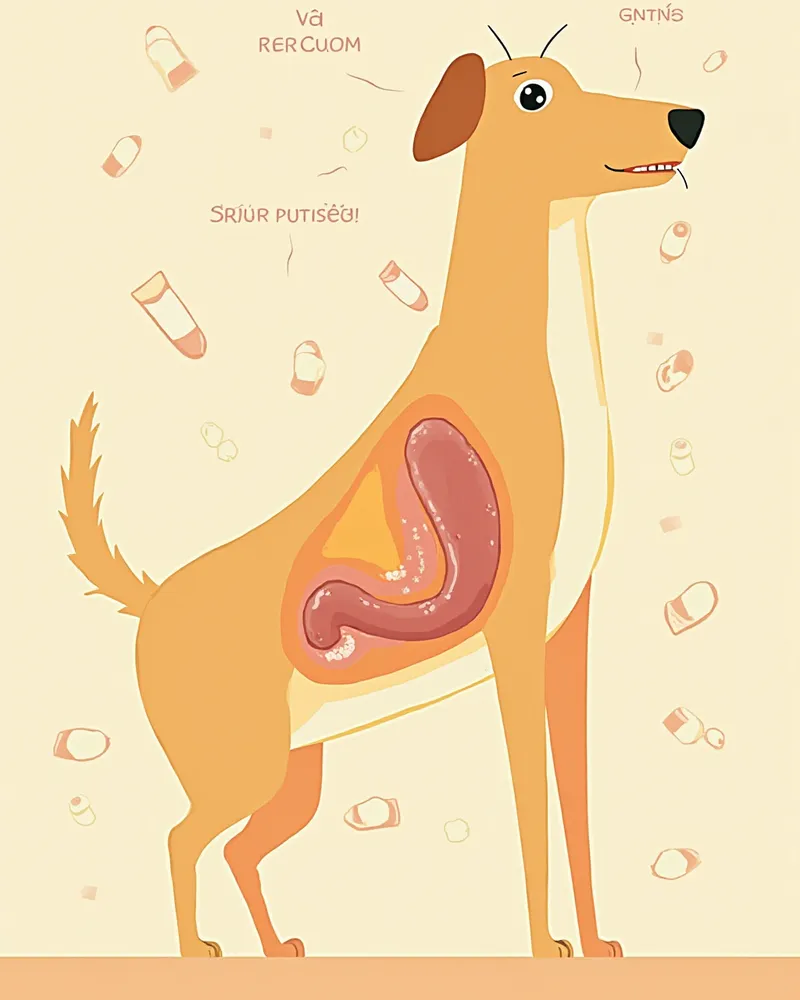
A medical illustration showing the body parts where enrofloxacin acts.

Comparison of Fluoroquinolone Antibiotics

ItemEnrofloxacinMarbofloxacinPradofloxacin
Brand nameBaytrilMarbocylVeraflox
Main targetDogs/CatsDogs/CatsDogs/Cats
Frequency of administrationOnce dailyOnce dailyOnce daily
Efficacy against anaerobic bacteriaWeakWeakStrong
Risk of blindness in catsPresent (high dose)LowLow

The actual choice is determined by the veterinarian based on the causative bacteria and susceptibility test results

Important Information for Cat Owners

Administering high doses of enrofloxacin to cats can cause blindness due to acute retinal degeneration. Veterinary internal medicine textbooks strictly advise adhering to the maximum recommended dosage for cats and prioritizing other fluoroquinolones, such as marbofloxacin or pradofloxacin. If your cat exhibits dilated pupils or bumps into walls during treatment, stop the medication immediately and contact your veterinarian.

Can It Be Used in Young Animals and Pregnant Dogs/Cats?

Using enrofloxacin in growing puppies and kittens can damage joint cartilage. According to veterinary pharmacology textbooks, this cartilage erosion is more likely to occur in young dogs or foals, especially when high doses are administered for more than 14 days during rapid growth periods. Therefore, it is generally recommended to avoid using enrofloxacin in young animals whose growth is not yet complete. Its safety has not been sufficiently confirmed for pregnant or nursing mothers, as it may affect fetal cartilage. Veterinarians will only prescribe it when alternative antibiotics are difficult to find and when the benefits clearly outweigh the risks.
A veterinarian observing young puppies and kittens.

Side Effects and Warning Signs

Enrofloxacin is generally considered safe, but you should stop administering it and contact your veterinarian if any of the following symptoms occur: - Gastrointestinal issues: Vomiting, diarrhea, or loss of appetite - Neurological symptoms: Convulsions or seizures — especially in pets with a history of epilepsy - Vision changes: Sudden blindness or dilated pupils in cats - Joint abnormalities: Limping or joint pain in young animals - Skin reactions: Rash or itching Please also create a stress-free environment for administration, as pets may bite their owners while trying to spit out the pill.

Do Not Use With These Medications and Foods

Enrofloxacin’s absorption is significantly reduced when taken with calcium-, iron-, or magnesium-rich dairy products or supplements. Administer it at least two hours apart from such items. Concurrent use with nonsteroidal anti-inflammatory drugs (NSAIDs) may increase the risk of seizures, so be sure to inform your veterinarian if your pet is taking theophylline or cyclosporine. Additionally, do not discontinue the medication prematurely, as this can lead to the development of resistant bacteria; please complete the full prescribed course.

How to Administer at Home
Enrofloxacin is most effective when given once daily at the same time each day. - On an empty stomach or with a light snack: Avoid dairy products and calcium supplements. - Plenty of water: Prevent dehydration, especially when treating kidney or urinary tract infections. - Finish the full course even if symptoms improve: Complete the minimum prescribed duration (usually 7–14 days). - Storage: Keep at room temperature, protected from light, and out of reach of children and other pets. Never save leftover medication for self-treatment of similar symptoms in the future. Different causative bacteria may lead to antibiotic resistance.
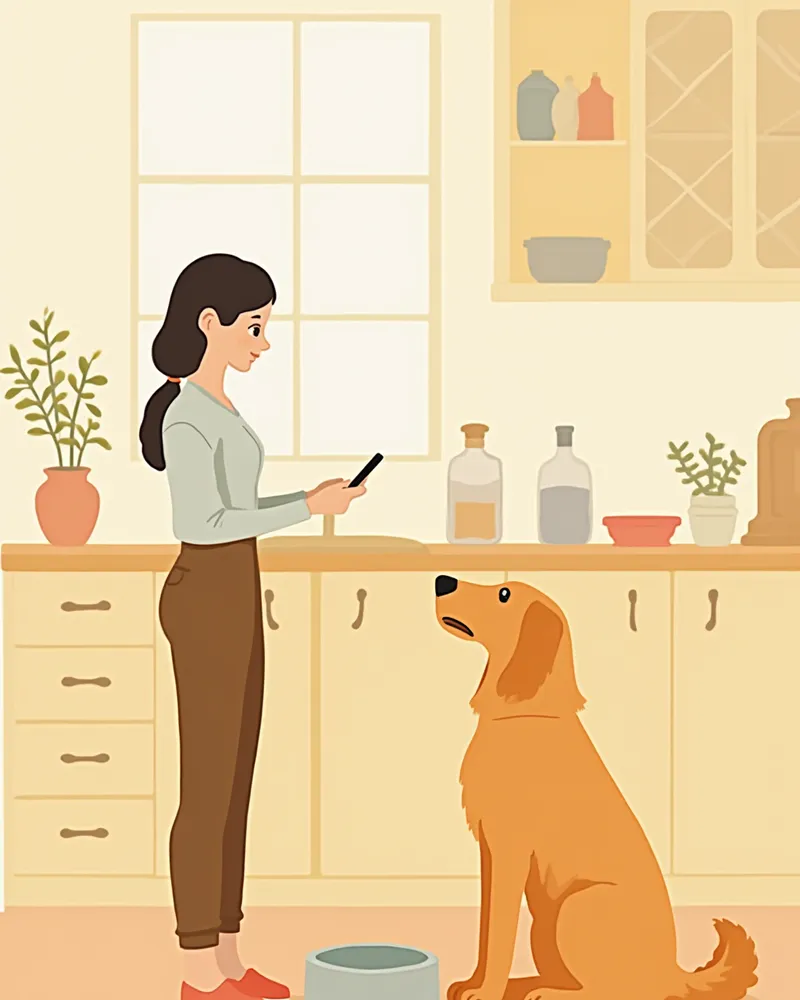
A pet owner administering antibiotics to their dog

Reviewed by a veterinarian

Dr. Tony — Punnawat Phongkittirak

Dr. Tony — Punnawat Phongkittirak

Veterinarian

A veterinarian who majored in veterinary medicine at Khon Kaen University, Thailand, and completed the IVSA program at North Carolina State University in the United States. Drawing on clinical experience at animal hospitals, he works in the pet healthcare field and is dedicated to building a digital care environment that connects pet parents with veterinarians.

Frequently Asked Questions

Is it safe to give my dog human ciprofloxacin?
Absolutely not. Differences in dosage and formulation can lead to overdose or inadequate therapeutic effect. You must obtain a prescription from a veterinarian.
How long does it take for Baytril to start working after administration?
Symptoms typically begin to improve within 24 to 72 hours after starting medication. If there’s no improvement after three days, consult your veterinarian about considering an antibiotic susceptibility test.
What should I do if my pet blinked once or twice?
Administer one dose as soon as you remember, but if it’s close to the next scheduled dose, skip the missed one and resume your regular schedule. Never give two doses at once.
Can I crush it into a powder and feed it to my pet?
Enrofloxacin tablets have a strong bitter taste that cats may reject. Try hiding the pill in a treat pocket or a pet-specific chewable, or ask your veterinarian for a more palatable formulation, such as a syrup or injectable.
Can I keep this on hand like an over-the-counter medicine for preventive use?
No, antibiotics should only be used when the specific bacteria causing the infection have been identified. Using them preventatively can promote antibiotic-resistant bacteria and eliminate beneficial microbes, ultimately weakening the immune system.

Share

Related Guides

References

[1] Plumb's Veterinary Drug Handbook, 10th Edition — Enrofloxacin

[2] Handbook of Veterinary Pharmacology — Fluoroquinolones Chapter

[3] The Cat, Clinical Medicine and Management, 2nd Edition — Fluoroquinolones in Feline Medicine

This information is based on veterinary literature and does not replace diagnosis or treatment. Please consult a veterinarian for specific health concerns.

Metapet Co., Ltd. | CEO: Park Sung-yong | Business Reg. No. 417-88-02562 | Seoul, South Korea | Customer Center

Enrofloxacin (Baytril): Broad-Spectrum Antibiotic for Pets | Meongsiljang