Like
Share
멍실장
임신·수유기 영양 관리, 뭘 더 먹여야 할까?

Pregnancy and Lactation Nutrition Management: What Should You Feed More?

ImmunityQ&AMeongsiljang Veterinary Advisory Board

Pregnant and nursing pets require 2 to 4 times more energy, calcium, and protein than usual. We’ve outlined the recommended feeding amounts and key nutrients for each stage.

What Is Pregnancy and Lactation Nutrition Management?
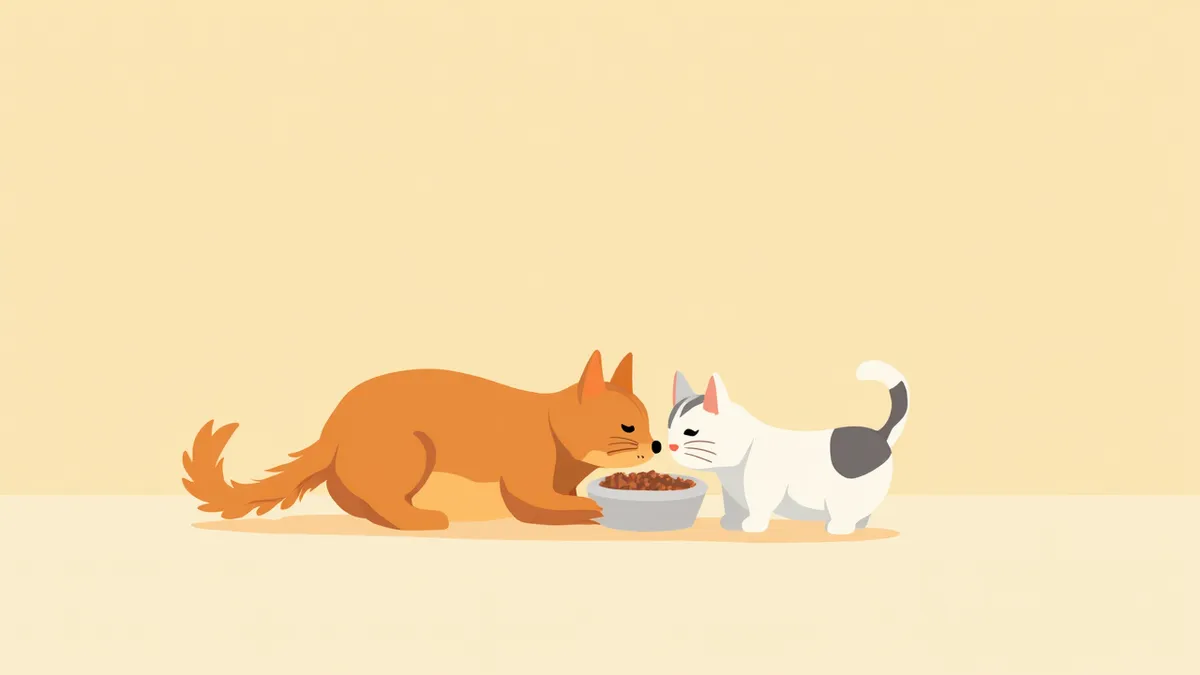
A pregnant or nursing pet eating its food
Pregnancy nutrition is a dietary management approach that significantly increases the supply of energy, protein, and calcium to support fetal growth and milk production during pregnancy and lactation. The most critical aspect is timing. For dogs (bitches), maintain their usual maintenance diet for the first 4 to 5 weeks after mating, then gradually increase energy intake thereafter. Since cats experience linear weight gain throughout pregnancy, it is appropriate to gradually increase energy intake from the early stages of gestation. Energy requirements rise sharply during the peak lactation period; improper management can lead to serious complications such as eclampsia and weight loss.

Why Feed More Than Usual?

In the later stages of pregnancy, the fetuses grow rapidly, and during lactation, significant energy is expended on milk production. The more kittens there are, the greater the mother's energy requirements, which increase proportionally. At the peak of lactation, energy needs rise substantially compared to the maintenance phase. Similarly, dogs experience a sharp increase in energy demands during the height of lactation. If food intake is insufficient during this period, the mother’s body weight can drop quickly, and milk production may decrease.

Guidelines for Increasing Feeding Amounts by Stage

ItemDogCat
Pregnancy Weeks 1–3Normal maintenance amountNormal maintenance amount
Pregnancy Weeks 4–6Maintenance × 1.25Maintenance × 1.25
Pregnancy Weeks 7–9Maintenance × 1.5Maintenance × 1.5
Lactation Weeks 1–2Maintenance × 2Maintenance × 2
Lactation Peak (Weeks 3–4)Maintenance × 3–4Maintenance × 2–3

Dogs should increase their energy intake from 4–5 weeks after mating, and cats from early pregnancy. Since there is large variation depending on the number of offspring and body weight, weigh weekly and adjust

Key Nutrients to Ensure
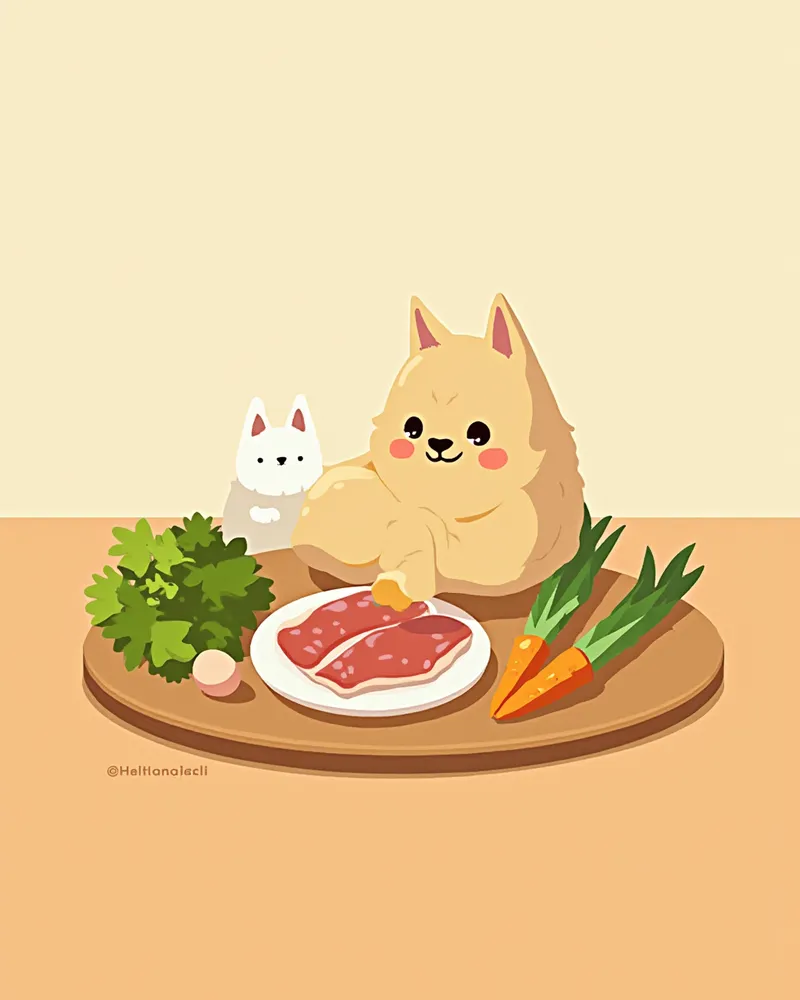
Nutritional needs change during pregnancy and lactation. Please keep the following key points in mind.
Protein: Protein requirements increase during pregnancy and lactation compared to the maintenance stage, so it is important to provide adequate protein through a diet formulated specifically for reproduction or for all life stages.
Calcium: An appropriate amount of calcium must be included to prevent eclampsia (hypocalcemic tetany) during lactation.
DHA and EPA: Fatty acid requirements rise during reproduction and lactation, playing a vital role in fetal development and maintaining the dam’s health.
Folic Acid: Folic acid requirements may increase during pregnancy, and it is safest to meet these needs with a balanced diet formulated for reproduction.
Iron and Zinc: Iron and zinc requirements increase during lactation, so be sure to verify that a reproduction-specific diet provides sufficient amounts.
High-nutrient ingredients essential during pregnancy and lactation

General Adult Dog and Cat Food May Be Insufficient

During pregnancy and lactation, be sure to switch to food specifically labeled for “All Life Stages” or “Growth & Reproduction.” Adult maintenance formulas have lower calorie and calcium levels, which can lead to nutritional deficiencies during nursing. Transition to the new food gradually over 7–10 days, starting as soon as pregnancy is confirmed, by slowly mixing it with the current diet.

Calcium Supplementation Requires Caution
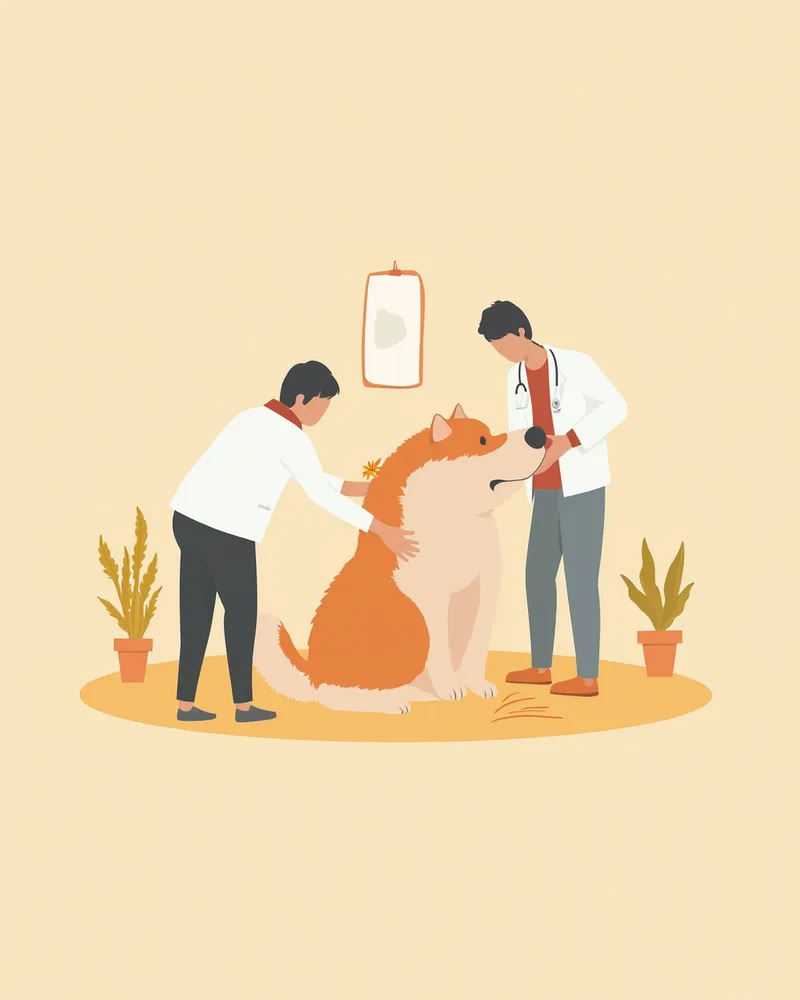
Calcium is a key nutrient for preventing eclampsia (hypocalcemic tetany) during lactation, but excessive calcium supplementation during pregnancy can actually be dangerous. Veterinary professionals clearly recommend avoiding calcium supplements while pregnant. Over-supplementation with calcium during pregnancy is known to increase the risk of developing eclampsia during lactation, so providing adequate calcium through a balanced breeding-stage diet is the safest approach. During pregnancy, a specialized breeding diet alone is sufficient; separate calcium supplements should only be started during lactation and after consulting with a veterinarian.
A veterinarian examining a pregnant dog.

Feeding Frequency and Method

In the later stages of pregnancy, the growing uterus presses against the stomach, making it difficult for your pet to eat large meals at once. It’s best to divide their daily food into 3–4 smaller meals. During lactation, switch to free-feeding so that food is always available. Nursing mothers need significantly more water than usual, so place multiple water bowls around the house and refresh the water frequently. If the mother skips meals or neglects her puppies, seek veterinary care immediately.

Seek Veterinary Care Immediately If You See These Signs

Puerperal eclampsia is life-threatening. If your dog shows symptoms such as tremors, muscle fasciculations, dilated pupils, ataxia, generalized rigidity (tetany), opisthotonos, or clonic-tonic seizures, seek veterinary care immediately. Also, if the mother refuses food for more than 24 hours, loses weight rapidly, or experiences a sudden drop in milk production, she needs to be seen by a vet right away.

Reviewed by a veterinarian

Dr. Tony — Punnawat Phongkittirak

Dr. Tony — Punnawat Phongkittirak

Veterinarian

A veterinarian who majored in veterinary medicine at Khon Kaen University, Thailand, and completed the IVSA program at North Carolina State University in the United States. Drawing on clinical experience at animal hospitals, he works in the pet healthcare field and is dedicated to building a digital care environment that connects pet parents with veterinarians.

Frequently Asked Questions

Should I increase the amount of food from the early stages of pregnancy?
This advice doesn’t apply to dogs. For dogs, it’s best to maintain their normal daily food intake for the first 4–5 weeks after breeding, then gradually increase it. Cats, on the other hand, gain weight steadily throughout pregnancy, so it’s appropriate to slightly increase their energy intake from early pregnancy onward. Overfeeding dogs from the start can lead to obesity and increase the risk of dystocia.
Can I give my pet extra meat or milk that humans eat?
I don't recommend it. An imbalanced diet can disrupt the calcium-to-phosphorus ratio. If additional protein is needed, it's safer to increase the portion size of a breeding-specific diet.
How long is the gestation period for dogs and cats?
Puppies have a gestation period of approximately 63 days (58–68 days), while kittens carry their litters for about 63–67 days. Because there can be variations depending on breed and individual differences, an ultrasound examination is recommended to confirm the exact due date.
Do I need to give my pet separate nutritional supplements?
If you’re feeding a high-quality diet formulated specifically for breeding, additional supplements are usually unnecessary. However, if the mother is carrying a large litter or is underweight, consult your veterinarian about adding supplements such as DHA and folic acid.
When should I return to my pet’s regular food after weaning is complete?
After weaning is complete and the puppies or kittens have fully separated from their mother, gradually transition them to adult dog or cat food over a period of about one to two weeks. Sudden changes in diet can lead to issues such as mastitis in the mother or digestive problems in the young animals.

Share

Related Guides

References

[1] National Research Council, Nutrient Requirements of Dogs and Cats, Ch.15

[2] Dobenecker B. et al., Milk yield and milk composition of lactating queens, J. Anim. Physiol. Anim. Nutr., 1998

This information is based on veterinary literature and does not replace diagnosis or treatment. Please consult a veterinarian for specific health concerns.

Metapet Co., Ltd. | CEO: Park Sung-yong | Business Reg. No. 417-88-02562 | Seoul, South Korea | Customer Center

Pregnancy & Lactation Nutrition: What to Feed More | Meongsiljang