
Like
Share
멍실장
PCR검사로 알 수 있는 감염병 종류, 어디까지 진단할 수 있나요?

What infectious diseases can be detected by PCR testing? — Scope and limitations

ImmunityQ&AMeongsiljang Veterinary Advisory Board

We’ve put together a clear, easy-to-understand overview of how PCR testing works, the main infectious diseases it can diagnose, and how it differs from routine tests. You’ll also find guidance on when this test is truly necessary, along with details on cost and turnaround time.

What is PCR testing? Start with a one-line definition

An illustration of a dog and a cat having samples collected for PCR testing.
PCR testing is a molecular diagnostic method that precisely confirms infection by amplifying the genetic material (DNA/RNA) of pathogens such as viruses, bacteria, and fungi in the lab. What really matters is that it can detect early or latent infections that routine blood tests might miss. If your pet’s condition is worsening despite vague symptoms or negative results from other tests, consider discussing PCR testing with your veterinarian.

How does PCR testing detect infection?

PCR stands for Polymerase Chain Reaction. This method repeatedly copies (amplifies) even tiny amounts of pathogen genetic material until it reaches detectable levels. According to veterinary parasitology textbooks, each amplification cycle doubles the target genetic material, so after dozens of cycles, even minute quantities of pathogens can be detected. As a result, PCR offers faster results than culture-based tests and maintains high sensitivity even in the early stages of infection.

Routine tests vs. PCR testing: What’s the difference?

Let’s take a quick look at the most common tests used to diagnose infectious diseases in dogs and cats. Each test has its own strengths and limitations, so veterinarians often combine them depending on the situation.

Comparison of infectious disease diagnostic tests

ItemPCR TestAntigen/Antibody KitCulture Test
What it detectsPathogen genetic material (DNA/RNA)Antigen or immune responseGrowth of live pathogens
Time to result1–3 days10–15 minutes3–14 days
Sensitivity to early infectionVery highLow to moderateModerate
Detection of latent/carrier statusPossibleDifficultDifficult
Cost levelHighLowModerate

Actual cost and turnaround time may vary depending on the animal hospital or laboratory.

Major infectious diseases detectable by PCR in dogs and cats

PCR testing can detect a wide range of infectious diseases.
Viral: Parvovirus, distemper, coronavirus, feline leukemia virus (FeLV), feline immunodeficiency virus (FIV), and viruses associated with feline infectious peritonitis (FIP)
Bacterial: Mycoplasma, Leptospira, Borrelia (the causative agent of Lyme disease), Bartonella
Fungal/Parasitic: Dermatophytes, Giardia, Trichomonas
Even for bacteria like Mycoplasma, which lack cell walls and are difficult to culture on standard media, PCR allows us to reliably identify pathogens at the genetic level.
An illustration featuring virus, bacteria, and fungus icons surrounding a dog and a cat.

Important precautions for PCR testing

A positive result doesn’t necessarily mean your cat is currently sick. Even the textbook on feline emergency and critical care medicine explains that a positive Mycoplasma PCR test may indicate carrier status rather than an active infection. Conversely, a negative result could be a false negative depending on where and when the sample was collected. Always interpret these results together with your veterinarian’s clinical assessment.

How does the testing procedure work?
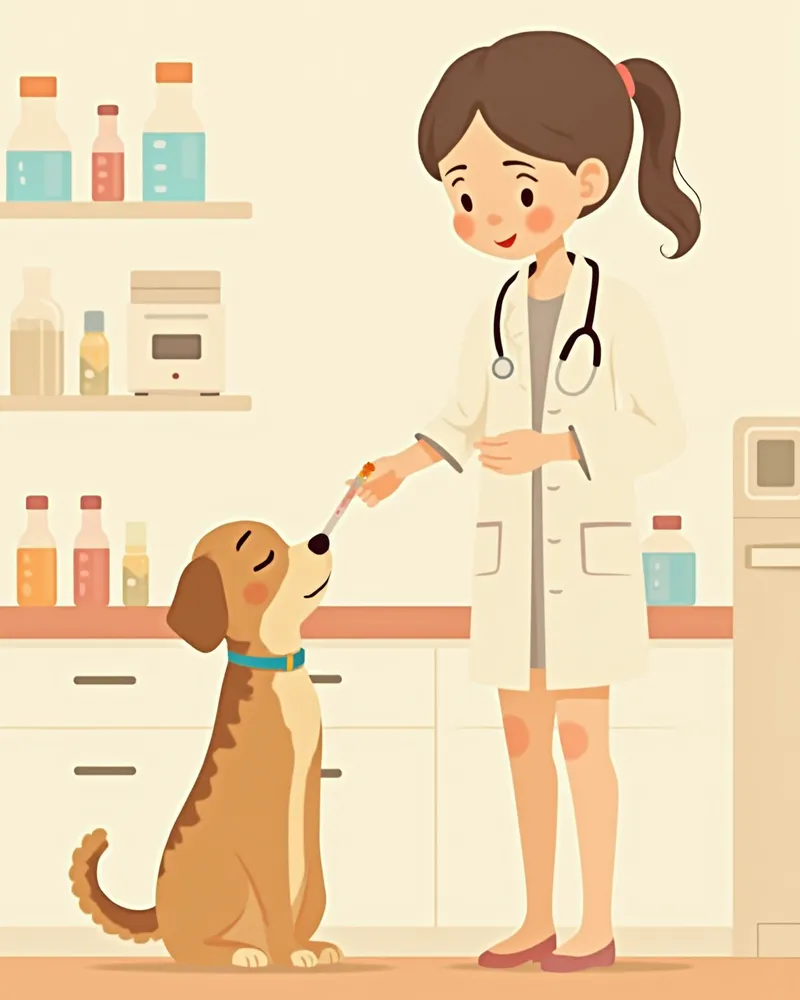
PCR testing generally proceeds in four main steps.
Step 1 — Sample Collection: The type of sample depends on the suspected area and may include blood, feces, skin or ear swabs, urine, or respiratory mucosa.
Step 2 — Genetic Extraction: Only the pathogen’s DNA or RNA is isolated from the sample.
Step 3 — Amplification: Specialized equipment repeatedly cycles through the process to multiply the genetic material.
Step 4 — Result Analysis: The presence of specific pathogen genes is confirmed, and a report is issued.
In most cases, sample collection can be completed at the clinic within 10 to 20 minutes.
A veterinarian collecting a PCR test sample from a puppy.

When to consider PCR testing

Recurring cough or diarrhea: When symptoms do not respond to standard treatment
Infection spread in multi-cat or multi-dog households: When attempting to identify and isolate carrier animals
Pre-breeding or pre-adoption screening: To check for major infections such as FeLV, FIV, and parvovirus
Suspected fungal skin infection: When a faster confirmation than culture is needed
Suspected symptoms after tick or mosquito exposure: To confirm vector-borne infections such as Lyme disease and babesiosis
If you encounter any of these situations, discuss PCR panel options with your veterinarian. Many panels are available that can detect multiple pathogens simultaneously from a single sample.

Reviewed by a veterinarian

Dr. Tony — Punnawat Phongkittirak

Dr. Tony — Punnawat Phongkittirak

Veterinarian

A veterinarian who majored in veterinary medicine at Khon Kaen University, Thailand, and completed the IVSA program at North Carolina State University in the United States. Drawing on clinical experience at animal hospitals, he works in the pet healthcare field and is dedicated to building a digital care environment that connects pet parents with veterinarians.

Frequently asked questions

How accurate are PCR test results?
The test has very high sensitivity and specificity. However, results can vary depending on sample quality, timing of collection, and laboratory protocols, so they should be interpreted alongside clinical signs.
How much does a PCR test cost?
Costs vary significantly depending on the clinic and the number of tests performed. Panel tests that screen for multiple pathogens at once are often more cost-effective per test than single-item tests, so please discuss your options with your veterinarian.
Can I get a PCR test right after vaccination?
Right after receiving a live (attenuated) vaccine, viral genetic material may be detected, which can result in a false-positive reading. If your pet has recently been vaccinated with a live vaccine, be sure to inform your veterinarian before testing. For safety, the appropriate timing for the test should be determined by your veterinarian’s clinical judgment.
Can PCR testing be performed on samples collected at home?
While it is possible to submit certain samples, such as feces or hair, the reliability of the results may be compromised depending on contamination and storage conditions. We recommend having samples collected at the clinic through proper procedures whenever possible.
Does a negative PCR result mean there’s no infection?
Not necessarily. False-negative results can occur when the sample contains a low number of pathogens or when the infection is in its very early or late stages. If symptoms persist, consider retesting or running additional diagnostic tests alongside the initial one.

Share

Related Guides

References

[1] BSAVA Manual of Canine and Feline Dermatology, 4th Ed — Polymerase chain reaction for microbes

[2] Feline Emergency and Critical Care Medicine, 2nd Ed — Mycoplasma PCR diagnostics

[3] Veterinary Parasitology, 5th Edition — Laboratory diagnosis and PCR protocols

[4] Moriello and Leutenegger, 2018 — Fungal PCR in clinical practice

This information is based on veterinary literature and does not replace diagnosis or treatment. Please consult a veterinarian for specific health concerns.

Metapet Co., Ltd. | CEO: Park Sung-yong | Business Reg. No. 417-88-02562 | Seoul, South Korea | Customer Center

What Infectious Diseases Can PCR Testing Detect? Scope & Limits | Meongsiljang