Like
Share
멍실장
고양이 항암치료 — 삶의 질과 비용 사이 결정 가이드

Feline Cancer Treatment — A Decision Guide Between Quality of Life and Cost

Oncology/CancerQ&AMeongsiljang Veterinary Advisory Board

This practical guide outlines the differences between feline cancer treatment protocols, their side effects, and how pet owners can make informed decisions when balancing quality of life and cost.

What Is Feline Chemotherapy?

A cat resting comfortably on the examination room bed
Feline chemotherapy is a treatment that uses anticancer drugs to shrink tumors that respond well to these medications, such as lymphoma, or to slow the progression of malignant tumors like mammary gland tumors and mast cell tumors. Anticancer drugs are most effective when cell division is rapid and the tumor volume is small. Unlike human cancer treatment, the goal is not necessarily a "cure," but rather achieving "remission" while minimizing side effects, maintaining quality of life, and allowing the cat to live well for as long as possible. What truly matters is that the owner decides in advance how far they are willing to go with treatment. You should honestly assess whether you can visit the clinic weekly and how much financial burden you can manage. Rather than forcing a full treatment protocol, choosing a regimen that your cat can tolerate comfortably and that you can sustain consistently will help preserve their quality of life. However, please also keep in mind that actual survival times can vary significantly depending on the type of tumor and the response to treatment.

Types of Chemotherapy Protocols Used in Cats

The most commonly used treatment for feline lymphoma is the CHOP combination protocol, which involves administering cyclophosphamide, doxorubicin, vincristine, and prednisolone in a rotating schedule. - CHOP combination protocol: Offers the strongest efficacy; requires weekly clinic visits and lasts approximately six months. - COP simplified protocol: Excludes doxorubicin to reduce the burden of side effects. - Single-agent therapy (lomustine or chlorambucil): Administered at two- to three-week intervals; associated with the lowest cost and fewest side effects. Your veterinarian will adjust the treatment combination based on the tumor type, underlying health conditions, and kidney function.

At-a-Glance Comparison by Protocol

ItemCHOP combinationCOP simpleSingle agent (lomustine, etc.)
Treatment durationAbout 6 months (around 25 weeks)About 6 monthsSeveral months to long-term maintenance
Hospital visit frequencyOnce a weekOnce a weekOnce every 2–4 weeks
Lymphoma treatment responseAmong the highestComparable to combination therapyRelatively lower
Side effect intensityModerate to strongModerateMild to moderate
Caregiver time burdenVery largeLargeModerate
Cost burdenLargestMediumLowest

The remission rate of feline lymphoma varies greatly between individuals, making it difficult to present standardized figures, so only general tendencies are shown here. The actual response depends on tumor type, stage, and the response during the first few weeks after starting treatment.

Common Side Effects in Cats
The most common side effects of chemotherapy in cats are hematological (leukopenia) and gastrointestinal (decreased appetite, vomiting, and diarrhea). Knowing when these side effects typically appear can help you respond promptly. - Decreased appetite and vomiting: These may occur within a few days after administration. - Leukopenia: White blood cell counts usually drop around one week after treatment, increasing the risk of infection. Therefore, regular complete blood count (CBC) tests are conducted before and after treatment to monitor neutrophil levels. - Diarrhea: This can occur with medications such as cyclophosphamide and lomustine. - Fatigue and hiding: Your cat may hide more than usual or show reduced activity. Unlike humans, cats do not experience complete hair loss. You may notice some whisker loss or slight thinning and lightening of the coat.
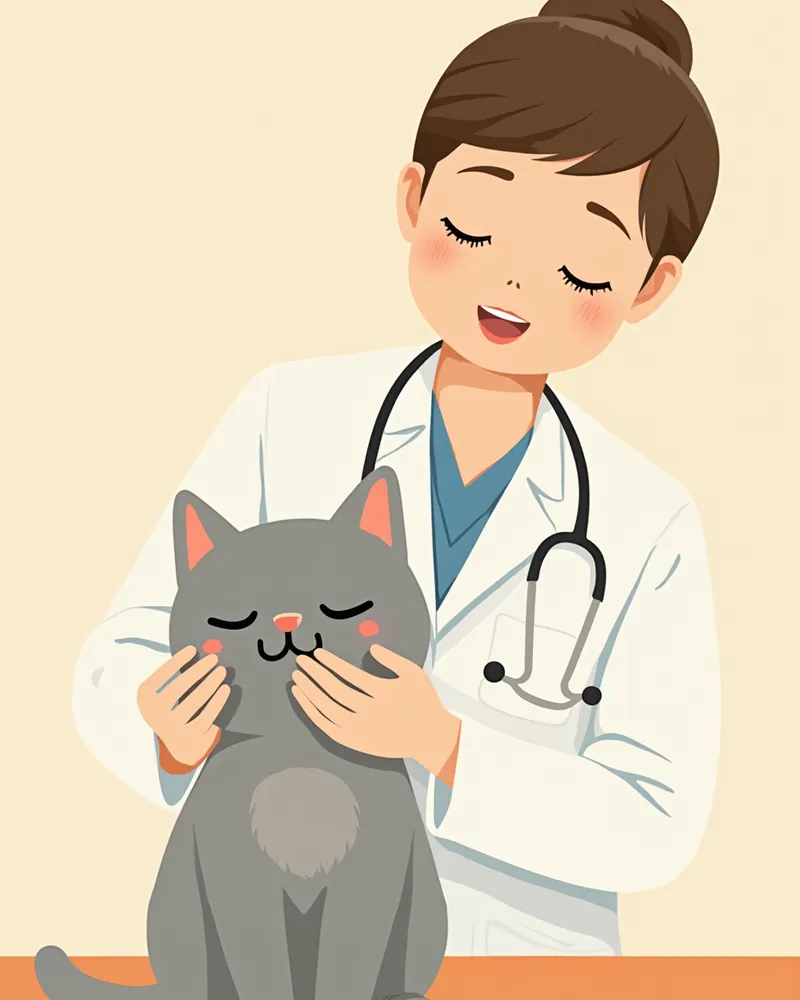
A veterinarian examining a cat’s gums during a follow-up visit for cancer treatment.

When to Seek Emergency Care Immediately

If your pet stops eating and drinking, develops pale gums, runs a fever above 39.5°C, or experiences vomiting and diarrhea lasting more than six hours within 24 to 48 hours after administration, seek emergency veterinary care immediately, as these symptoms may indicate sepsis caused by leukopenia. Never administer human pain relievers such as Tylenol or ibuprofen during chemotherapy, and always consult your veterinarian before giving any other medications or supplements.

How to Maintain Quality of Life During Treatment

The key to maintaining quality of life during cancer treatment is helping your pet live as normally as possible. Sudden changes to their diet or isolation can actually increase stress. - Diet: Stick to their usual food; if appetite drops, offer warmed wet food as a supplement. - Hydration: Use pet water fountains and prioritize wet food to reduce strain on the kidneys. - Play: Keep sessions short and gentle; never force exercise. - Resting area: Provide a separate, quiet box for them to retreat to. On medication days, avoid environmental changes such as visitors or new furniture. Weigh your pet once a week to monitor any changes.
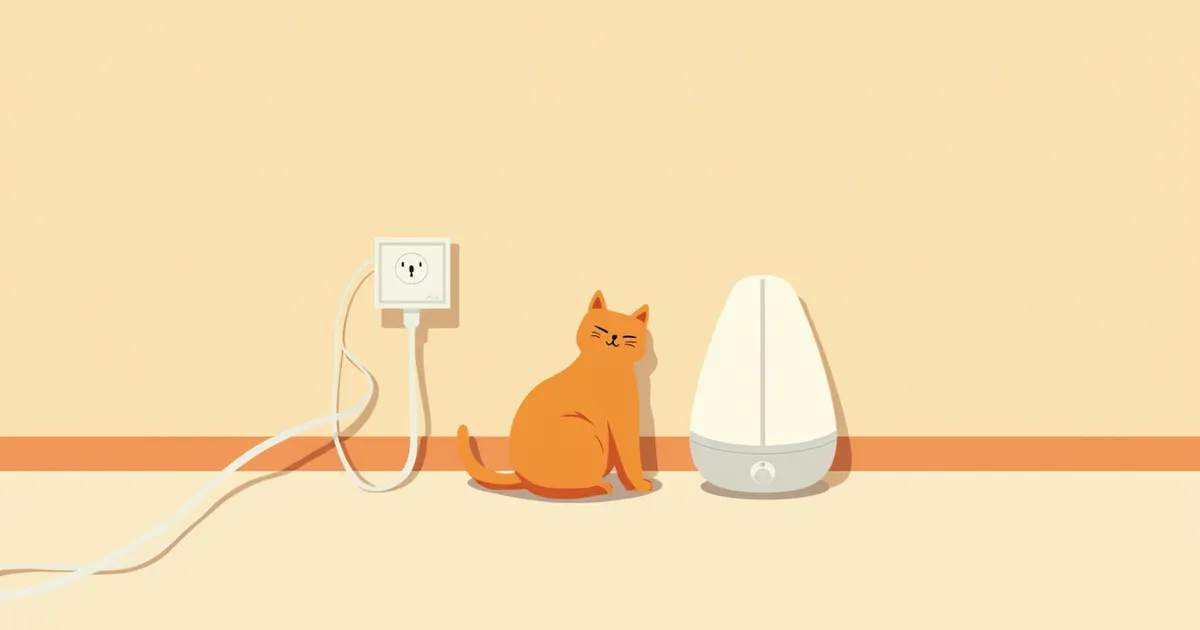
A cat resting comfortably on a soft spot next to a water fountain at home.

Four Key Factors to Consider When Deciding on Treatment

When deciding whether to pursue treatment and how far to go, we consider four key factors together: - Tumor type: Lymphoma tends to respond well, while some solid tumors have limited responsiveness to chemotherapy. - Age and underlying conditions: The presence of chronic kidney or heart disease can influence medication choices. - Your cat’s temperament: If your cat strongly dislikes veterinary visits or travel, we may recommend a single-agent protocol with longer intervals between treatments. - Your situation: Honestly assess your ability to handle weekly clinic visits, the associated costs, and the time required for home care. Opting for palliative care instead of active treatment is also a valid choice. Many cats enjoy several more months of good quality of life with just pain management and appetite support.

Reviewed by a veterinarian

Dr. Tony — Punnawat Phongkittirak

Dr. Tony — Punnawat Phongkittirak

Veterinarian

A veterinarian who majored in veterinary medicine at Khon Kaen University, Thailand, and completed the IVSA program at North Carolina State University in the United States. Drawing on clinical experience at animal hospitals, he works in the pet healthcare field and is dedicated to building a digital care environment that connects pet parents with veterinarians.

Frequently Asked Questions by Pet Owners

How much longer can my pet live with cancer treatment?
Survival times vary widely depending on the type of tumor and how it responds to treatment, so it’s difficult to give a definitive average. For tumors like lymphoma that respond well to chemotherapy, pets that achieve remission can often enjoy a good quality of life for a relatively long period. Typically, we assess the initial response within the first few weeks (about four weeks) after starting treatment to help determine the prognosis.
Can my pet receive a vaccine while undergoing cancer treatment?
When the immune system is compromised, live vaccines are generally avoided. Inessential cases, inactivated vaccines may be administered only when deemed necessary, and only after white blood cell counts have recovered, based on the veterinarian’s assessment.
Is it safe for my cat to live with other cats?
Yes, everyday contact is fine. However, for a few days after administration, some of the medication may be excreted in urine and feces, so please wear disposable gloves when cleaning the litter box or bathroom area. If the caregiver is pregnant, please have another family member handle bathroom cleaning on the day of administration.
Is it dangerous if chemotherapy medication gets on the caregiver’s hands?
Oral chemotherapy drugs should be handled as intact capsules, and hands should be washed with soap after handling. Crushing or grinding the pills is prohibited. Pregnant women and immunocompromised individuals should avoid handling the medication directly for safety.
Is it okay to stop treatment midway?
Yes, you can stop the medication at any time. If side effects are severe or your pet’s quality of life has significantly declined, consult your veterinarian about extending the dosing interval or switching to palliative care. Stopping the medication doesn’t cause immediate deterioration; the outcome depends on the tumor’s progression rate.

Share

Related Guides

References

[1] Burton JH. Complications of Chemotherapy Agents. Small Animal Critical Care Medicine, 3rd Edition

[2] Plumb's Veterinary Drug Handbook, 10th Edition — Doxorubicin, Cyclophosphamide, Vincristine 항목

[3] The Cat: Clinical Medicine and Management, 2nd Edition — Feline Oncology / Chemotherapy chapter

[4] Withrow & MacEwen's Small Animal Clinical Oncology, 6th Edition — Feline Lymphoma

This information is based on veterinary literature and does not replace diagnosis or treatment. Please consult a veterinarian for specific health concerns.

Metapet Co., Ltd. | CEO: Park Sung-yong | Business Reg. No. 417-88-02562 | Seoul, South Korea | Customer Center

Feline Cancer Treatment: Balancing Quality of Life & Cost | Meongsiljang