Like
Share
멍실장
강아지가 풀 먹는 이유, 걱정해야 할까?

Why Do Dogs Eat Grass? Should You Be Worried?

DigestiveQ&AMeongsiljang Veterinary Advisory Board

Dogs may eat grass for various reasons, including instinct, curiosity, and the need to supplement their diet with fiber. Here’s how to distinguish between normal behavior and warning signs, along with tips for keeping your dog safe.

Is Grass-Eating Behavior in Dogs Normal?
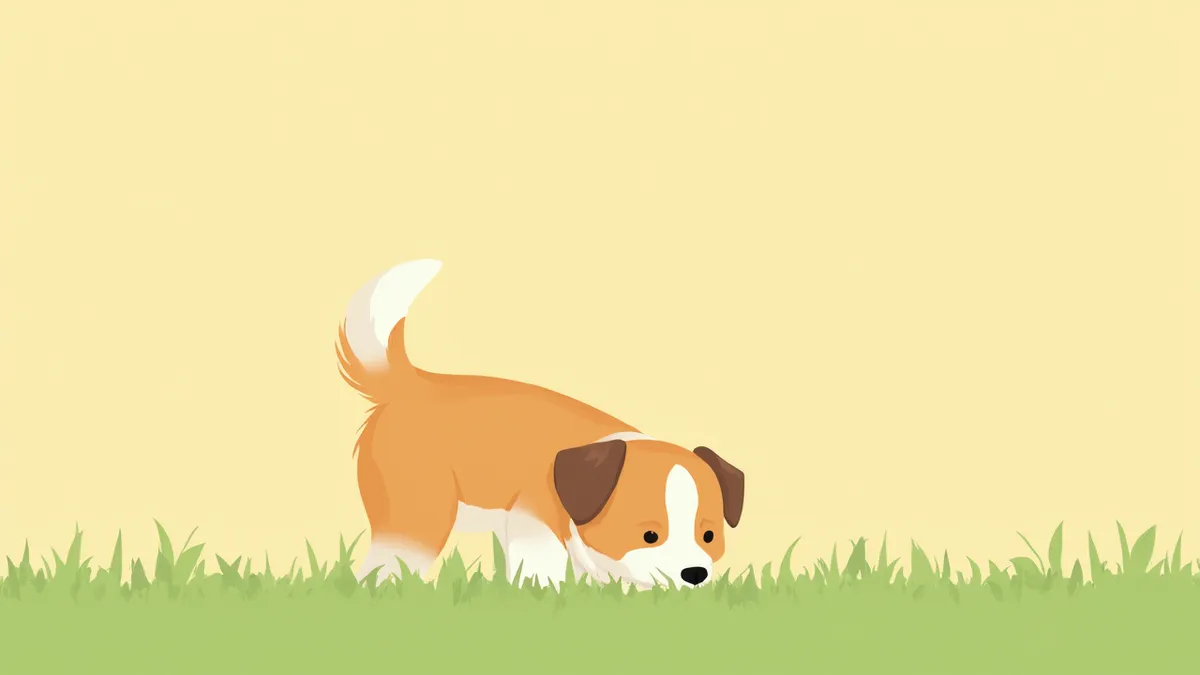
A dog chewing while sniffing the scent of grass
Grass-eating is a natural, instinctive behavior in most dogs. What really matters is the frequency and amount. If your dog occasionally nibbles on grass while walking, there’s no need to worry. However, if they vomit immediately after eating grass, seek out grass multiple times a day, or persistently chew on it while showing a decreased appetite, it could be a sign of gastrointestinal discomfort. In this article, we’ll help you distinguish between normal behavior and warning signs.

Why Do They Eat Grass? 4 Main Causes

According to veterinary internal medicine and behavior textbooks, grass-eating cannot be attributed to a single cause. - Instinctive behavior: Wild wolf ancestors that hunted herbivores consumed the plant material found in their prey’s intestines, and this habit is believed to have persisted. - Curiosity and preference: The texture, taste, and smell of grass may simply be intriguing to dogs. - Exploratory feeding behavior: Studies have found no clear correlation between the type of dog food (raw, canned, or dry) and grass-eating. - Association with gastrointestinal discomfort: While some dogs with an upset stomach may seek out grass, eating grass does not necessarily indicate illness. Research shows that most dogs showing no signs of discomfort before eating grass do not vomit afterward. This indicates that grass-eating is not always caused by an underlying medical condition.

How Does Grass-Eating Differ by Situation?

ItemNormal Grass-EatingNeeds AttentionSee Vet Immediately
FrequencyOccasionally during walksRepeats dailySeveral times a day
Amount eatenChews a bite or twoMore than a handfulKeeps tearing off and eating
Accompanying symptomsNoneMild loss of appetiteVomiting, diarrhea, lethargy
Reaction after eatingSame as usualOccasional vomitingRepeated vomiting, bloody stool
What to doJust observeCheck diet and environmentSee vet within 24 hours

If symptoms persist for more than 48 hours or you see vomiting or diarrhea with blood, go to the vet immediately

These Grass-Eating Behaviors Are Warning Signs

If your pet is eating grass more urgently and in larger amounts than usual, it may be a sign of gastrointestinal discomfort. In particular, if they vomit yellow foam or mucus immediately after eating, it could indicate an empty stomach irritation (bilious vomiting syndrome). There is also a risk of poisoning from herbicides, fertilizers, or insecticides applied to the grass. Grass in parks or along roadsides may have pesticide residues, so extra caution is advised. The sharp tips of grass can scratch the esophagus, causing coughing or gagging, and long blades of grass can get stuck between the roof of the mouth and gums, leading to oral injuries.
A dog that appears uncomfortable on the grass.

Go to the Vet Immediately in These Cases

If your pet shows any of the following symptoms after eating grass, it’s an emergency. Contact a 24-hour animal hospital within 6 hours. - Vomiting more than three times within one hour - Red blood or black, tar-like clots in vomit - A bloated or hard abdomen - Lethargy, inability to stand, or sudden weakness - Inability to drink water for more than 6 hours - Suspected ingestion of grass treated with herbicides Herbicide poisoning can worsen within minutes. If you suspect exposure, note the time and estimated amount ingested, and share this information with the vet immediately.

How to Manage This in Daily Life?

- Inspect walking routes: Avoid areas marked with pesticide warnings or where the grass has turned yellow. - Adjust fasting periods: If morning vomiting is frequent, offer smaller meals more often. - Supplement with dietary fiber: Add small amounts of vegetables like pumpkin or carrots as treats. - Provide chew items: Satisfy your pet’s urge to chew with dental sticks or long-lasting chews. - Wipe paws and mouth after walks: Use a damp towel to clean off potential pesticide residue or parasite eggs. If the frequency doesn’t decrease—or even increases—after 2 to 3 weeks of observation, please consult a veterinarian.
A dog enjoying a vegetable treat

How to Safely Supplement Dietary Fiber

If grass-eating is related to fiber intake, supplementing with safe vegetables can be a good option. Dietary fiber supports the structure and function of the intestinal mucosa, and some fibers are fermented by colonic microbes into short-chain fatty acids, which serve as an important energy source for colon cells. - Steamed pumpkin: Mash finely and start with a very small amount - Boiled carrots: Thin slices as a small treat - Broccoli stems: Lightly blanched and finely chopped, in small amounts - Apples: Remove seeds and core, then dice with the skin on Never feed onions, garlic, green onions, grapes, raisins, or avocados. When introducing new vegetables, start with a very small amount and monitor your pet’s stool for several days to ensure safety. The appropriate serving size varies depending on your pet’s weight and health status, so it’s best to consult your veterinarian.

Grass-Eating During Walks: One Thing to Remember

Lawns in parks and apartment complexes are often treated regularly with herbicides and fertilizers. If you see a “No Entry After Spraying” sign, it’s safest to avoid the area for the specified period. There have been reports of poisoning from exposure to 2,4-D-type herbicides on treated grass. While eating grass doesn’t necessarily mean your pet has parasites, there is a risk of ingesting parasite eggs from grass contaminated with other animals’ feces. Therefore, regular deworming and fecal examinations are recommended for proper management.

Reviewed by a veterinarian

Dr. Tony — Punnawat Phongkittirak

Dr. Tony — Punnawat Phongkittirak

Veterinarian

A veterinarian who majored in veterinary medicine at Khon Kaen University, Thailand, and completed the IVSA program at North Carolina State University in the United States. Drawing on clinical experience at animal hospitals, he works in the pet healthcare field and is dedicated to building a digital care environment that connects pet parents with veterinarians.

Frequently Asked Questions

If my dog eats grass and then vomits, was he intentionally trying to induce vomiting?
Not necessarily. Several studies have shown that most dogs showing no signs of illness before eating grass did not vomit afterward, and grass-eating is not definitively linked to disease. Because dogs cannot easily digest the cellulose in grass, consuming large amounts can irritate the stomach and occasionally trigger vomiting. There is still insufficient evidence to suggest this is an intentional behavior aimed at inducing vomiting.
Should I always stop my dog from eating grass while on a walk?
It’s enough to avoid grass that may have been treated with pesticides or fertilizers. Letting your pet occasionally chew on clean grass is generally fine and doesn’t need to be prevented. However, teaching a command like “spit it out” can be helpful for safety, as it allows you to quickly make them regurgitate if they ingest harmful plants.
Can eating grass lead to a parasitic infection?
It’s possible. While eating grass doesn’t necessarily mean your pet has a parasitic infection, they can ingest parasite eggs or cysts—such as those from roundworms, hookworms, or Giardia—if the grass is contaminated with feces from other animals. Regular deworming and fecal examinations are recommended for prevention and management.
Can puppies eat grass too?
It’s best to avoid it for puppies under six months old. Their digestive systems are still immature, making them more prone to vomiting and diarrhea, and they’re also more susceptible to parasitic infections. Extra caution is needed if their vaccinations aren’t yet complete.
Is it safe to give cat grass to dogs?
Edible sprouts like oat, barley, and wheat are safe for dogs in small amounts. They’re free from pesticide concerns and can help supplement dietary fiber. However, overfeeding may cause vomiting, so limit intake to just one or two leaves per day.

Share

Related Guides

References

[1] Sueda, K.L., Hart, B.L., Cliff, K.D., Characterisation of plant eating in dogs, Applied Animal Behaviour Science, 2008

[2] Bjone, S.J., Brown, W.Y., Price, I.R., Grass eating patterns in the domestic dog, Australian Veterinary Practitioner, 2007

[3] Ettinger, S.J., Feldman, E.C., Textbook of Veterinary Internal Medicine, 8th Ed, Chapter: Gastrointestinal Disorders

This information is based on veterinary literature and does not replace diagnosis or treatment. Please consult a veterinarian for specific health concerns.

Metapet Co., Ltd. | CEO: Park Sung-yong | Business Reg. No. 417-88-02562 | Seoul, South Korea | Customer Center

Why Do Dogs Eat Grass? Should You Worry? | Meongsiljang