Like
Share
멍실장
강아지 간 생검 자주 묻는 질문 Q&A — 보호자가 꼭 알아야 할 핵심

Is a liver biopsy necessary for dogs? — From the procedure to cost and risks

Liver HealthQ&AMeongsiljang Veterinary Advisory Board

A liver biopsy is a necessary procedure for accurately diagnosing liver disease in dogs. We’ve compiled the key information every pet owner should know in a Q&A format.

Why is a liver biopsy necessary for dogs?
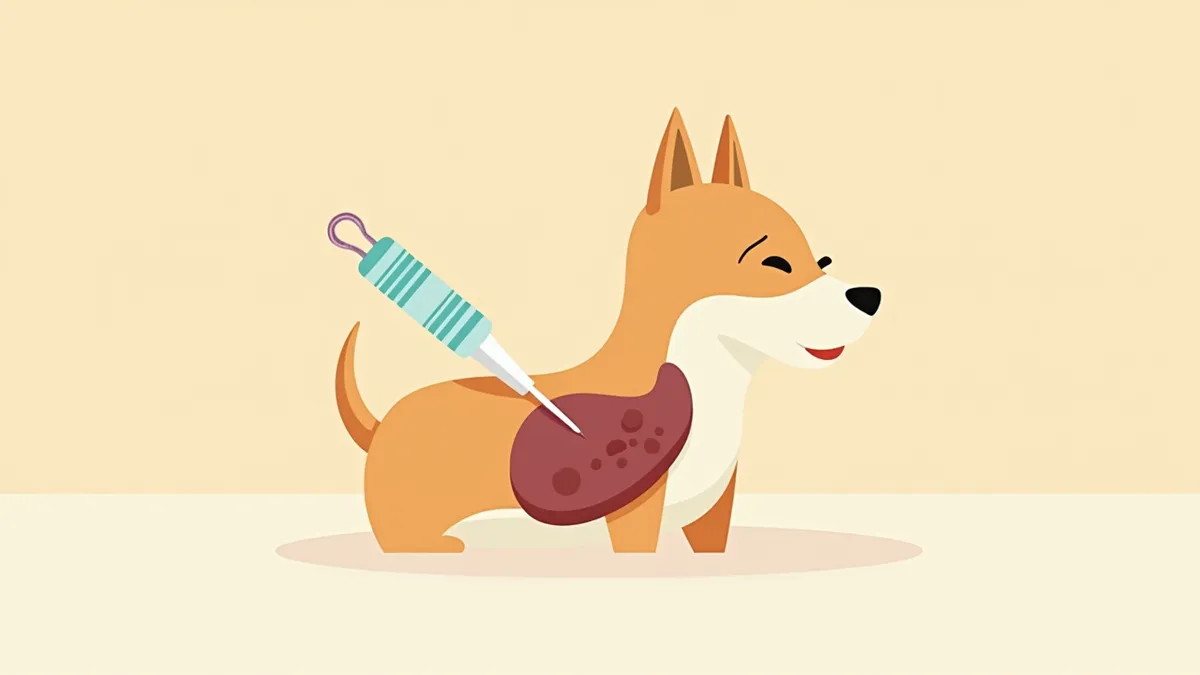
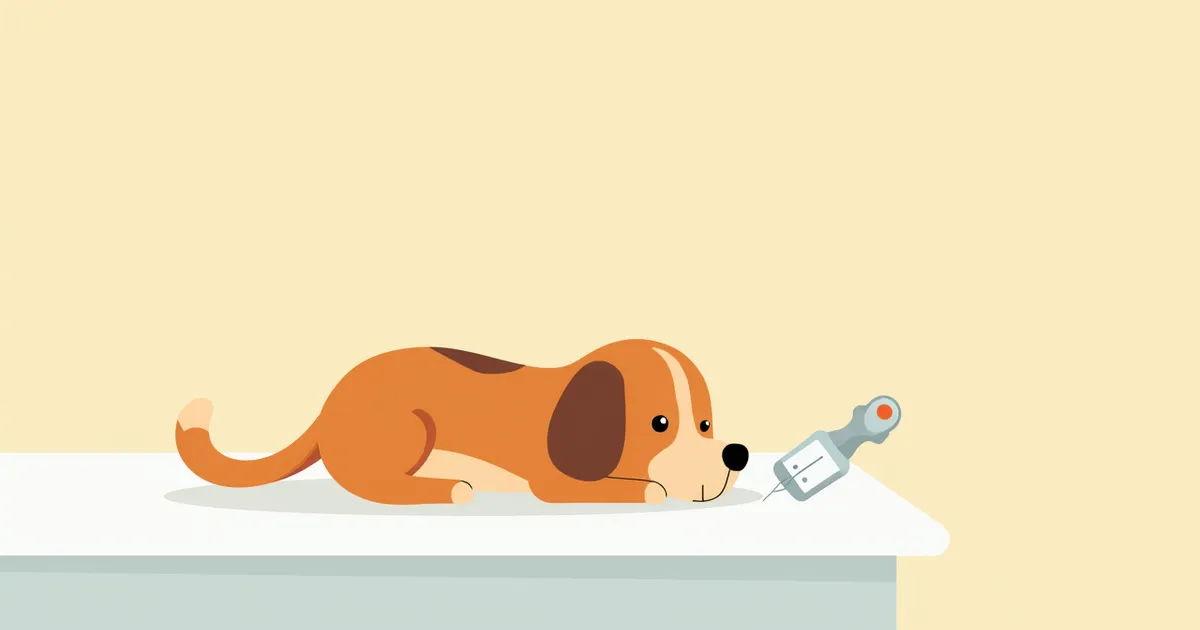
A veterinarian performing an ultrasound-guided liver biopsy on a dog
A liver biopsy is an essential diagnostic procedure for accurately identifying the underlying cause of liver dysfunction in dogs. When blood tests and ultrasound alone cannot clearly distinguish between conditions such as hepatitis, cirrhosis, or tumors, a tissue biopsy enables a definitive diagnosis. This test plays a critical role in precisely determining the type and severity of the liver disease. As it is a vital step veterinarians must take before developing a tailored treatment plan, your understanding and cooperation are important. The biopsy results directly inform treatment decisions, so this step should never be overlooked.

What is the biopsy procedure?

Liver biopsies in dogs are typically performed under anesthesia. Using ultrasound imaging to locate the liver, a small tissue sample is obtained with a special needle, or in some cases, tissue is collected through open surgery or laparoscopy. In particular, liver biopsies via laparotomy are known to be highly reliable for definitive diagnosis because they allow for the collection of an adequate tissue sample. The duration of the procedure and whether hospitalization is required can vary depending on the dog’s condition and the method used, so it’s best to discuss the exact schedule with your veterinarian. After the biopsy, close monitoring is essential to check for anesthesia recovery and any signs of bleeding or adverse reactions. Your veterinarian will determine the appropriate time for discharge once stability is confirmed.
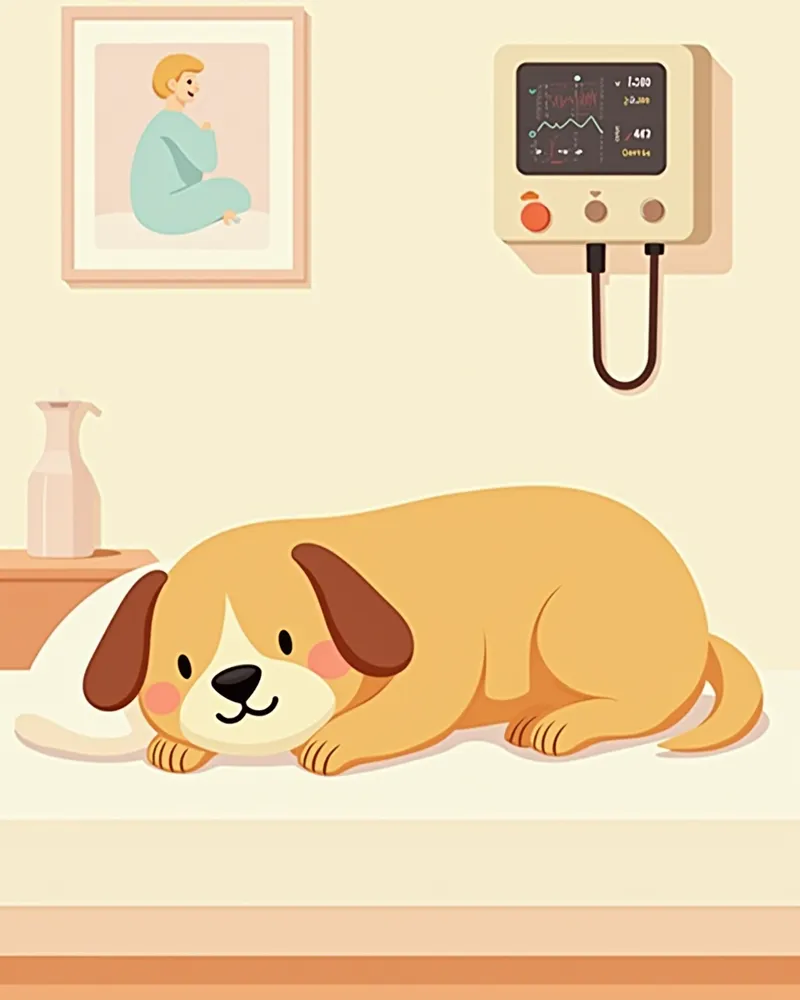
Your puppy is recovering from anesthesia and resting comfortably at the clinic.

Is the biopsy painful?

Biopsies are performed under anesthesia, so your dog won’t feel pain during the procedure. However, if your dog has liver disease, the metabolism of anesthetic agents may be slowed, potentially delaying recovery. In such cases, the veterinarian will closely monitor the recovery process. After the anesthesia wears off, your dog may experience some discomfort, so the veterinarian will appropriately administer pain management medications to minimize pain. Recovery speed can vary from dog to dog, so it’s important for you to carefully observe your dog during the period when activity is restricted. If you notice severe pain or any unusual behavior different from normal, contact the clinic immediately.
A dog with a light bandage after a biopsy, resting comfortably

How long is the recovery period after a biopsy?
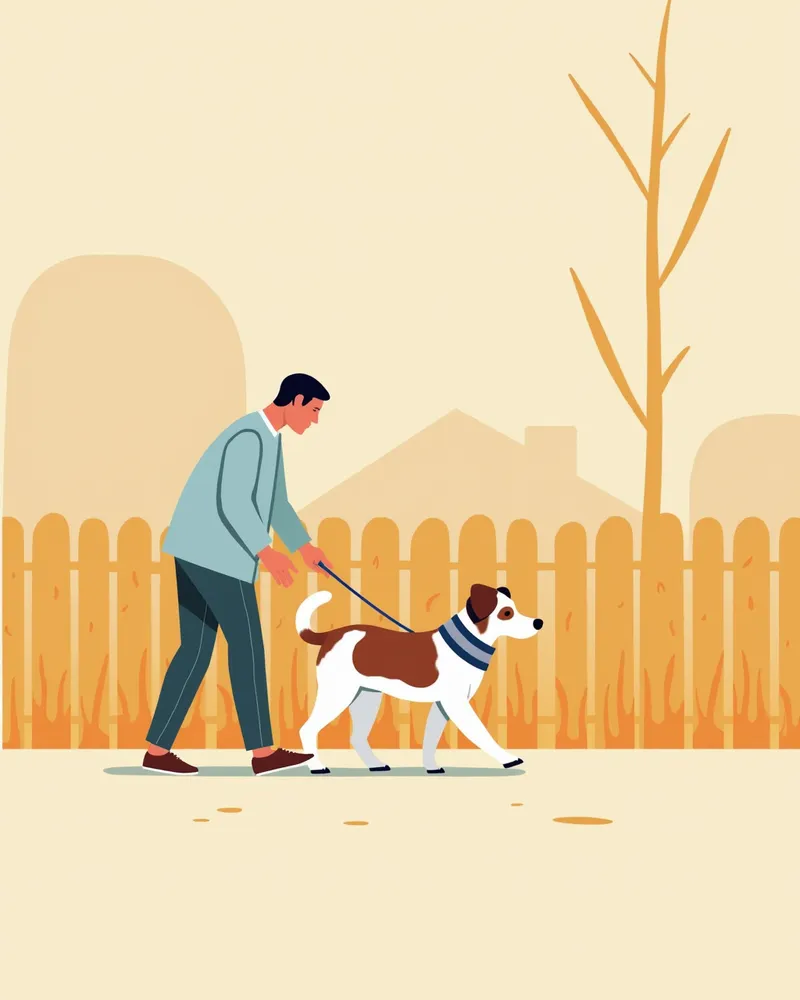
The time it takes for your dog to recover after a biopsy can vary depending on their overall condition and any underlying liver disease. If liver function is compromised, the metabolism of anesthetic agents may be slower, which can delay recovery. Therefore, it is safest to follow your veterinarian’s guidance on when to resume normal activities. During the recovery period, avoid strenuous movement, keep walks short, and refrain from letting your dog run or play vigorously. For meals, strictly follow the diet plan recommended by your veterinarian based on your dog’s liver condition, and avoid making independent decisions such as switching to a high-protein diet. Administer any prescribed medications exactly as scheduled, and attend the follow-up appointment on the date specified by the clinic to review the results and discuss the ongoing treatment plan.
A puppy recovering after a biopsy, slowly walking in a quiet backyard

Comparison of precautions before and after a biopsy

ItemBefore BiopsyAfter Biopsy
Dietary RestrictionFasting as directed by the veterinarianStart with small amounts of water and food
Activity RestrictionMinimal movementRestrict activity as guided by the veterinarian
MedicationDiscontinue drugs with bleeding risk such as anticoagulants (as directed by the veterinarian)Take pain management medication
Warning Signs to WatchDifficulty breathing, vomitingBleeding, abdominal pain

Safe recovery is possible only when pre- and post-biopsy management is carried out correctly.

When will the biopsy results be available?

Biopsy samples require pathological examination, which typically takes about five to seven days. Some clinics offer expedited testing services that can provide results within three days. The veterinarian will explain the results directly to you and discuss a treatment plan together. While waiting for the results can be anxiety-inducing, patience is essential for an accurate diagnosis. Biopsy remains the most reliable method for diagnosing liver disease. It’s helpful to stay in regular communication with your clinic while awaiting the outcome.
A veterinarian reviewing biopsy results, with a dog waiting patiently by their side.

These symptoms require an immediate visit to the veterinarian

If your pet experiences vomiting, abdominal pain, fever, or signs of shock within 24 hours after a biopsy, contact your veterinarian immediately. These symptoms could indicate internal bleeding or infection.

Items for owners to check after a biopsy

- Dietary Management: Feed the recommended diet in small, divided meals as advised by your veterinarian based on your dog’s liver condition. Do not independently switch to a high-protein or high-fat diet. - Activity Restriction: During recovery, keep walks short, avoid strenuous play, and limit activity as directed by your veterinarian. - Medication Administration: Administer prescribed medications, such as pain relievers or antibiotics, at the exact times specified. - Monitoring for Side Effects: Contact us immediately if you notice vomiting, diarrhea, abdominal pain, or signs of shock. Impaired liver function can lead to prolonged bleeding. - Follow-up Appointment: Return for a follow-up visit on the date specified by the clinic to review the results. - Regular Monitoring: Closely monitor for any changes in your dog’s condition throughout the recovery period following the biopsy.
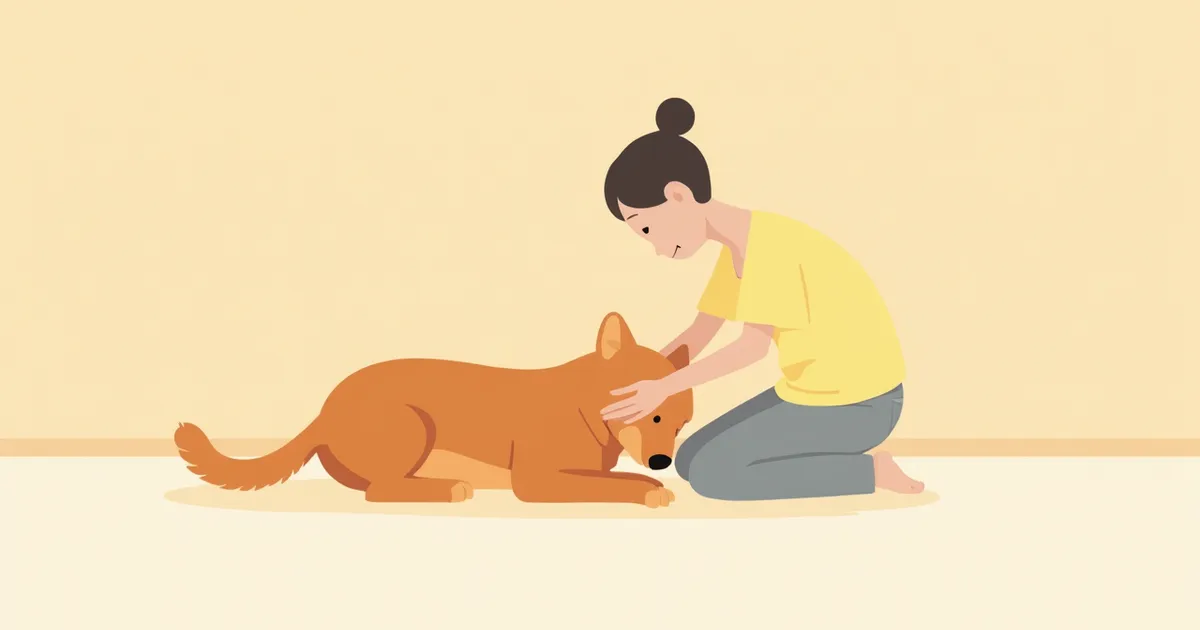
Post-biopsy care checklist, on the table with your dog

Reviewed by a veterinarian

Dr. Tony — Punnawat Phongkittirak

Dr. Tony — Punnawat Phongkittirak

Veterinarian

A veterinarian who majored in veterinary medicine at Khon Kaen University, Thailand, and completed the IVSA program at North Carolina State University in the United States. Drawing on clinical experience at animal hospitals, he works in the pet healthcare field and is dedicated to building a digital care environment that connects pet parents with veterinarians.

Frequently Asked Questions

Is a biopsy dangerous?
When performed following standard protocols, the risk is very low. However, because there is a potential for internal bleeding or infection, professional veterinary care is essential.
What home care steps can I take after a biopsy?
It is essential to manage your pet’s diet, restrict their activity, administer prescribed medications, and closely monitor their symptoms. In particular, if you notice vomiting or a fever, contact your veterinarian immediately.
Do I need to repeat the biopsy?
Depending on the results, additional biopsies may be necessary to monitor the progression of the disease or assess the response to treatment.
What happens if a biopsy isn’t performed?
Because the exact cause of liver disease is often unknown, it can be difficult to start appropriate treatment. Incorrect treatment may worsen your pet’s health.
When is the best time to perform a biopsy?
When blood tests or ultrasounds can't pinpoint the cause, it's the right time for your vet to recommend a biopsy. Early diagnosis significantly improves treatment success rates.

Share

Related Guides

References

[1] Plumb's Veterinary Drug Handbook, 9th Edition. 2022. Wiley-Blackwell.

[2] Feldman, B.F., Nelson, R.W. (2013). Canine and Feline Endocrinology and Reproduction. 4th ed. Elsevier Saunders.

[3] American College of Veterinary Internal Medicine (ACVIM). (2021). Guidelines for the Diagnosis and Management of Hepatobiliary Disease in Dogs.

This information is based on veterinary literature and does not replace diagnosis or treatment. Please consult a veterinarian for specific health concerns.

Metapet Co., Ltd. | CEO: Park Sung-yong | Business Reg. No. 417-88-02562 | Seoul, South Korea | Customer Center

Is a Dog Liver Biopsy Necessary? Procedure, Cost, and Risks Explained | Meongsiljang