Like
Share
멍실장
강아지 ALT·ALP 상승 원인 감별 자주 묻는 질문 Q&A — 보호자가 꼭 알아야 할 핵심

Why Are Your Dog’s Liver Enzymes Elevated? — Differentiating Causes of ALT and ALP Elevation and Additional Testing Q&A

Liver HealthQ&AMeongsiljang Veterinary Advisory Board

When your dog’s ALT and ALP levels are elevated, we’ve compiled the essential information every pet owner should know, covering everything from the most common causes to emergency situations.

Elevated ALT and ALP in Dogs Are Key Indicators of Liver Damage
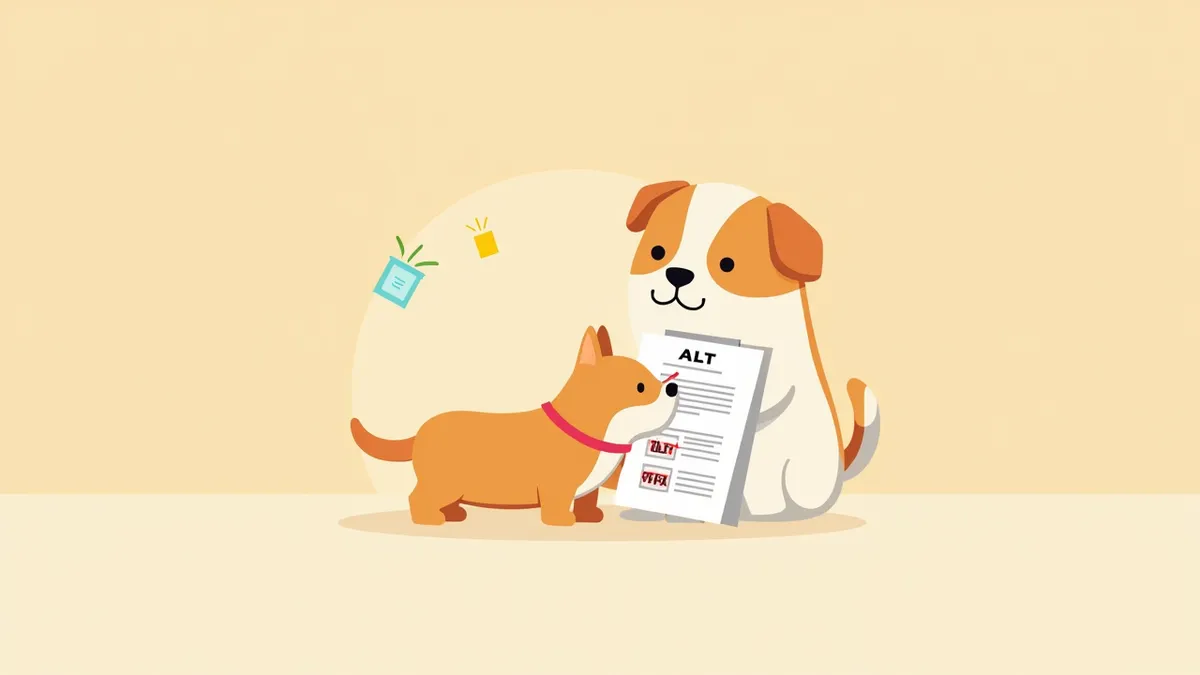
An image showing elevated ALT and ALP levels in a dog's blood test results
Elevated ALT and ALP levels in dogs are important indicators of hepatocyte damage or biliary tract dysfunction. This is not merely a transient fluctuation, but may signify an underlying issue with liver function. In particular, persistently high levels can point to serious causes such as hepatitis, biliary obstruction, or adverse drug reactions. Prompt diagnosis and identification of the underlying cause are essential, requiring a thorough examination conducted with your veterinarian. Rather than panicking, pet owners should respond based on accurate information.

Possible Underlying Causes

When both ALT and ALP levels are elevated, several underlying causes should be considered. - Hepatitis: This is a common cause, involving liver cell damage and inflammation due to various factors such as viral, metabolic, toxic, or immune-mediated origins. - Biliary obstruction (cholestasis): This occurs when bile flow is impaired. ALP is a sensitive marker for cholestasis. - Medication effects: Glucocorticoids (steroids) can induce ALP synthesis, leading to elevated levels. Anticonvulsants such as phenobarbital, primidone, and phenytoin may also raise ALP or place stress on the liver. However, ALT is not directly induced by medications; it rises only when there is damage to liver cells or muscle tissue. - Hormonal disorders: Liver enzymes may secondarily increase in conditions involving excess cortisol (hyperadrenocorticism, or Cushing’s disease) or diabetes mellitus. - Age and breed predisposition: Certain conditions, such as hyperadrenocorticism, are more common in older dogs or specific breeds. While the magnitude of enzyme elevation may correlate with the extent of damage, it does not distinguish between reversible and irreversible injury, so further diagnostic testing is necessary.
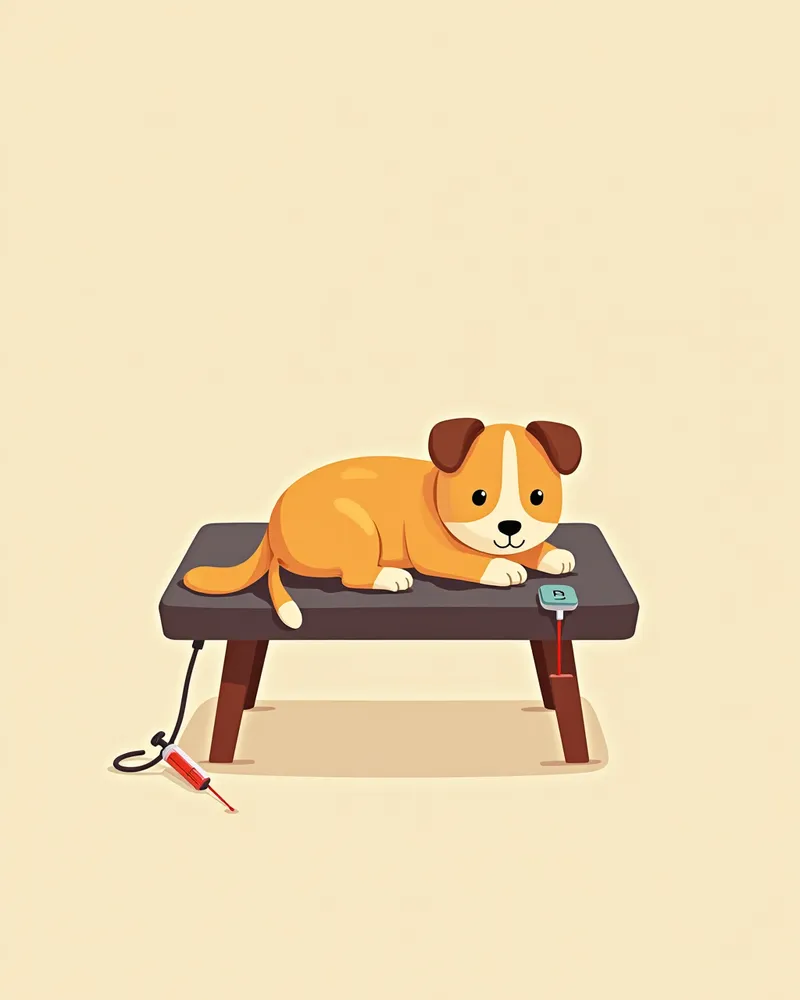
A puppy getting a blood test, with the needle being prepared.

The 5 Most Common Causes

Hepatitis: Liver cell damage and inflammation caused by viral, metabolic, toxic, or immune-mediated factors.
Biliary Obstruction (Cholestasis): Occurs when bile is not properly drained, and ALP levels are a sensitive indicator of this condition.
Drug-Induced: Medications such as glucocorticoids (steroids) or barbiturates/anticonvulsants like phenobarbital can elevate ALP levels or place stress on the liver.
Metabolic Disorders (e.g., Diabetes): Liver enzymes may secondarily rise in cases of metabolic abnormalities such as diabetes.
Hormonal Disorders: In conditions with excess cortisol (Cushing’s disease), ALP levels may increase more noticeably than ALT.
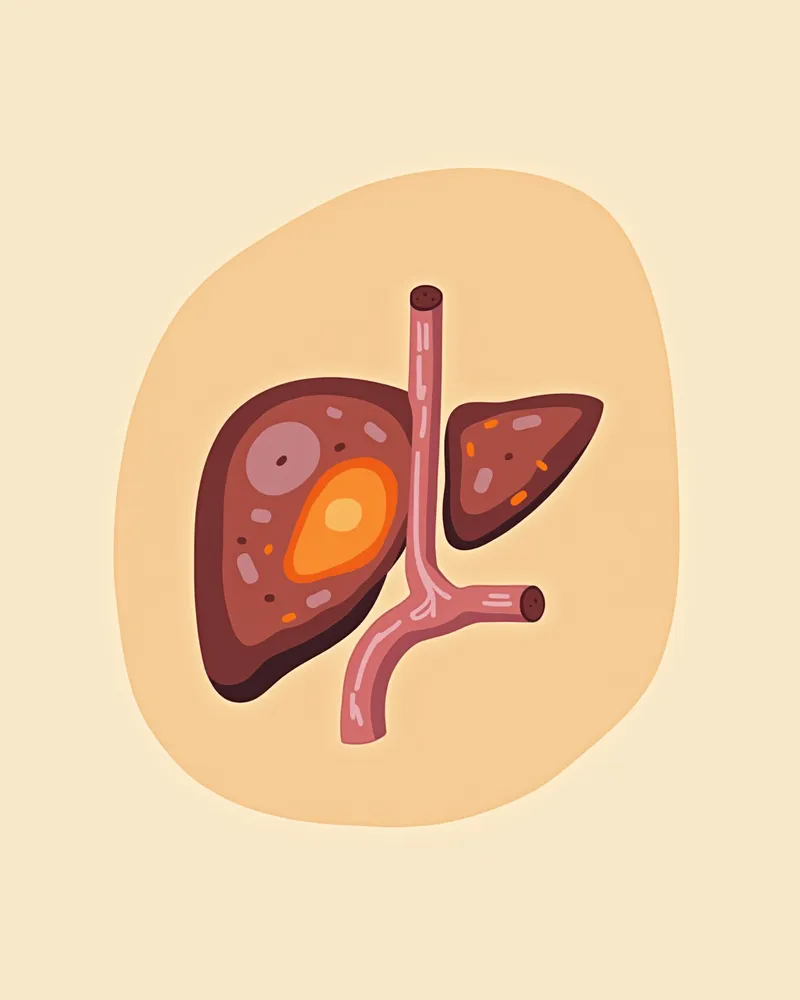
An anatomical diagram showing liver inflammation, bile duct obstruction, and fat accumulation

When Immediate Veterinary Visit Is Necessary

If your dog has lost its appetite, is vomiting repeatedly, or has yellowing of the eyes, lips, or inside of the mouth, these may be signs of jaundice indicating severe liver damage. This condition can be life-threatening, so a veterinary visit within 24 hours is essential. Additionally, persistent lethargy, weakness, or a marked decrease in activity could signal declining liver function. Early detection is key to improving treatment outcomes for liver dysfunction, making prompt veterinary examination and a tailored treatment plan critical. Owners should carefully document any changes in symptoms to assist with diagnosis and care.
The dog's lips and eyes have turned yellow, and it appears lethargic.

Seek Immediate Veterinary Care If Jaundice Develops

If your pet’s eyes, lips, or the inside of its mouth have turned yellow, this is jaundice and indicates severe liver damage. This condition can be life-threatening, so a veterinary visit within 24 hours is essential.

Tests Required for Accurate Diagnosis
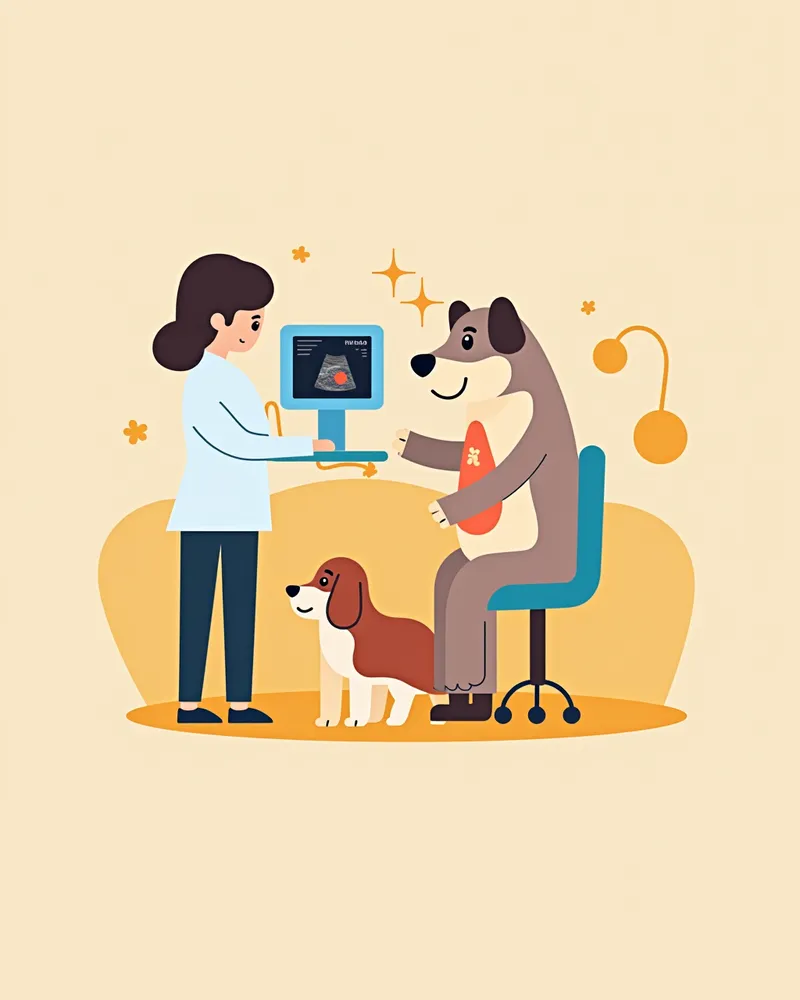
To accurately determine the cause of elevated ALT and ALP levels, a comprehensive diagnostic workup is necessary. - Ultrasound examination: Visually assesses structural abnormalities in the liver and bile ducts. - Expanded blood testing: Comprehensively evaluates hormone levels, inflammatory markers, and liver function indicators. - Biopsy: Collects tissue samples from suspected lesions to determine the exact type of pathology. - Medication history review: Carefully checks whether any medications currently being administered may affect the liver. - Overall assessment: The veterinarian synthesizes environmental factors, clinical signs, and test results to reach a diagnosis. Because treatment is difficult without an accurate diagnosis, prompt testing is essential.
A veterinarian performing an abdominal ultrasound on a puppy, with the liver image displayed on the screen.

Mild vs. Moderate vs. Severe: Comparing Symptoms and Management

ItemMain SymptomsResponse DirectionNeed for Hospital Visit
MildSlightly decreased appetite, fatigueDietary control, observationFollow-up testing if needed
ModeratePersistent vomiting, lethargyUltrasound examination, medication adjustmentVisit within 1–2 days
SevereJaundice, severe vomiting, comatose stateEmergency treatment, biopsy testingImmediate hospital visit

The response direction differs depending on the severity of symptoms. Do not ignore them.

Home Care Measures

- Liver-support diet: Consistently feed a veterinarian-recommended prescription diet formulated to reduce liver stress and aid recovery. - Medication review: Evaluate whether current medications may affect the liver and adjust them as needed. - Hydration: Always provide fresh, clean water to prevent dehydration. Encouraging frequent water intake is essential. - Rest and calm environment: Avoid excessive exercise and allow your pet to rest comfortably in a quiet setting. - Regular monitoring: Keep a consistent record of weight changes, appetite, and activity levels to quickly detect any changes in symptoms.
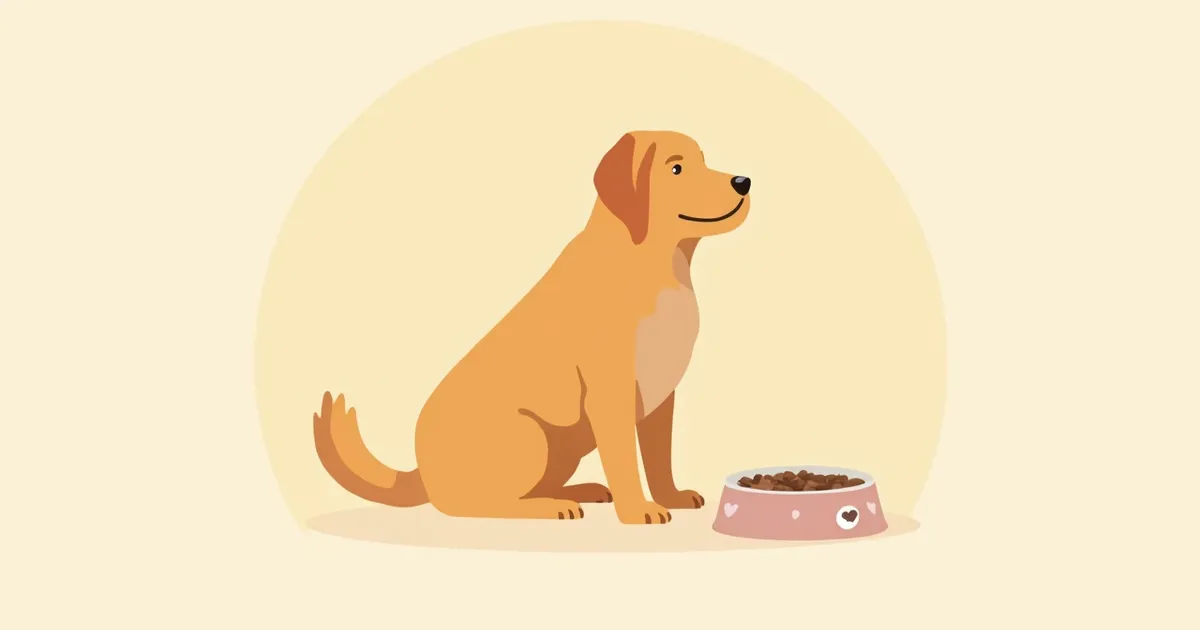
Specialized food and water bowls that support your dog's liver health

Precautions When Administering Medications

Certain medications, such as glucocorticoids (steroids) and anticonvulsants like phenobarbital, can elevate ALP levels or place additional strain on the liver. Always consult your veterinarian before starting any medication, and have regular liver function tests performed.

Reviewed by a veterinarian

Dr. Tony — Punnawat Phongkittirak

Dr. Tony — Punnawat Phongkittirak

Veterinarian

A veterinarian who majored in veterinary medicine at Khon Kaen University, Thailand, and completed the IVSA program at North Carolina State University in the United States. Drawing on clinical experience at animal hospitals, he works in the pet healthcare field and is dedicated to building a digital care environment that connects pet parents with veterinarians.

Frequently Asked Questions

My pet’s ALT and ALP levels are elevated, but there are no other symptoms. Is this okay?
No. Even without symptoms, liver damage may already be progressing. Early detection through regular check-ups is crucial.
My pet is on steroids, and their ALT and ALP levels have increased. Is this a cause for concern?
Steroids can elevate ALP levels. However, if the elevation persists, it may indicate liver damage, so you should consult your veterinarian to review whether your pet should continue taking the medication.
My senior dog has elevated ALT and ALP levels. What conditions could be causing this?
Senior dogs are commonly affected by liver cancer, Cushing’s disease, and chronic hepatitis. A thorough diagnostic workup is necessary to identify the underlying cause.
Can liver enzyme levels be lowered through dietary management alone?
Dietary management can be helpful, but depending on the underlying cause, medication or a biopsy may be necessary. A veterinarian’s assessment is essential.
When ALT and ALP levels are elevated, what tests should be done?
Ultrasound, biopsy, hormone tests, and blood tests may be necessary. The veterinarian will create a testing plan tailored to the situation.

Share

Related Guides

References

[1] Fundamentals of Veterinary Clinical Pathology, 3rd Edition, 2005

[2] Plumb's Veterinary Drug Handbook, 9th Edition, 2021

[3] Veterinary Internal Medicine: Diagnosis and Treatment, 8th Edition, 2022

This information is based on veterinary literature and does not replace diagnosis or treatment. Please consult a veterinarian for specific health concerns.

Metapet Co., Ltd. | CEO: Park Sung-yong | Business Reg. No. 417-88-02562 | Seoul, South Korea | Customer Center

Why Are Your Dog's Liver Enzymes High? ALT/ALP Causes Q&A | Meongsiljang