Like
Share
멍실장
노견 인지 자극 활동 완벽 가이드

The Complete Guide to Cognitive Stimulation Activities for Senior Dogs

Brain & CognitionQ&AMeongsiljang Veterinary Advisory Board

Cognitive stimulation activities are essential for maintaining brain function in senior dogs as they age. We’ve compiled practical methods you can start right away in your daily routine, such as scent-based games, walks along new routes, and nose work.

What Are Cognitive Stimulation Activities for Senior Dogs?
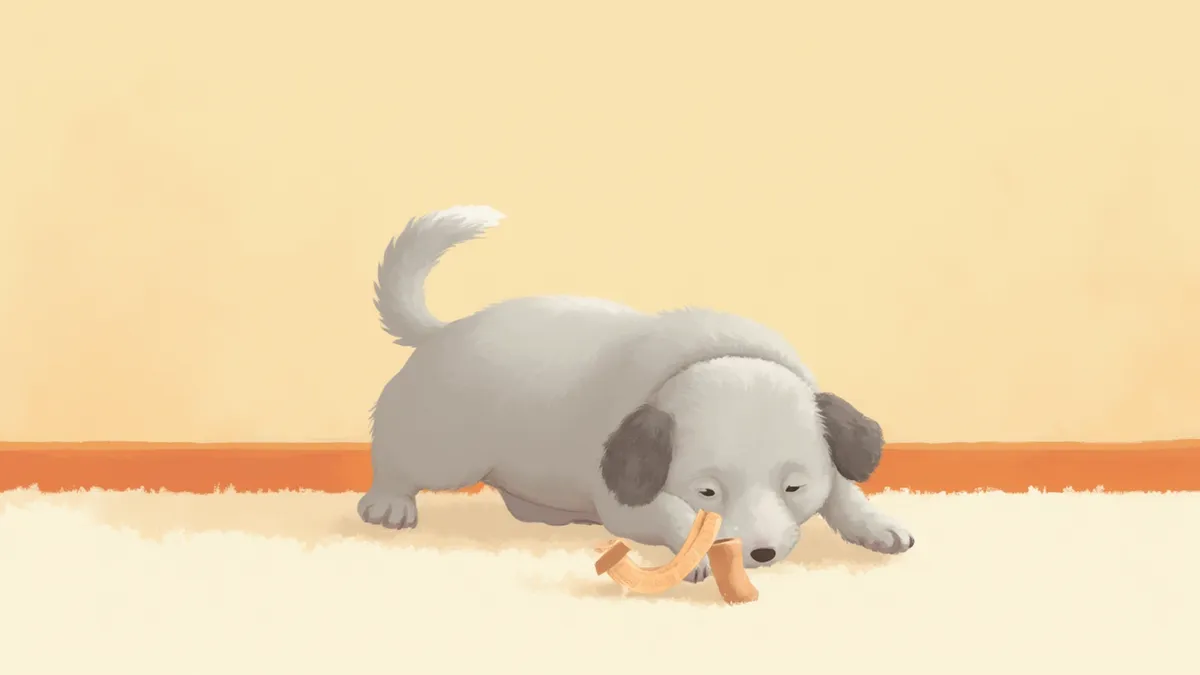
An elderly dog exploring a puzzle toy
Cognitive stimulation activities for senior dogs help slow age-related cognitive decline by keeping the brain’s learning, memory, and sensory functions actively engaged. The key is to provide consistent, novel stimulation every day, even if only for short periods. Veterinary behaviorists emphasize that mentally engaging activities—such as scent-based games, exploring new walking routes, and simple training exercises—support cognitive maintenance in older dogs. In particular, mental stimulation and regular training have been shown to have a protective effect against behavioral changes in senior dogs. Therefore, as dogs enter their senior years around age eight, it’s beneficial to consciously introduce new stimuli rather than simply sticking to familiar routines.

Why Is Cognitive Stimulation Essential for Senior Dogs?

As dogs age, their brains undergo changes similar to those in humans, including a decline in brain cells and weakened neural connections. Structural changes associated with aging, such as reduced frontal lobe volume and a decrease in the number of neurons, are well-documented. If left unaddressed, these changes can lead to Canine Cognitive Dysfunction Syndrome (CCDS), characterized by symptoms like disorientation, reversed day-night cycles, and failure to recognize family members. Veterinary behavioral studies consistently show that environmental enrichment and regular training can help prevent or slow the progression of CCDS. Just like muscles, the brain maintains its function when regularly stimulated.

Difficulty Levels and Recommended Frequency by Stimulation Type

ItemOlfactory StimulationLearning StimulationSocial Stimulation
Representative ActivitiesNose work, snuffle matSimple tricks, name recognitionWalking new routes, meeting other dogs
Recommended Frequency10–15 min daily5 min, 3–4 times a week2–3 times a week
DifficultyEasyModerateModerate
Joint StrainLowLowModerate

For senior dogs with joint or heart disease, adjust intensity after consulting a veterinarian

Olfactory Stimulation Games You Can Start at Home Right Away
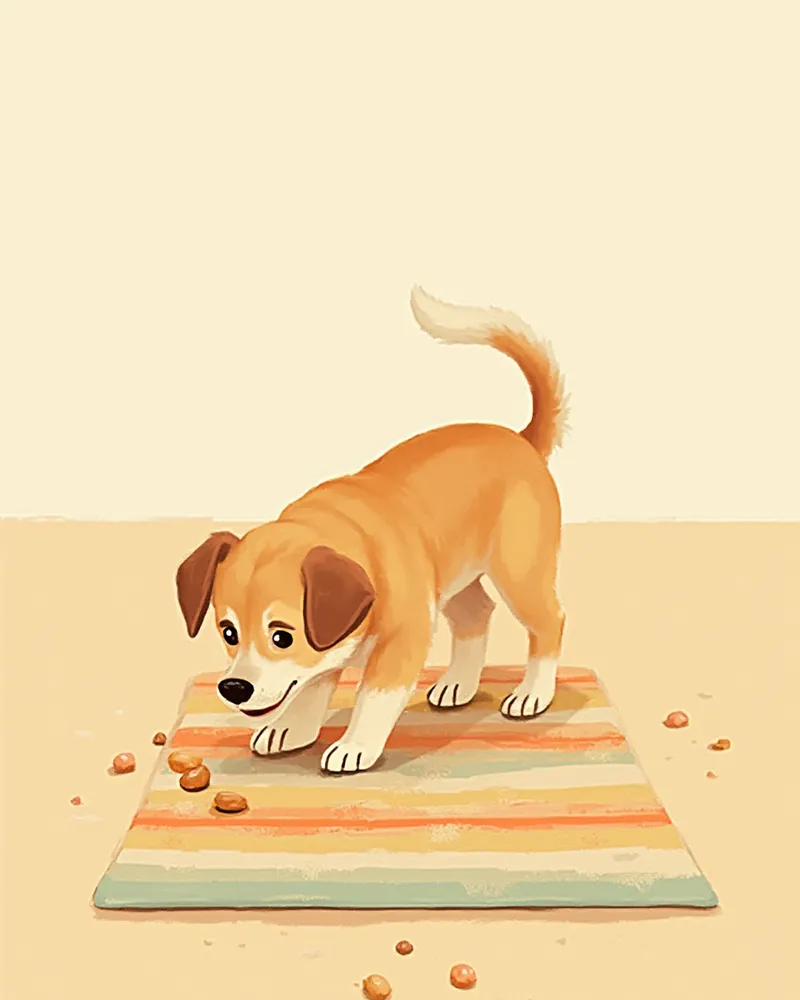
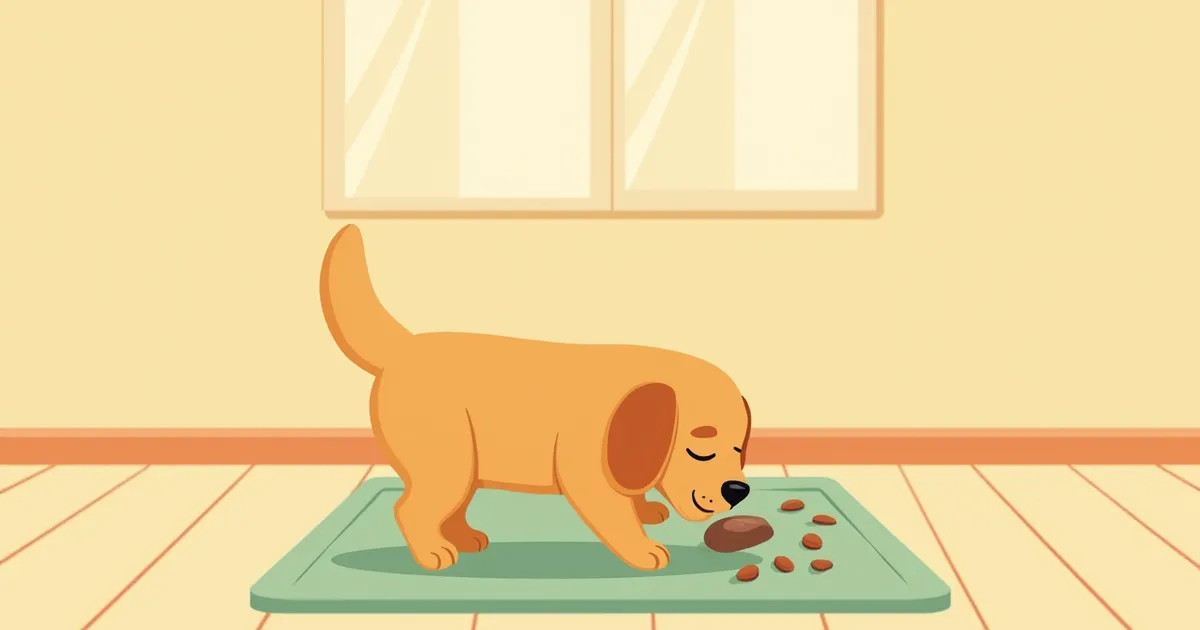
Smell is a low-stress stimulus that keeps a senior dog’s mind actively engaged. Using their nose to sniff and search for food is an excellent form of environmental enrichment that stimulates problem-solving skills and exploratory instincts, helping senior dogs feel calm and focused during activities.
Snuffle mat: This is the most basic game, where kibble is hidden among tufts of fabric for the dog to find.
Paper cup game: Hide a treat under one of three cups and have the dog guess which one.
Scent trail: Hide treats in various spots around the house for the dog to track down.
Box search: Place treats in several empty boxes and let the dog use their nose to find them.
The rule is to stop immediately if the dog appears tired or loses interest. Short, frequent sessions are much more effective than long, single sessions.
An older dog searching for treats in a snuffle mat

See a Vet First If You Notice These Signs

Cognitive stimulation is intended for prevention and early-stage management. If your pet already shows clear signs of dementia, stimulation games alone are not enough. If symptoms such as unexplained nighttime barking, staring at walls, or getting lost and becoming stuck in corners persist for more than two weeks, please consult a veterinarian first. Combining medication (such as selegiline) with cognitive stimulation is necessary for effective results.

Is It Okay to Teach New Learning?
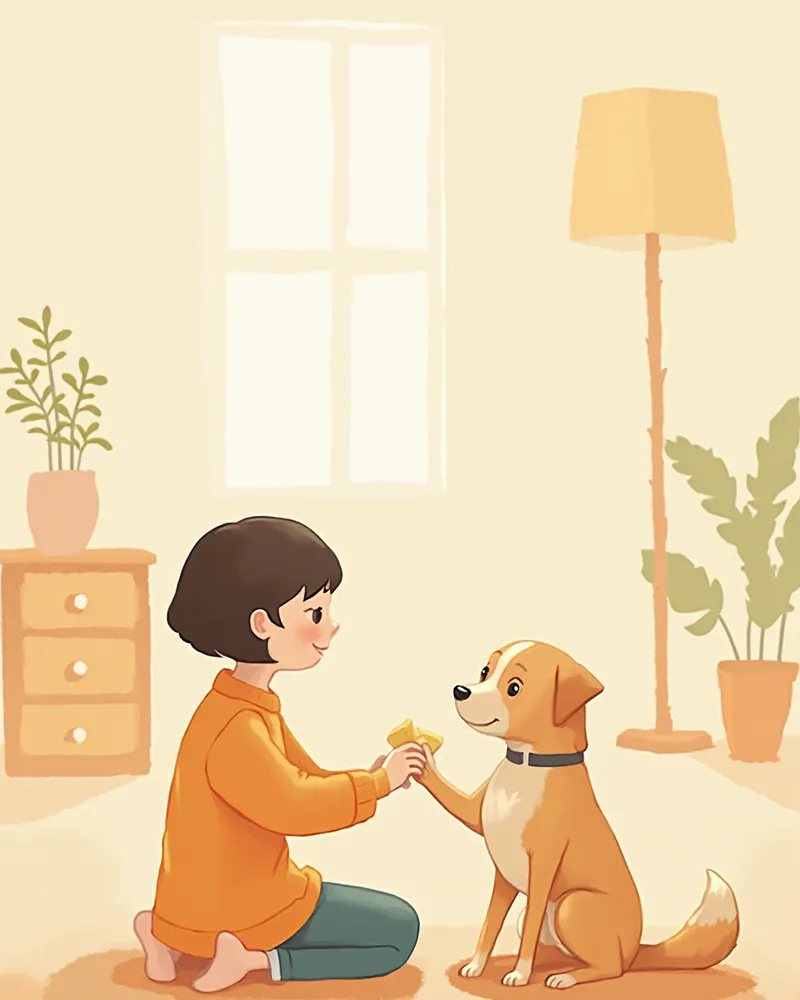
Yes, it’s actually recommended. The saying “you can’t teach an old dog new tricks” is scientifically inaccurate. Senior dogs can learn new behaviors with slow, repeated practice, and the learning process itself helps form new neural connections in the brain. However, forceful training can cause stress, so please use only positive reinforcement methods, such as treats and praise. Short five-minute trick sessions—like “shake,” “speak,” or “pick the cup”—repeated three to four times a week are sufficient. The key is to offer enthusiastic praise when they succeed.
Teaching tricks to senior dogs using positive reinforcement

Turn Walks Into 'Cognitive Stimulation Walks'

Walking the same route every day provides physical exercise but offers little mental stimulation. The key is novelty.
Change the route: Take your dog on a new path two to three times a week.
Allow time for sniffing: Avoid pulling the leash and let your dog sniff thoroughly.
Walk slowly: This reduces joint stress and allows your dog to focus on sensory input.
Vary the terrain: Surfaces like grass, dirt, and sand provide beneficial stimulation for the paw pads.
For senior dogs, a walk duration of 20 to 30 minutes is appropriate, adjusted to their stamina.

Key Points to Observe When Providing Stimulation to Senior Dogs

Excessive stimulation can actually cause stress. Stick to the principle of one activity at a time, kept short and frequent (10–20 minutes, twice daily). For senior dogs with significantly impaired hearing and vision, focus on their sense of smell and touch rather than sight and sound. If your dog appears anxious in a new environment, stop immediately and return to a familiar space. Forcing the issue can lead to learned helplessness, causing further withdrawal.

Reviewed by a veterinarian

Dr. Tony — Punnawat Phongkittirak

Dr. Tony — Punnawat Phongkittirak

Veterinarian

A veterinarian who majored in veterinary medicine at Khon Kaen University, Thailand, and completed the IVSA program at North Carolina State University in the United States. Drawing on clinical experience at animal hospitals, he works in the pet healthcare field and is dedicated to building a digital care environment that connects pet parents with veterinarians.

Frequently Asked Questions

At what age should I start cognitive stimulation activities?
Mental stimulation programs for senior dogs typically target those aged eight years and older, as they enter their senior stage. Even in the absence of symptoms, starting these programs early for preventive purposes can help preserve brain function. Since the onset of aging varies depending on each dog’s health status and size, consult your veterinarian to determine the ideal time to begin.
How much should I give per day to see results?
It’s much more effective to break activities into several short sessions rather than doing one long session. During play, keep an eye on your dog’s body language and facial expressions, and stop immediately if they seem tired or lose interest. Adjust the duration based on your dog’s individual fitness level and condition.
Can senior dogs with joint issues do this too?
Yes, scent-based play and simple training tricks can be done without putting strain on the joints. Opt for activities that can be performed while sitting or lying down, such as using a snuffle mat or playing a paper cup game.
Can dementia be prevented through cognitive stimulation alone?
While complete prevention is difficult, these measures can help slow disease progression. Studies show that combining a diet rich in antioxidants and omega-3 fatty acids with regular exercise yields even better results. If symptoms are already present, please consult your veterinarian promptly.
Is there a way to provide stimulation even when my pet is alone?
When you're away, try leaving out nose work toys, puzzle feeders, or treat-hiding bean toys for your pet. Just be sure to avoid any toys with small parts that could pose a choking hazard.

Share

Related Guides

References

[1] Landsberg, G.M., Nichol, J., Araujo, J.A., Cognitive dysfunction syndrome: a disease of canine and feline brain aging, Vet Clin North Am Small Anim Pract, 2012

[2] Head, E., Neurobiology of the aging dog, Age (Dordr), 2011

[3] Milgram, N.W. et al., Learning ability in aged beagle dogs is preserved by behavioral enrichment and dietary fortification, Neurobiol Aging, 2005

[4] Introduction to Animal Behavior and Veterinary Behavioral Medicine, Chapter 17 Senior Pet Behavior

This information is based on veterinary literature and does not replace diagnosis or treatment. Please consult a veterinarian for specific health concerns.

Metapet Co., Ltd. | CEO: Park Sung-yong | Business Reg. No. 417-88-02562 | Seoul, South Korea | Customer Center

Cognitive Stimulation for Senior Dogs: A Complete Guide | Meongsiljang