Like
Share
멍실장
강아지 비강 종양 종양학 자주 묻는 질문 Q&A — 보호자가 꼭 알아야 할 핵심

Dog Nosebleeds and Sneezing: Signs of Nasal Tumors? — Key Q&A on Symptoms, Diagnosis, and Treatment

Oncology/CancerQ&AMeongsiljang Veterinary Advisory Board

Early detection is key to successful treatment of nasal tumors in dogs. Here are the essential questions and answers every pet owner should know.

What are nasal tumors in dogs?

An anatomical illustration showing the internal structure of a dog's nasal cavity and the areas where tumors can develop
Nasal tumors in dogs are growths that develop inside the nasal cavity, and the majority (approximately 80–90%) are malignant. Of these malignant tumors, 60–75% are carcinomas originating from epithelial cells (such as adenocarcinoma or undifferentiated carcinoma), which gradually enlarge and impair breathing and the sense of smell. - Characteristics of nasal tumors: Early symptoms are often mild, making it easy to mistake the condition for a cold or allergies. - Growth pattern: While metastasis to other organs is relatively rare, these tumors are highly locally invasive, potentially spreading to surrounding tissues such as the nasal bones, nasal septum, orbits, and cranial cavity (toward the brain). - Importance of early diagnosis: Because signs do not typically manifest externally until symptoms appear, regular veterinary check-ups are essential. - Treatment and management: Radiation therapy is the most commonly used treatment, helping to control clinical signs like nasal discharge and epistaxis (nosebleeds) while maintaining quality of life. Early intervention is key to effective symptom management and preserving your dog’s quality of life.

Why are nasal tumors in dogs difficult to detect early?

Nasal tumors in dogs often present only with non-specific symptoms such as nasal discharge, epistaxis, and nasal congestion in the early stages, making them easy to mistake for a cold or allergies. - Symptom concealment: Because the tumor grows deep within the nasal cavity, it remains hidden from external view. - Breed factors: Changes are harder to detect in breeds with long coats or long snouts. - Owner awareness gaps: Owners frequently dismiss persistent symptoms as temporary and overlook them. - The need for regular check-ups: Periodic health assessments and symptom monitoring are essential for early detection, which is the key factor determining treatment success.
A puppy with a slight runny nose sniffing the ground.

What are the main symptoms of nasal tumors?

The hallmark signs of nasal tumors in dogs include persistent nasal discharge, nosebleeds, nasal congestion, and changes in the odor of nasal secretions. These symptoms often affect only one nostril, with discharge or bleeding coming from just one side. You may also notice swelling around the eyes, excessive tearing, facial asymmetry, loss of appetite, and lethargy. If the tumor invades the bone, it can cause changes in facial structure or elicit pain responses. If these symptoms persist or worsen, please seek veterinary care immediately.
The nasal area of the dog's face appears swollen and asymmetrical.

Signs requiring immediate veterinary visit

If your pet experiences persistent bleeding from one or both nostrils, or if you notice facial asymmetry or bulging eyes, seek veterinary care immediately. These signs may indicate that a tumor has locally invaded surrounding tissues, such as the nasal bones or the eye socket, making timely diagnosis and treatment critical. Although nasal tumors rarely metastasize, they can be locally invasive; therefore, early diagnosis significantly impacts symptom management, survival time, and the maintenance of quality of life.

How are nasal tumors diagnosed?
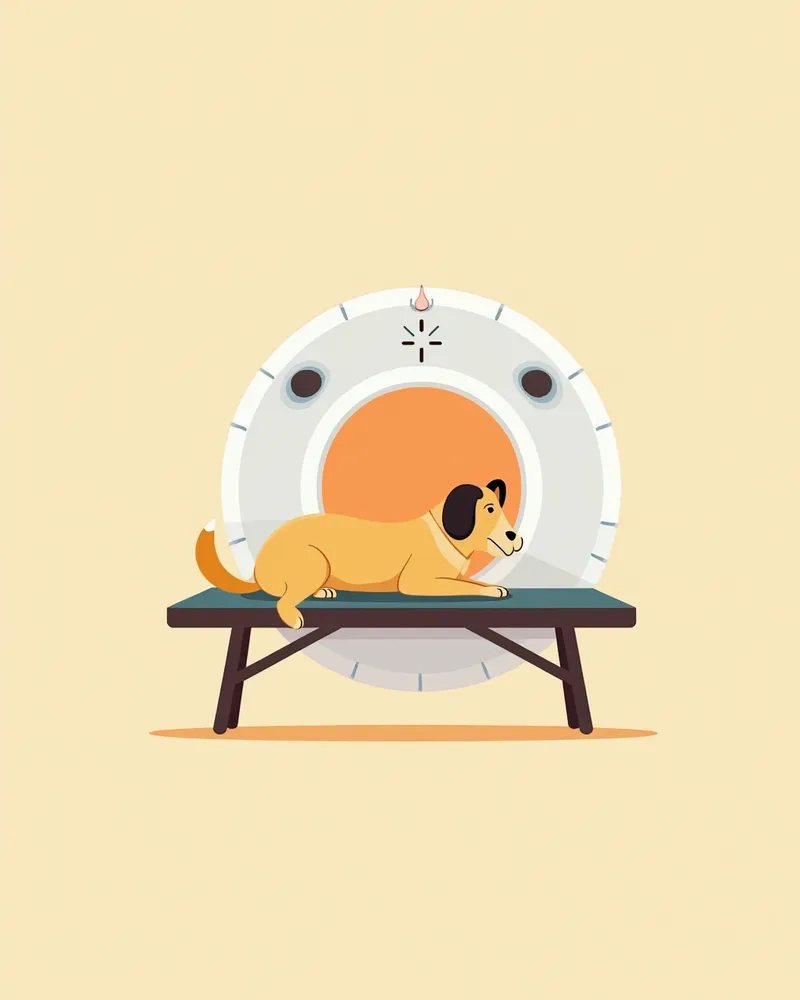
Nasal tumors are accurately diagnosed through a combination of various tests. - Imaging tests: X-rays or CT scans are used to identify abnormal lesions inside the nasal cavity. - Endoscopy: This allows direct visualization of the nasal interior and enables tissue sampling for cytological analysis. - Biopsy results: These play a crucial role in determining the tumor type and malignancy. - Additional tests: Chest X-rays, abdominal ultrasounds, and, if necessary, MRIs are utilized to assess for metastasis. - Comprehensive diagnosis: Treatment plans are developed by integrating the results from all tests. An accurate diagnosis is the first step toward effective treatment.
A puppy lying on a CT scanner

What are the treatment options for nasal tumors?
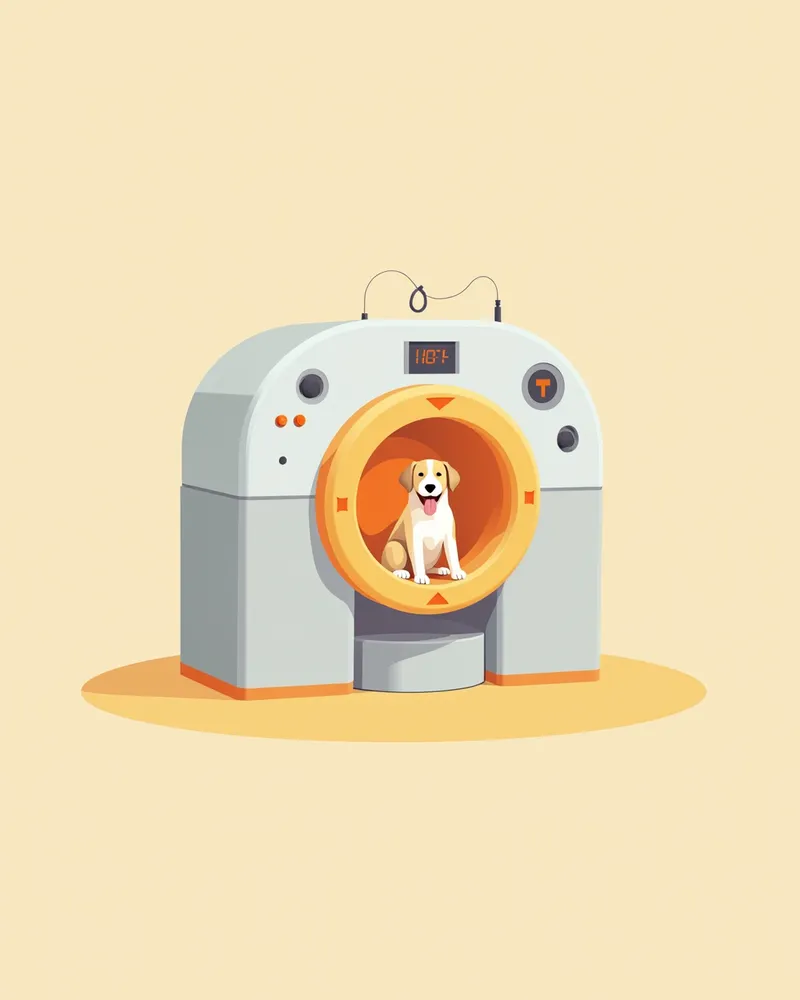
Treatment for nasal tumors is determined by the tumor’s size, location, malignancy, and degree of local invasion. The main treatment options are radiation therapy, surgery, and chemotherapy. Radiation therapy is the most commonly used core treatment; it delivers focused radiation to the tumor site to help control symptoms such as nasal discharge and epistaxis, and to extend survival time. Because surgery alone does not alleviate symptoms or prolong survival, it is primarily performed as an adjunctive measure to reduce residual tumor after radiation therapy. Chemotherapy is used when radiation therapy is not feasible or as an adjunctive treatment for certain tumors, such as lymphoma.
A puppy undergoing radiation therapy inside the treatment equipment.

Comparison table of nasal tumor treatments

ItemEfficacySide EffectsSuitability
Radiation TherapyHigh (most commonly used)Stomatitis, dermatitis, cataracts, fatigueThe core treatment for nasal tumors; effective for symptom control
SurgeryLow effect on symptoms and survival when used aloneBleeding, infection, facial deformityMainly used adjunctively, such as debulking residual tumor after radiation therapy
ChemotherapyLowDecreased appetite, vomiting, lowered blood countsAn adjunctive therapy when radiation therapy is difficult or in cases such as lymphoma

Treatment selection is decided by the veterinarian based on the tumor's characteristics and the individual situation.

What is the prognosis for nasal tumors?

The prognosis for nasal tumors varies significantly depending on early diagnosis and the treatment approach. Without treatment, the average survival time is short, around three months (95 days), and tends to be even shorter if accompanied by nosebleeds (epistaxis). With curative radiation therapy, the average survival time is reported to be approximately 8 to 20 months. Surgery alone does not improve symptoms or survival, so it is not recommended as a standalone treatment. Although nasal tumors rarely metastasize, the prognosis worsens if metastasis occurs. Early detection and appropriate treatment can slow disease progression and maintain quality of life, making regular follow-up examinations essential.
A puppy sitting comfortably

Points for pet owners to note

Nasal tumors often present with subtle early signs that pet owners can easily overlook. If your pet experiences recurrent nasal discharge or nosebleeds from only one nostril, or if you notice facial asymmetry, seek veterinary care immediately. Regular check-ups are essential during treatment, and close monitoring for potential side effects is crucial. Collaborating closely with your veterinarian to develop a tailored treatment plan is key to ensuring the best possible outcome.

Reviewed by a veterinarian

Dr. Tony — Punnawat Phongkittirak

Dr. Tony — Punnawat Phongkittirak

Veterinarian

A veterinarian who majored in veterinary medicine at Khon Kaen University, Thailand, and completed the IVSA program at North Carolina State University in the United States. Drawing on clinical experience at animal hospitals, he works in the pet healthcare field and is dedicated to building a digital care environment that connects pet parents with veterinarians.

Frequently Asked Questions

Are there genetic factors involved in canine nasal tumors?
Nasal tumors are more frequently reported in certain breeds, such as Whippets and Dachshunds. However, genetic factors have not been clearly identified, and these tumors may result from a combination of genetic and environmental influences.
Can nasal tumors recur after treatment?
Yes, nasal tumors are highly locally invasive, which means they have a high risk of recurrence. Even after surgery or radiation therapy, some tumor cells may remain, making regular follow-up examinations essential.
Should I always consult a veterinarian if a nasal tumor develops?
Yes, if nasal discharge or nosebleeds persist, or if your pet’s face becomes asymmetrical, consult a veterinarian immediately. Early diagnosis significantly improves the chances of successful treatment.
How can we maintain a dog’s quality of life while treating a nasal tumor?
During treatment, consistently monitor your pet’s appetite, activity level, and emotional state, and work with your veterinarian to establish a plan for managing any side effects. Providing a comfortable environment and emotional support is essential.
Can nasal tumors be transmitted to other dogs?
Most nasal tumors are not contagious and won’t spread to other dogs through everyday contact. However, careful observation by pet owners is essential for early detection and treatment.

Share

Related Guides

References

[1] Penninck, D.G., et al. (1998). Ultrasonography of canine gastric epithelial neoplasia. Veterinary Radiology & Ultrasound, 39(4), 342–348.

[2] Hostetter, S.J. (2023). Oral cavity, gastrointestinal tract, and associated structures. In Canine and Feline Cytology: A Color Atlas and Interpretation Guide, 2nd edn. Saunders Elsevier.

[3] Dernell, W.S., et al. (1998). Multilobular osteochondrosarcoma in 39 dogs: 1979–1993. Journal of the American Animal Hospital Association, 34(1), 11–18.

This information is based on veterinary literature and does not replace diagnosis or treatment. Please consult a veterinarian for specific health concerns.

Metapet Co., Ltd. | CEO: Park Sung-yong | Business Reg. No. 417-88-02562 | Seoul, South Korea | Customer Center

Dog Nosebleeds & Sneezing: Nasal Tumor Signs? Key Q&A | Meongsiljang