Like
Share
멍실장
간사료 완벽 가이드: 간 질환 처방식 사료 선택과 급여법

The Complete Guide to Hepatic Diets: Selecting and Feeding Prescription Liver Diets

Liver HealthQ&AMeongsiljang Veterinary Advisory Board

We’ve compiled a practical guide based on veterinary evidence, outlining the key features, selection criteria, and proper feeding methods for prescription diets formulated for liver disease. This resource is designed to support pet owners whose animals have elevated liver enzymes or have been diagnosed with liver conditions.

What Are Hepatic Diets and When Should They Be Fed?
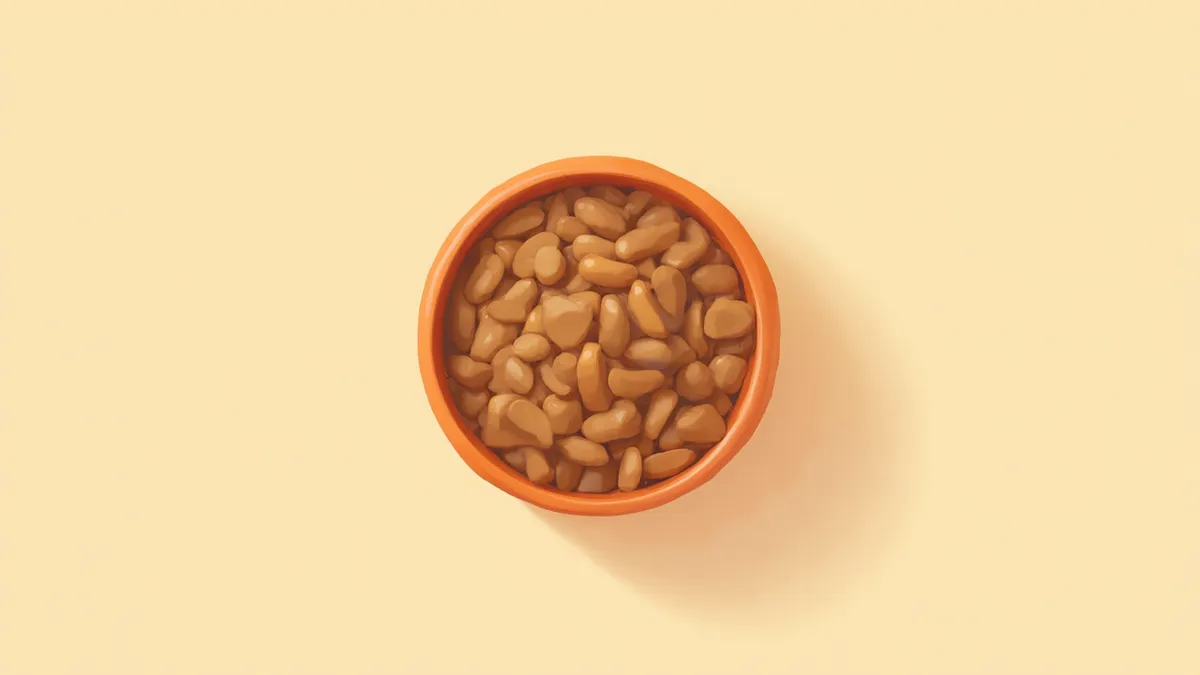
Prescription dry food for liver disease, served in a ceramic bowl
Hepatic diets are veterinarian-prescribed foods formulated to reduce the burden on the liver in pets with liver disease, with adjusted protein quantity and quality, copper content, and fat ratios. The most important point is that these diets should never be fed without a veterinary diagnosis. After confirming liver values (ALT, ALP, bile acids) through blood tests, the appropriate prescription diet must be selected based on the specific type of liver disease (hepatitis, liver failure, portosystemic shunt, cholestasis, etc.).

How Hepatic Diets Differ from Standard Pet Foods

Hepatic diets differ fundamentally in their ingredient composition from standard pet foods. They are specifically designed to reduce the metabolic burden on a compromised liver. - Protein: In liver disease without hepatic encephalopathy (HE), protein is not excessively restricted. Even in cases of portosystemic shunt (PSS), if HE is absent, the principle is to avoid overly reducing protein intake. Only when encephalopathy is present should easily digestible plant-based and dairy proteins (such as soy and whey) be prioritized to minimize ammonia production. Unnecessary protein restriction can worsen malnutrition. - Copper: Copper content is reduced to prevent copper-associated hepatotoxicity in dogs. Dietary copper management is a crucial component of managing copper-storage liver disease. - Zinc, Vitamins, and Minerals: Liver disease can be accompanied by abnormalities in vitamin and mineral metabolism. Therefore, nutrients prone to deficiency are supplemented, and their balance is carefully adjusted. - Fat: If energy intake is insufficient, protein may be broken down for energy, potentially increasing ammonia production. Thus, adequate energy is supplied through carbohydrates and fats. If cholestasis is present, fat levels are adjusted according to the patient’s tolerance. - Sodium: A low-sodium diet is recommended when ascites is present.

Key Comparison: Standard Pet Food vs. Hepatic Prescription Diets

ItemRegular FoodLiver Prescription Diet
Protein Content20–30%Restricted only when accompanied by HE; avoid excessive restriction for non-HE liver disease (prioritize high-quality protein)
Copper ContentNormal levelLow content
Zinc / Vitamin EStandardEnhanced
SodiumNormalLow sodium
Purchase ConditionsFreely availableVeterinary prescription recommended

Protein restriction is applied differently depending on the presence of hepatic encephalopathy. Please check the product label and veterinary prescription for exact figures.

Which Diet Is Right for Which Liver Disease?

Even with the same liver disease, dietary needs vary depending on the cause. - Copper-accumulating hepatitis (Bedlington Terriers, West Highland White Terriers, etc.): Low-copper, high-zinc prescription - When hepatic encephalopathy (HE) is present: Adjust to focus on plant-based and dairy proteins (such as soy, whey, and cottage cheese) to reduce ammonia production. It is best to avoid proteins from red meat, fish, and organ meats. For patients with portosystemic shunts without HE, the principle is to maintain an appropriate amount of protein without excessive restriction, while monitoring tolerance. - Bile stasis and gallbladder mucoceles: Low-fat, high-fiber - Chronic liver failure: Maintain energy density + small amounts of high-quality protein The specific type can be distinguished through ultrasound and blood tests.
A veterinarian examining a dog's liver using an ultrasound monitor

Self-Prescribing Hepatic Diets Is Dangerous

Feeding liver-support diets on your own just because liver enzyme levels are slightly elevated can actually be harmful. For example, indiscriminately feeding a low-protein diet to a patient with liver failure can lead to muscle loss, and feeding a high-fat diet to a patient with cholestasis can worsen their symptoms. It is essential to follow the proper sequence: veterinary diagnosis, confirmation of the specific disease type, and matching with the appropriate prescription diet.

Transitioning to Hepatic Diets and Feeding Amounts

Transition to liver-supportive food gradually over at least 7–10 days. Sudden changes commonly lead to decreased appetite and vomiting. - Days 1–3: 75% current food + 25% liver-supportive food - Days 4–6: 50:50 ratio - Days 7–9: 25% current food + 75% liver-supportive food - From day 10 onward: 100% liver-supportive food Daily feeding amounts vary depending on your pet’s weight and the current stage of liver disease. Your veterinarian will determine the appropriate daily calorie intake and feeding frequency based on weight and test results.
Mixing the current food with a new food to transition to the new diet

Key Functional Ingredients in Hepatic Diets

Safe

S-아데노실메티오닌(SAMe)

간세포 보호·글루타치온 합성

Dosage: 체중별 처방

수의내과학 교과서 권장

Safe

실리마린(Silymarin, 밀크씨슬 추출물)

간세포 항산화·재생 보조

Dosage: 체중별 처방

수의약리학 교과서 수록

Safe

아연(Zinc)

구리 흡수 억제·간 보호

Dosage: 저함량 처방식에 기본 배합

Safe

L-카르니틴

지방 대사·간 지방증 예방

Dosage: 처방식에 기본 배합

Signs to Monitor When Feeding Hepatic Diets

Here are key points for you to monitor after switching to a liver-support diet: - Weight changes: Weigh your pet once a week. Contact us if weight drops by 5% or more over two weeks. - Appetite: Visit the clinic if your pet eats less than half of their usual amount for two consecutive days. - Energy levels: Difficulty standing, stumbling, or dullness may indicate hepatic encephalopathy. - Stool: Gray or clay-colored stools can signal bile issues. - Jaundice: Seek immediate veterinary care if the gums or whites of the eyes turn yellow. We’ll recheck liver values through blood tests every 2 to 4 weeks.

Foods to Absolutely Avoid with Hepatic Diets

These are common foods that can reduce the effectiveness of liver-support diets. Mixing treats, human food, or regular pet food with liver diets is strictly prohibited. - Liver and organ meats (risk of copper accumulation) - Salty treats and dried meat (high sodium) - Nuts, avocados, and grapes - High-fat dairy products - Human medications (acetaminophen and ibuprofen are hepatotoxic) Liver-support diets should always be fed as the sole diet.

Reviewed by a veterinarian

Dr. Tony — Punnawat Phongkittirak

Dr. Tony — Punnawat Phongkittirak

Veterinarian

A veterinarian who majored in veterinary medicine at Khon Kaen University, Thailand, and completed the IVSA program at North Carolina State University in the United States. Drawing on clinical experience at animal hospitals, he works in the pet healthcare field and is dedicated to building a digital care environment that connects pet parents with veterinarians.

Frequently Asked Questions

Should I feed my pet liver-based food for their entire life?
It depends on the type of liver disease. With acute hepatitis, your pet can usually transition back to a regular diet once they’ve recovered. However, for chronic liver failure, copper-associated hepatitis, or portosystemic shunts, lifelong management with a therapeutic diet is often necessary. Your veterinarian will determine the best approach through blood tests every three to six months.
Can I give my cat dog treats?
No, that’s not recommended. Cats have different protein and nutrient requirements than dogs, including a need for the essential amino acid taurine. Long-term feeding of dog treats to cats may fail to meet their nutritional balance, potentially leading to health issues. Always use prescription treats specifically formulated for cats.
My pet’s liver enzymes are slightly elevated. Is it safe to give this supplement as a preventive measure?
I don’t recommend it. A simple rise in those numbers can be caused by dehydration, medications, or temporary stress. Prescription diets have specific restrictions, such as reduced copper content, so feeding them long-term to a healthy pet can actually lead to nutritional imbalances. You should only decide whether to use a prescription diet after a veterinarian has diagnosed the condition and confirmed whether a disease is present.
Can I mix a small amount of treats into my pet's regular food?
In principle, it’s not recommended. Prescription diets are formulated with precise ingredient ratios, so adding treats can disrupt the balance of protein, sodium, and copper. If your pet has trouble accepting the food, consult your veterinarian about using prescription-approved treats or suitable toppers for a safe solution.
Can I just give my pet silymarin or SAMe supplements instead of feeding liver-supportive food?
Supplements alone aren’t enough. The key to nutritional management of liver disease is directly controlling the burden of protein, copper, sodium, and other nutrients through the diet itself. While supplements may offer some benefit, they cannot replace dietary management with a prescription diet. Please consult your veterinarian to determine whether to use supplements and how to combine them with a prescription diet.

Share

Related Guides

References

[1] Fascetti AJ, Delaney SJ. Applied Veterinary Clinical Nutrition, 2nd Ed - Chapter 8 Commercial and Home-Prepared Diets

[2] Schaer M, Gaschen F. Clinical Medicine of the Dog and Cat, 4th Ed - Section V Elements of Therapy

[3] Little S. The Dog Care Handbook: Things I Wish My Vet Had Told Me, 2024

This information is based on veterinary literature and does not replace diagnosis or treatment. Please consult a veterinarian for specific health concerns.

Metapet Co., Ltd. | CEO: Park Sung-yong | Business Reg. No. 417-88-02562 | Seoul, South Korea | Customer Center

Hepatic Diets Guide: Choosing & Feeding Liver Prescriptions | Meongsiljang