Like
Share
멍실장
고양이 건강검진 비용과 검사 항목 총정리

Cat Health Checkup Costs and Test Items: A Complete Guide

ImmunityQ&AMeongsiljang Veterinary Advisory Board

Cat health checkup costs typically range from $40 to $70 for basic exams and $100 to $200 for comprehensive exams. I’ve organized the recommended tests and checkup intervals by age, based on veterinary textbooks.

How Much Does a Cat Health Checkup Cost?
An illustration of a cat undergoing a health check-up at a veterinary clinic.
The cost of a cat health checkup varies depending on the scope of tests, such as blood work, imaging, and urinalysis, as it is a routine medical expense. A basic checkup (physical exam + blood test) typically costs between $40 to $70, while a comprehensive checkup including imaging usually ranges from $100 to $200. Since prices can vary by clinic and region, it’s best to confirm the cost before your visit. Cats have a strong instinct to hide pain, so by the time owners notice something is wrong, the condition has often progressed significantly. Veterinary internal medicine textbooks emphasize the importance of regular checkups for early detection before symptoms appear. The key to health checkups is getting them done while your cat is still healthy.

Test Items Included in a Basic Health Checkup

A basic health checkup for cats typically includes the following components:
Physical Examination: The veterinarian examines the eyes, ears, mouth, skin, and lymph nodes, and listens to the heart and lungs with a stethoscope. Changes in body weight are also an important health indicator.
Complete Blood Count (CBC): This test checks red blood cell, white blood cell, and platelet counts to detect anemia, infection, or inflammation.
Serum Biochemistry Panel: This evaluates liver and kidney function, blood glucose, and electrolyte levels. Because cats are prone to chronic kidney disease, this test is especially important.
Urinalysis: This assesses kidney function and checks for urinary tract infections. It should be interpreted alongside blood test results for an accurate evaluation of kidney health.

Cost Ranges by Test Item at a Glance

The following is a general cost range based on typical veterinary clinic standards. Please note that prices can vary significantly depending on the clinic’s size and location, so use this information for reference only.
Test ItemApproximate CostWhat It Checks
Physical Examination$10 to $20Overall condition, weight, auscultation
Complete Blood Count (CBC)$10 to $30Anemia, infection, inflammation
Serum Biochemistry Panel$20 to $50Liver, kidney, and blood sugar function
Urinalysis$10 to $30Kidney and urinary tract health
X-ray$20 to $40Chest and abdominal structure assessment
Abdominal Ultrasound$40 to $70Detailed internal organ evaluation
Thyroid Hormone Test$20 to $40Recommended for senior cats aged 7 and older

Why Are Blood Tests So Important?

Blood tests are a cornerstone of feline health screenings because cats can appear perfectly healthy on the outside while experiencing underlying organ dysfunction. This is particularly important for chronic kidney disease, one of the most common conditions in cats, which often presents no obvious clinical signs in its early stages. Regular monitoring of kidney function markers through serum biochemistry tests is key to early detection. As a prevalent condition in senior cats with an incidence that increases with age, routine blood and biochemical testing becomes even more critical. For cats aged seven and older, it is also advisable to include thyroid hormone testing. Hyperthyroidism, an endocrine disorder primarily affecting senior cats, is another reason why early detection through regular check-ups is strongly recommended.
An illustration of a cat health checkup showing blood test items

Check This Before Your Health Checkup

To ensure accurate blood test results, your pet may need to fast for 8–12 hours before the checkup. Please allow free access to water. If a urinalysis is included, you may be asked to bring a first-morning urine sample, so be sure to confirm this with the clinic when making your appointment. Since travel stress can affect blood glucose levels, it’s a good idea to make the journey as comfortable as possible by placing a familiar blanket inside the carrier.

Recommended Health Checkup Intervals by Age
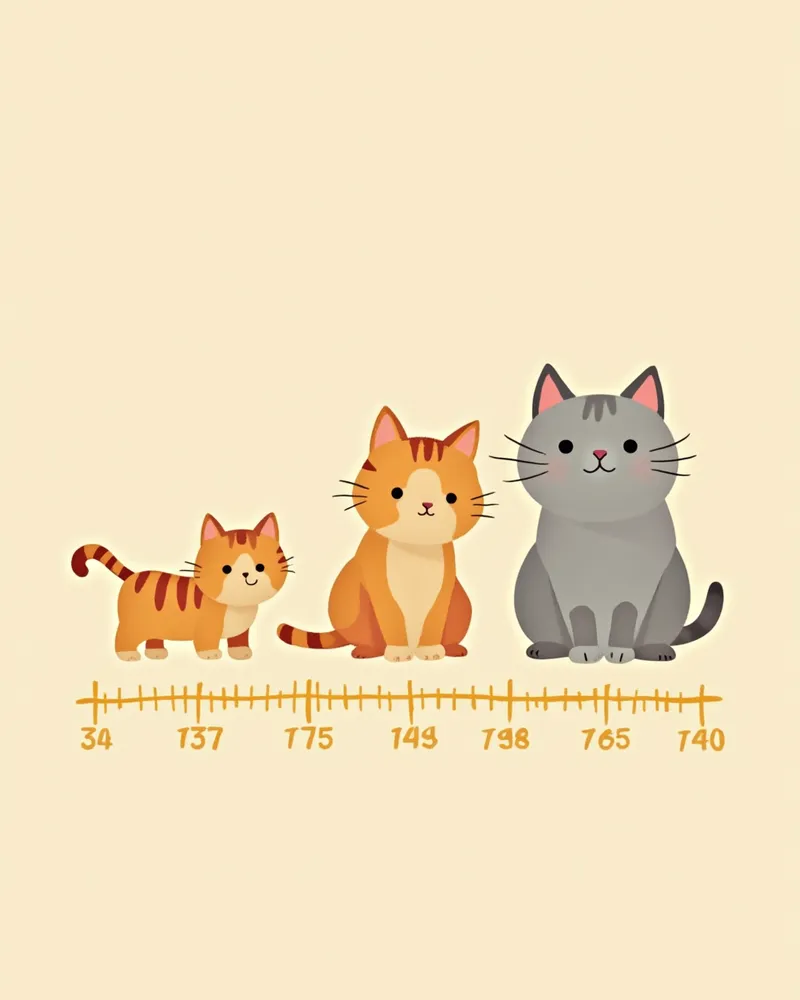
This is the recommended schedule for cat health checkups, based on guidelines from the American Animal Hospital Association and veterinary internal medicine textbooks.
1–6 years (Adult cats): We recommend a basic checkup once a year. For healthy adult cats, a physical examination and basic blood tests are sufficient.
7–10 years (Middle-aged cats): We recommend checkups every six to twelve months. Starting at this stage, it is advisable to add thyroid hormone testing and blood pressure monitoring.
11 years and older (Senior cats): We recommend a comprehensive checkup every six months. This is a critical period for the early detection of age-related conditions such as chronic kidney disease, hyperthyroidism, and diabetes.
An illustration showing the recommended health check-up schedule for cats by age group.

Basic vs. Comprehensive Checkup: How to Choose?

For healthy, young cats, an annual basic checkup is usually sufficient. However, consider a comprehensive exam if any of the following apply: When a comprehensive exam is recommended: - Senior cats aged 7 years or older - Recurring mild symptoms such as vomiting, diarrhea, or weight loss - Ongoing management of chronic conditions (e.g., kidney or thyroid disease) - Borderline results from previous checkups A comprehensive exam includes all components of a basic checkup, plus additional tests such as X-rays, abdominal ultrasound, and thyroid function tests. Many clinics offer these as bundled packages, which can be more cost-effective than paying for each test individually.
An illustration comparing basic and comprehensive health checkups

If You See These Symptoms, Seek Veterinary Care Immediately Instead of a Routine Checkup

If your cat suddenly loses its appetite for more than two days, fails to urinate at all, or strains without producing urine, do not wait for a routine check-up—visit an animal hospital immediately. In male cats, urethral obstruction is a life-threatening emergency that can progress rapidly, requiring prompt veterinary care as soon as symptoms appear. Sudden weight loss, difficulty breathing, and pale gums are also signs of an emergency.

Reviewed by a veterinarian

Dr. Tony — Punnawat Phongkittirak

Dr. Tony — Punnawat Phongkittirak

Veterinarian

A veterinarian who majored in veterinary medicine at Khon Kaen University, Thailand, and completed the IVSA program at North Carolina State University in the United States. Drawing on clinical experience at animal hospitals, he works in the pet healthcare field and is dedicated to building a digital care environment that connects pet parents with veterinarians.

Frequently Asked Questions

Do indoor cats need health checkups too?
Yes, it’s absolutely necessary. Indoor cats can develop internal health issues such as obesity, diabetes, and chronic kidney disease just like outdoor cats. In fact, their lower activity levels may put them at an even higher risk for obesity, making regular check-ups especially important.
My cat gets so stressed during health checkups. What can I do to help?
Keep the carrier open at home so your cat can get used to it. Place their favorite blanket inside and spray a calming pheromone to help them feel more comfortable. Choosing a cat-friendly veterinary clinic is also a great option.
Can pet insurance help reduce the cost of health checkups?
Most pet insurance policies cover the cost of treating illnesses, but preventive health check-ups are often excluded from coverage. However, some insurance plans offer discounts for health screenings, so be sure to review the policy details.
The test results are slightly outside the normal range. Is that okay?
Slight deviations in test results can occur due to temporary factors like stress or dehydration. However, self-diagnosis can be risky. We recommend bringing your results to a veterinarian for a comprehensive evaluation and consultation.
When should kittens start getting regular health checkups?
It’s a good idea to have your pet undergo a basic physical exam during their first visit right after adoption. From there, your veterinarian will monitor their health alongside the vaccination schedule. A comprehensive health checkup, including blood tests, can begin once your pet reaches one year of age.

Share

Related Guides

References

[1] The Cat: Clinical Medicine and Management (Susan Little) — Chapter 2: The Cat-Friendly Practice, Preventive Healthcare

[2] Textbook of Veterinary Internal Medicine, 8th Ed (Ettinger, Feldman, Côté) — Section: Feline Preventive Healthcare

[3] AAHA Senior Care Guidelines for Dogs and Cats (2023 Revision)

[4] Feline Medicine and Therapeutics, 3rd Ed (Chandler, Gaskell, Gaskell) — Chapter 3: Clinical Examination and Diagnostic Testing

This information is based on veterinary literature and does not replace diagnosis or treatment. Please consult a veterinarian for specific health concerns.

Metapet Co., Ltd. | CEO: Park Sung-yong | Business Reg. No. 417-88-02562 | Seoul, South Korea | Customer Center

Cat Health Checkup Costs and Test Items: Full Guide | Meongsiljang