Like
Share
멍실장
고양이 방광 신경 자극 치료 자주 묻는 질문 Q&A — 보호자가 꼭 알아야 할 핵심

Frequently Asked Questions About Bladder Neuromodulation Therapy for Cats — Key Information Every Pet Owner Should Know

UrinaryQ&AMeongsiljang Veterinary Advisory Board

Bladder neuromodulation therapy for cats is an innovative approach to alleviating chronic bladder issues. We’ve compiled the essential information every pet owner should know in a Q&A format.

What is bladder neuromodulation therapy for cats?

Feline bladder hypersensitivity and recurrent urinary issues are primarily managed through stress reduction, environmental and dietary adjustments, and medication when necessary. There is no established standard treatment involving direct electrical stimulation of the bladder nerves. - Bladder-Nerve Connection: Chronic stress can disrupt the neural regulation between the brain and the bladder, potentially leading to conditions such as feline idiopathic cystitis (FIC). - Managing Chronic Bladder Issues: For cats with chronic cystitis or recurrent functional disorders, symptom improvement can be expected through a combination of environmental modifications, dietary management, and medication. - Medication Options: Depending on the veterinarian’s assessment, medications such as smooth muscle relaxants (e.g., prazosin) or skeletal muscle relaxants (e.g., diazepam) may be prescribed for urinary dysfunction. - Long-Term Stability: Effective management of stress and environmental factors can stabilize urinary patterns and reduce the likelihood of symptom recurrence. - Veterinarian-Guided Care: If symptoms recur, it is important to collaborate with your veterinarian to evaluate underlying causes and maintain regular monitoring.
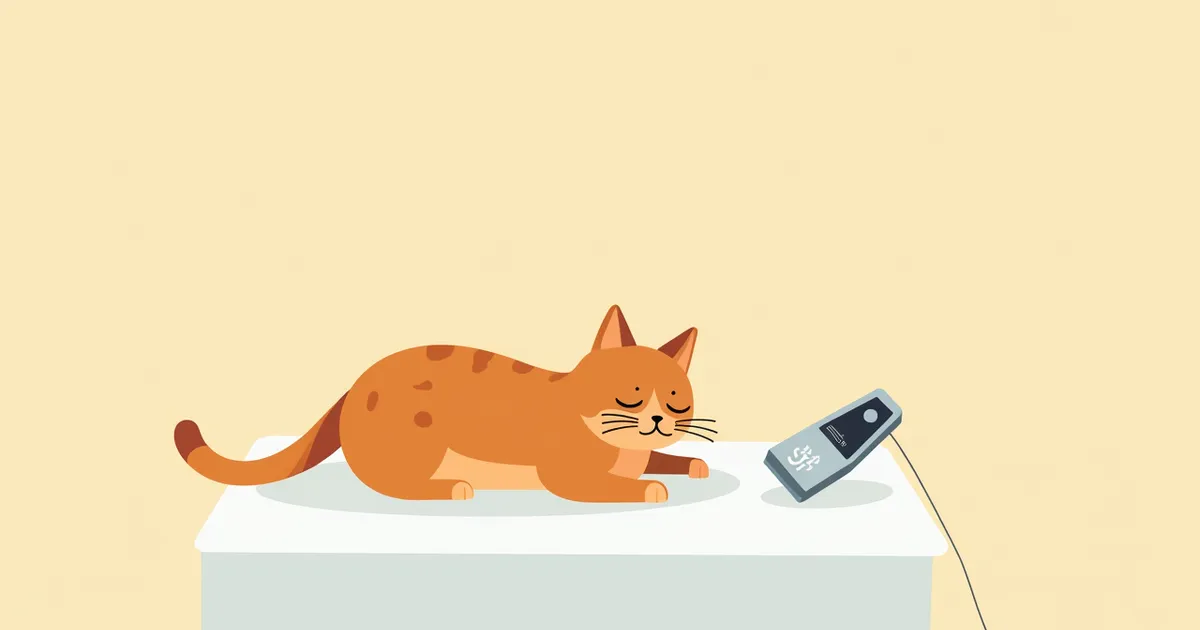
A veterinarian implanting a nerve stimulation device near a cat’s lower back.

Which cats are suitable for this treatment?
For cats with recurrent chronic cystitis, difficulty urinating, or declining bladder function, it is essential to evaluate the underlying cause and implement a comprehensive management plan involving environmental, dietary, and medication adjustments. - Recurrent Urinary Issues: Stress, environmental changes, and dietary factors can contribute to these problems. A veterinarian should evaluate your cat to identify the specific cause and establish an appropriate management plan. - Monitoring During Medication: When medications are used long-term, regular monitoring of liver and kidney values, as well as blood pressure, is recommended to adjust treatment as needed. - Decline in Quality of Life: If pain or stress leads to reduced activity or heightened stress responses, improving the home environment is crucial. - Need for Precise Diagnosis: A veterinarian should use urine tests, ultrasound, and contrast imaging to rule out bladder stones or other underlying causes. - Individualized Care: Management strategies should be tailored to each cat’s specific environment, eating habits, and stress responses.
A cat resting comfortably with a small therapeutic device inserted in its lower back

How is the treatment process carried out?

Managing chronic urinary issues in cats begins with an accurate diagnosis and a thorough assessment of the underlying causes. - Device insertion is not standard practice: Veterinary textbooks do not include procedures for inserting devices into the bladder nerves. Instead, management focuses on environmental, dietary, and pharmacological adjustments rather than surgical intervention. - Initial adjustments: We primarily monitor the cat’s response and evaluate the effectiveness of improvements such as environmental enrichment, dietary changes, and reduction of psychological stress. - Timeline for improvement: Symptom relief is typically observed over several weeks following environmental adjustments, though the exact timeline varies depending on the cat’s condition and the level of care provided. - Long-term management: Regular veterinary check-ups and ongoing environmental monitoring help assess whether symptoms recur, allowing for strategic adjustments as needed. - Adapting to daily life: To enhance your cat’s quality of life, it is important to introduce environmental changes gradually and provide a stable, secure setting.
How a nerve stimulation device implanted under a cat's skin works

Bladder Neuromodulation Therapy for Cats vs. Standard Medication Therapy: A Comparison

ItemEnvironmental & Dietary ManagementDrug Therapy
Duration of EffectLong-term improvement possible through environmental and dietary controlEffect focused on symptom relief
Risk of Side EffectsLow (mainly environmental control)Depending on the drug, monitoring of gastrointestinal, liver, and kidney values and blood pressure is required
Treatment CycleContinuous environmental management and observationAdministration according to veterinary prescription
CostLow initial cost (mainly environmental adjustment)Inexpensive material cost

The choice of treatment is decided by the veterinarian based on the cat's condition and the owner's circumstances.

What are the key post-treatment management points?

Even after treatment, it’s important to consistently track your cat’s urination patterns and share them with your veterinarian. - Monitor urination: Record daily water intake, frequency of urination, and any signs of discomfort. - Check for health issues: Regularly look for abnormal signs such as pain during urination, blood in the urine, or difficulty urinating. - Reduce stress: Minimize sudden environmental changes or conflicts to help your cat feel secure. - Regular check-ups: Visit your veterinarian every 1–3 months to assess the effectiveness of the management plan. - Manage stress: Keep stressors like environmental changes or loud noises to a minimum.
A cat drinking water and leaving a urinary record.

Signs Requiring Immediate Veterinary Visit

If your cat is unable to urinate at all, shows severe pain, or has blood in its urine after treatment, you should go to the vet immediately. Inability to urinate can be a sign of an emergency such as urethral obstruction. Be cautious if your cat becomes lethargic, stops moving, or loses its appetite, as these could indicate an urgent situation.

What are the advantages and disadvantages of the treatment?
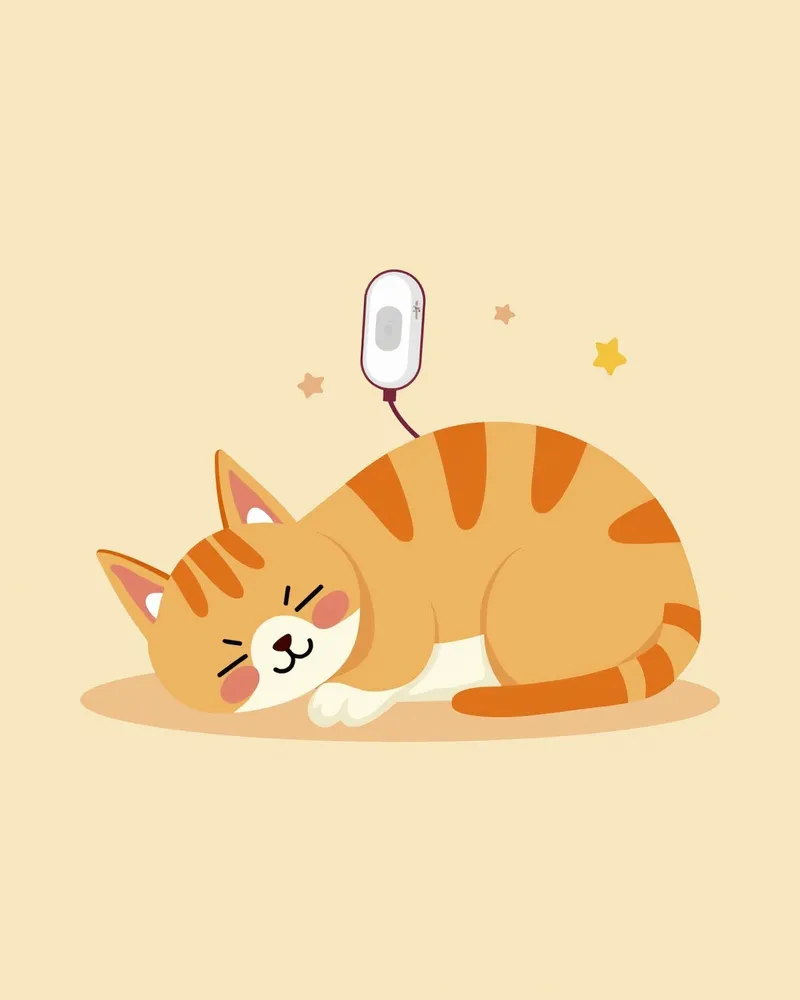
The main advantage is that long-term benefits can be expected without the risk of drug resistance or side effects. - Sustained pain relief: By reducing stress, improving the environment, and increasing water intake, urinary pain can be alleviated. - Improved quality of life: Environmental adjustments combined with stabilized urination frequency can reduce stress and help restore normal activity levels. - Reduced reliance on medication: With proper environmental management, the need for medication may decrease, allowing symptoms to remain under control. However, a key disadvantage is that ongoing consultation with a veterinarian is necessary, and effectiveness may vary depending on environmental changes. - Adaptation challenges: Significant environmental changes may cause stress in cats, so adjustments should be introduced gradually.
Comparison images of the cat's condition before and after treatment

Points to Note: Essential Checks Before Treatment

If your cat has serious underlying health conditions, the treatment approach may need to be adjusted, so a veterinarian should evaluate their overall health. Similarly, if your cat has previously undergone bladder surgery or other procedures, the management plan may differ. A vet must assess your cat’s general health and determine the feasibility of treatment. Always review test results before starting any treatment. - Assessment of Underlying Conditions: If there are significant conditions such as heart disease, additional veterinary judgment is required, as these can influence the treatment direction. - Presence of Underlying Conditions: If your cat has had other surgeries or suffers from chronic diseases, this may affect the efficacy and safety of treatment, requiring consultation with a veterinarian before making decisions. - Need for Detailed Examinations: Urinalysis, ultrasound, and blood tests are recommended to establish an accurate diagnosis and develop a treatment strategy. - Pre-Treatment Checks: After evaluating your cat’s overall health, a suitable treatment plan should be determined, and owners should receive thorough explanations.

Reviewed by a veterinarian

Dr. Tony — Punnawat Phongkittirak

Dr. Tony — Punnawat Phongkittirak

Veterinarian

A veterinarian who majored in veterinary medicine at Khon Kaen University, Thailand, and completed the IVSA program at North Carolina State University in the United States. Drawing on clinical experience at animal hospitals, he works in the pet healthcare field and is dedicated to building a digital care environment that connects pet parents with veterinarians.

Frequently Asked Questions

Does the treatment cause pain?
Standard management focuses on environmental and dietary adjustments, so surgery or device implantation is not required. When diagnostic tests are necessary, the veterinarian will perform them in a way that minimizes pain.
How long does it take for the treatment to take effect?
Symptoms typically improve with environmental and dietary adjustments, with noticeable responses usually seen within a few weeks. However, because individual responses can vary, regular monitoring is essential.
Does the device last a lifetime?
Textbooks don’t include a treatment involving the insertion of a device into the bladder nerves. Therefore, management focuses more on environmental adjustments than on the device itself.
Can it be managed at home?
While pet owners can handle routine care, it’s important to work with a veterinarian on environmental and dietary adjustments, as well as monitoring symptoms.
Can they live with other cats?
Environment- and diet-focused management won’t significantly disrupt your cat’s daily routine, and they can safely live with other cats. However, it’s important to minimize stressors in their environment.

Share

Related Guides

References

[1] Simpson, K.W., Fyfe, J., Cornetta, A. et al. (2001). Subnormal concentrations of serum cobalamin (vitamin B12) in cats with gastrointestinal disease. J. Vet. Intern. Med. 15: 26–32.

[2] Fry JK, Burney DP. Canine infectious respiratory disease. NAVC ...

[3] Barrs VR, Beatty JA, Tisdall PL, et al. Intestinal obstruction by trichobezoars in five cats. J Feline Med Surg. 1999;1:199.

This information is based on veterinary literature and does not replace diagnosis or treatment. Please consult a veterinarian for specific health concerns.

Metapet Co., Ltd. | CEO: Park Sung-yong | Business Reg. No. 417-88-02562 | Seoul, South Korea | Customer Center

Cat Bladder Neuromodulation Therapy: Your Questions Answered | Meongsiljang