Like
Share
멍실장
강아지 MRI 검사 비용과 필요한 경우

Dog MRI Scan Costs and When It Is Necessary

Brain & CognitionQ&AMeongsiljang Veterinary Advisory Board

MRI is the most accurate diagnostic tool for neurological conditions such as brain and spinal cord diseases in dogs. Based on veterinary textbooks, we’ve outlined when an MRI is necessary, the factors that influence its cost, and the step-by-step examination process.

Is a Dog MRI Scan Really Necessary?
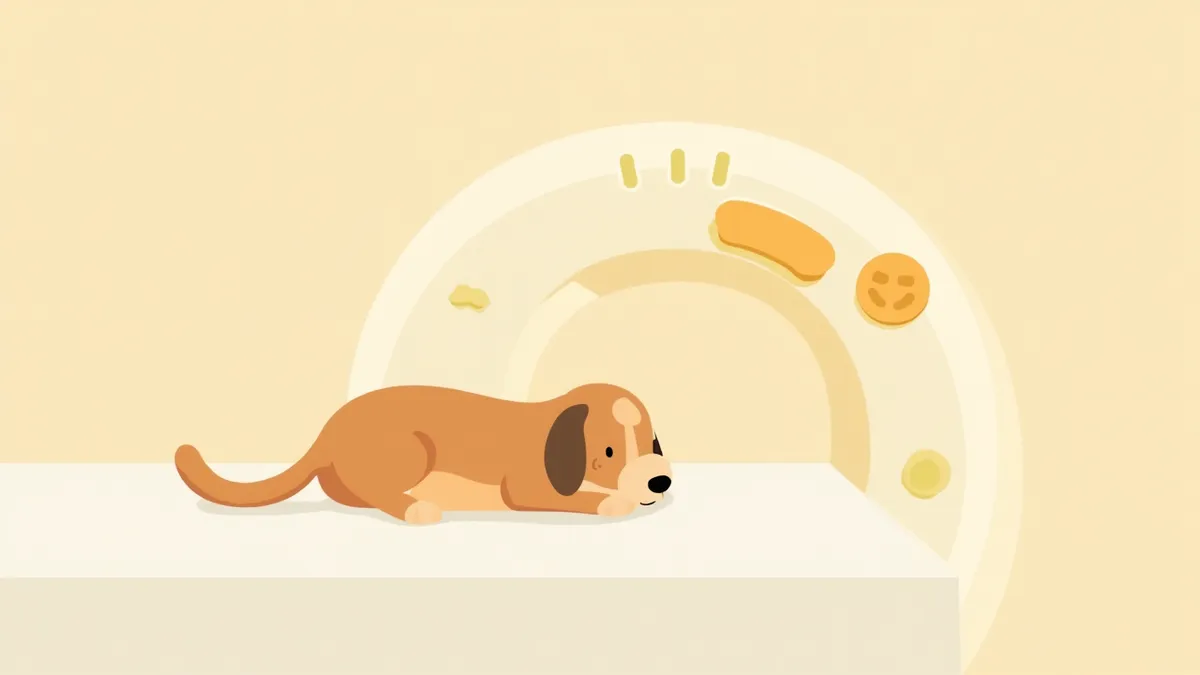
An illustration of a dog lying next to an MRI machine.
MRI scans for dogs are a diagnostic imaging technique that uses magnetic resonance imaging to precisely detect abnormalities in soft tissues such as the brain and spinal cord. It allows for clear visualization of the brain’s interior, spinal cord, and nerve tissues—structures that cannot be seen with X-rays or ultrasound. Costs vary significantly depending on the area being scanned, the hospital’s equipment, and the anesthesia method used, so it’s important to compare estimates from different clinics beforehand. Here’s a summary of when an MRI is needed and the factors that influence its cost.

What Is an MRI? How Does It Differ from an X-ray?

MRI stands for Magnetic Resonance Imaging. It uses strong magnetic fields and radio waves to create cross-sectional images of internal organs and tissues. While X-rays are excellent for visualizing hard tissues like bones, they do not clearly show soft tissues such as the brain, spinal cord, muscles, and ligaments. Because MRI provides highly detailed images of these soft tissues, it is considered the most accurate diagnostic tool for neurological conditions. According to veterinary neurology textbooks, MRI is the standard imaging method for diagnosing conditions such as brain tumors, encephalitis, spinal cord diseases, and disc disorders.

When an MRI Is Necessary

According to standard veterinary internal medicine textbooks, MRI is recommended in the following key situations: Seizures (convulsions): When seizures recur without a clear cause, an MRI helps check for tumors or inflammation inside the brain. Gait abnormalities: If your pet suddenly stumbles or circles in one direction, an MRI can help identify issues with the brain or vestibular system. Head tilt: A persistent head tilt to one side may signal a central nervous system disorder. Hind limb paralysis: Sudden paralysis of the hind legs could indicate spinal cord compression or a disc problem. Chronic pain: When the source of chronic pain is difficult to pinpoint, an MRI can reveal abnormalities in soft tissues.
Illustration of a puppy undergoing a neurological examination

What Factors Influence MRI Costs?

The cost of an MRI for your dog varies depending on several factors. It’s a good idea to consult with your veterinary clinic in advance to get an estimated cost.
FactorDescription
Area scannedCosts differ depending on whether only the brain is scanned or both the brain and spine are included.
Use of contrast agentIf a contrast agent is used to better visualize tumors or inflammation, the cost will increase.
Anesthesia methodGeneral anesthesia is required, and the cost of pre-anesthetic blood tests is also included.
Clinic equipmentThe type of MRI machine (low-field vs. high-field) affects both the cost and image resolution.
Body weightAnesthetic drug dosages are based on body weight, which can influence the overall cost.

General Anesthesia Is Required for an MRI Scan

To obtain clear MRI images, your dog must remain completely still during the scan, which is why general anesthesia is required. Before anesthesia, we assess the risk level through blood tests and cardiac examinations. For senior dogs or those with underlying health conditions, the veterinarian will adjust the anesthetic protocol accordingly. If your dog has heart disease or liver or kidney disease, please be sure to inform your veterinarian in advance.

How an MRI Scan Is Performed
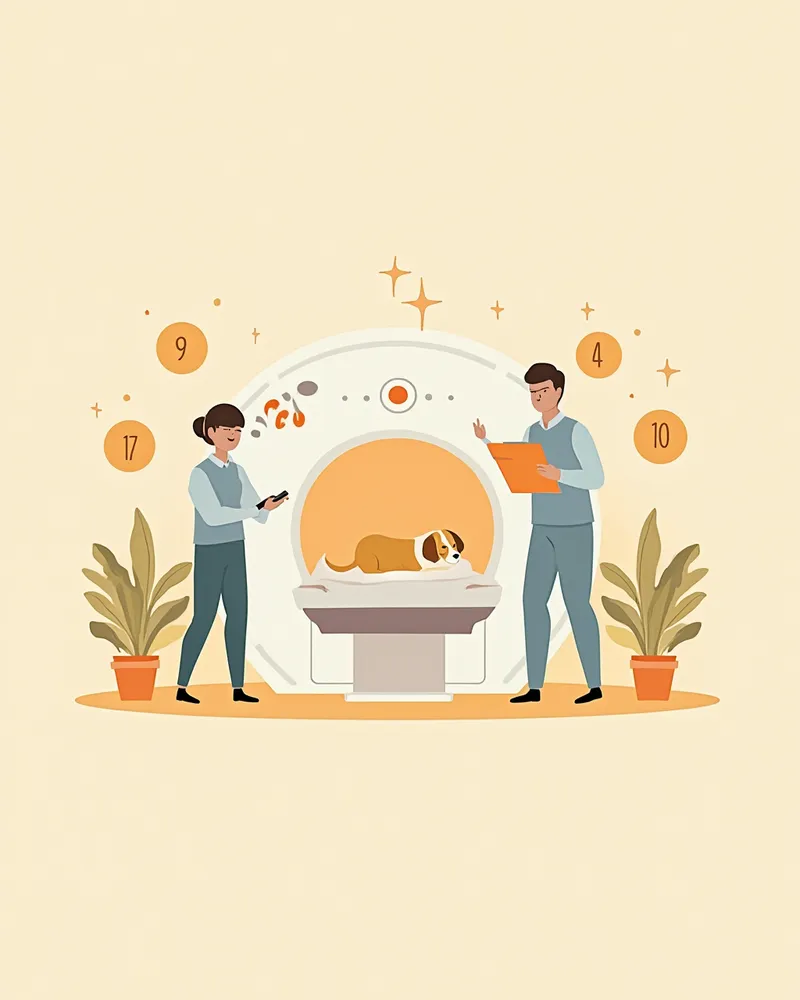
It’s natural to feel anxious about an unfamiliar examination process. Knowing the overall flow can help ease your mind.
Step 1 — Pre-examination tests: We perform blood tests, electrocardiograms (ECG), and other assessments to ensure anesthesia is safe for your pet. Fasting is required before anesthesia; the exact fasting duration depends on your dog’s condition and the anesthesia method, so please follow your veterinarian’s specific instructions in advance.
Step 2 — Anesthesia: General anesthesia is administered, and your pet is then positioned inside the MRI scanner.
Step 3 — Imaging: The scan typically takes 30 minutes to 1 hour, depending on the area being examined. If necessary, a contrast agent is administered for additional imaging.
Step 4 — Recovery: We closely monitor your pet as they wake up from anesthesia. The time it takes to recover varies, so please plan your schedule for the day of the exam with flexibility, following your veterinarian’s guidance.
An illustration of a dog lying calmly and steadily during an MRI scan.

What Are the Differences Between CT and MRI?

Veterinarians may recommend either a CT scan or an MRI, depending on the case, as each imaging modality excels at visualizing different areas of the body.
FeatureCTMRI
PrincipleX-rays (radiation)Magnetic fields + radio waves
Best for visualizingBones, lungs, abdominal organsBrain, spinal cord, muscles, ligaments
Scan duration10–20 minutes30 minutes–1 hour
AnesthesiaShort-acting sedation or general anesthesiaGeneral anesthesia required
Suitable for diagnosingFractures, lung diseases, tumor sizeBrain tumors, encephalitis, intervertebral disc disease, spinal cord disorders
If a neurological condition is suspected, an MRI is generally more appropriate; if bone or thoracic issues are suspected, a CT scan is usually the better choice.

How to Understand the Test Results

MRI scans are interpreted by a board-certified veterinary radiologist, and the results are explained to you by your attending veterinarian. According to veterinary internal medicine textbooks, these are some of the key abnormalities that can be identified on an MRI:
Brain tumors: An abnormal mass is visible within the brain tissue, and the tumor becomes more distinct after the administration of contrast dye.
Encephalitis: Changes in MRI signal intensity may be observed when inflammation occurs in the brain tissue. Neurological inflammatory diseases are often diagnosed by integrating MRI findings with cerebrospinal fluid analysis (including cytology, protein levels, and PCR testing for infectious agents).
Disc disease: The precise location and degree of compression caused by disc material pressing on the spinal cord can be accurately assessed.
Based on the MRI results, your veterinarian will determine the appropriate treatment plan. Please feel free to ask your attending veterinarian any questions you may have.
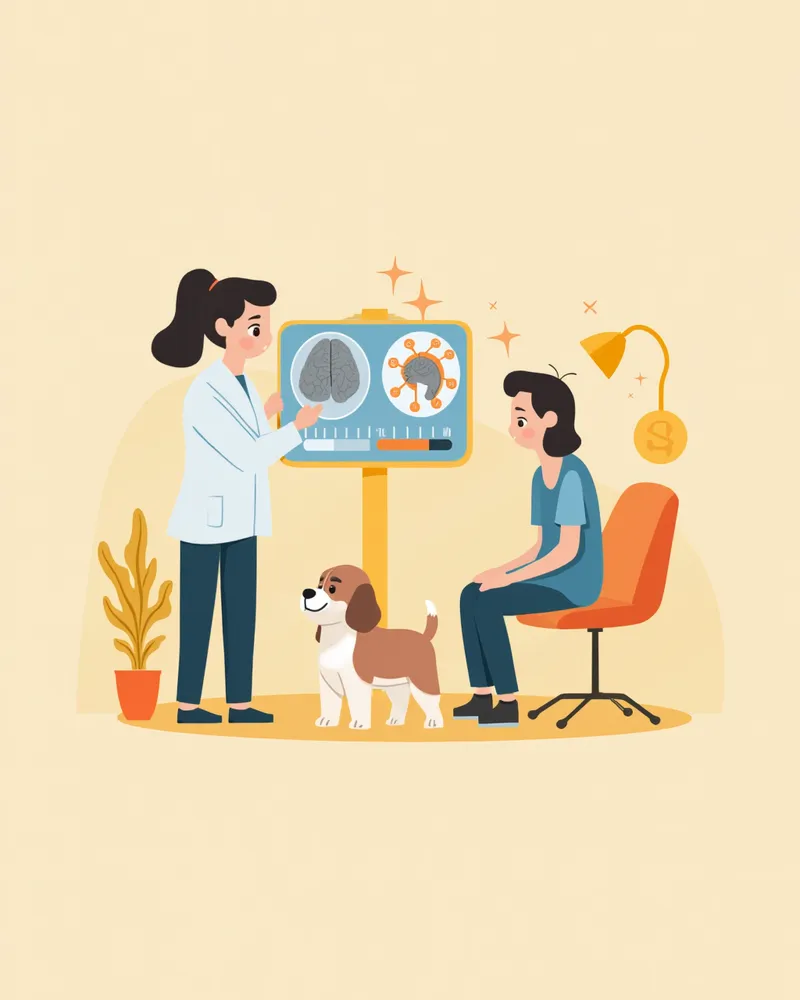
An illustration of a pet owner listening to a veterinarian explain MRI results.

Reviewed by a veterinarian

Dr. Tony — Punnawat Phongkittirak

Dr. Tony — Punnawat Phongkittirak

Veterinarian

A veterinarian who majored in veterinary medicine at Khon Kaen University, Thailand, and completed the IVSA program at North Carolina State University in the United States. Drawing on clinical experience at animal hospitals, he works in the pet healthcare field and is dedicated to building a digital care environment that connects pet parents with veterinarians.

Frequently Asked Questions

How long does an MRI scan take for a dog?
The imaging itself usually takes about 30 minutes to an hour, depending on the area being examined. Including time for anesthesia preparation and recovery, you can expect the entire process to take around half a day.
Isn't anesthesia for an MRI risky?
Before anesthesia, we check safety with blood and heart tests. For healthy puppies, the risk of anesthesia is relatively low. For older dogs or those with underlying conditions, the veterinarian will adjust the anesthesia method.
Can I use a CT scan instead of an MRI?
It depends on the condition. CT scans are better suited for bone or lung diseases, while MRI is far more accurate for neurological conditions affecting the brain or spinal cord. Your veterinarian will recommend the most appropriate test based on your pet's symptoms.
Is there anything I need to prepare before the MRI scan?
Fasting is required before the procedure to ensure safe general anesthesia. The exact fasting duration depends on your dog’s condition and the anesthesia method, so please confirm specific instructions with your veterinarian in advance. Be sure to inform your vet about any medications your dog is currently taking. On the day of the exam, it’s best to allow plenty of time for the visit.
Do MRI results come out right away?
After the imaging is taken, it takes time for a board-certified veterinary radiologist to interpret the results. Depending on the clinic, you may receive a preliminary assessment the same day, while a detailed diagnostic report may take several days.

Share

Related Guides

References

[1] Clinical Medicine of the Dog and Cat, 4th Ed — Chapter 14: Disorders of the Nervous System and Muscle

[2] Advanced Monitoring for Small Animal Emergency and Critical Care, 2nd Ed — Intracranial Pressure Monitoring

[3] Veterinary Neuroanatomy and Clinical Neurology, 4th Ed — de Lahunta, Glass, Kent

[4] BSAVA Manual of Canine and Feline Neurology, 4th Ed — Diagnostic Imaging of the Nervous System

This information is based on veterinary literature and does not replace diagnosis or treatment. Please consult a veterinarian for specific health concerns.

Metapet Co., Ltd. | CEO: Park Sung-yong | Business Reg. No. 417-88-02562 | Seoul, South Korea | Customer Center

Dog MRI Cost: When It's Needed & What Affects Price | Meongsiljang