

Causes and Management of Feline Aggression — Why the Sudden Biting and Scratching?
We’ve outlined the main causes of feline aggression (fear, territoriality, pain, and play) along with tailored strategies for each type. Learn the warning signs that require immediate veterinary attention and discover behavior modification techniques you can try at home—all in one place.
What Is Feline Aggression?
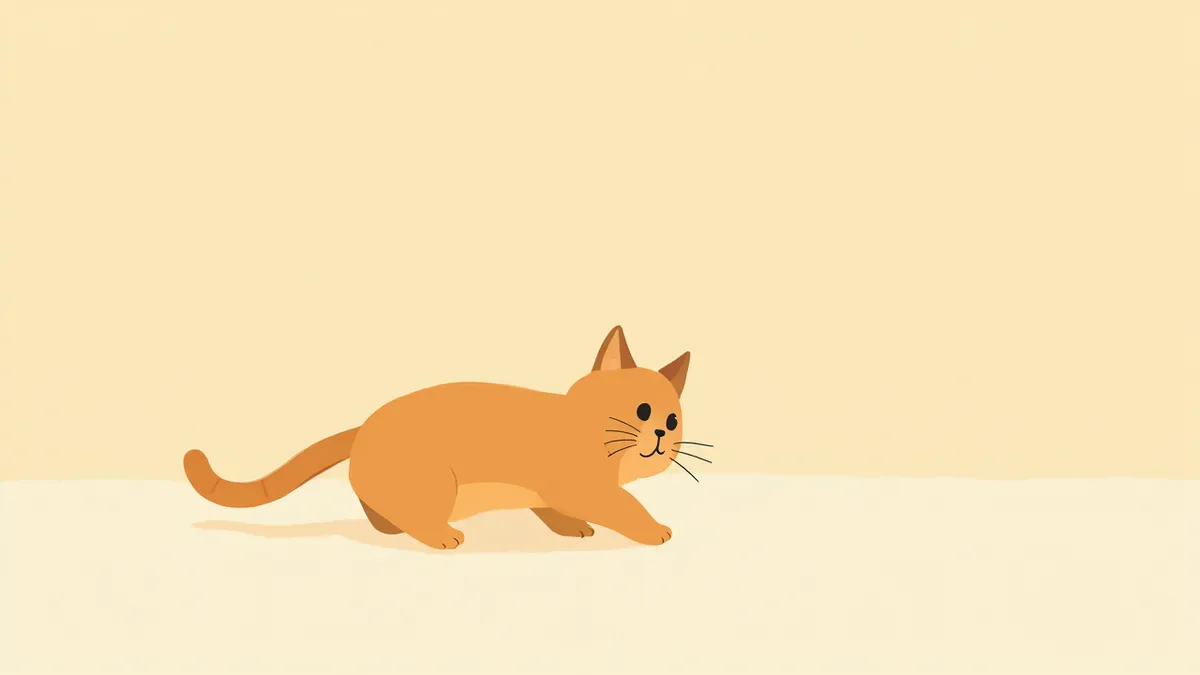
Why Does Feline Aggression Occur?
Comparison of Aggression Types by Characteristics
| Item | Fear-based | Territorial | Pain-based | Play-based |
|---|---|---|---|---|
| Main trigger | Strangers/sounds | New animal/moving house | Contact with a specific area | Moving hands and feet |
| Typical posture | Ears back/crouching | Tail straight/charging forward | Sudden reaction | Wiggling the hindquarters |
| When it occurs | When facing the stimulus | After an environmental change | Every time it is touched | When energy is excessive |
| First response | Keep distance/provide hiding spot | Separate/divide territory | Veterinary exam essential | Substitute with a toy |
Types often overlap, so professional consultation is recommended.
Checklist for Aggression Warning Signs

When to Seek Immediate Veterinary Care
If your usually calm cat has suddenly become aggressive, it could be a sign of pain or a neurological condition. Seek veterinary care as soon as possible if you notice any of the following: - Aggression that has recently started and was not present before - Aggression only when specific areas are touched (joints, abdomen, or mouth) - Appearing dazed or disoriented after aggressive episodes - Accompanying symptoms such as seizures, drooling, or unequal pupil size - Concurrent loss of appetite, weight loss, or abnormal urination Treating the underlying medical condition takes priority over behavior modification.
Management Strategies You Can Try at Home

Redirected Aggression: Key Precautions
When a cat becomes overstimulated by outdoor cats or loud noises and attacks people or other pets nearby, this is called redirected aggression. It’s not because the cat dislikes the target—it’s simply an emotional outburst. - Never approach an agitated cat; instead, leave it alone in a quiet room. - It may take considerable time for the cat to fully calm down. - Do not attempt to speak to or pet the cat during this period. - The most effective approach is to eliminate triggers at the source, such as blocking access to windows or isolating the cat from loud noises.
When Professional Help Is Needed
Reviewed by a veterinarian

Dr. Tony — Punnawat Phongkittirak
VeterinarianA veterinarian who majored in veterinary medicine at Khon Kaen University, Thailand, and completed the IVSA program at North Carolina State University in the United States. Drawing on clinical experience at animal hospitals, he works in the pet healthcare field and is dedicated to building a digital care environment that connects pet parents with veterinarians.
Reviewed 2026-04-19
Frequently Asked Questions
Does neutering reduce aggression?
How can I stop my puppy from developing a biting habit?
Two dogs suddenly started fighting. What should I do?
Is medication always necessary to treat aggression?
Why does my pet suddenly bite when I’m petting them?
Share
Related Guides

7 Behavioral Enrichment Strategies for Mental Stimulation Recommended by Veterinarians

Top 5 Calming Supplements for Dogs and Cats in 2026

L-Theanine Effects and Calming Support

What Is Your Cat’s Play Style? — How to Match Stimulation to Personality

How to Change Kidney Diets for Senior Cats — Key Stage-by-Stage Feeding Guide
Feline Cholangitis and Cholangiohepatitis Guide: From Symptoms to Treatment

Pituitary Tumors and Hormonal Imbalances: How to Recognize and Respond
Perianal Fistulas in Dogs (German Shepherds)

Causes and Management of Macular and Retinal Degeneration
Do pets need blood transfusions too — what happens if blood types don't match?
References
[1] Horwitz D., Mills D., BSAVA Manual of Canine and Feline Behavioural Medicine, 2nd ed., BSAVA
[2] Overall K.L., Manual of Clinical Behavioral Medicine for Dogs and Cats, Elsevier
[3] Landsberg G., Hunthausen W., Ackerman L., Behavior Problems of the Dog and Cat, 3rd ed., Saunders