
Like
Share
멍실장
강아지 소염진통제(NSAID) 안전한 사용 총정리 — 보호자가 알아야 할 핵심

Essential Guide to the Safe Use of Dog NSAIDs — Key Information for Pet Owners

JointQ&AMeongsiljang Veterinary Advisory Board

We’ve compiled essential information for pet owners, based on veterinary evidence, covering NSAIDs approved for dogs, proper dosing principles, and situations to strictly avoid.

What Are Dog-Specific NSAIDs?
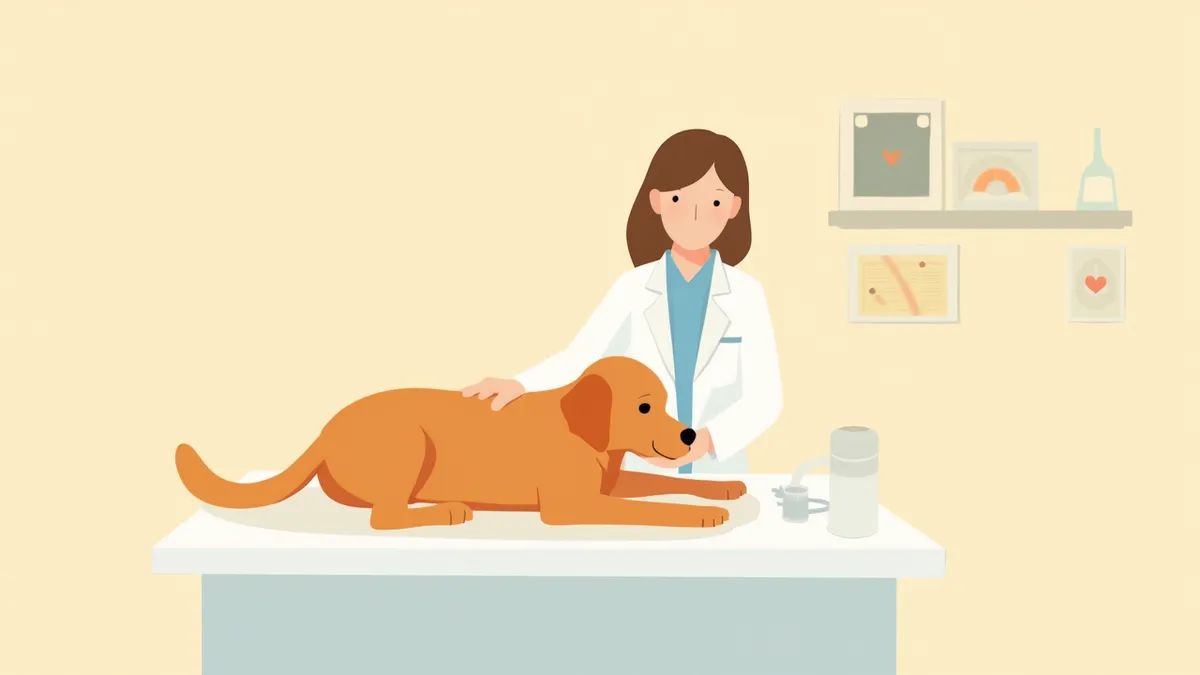
A Labrador Retriever undergoing a joint examination by a veterinarian
Dog-specific nonsteroidal anti-inflammatory drugs (NSAIDs) are nonsteroidal medications prescribed by veterinarians to reduce inflammation, pain, and fever. They are most commonly used for arthritis, post-surgical pain, and recovery from injuries. The most important point is that you must only use dog-specific NSAIDs under a veterinarian’s prescription. Human medications such as ibuprofen, naproxen, and aspirin can cause gastrointestinal bleeding and kidney failure in dogs, even in small amounts.

When Are NSAIDs Prescribed?

Osteoarthritis (Degenerative Joint Disease): Often prescribed long-term for chronic pain management.
Post-Surgical Pain: Used short-term after neutering or orthopedic surgeries.
Acute Trauma and Inflammation: Administered during the acute phase of muscle injuries or contusions.
Intervertebral Disc Disease: Sometimes prescribed to reduce inflammation around the nerves.
A veterinarian will select the appropriate medication based on diagnosis and blood test results. It is dangerous for pet owners to purchase or administer these drugs without professional guidance.

Comparison of Representative NSAIDs Approved for Dogs

The main nonsteroidal anti-inflammatory drugs (NSAIDs) prescribed for dogs in veterinary clinics both in Korea and abroad are meloxicam, carprofen, and robenacoxib. Even though they belong to the same NSAID class, each drug has different metabolic pathways and half-lives, so the most suitable choice depends on your dog’s kidney and liver function. Please refer to the comparison table below, and be sure to have blood tests done before starting any prescription.
Anti-inflammatory and pain-relief medications prescribed for dogs at veterinary clinics

Comparison of Characteristics by Dog NSAID Type

ItemMeloxicamCarprofenRobenacoxib
COX selectivityCOX-2 preferentialCOX-2 preferentialCOX-2 selective
Main formulationsOral syrup/injectionTablet/injectionTablet
Main indicationsArthritis/post-surgeryArthritis/post-surgeryAcute post-surgical pain
Dosing frequencyOnce a day1–2 times a dayOnce a day
Long-term usePossible (regular monitoring required)Possible (regular monitoring required)Mainly short-term

Based on veterinary pharmacology textbooks. Actual prescriptions vary according to the veterinarian's diagnosis.

Never Administer Human NSAIDs to Dogs

Ibuprofen, naproxen, acetaminophen (Tylenol), and aspirin are fatal to dogs even in small amounts. Gastrointestinal ulcers and bleeding, kidney failure, and liver failure can begin within hours. According to veterinary pharmacology textbooks, carprofen tablets are palatable, leading to frequent incidents of dogs consuming entire bottles—always store them out of reach.

Five Principles for Safe Administration

Always administer after meals: Giving the medication on an empty stomach can irritate the gastrointestinal tract. Administer it with food or immediately afterward. Stick to the prescribed dose: Arbitrarily increasing the amount raises the risk of side effects. Do not stop without veterinary guidance: Continue administration as directed by your veterinarian, even if symptoms appear to improve. Avoid concurrent use with steroids: Combining this medication with steroids weakens the protective function of the gastrointestinal mucosa, significantly increasing the risk of gastrointestinal bleeding. Regular blood tests: For long-term use, regularly monitor kidney and liver function at intervals specified by your veterinarian.
A guardian mixing medication into their dog’s food.

Stop Medication Immediately and Visit the Vet If These Symptoms Appear

Vomiting and diarrhea (including bloody stool): These may indicate gastrointestinal irritation or ulcers. Loss of appetite and lethargy: These could suggest impaired liver or kidney function. Excessive drinking and frequent urination: These may be early signs of kidney failure. Jaundice (yellowing of the eyes and gums): This is a serious sign of liver toxicity. Black, tarry stools: This indicates gastrointestinal bleeding — immediate emergency care is required. If you notice any of these symptoms, stop administering the medication right away and contact your veterinarian.

Exercise Extra Caution with Dogs Having Kidney or Liver Disease

NSAIDs can affect blood flow to the kidneys. Dogs with pre-existing conditions such as kidney failure, liver disease, or heart failure often need to avoid NSAIDs altogether. For senior dogs or those with underlying health issues, it's essential to have blood and urine tests done before starting treatment, and always consult with your veterinarian.

Home Monitoring for Long-Term NSAID Use
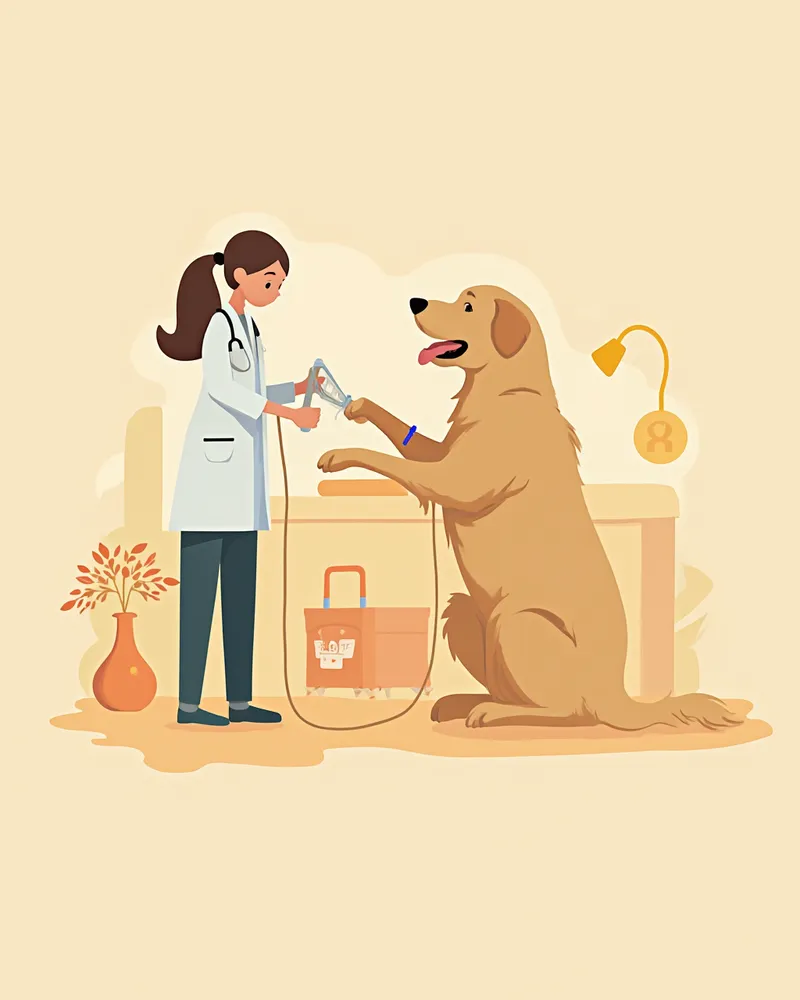
If your pet needs to take NSAIDs long-term, like for arthritis, regular check-ups and home monitoring are essential. Blood tests: Regularly check kidney markers (BUN, creatinine) and liver markers (ALT, ALP) at intervals set by your veterinarian. Urine tests: These can detect early changes in kidney function. Weight and appetite logs: Keep weekly records to spot any unusual signs quickly. Sticking to scheduled follow-up visits is the most important step.
A senior Golden Retriever undergoing a blood test at the animal hospital.

Reviewed by a veterinarian

Dr. Tony — Punnawat Phongkittirak

Dr. Tony — Punnawat Phongkittirak

Veterinarian

A veterinarian who majored in veterinary medicine at Khon Kaen University, Thailand, and completed the IVSA program at North Carolina State University in the United States. Drawing on clinical experience at animal hospitals, he works in the pet healthcare field and is dedicated to building a digital care environment that connects pet parents with veterinarians.

Frequently Asked Questions

My dog ate human ibuprofen. What should I do?
You need to go to an emergency animal hospital immediately. If it has been less than two hours since ingestion, inducing vomiting can help reduce absorption. Find out how many pills were ingested and when, and inform the veterinarian right away.
Is it safe to buy a veterinarian-prescribed NSAID online at a lower price?
It’s essential to verify that the product is genuine. Even more important is checking your pet’s condition with a blood test before administering any medication. The real danger lies not in purchasing online, but in using medications without proper diagnosis.
Why shouldn’t NSAIDs and steroids be used together?
Both medications have a mild prostaglandin effect that protects the gastrointestinal mucosa. Using them together significantly increases the risk of gastrointestinal ulcers and bleeding, so concurrent use should be avoided. When switching from steroids to NSAIDs, it is standard practice to allow an adequate washout period; always follow your veterinarian’s specific instructions regarding the interval.
Can natural ingredients be used to manage pain instead of NSAIDs?
Supplements like omega-3 fatty acids, glucosamine, and chondroitin may support joint health, but they’re unlikely to replace NSAIDs when pain is severe or during an acute flare-up. Since effectiveness and safety can vary from pet to pet, it’s best to consult your veterinarian before starting any supplement to determine whether combining it with other treatments is appropriate.
Can I give my cat dog-formulated NSAIDs?
Absolutely not. Cats lack certain liver enzymes needed to break down specific medications. Dog-formulated meloxicam and carprofen can be fatal to cats. You must use prescription medications specifically formulated for cats.

Share

Related Guides

References

[1] Enberg TB, Braun LD, Kuzme AB. Gastrointestinal perforation in five dogs associated with the administration of meloxicam. J Vet Emerg Crit Care, 2006;16:34–43.

[2] Lascelles BD, Blikslager AT, Fox SM, Reece D. Gastrointestinal tract perforation in dogs treated with a selective cyclooxygenase-2 inhibitor: 29 cases (2002–2003). J Am Vet Med Assoc, 2005.

[3] Boothe DM. Handbook of Veterinary Pharmacology. Wiley-Blackwell, 2012.

[4] Schaer M. Clinical Medicine of the Dog and Cat, 4th Ed. CRC Press, 2022.

[5] Plunkett SJ. Advanced Monitoring for Small Animal Emergency and Critical Care, 2nd Ed. Wiley-Blackwell, 2024.

This information is based on veterinary literature and does not replace diagnosis or treatment. Please consult a veterinarian for specific health concerns.

Metapet Co., Ltd. | CEO: Park Sung-yong | Business Reg. No. 417-88-02562 | Seoul, South Korea | Customer Center

Safe Use of Dog NSAIDs: Types, Side Effects & Precautions | Meongsiljang