

Why are feline hepatic support diets important — what to feed and how to feed
Feline hepatic support diets are a crucial nutritional management strategy that pet owners must understand when their cat experiences liver dysfunction. We’ve compiled key questions and practical steps to help you navigate this condition.
What are feline hepatic support diets?

Why are feline hepatic support diets necessary?
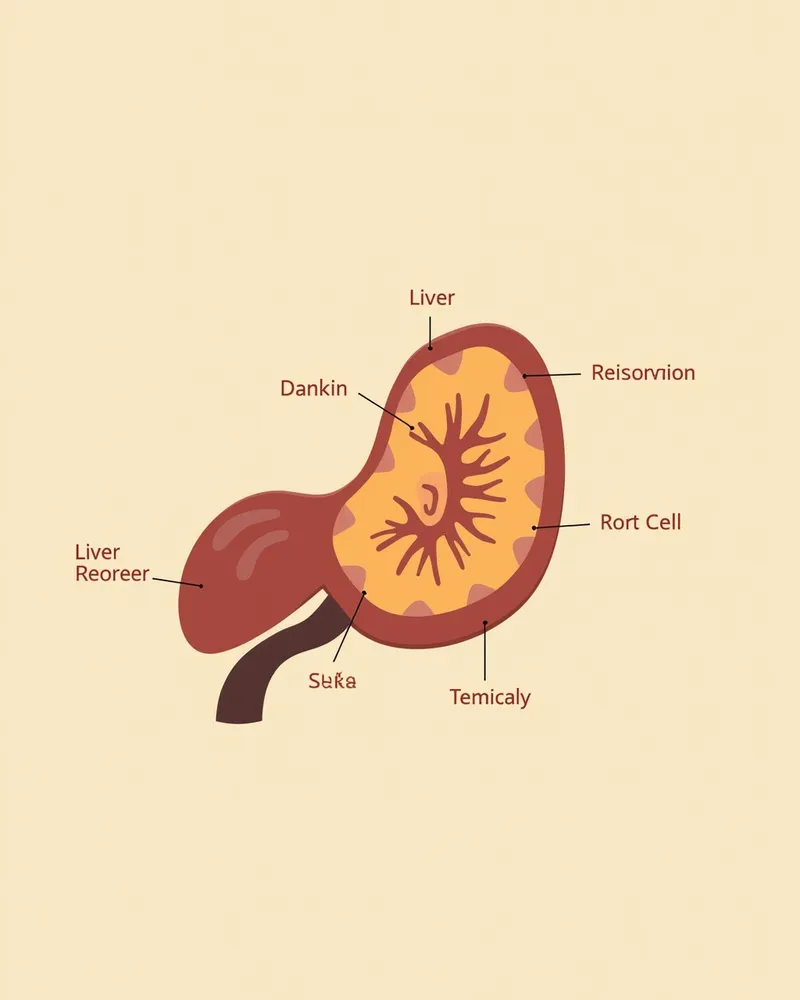
What are the key components of a liver-supportive diet?
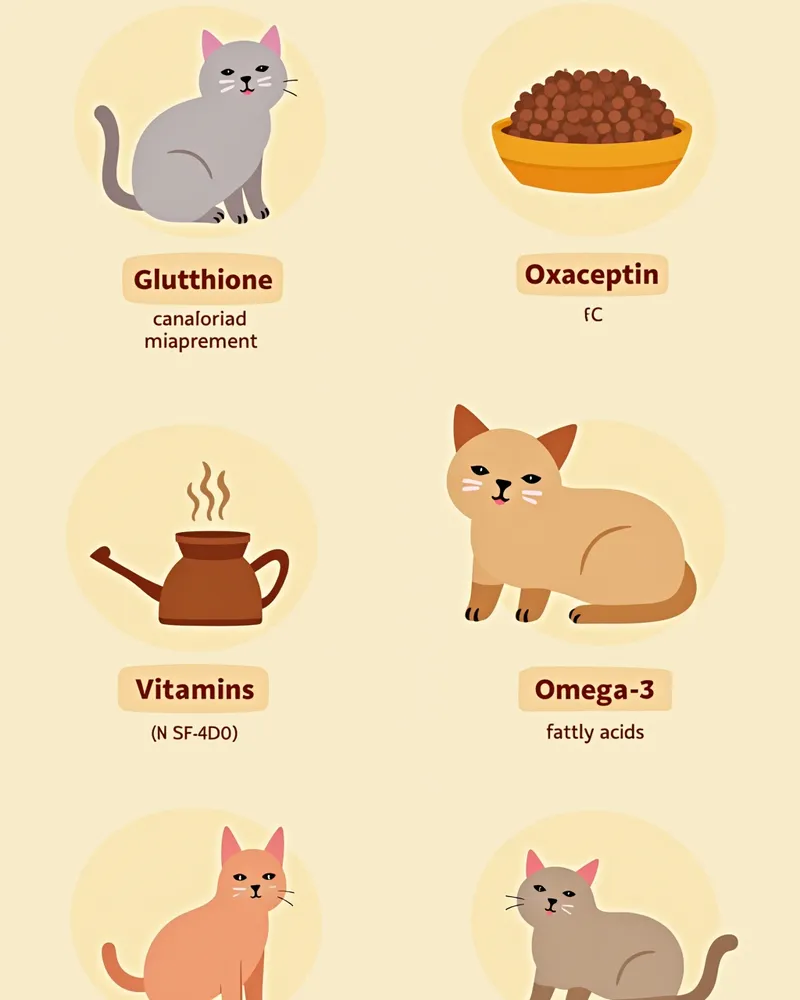
Comparison table of liver-support diets
| Item | Food A | Food B | Food C |
|---|---|---|---|
| Main Ingredients | Glutathione precursors, omega-3, vitamin E | L-carnitine, vitamin C, natural antioxidants | Glutathione, omega-6, SAMe (S-adenosylmethionine) |
| Protein Ratio | 35% | 38% | 32% |
| Fat Ratio | 12% | 15% | 10% |
| Additional Features | Low-sodium diet, high digestibility and absorption | Enhanced anti-inflammatory ingredients | Contains probiotics that promote liver regeneration |
Choose according to your veterinarian's recommendation criteria. A product suited to the cat's condition is important.
How should you choose a liver-support diet?

Caution: Always consult your veterinarian before using a liver-support diet
Hepatic support diets should only be used when prescribed by a veterinarian. For cats with normal liver function, these diets may actually place an unnecessary burden on the liver. Improper dietary choices can stress the liver, so do not switch your cat’s food without veterinary guidance. If liver cancer or severe liver damage is suspected, seek immediate veterinary care.
When do the effects of a liver-supportive diet appear?
Reviewed by a veterinarian

Dr. Tony — Punnawat Phongkittirak
VeterinarianA veterinarian who majored in veterinary medicine at Khon Kaen University, Thailand, and completed the IVSA program at North Carolina State University in the United States. Drawing on clinical experience at animal hospitals, he works in the pet healthcare field and is dedicated to building a digital care environment that connects pet parents with veterinarians.
Reviewed 2026-06-05
Frequently asked questions
Can I make a liver-support diet at home?
Can I mix regular food with a liver-support diet while my pet is on it?
Do I need to feed my pet a liver-support diet for life?
I’m worried about the cost of liver-support diets. Is there any way to reduce the expense?
How often should liver function tests be performed while your pet is on a liver-support diet?
Share
Related Guides

7 Key Symptoms and Management Essentials for Canine Cholecystitis Recommended by Veterinarians

Top 5 Milk Thistle (Silymarin) Liver Supplements for Dogs — A Comparison Guide Based on Silybin Content and Absorption Rates

Top Prescription Diets for Dogs with Liver Disease and Selection Criteria

Dog Tooth Extraction Indications and Methods FAQ — Key Points Pet Owners Must Know

Dog Periodontal Disease Stage-Specific Management FAQ — Key Essentials for Pet Owners

Canine Oral Ulcers FAQ — Key Information Pet Owners Must Know

Dog Oral Care Product Comparison FAQ — Key Points for Pet Owners

Canine Oral Cysts (Dental Cysts) FAQ — Key Information Pet Owners Must Know

Dog Oral Bacteria and Systemic Diseases FAQ — Key Information Every Pet Owner Must Know

Masticatory Myositis in Dogs: Frequently Asked Questions — Key Information Every Pet Owner Should Know
References
[1] Plumb's Veterinary Drug Handbook, 9th ed. 2022. Wiley-Blackwell.
[2] National Research Council. Nutrient Requirements of Cats. 2006. National Academies Press.
[3] Kienzle, E. et al. (2018). Dietary management of feline hepatic lipidosis: a review. Journal of Feline Medicine and Surgery, 20(1), 54–63.