Like
Share
멍실장
강아지 부신기능저하증(애디슨병) 자주 묻는 질문 Q&A — 보호자가 꼭 알아야 할 핵심

What is Canine Addison’s Disease? — Warning Signs of Adrenal Crisis You Must Not Miss

EndocrineQ&AMeongsiljang Veterinary Advisory Board

Canine hypoadrenocorticism (Addison’s disease) is a rare endocrine disorder caused by a deficiency of hormones. Early diagnosis and proper management are essential for survival.

What is Canine Hypoadrenocorticism (Addison’s Disease)?
An anatomical diagram illustrating the location of the adrenal glands in dogs and their hormone-secreting functions
Canine hypoadrenocorticism, also known as Addison’s disease, is an endocrine disorder caused by the adrenal glands’ inability to produce sufficient amounts of cortisol and aldosterone. - Adrenal insufficiency: Damage to the adrenal cortex reduces hormone production. - Cortisol deficiency: This impairs the body’s ability to cope with stress and leads to a rapid decline in physical strength. - Aldosterone deficiency: This disrupts electrolyte balance, resulting in dehydration and severe muscle weakness. - Risk of acute crisis: A sudden drop in hormone levels can lead to shock, which is life-threatening. Early diagnosis and consistent management are key to survival.

Why Does Addison’s Disease Occur?

Addison’s disease occurs when the adrenal cortex is destroyed or atrophied, leading to a hormone deficiency. While the exact cause is often unknown, immune-mediated damage—where the immune system mistakenly attacks the adrenal glands—is a well-known primary cause. - Immune-mediated damage: The immune system attacks the adrenal cortex, causing a gradual decline in function. - Genetic predisposition: Certain breeds are at higher risk, including Great Danes, Poodles, Bearded Collies, Portuguese Water Dogs, and Nova Scotia Duck Tolling Retrievers. - Rare causes (tumors, hemorrhage): In rare cases, bilateral metastatic tumors, hemorrhage, or necrosis of the adrenal glands can interfere with hormone secretion. - Medications or trauma: Drugs that suppress the adrenal glands or physical trauma to the adrenal glands can also be contributing factors. Regular check-ups are essential for early detection.
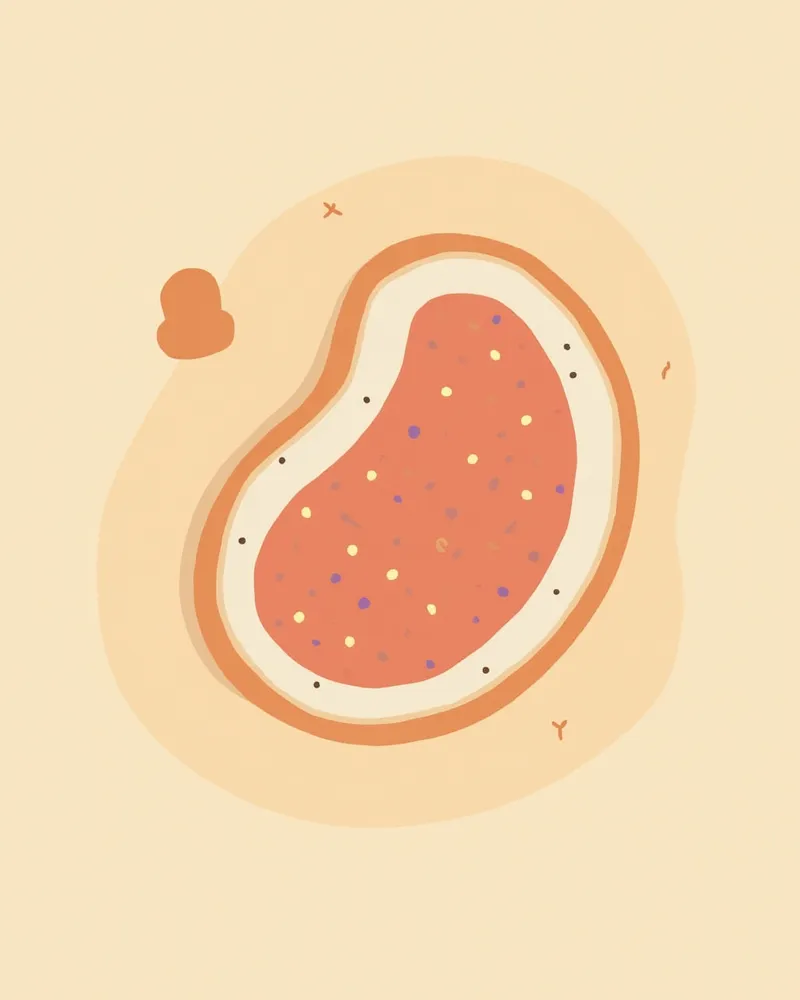
Inflammatory cell infiltration observed in the adrenal tissue

What Are the Main Symptoms of Addison’s Disease?
The symptoms of Addison’s disease are highly varied and often go unnoticed in the early stages. Here are the key signs pet owners should watch for:
Lethargy and shock symptoms: Your pet may appear weak, collapse suddenly, experience muscle weakness or tremors, and have a low body temperature.
Loss of appetite: There is a sudden and significant decrease in food intake.
Vomiting and diarrhea: These may occur repeatedly and can lead to dehydration.
Weight loss: Rapid weight loss occurs due to reduced appetite.
Fluid and electrolyte imbalance: Fluid loss and declining kidney function may cause increased thirst.
If these symptoms recur, seek veterinary care immediately.
The condition of dogs brought to the clinic with suspected Addison's disease symptoms

Symptoms Requiring Immediate Veterinary Visit

If your dog suddenly collapses or becomes dehydrated due to severe vomiting and diarrhea, it is a life-threatening emergency. In such cases, you must get to a veterinary clinic immediately so that a veterinarian can replenish fluids and electrolytes through intravenous injection.

How Is It Diagnosed?
Addison’s disease is confirmed through a combination of diagnostic tests. - Blood tests: These check for low cortisol levels. - ACTH stimulation test: This is the most reliable diagnostic method, as it evaluates whether the adrenal glands can properly secrete hormones. - Interpreting results: If cortisol levels do not rise after an ACTH injection, Addison’s disease is confirmed. - Abnormal findings: Electrolyte imbalances, specifically low sodium and high potassium, are also key diagnostic indicators. - Accurate diagnosis: A precise diagnosis requires synthesizing the results from multiple tests.
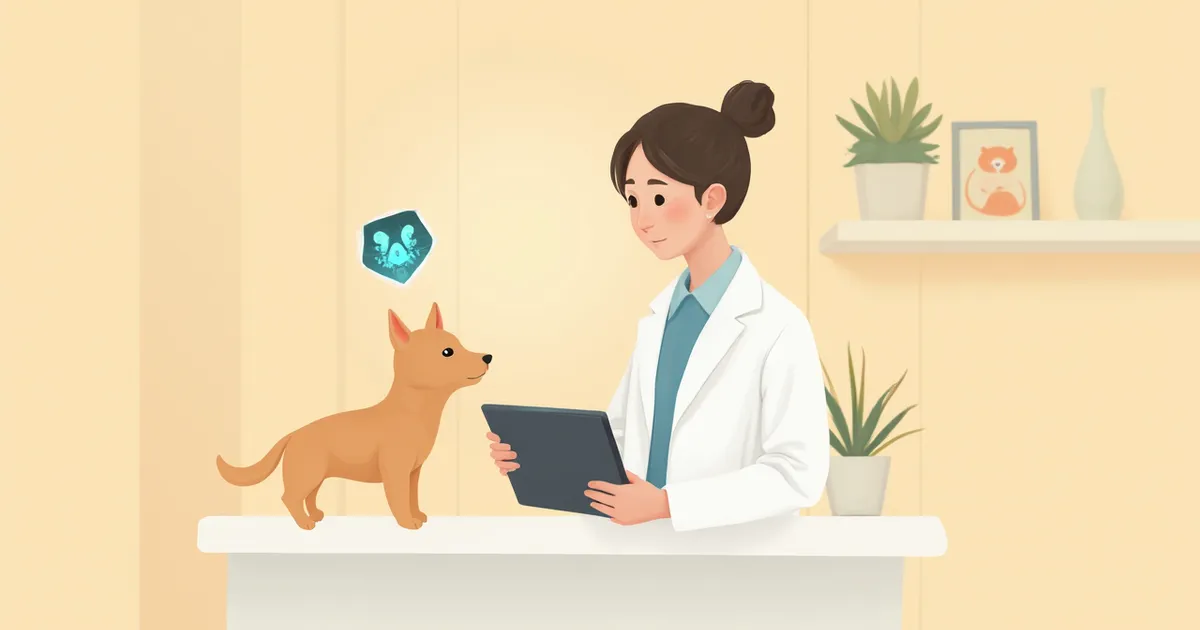
A veterinarian drawing blood from a puppy

What Are the Treatment Methods?

Addison’s disease requires lifelong hormone replacement therapy. Medications are used to replenish the two deficient hormones: glucocorticoids and mineralocorticoids. - Glucocorticoid replacement (prednisolone): Replaces deficient cortisol to improve the body’s ability to handle stress and quickly stabilize symptoms. - Mineralocorticoid replacement (fludrocortisone): Acts in place of aldosterone to help maintain the balance of electrolytes such as sodium and potassium, as well as fluid levels. - Medication schedule: Medications must be given at the same time every day. Missing a dose can cause hormonal imbalance and become dangerous. - Dosage adjustments: Your veterinarian will regularly adjust the dosage based on your pet’s individual condition. - Emergency preparedness: During periods of significant stress, the glucocorticoid dosage may need to be increased.
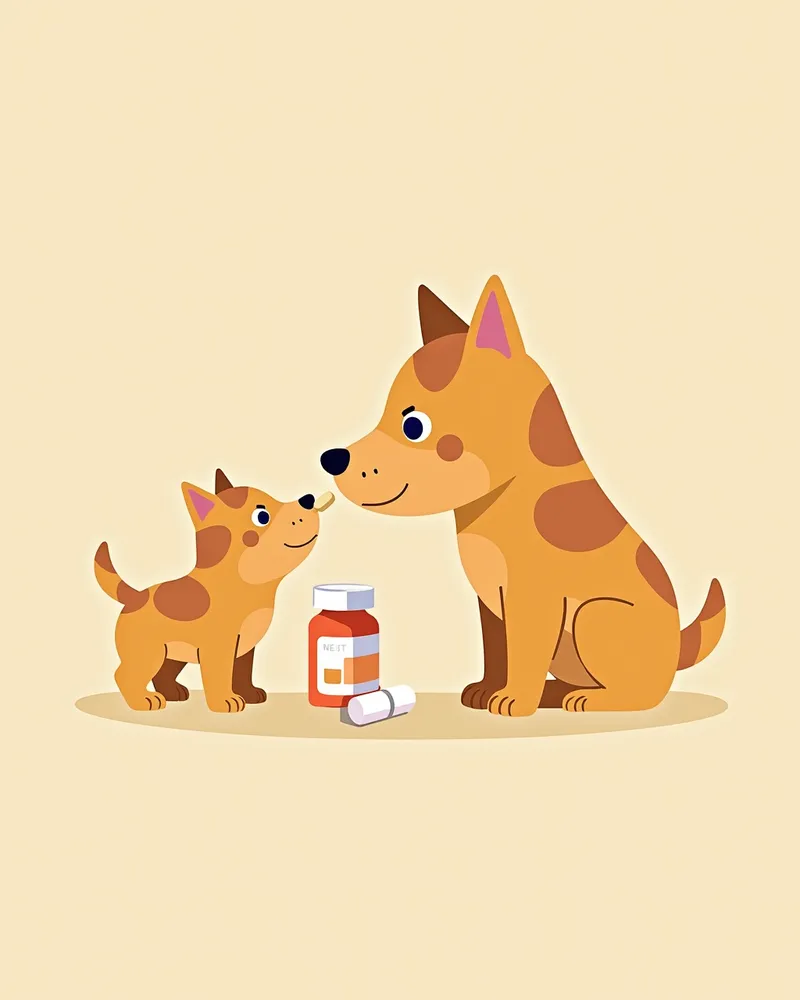
A puppy receiving medication from a veterinarian

Daily Management Tips

Dogs with Addison’s disease are highly sensitive to stress. The key to management is maintaining a stable routine and administering medication regularly. Please be sure to follow these guidelines:
Maintain a consistent medication schedule: Administer medication at the same time every day. Missing a dose can lead to hormonal imbalance.
Minimize stress: Reduce stimuli such as going out, visitors, and noise.
Dietary management: Regulate salt intake and maintain consistent meal times.
Regular check-ups: Have blood tests every 3 to 6 months to determine if medication adjustments are needed.
Prepare for emergencies: Discuss contingency plans with your veterinarian in case you run out of medication.
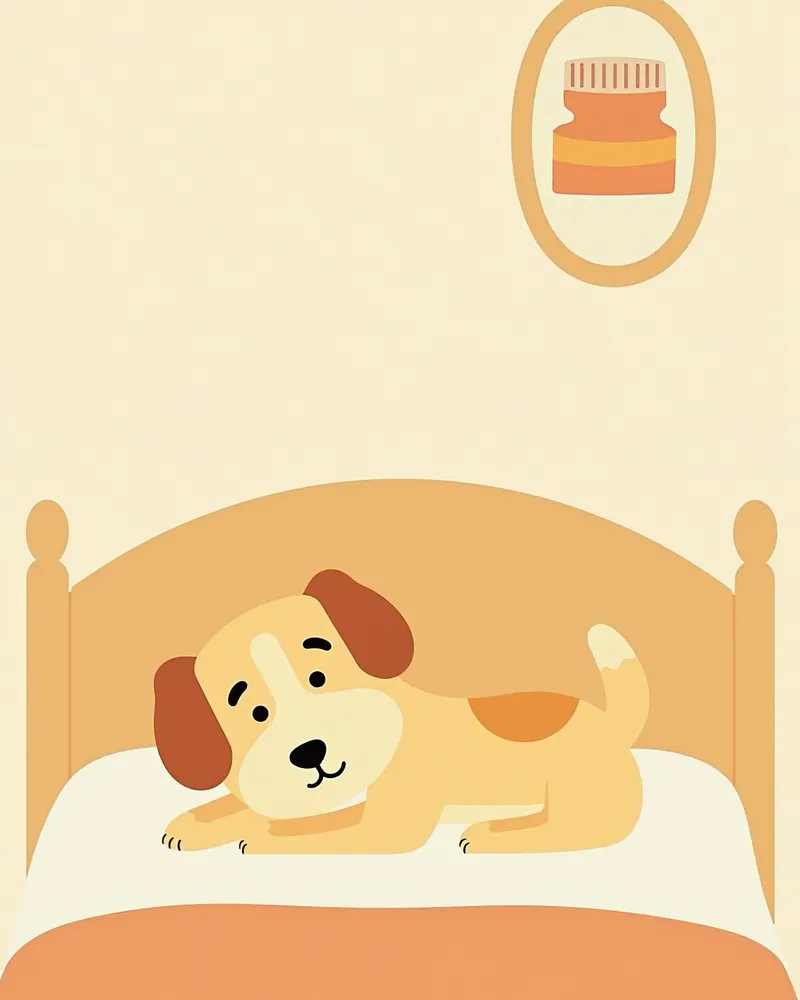
A Stable Home Environment for Dogs with Addison's Disease

Breeds and Age Groups to Watch For

Addison’s disease is more common in female dogs from young adulthood through middle age, accounting for approximately 70% of reported cases. Certain breeds have a known genetic predisposition, including Great Danes, Poodles, West Highland White Terriers, Portuguese Water Dogs, Bearded Collies, Rottweilers, and Nova Scotia Duck Tolling Retrievers. If you own a dog of one of these breeds, prompt veterinary testing is essential if symptoms appear.

Reviewed by a veterinarian

Dr. Tony — Punnawat Phongkittirak

Dr. Tony — Punnawat Phongkittirak

Veterinarian

A veterinarian who majored in veterinary medicine at Khon Kaen University, Thailand, and completed the IVSA program at North Carolina State University in the United States. Drawing on clinical experience at animal hospitals, he works in the pet healthcare field and is dedicated to building a digital care environment that connects pet parents with veterinarians.

Frequently Asked Questions

Can Addison's disease be treated?
Yes, with hormone replacement therapy, most dogs can lead a normal life. While it requires lifelong treatment, the long-term prognosis is excellent with proper management.
Can I stop giving the medication?
No. Because the adrenal glands do not regain their function, the medication must be continued for the rest of the pet’s life. Stopping it abruptly can trigger life-threatening acute symptoms.
Is Addison's disease hereditary?
While certain breeds are reported to have a genetic predisposition, the exact cause of the disease often remains unclear, and it is believed to result from immune-mediated damage. Therefore, it cannot be definitively said that the condition is always inherited, but extra caution is warranted for breeds with a known predisposition.
Can stress make it worse?
Yes, stress can worsen symptoms by exacerbating hormonal imbalances. It’s important to minimize stimuli such as going outside, visitors, and loud noises.
Are there any special dietary restrictions?
While there are no specific dietary restrictions, maintaining a consistent feeding schedule can be helpful. Since this condition affects electrolyte balance, it’s best to consult your veterinarian to adjust your pet’s diet and sodium intake accordingly.

Share

Related Guides

References

[1] Burkitt Creedon, J.M. et al. (2023) Small Animal Critical Care Medicine, 3rd Ed. Elsevier.

[2] Hoskins, J.D. et al. (2021) Textbook of Cardiovascular Medicine in Dogs and Cats. Wiley-Blackwell.

[3] Ettinger, S.J. et al. (2022) Clinical Medicine of the Dog and Cat, 4th Ed. Elsevier.

This information is based on veterinary literature and does not replace diagnosis or treatment. Please consult a veterinarian for specific health concerns.

Metapet Co., Ltd. | CEO: Park Sung-yong | Business Reg. No. 417-88-02562 | Seoul, South Korea | Customer Center

What Is Canine Addison's Disease? Adrenal Crisis Warning Signs | Meongsiljang