Like
Share
멍실장
강아지 곡물알러지 진실과 오해

The Truth and Misconceptions About Grain Allergies in Dogs

DigestiveQ&AMeongsiljang Veterinary Advisory Board

Grain allergies in dogs are actually a rare form of food allergy. We’ve outlined the real causes, common misconceptions, and the correct diagnostic approach.

Are Grain Allergies in Dogs Really Common?

A veterinarian examining a puppy’s skin condition
Grain allergies in dogs—more accurately termed "food adverse reactions" or "food-responsive dermatitis"—are a type of food adverse reaction in which the immune or digestive system responds abnormally to grain ingredients such as wheat, corn, or rice. What truly matters is the actual prevalence. According to veterinary textbooks, food adverse reactions themselves are rarer than atopic dermatitis, and commonly reported dietary allergens include a variety of foods such as beef, chicken, lamb, eggs, corn, wheat, soy, and milk. In particular, textbooks explicitly state that grains, including gluten, are not a common cause of food adverse reactions, contrary to popular belief. Simply eliminating grains because of itching or diarrhea can actually delay diagnosis.

Grain Allergy vs. Grain Intolerance: Different Concepts

Many pet owners confuse “allergies” with “digestive upset,” but the underlying causes are entirely different. - Adverse food reaction (including grain allergy): The immune system reacts abnormally to proteins or starches in grains, which can cause itching, rashes, and chronic diarrhea. Veterinary textbooks note that this reaction may differ from a classic “true allergy,” and gluten itself is not considered a common trigger. - Food intolerance: This is not an immune-mediated response. Instead, it results from pharmacological or metabolic issues—specifically, difficulties in digesting or metabolizing certain ingredients—leading to gastrointestinal symptoms such as gas and loose stools. - Transient gastrointestinal upset: This occurs when food is changed too quickly or when a pet overeats. Because the treatment and management for these three conditions are completely different, it is essential to distinguish between them.

Comparison of Major Causes of Dietary Allergies in Dogs

ItemRelative frequencyMain symptoms
BeefVery highItching/dermatitis
DairyHighDiarrhea/itching
ChickenHighEar inflammation/itching
WheatMediumChronic diarrhea/dermatitis
CornMediumSkin symptoms/digestive symptoms
RiceLowRarely reported

Based on The Dog Care Handbook (2024): beef, chicken, lamb, egg, corn, wheat, soy, and milk are reported as common allergy-triggering foods. Rankings may differ between individual studies, so use relative frequency as a reference.

Main Symptoms of Grain Allergy

Food-related adverse reactions often manifest with simultaneous symptoms in both the skin and the gastrointestinal tract. - Persistent itching: Your pet may repeatedly scratch their paws, ears, belly, and armpits. - Chronic otitis externa: Ear infections that keep recurring despite treatment; in rare cases, symptoms may be isolated to the ears. - Chronic diarrhea or soft stools: Digestive issues that occur repeatedly or persistently in relation to diet. - Licking around the anus: This behavior can sometimes accompany anal gland problems. - Tendency for early onset: While symptoms resemble those of environmental allergies, food-responsive skin disease is commonly reported to first appear in pets under one year of age. If these symptoms recur or persist, it is advisable to suspect a dietary cause and consult with your veterinarian.
A puppy scratching its ears

Blood and Saliva Tests Cannot Diagnose Grain Allergy

Commercially available "hair allergy tests" and "saliva allergy tests" lack reliable evidence for diagnosing food allergies. Serum IgE testing has also been shown in multiple studies to be unreliable for diagnosing food-responsive dermatitis and is generally considered only as a supplementary tool for assessing environmental allergies (atopy). The only truly reliable method is the "elimination diet trial," which will be explained later. Relying solely on test results to change your pet's diet may cause you to miss the true underlying cause.

Accurate Diagnosis Requires an Elimination Diet Trial
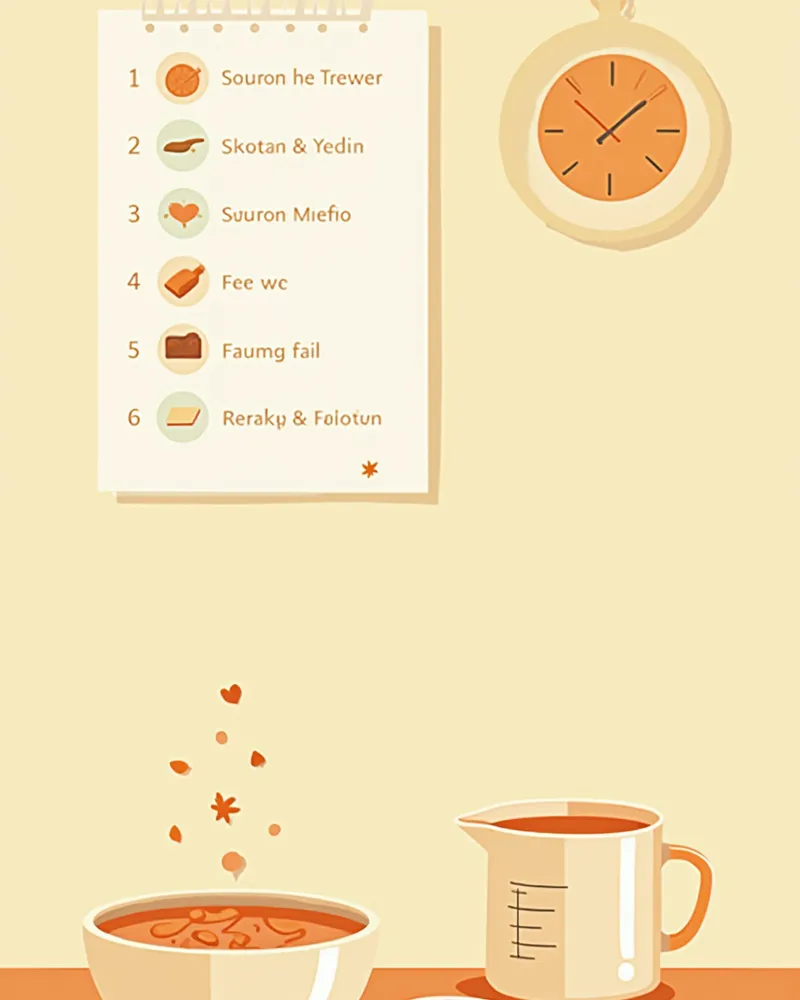
The gold standard for confirming a food allergy is an elimination diet trial. - Step 1: Selection: Prescribe a novel protein source (such as venison, duck, or kangaroo) that the pet has never eaten before, or a hydrolyzed diet. - Step 2: Strict Feeding: Completely eliminate all treats, supplements, and human food for 8–12 weeks. - Step 3: Evaluation: If symptoms improve significantly, a food-related cause is highly likely. A veterinarian should assess the presence and degree of improvement. - Step 4: Food Challenge: Gradually reintroduce previous ingredients one at a time to identify the specific trigger based on symptom recurrence. This process must be conducted under veterinary supervision to prevent nutritional imbalances.
Prescription diet food for trial use, along with a measuring cup

Is Grain-Free Food Really Necessary?

To be blunt, grain-free diets are unnecessary for most dogs. While they’ve gained popularity largely due to marketing, there are important considerations to keep in mind. - Grain-free formulas often replace grains with large amounts of ingredients like peas, lentils, and potatoes. - Since 2018, the U.S. FDA has been investigating a potential link between certain grain-free diets and an increase in dilated cardiomyopathy (DCM). - Unless your dog has a confirmed grain allergy, grains are actually a safe and high-quality source of carbohydrates and energy. We do not recommend switching to grain-free food simply because it’s trendy, especially without a confirmed allergy diagnosis.

When Veterinary Consultation Is Essential

If itching or diarrhea persists for more than four weeks, or if symptoms do not improve after changing the diet, professional veterinary care is necessary. In particular, if there is discharge or a foul odor from skin lesions (indicating a possible secondary bacterial infection), if there is significant weight loss, or if there is recurrent discharge from the ears, there may be underlying skin or gastrointestinal conditions other than simple allergies. Elimination diet trials must always be conducted under veterinary prescription and with nutritional counseling.

Daily Care Points

Here’s how to manage the daily care of a dog diagnosed with a grain allergy. - Check food labels every time: Review the ingredient order and any cross-contamination warnings. - Apply the same standards to treats: Even if the main diet is grain-free, it’s pointless if grains are hidden in treats. - Moisturize the skin: Hydration care that protects the skin barrier can help soothe irritation. - Adjust bathing frequency: Use a mildly acidic shampoo once every two to three weeks; over-bathing can actually cause more irritation. - Keep a symptom diary: Recording what your dog eats and any resulting symptoms on a calendar makes it easier to trace the cause if symptoms recur.
A pet owner recording their dog’s health journal.

Reviewed by a veterinarian

Dr. Tony — Punnawat Phongkittirak

Dr. Tony — Punnawat Phongkittirak

Veterinarian

A veterinarian who majored in veterinary medicine at Khon Kaen University, Thailand, and completed the IVSA program at North Carolina State University in the United States. Drawing on clinical experience at animal hospitals, he works in the pet healthcare field and is dedicated to building a digital care environment that connects pet parents with veterinarians.

Frequently Asked Questions

Should I immediately switch my dog to a grain-free diet if they get itchy after eating?
Not necessarily. Itching is more commonly caused by parasites, atopy, bacterial infections, and other frequent factors. First, have your veterinarian rule out these other causes before considering a food elimination trial.
I bought a grain allergy test kit. Can I trust the results?
Hair and saliva tests lack reliable evidence for diagnosing food allergies. Blood IgE testing has also been shown in multiple studies to be unreliable for confirming food-responsive skin disease. The only trustworthy method for a definitive diagnosis is an elimination diet trial.
Can rice cause allergies?
It is possible, but the reported incidence is very low. However, since there is no textbook evidence confirming whether hypoallergenic diets or restricted diets have been used in trials, please consult with your veterinarian to determine the specific design of the dietary trial.
I've heard that grain-free diets can cause DCM (dilated cardiomyopathy). Is that true?
The U.S. FDA is investigating a potential link between certain boutique and novel ingredient-based grain-free diets and an increase in dilated cardiomyopathy (DCM). While a causal relationship has not yet been established, long-term feeding of grain-free diets without a specific medical indication is not recommended.
How long should I continue the elimination diet trial?
According to standard guidelines, the trial period is typically around 8 weeks, though it may be extended to 10–12 weeks depending on the case. During this time, it is essential to completely eliminate treats, supplements, and human food to ensure an accurate assessment.

Share

Related Guides

References

[1] Jackson HA et al., BSAVA Manual of Canine and Feline Dermatology, 4th Ed — Adverse Food Reactions

[2] Favrot C et al., A prospective study on the clinical features of chronic canine atopic dermatitis and their diagnostic value, Veterinary Dermatology, 2010

[3] Mueller RS, Olivry T, Prélaud P, Critically appraised topic on adverse food reactions of companion animals, BMC Veterinary Research, 2016

This information is based on veterinary literature and does not replace diagnosis or treatment. Please consult a veterinarian for specific health concerns.

Metapet Co., Ltd. | CEO: Park Sung-yong | Business Reg. No. 417-88-02562 | Seoul, South Korea | Customer Center

Grain Allergies in Dogs: Truths and Misconceptions | Meongsiljang