Like
Share
멍실장
노견 동물병원 검진 빈도, 얼마나 자주 가야 할까요?

How Often Should Senior Dogs Visit the Vet for Check-ups? — Recommended Visit Intervals by Age

ImmunityQ&AMeongsiljang Veterinary Advisory Board

For senior dogs, we recommend a comprehensive check-up every six months starting at age seven. We’ve outlined the recommended screening intervals and essential tests for both healthy seniors and those managing chronic conditions.

How Often Should You Bring Your Senior Dog for Check-ups?
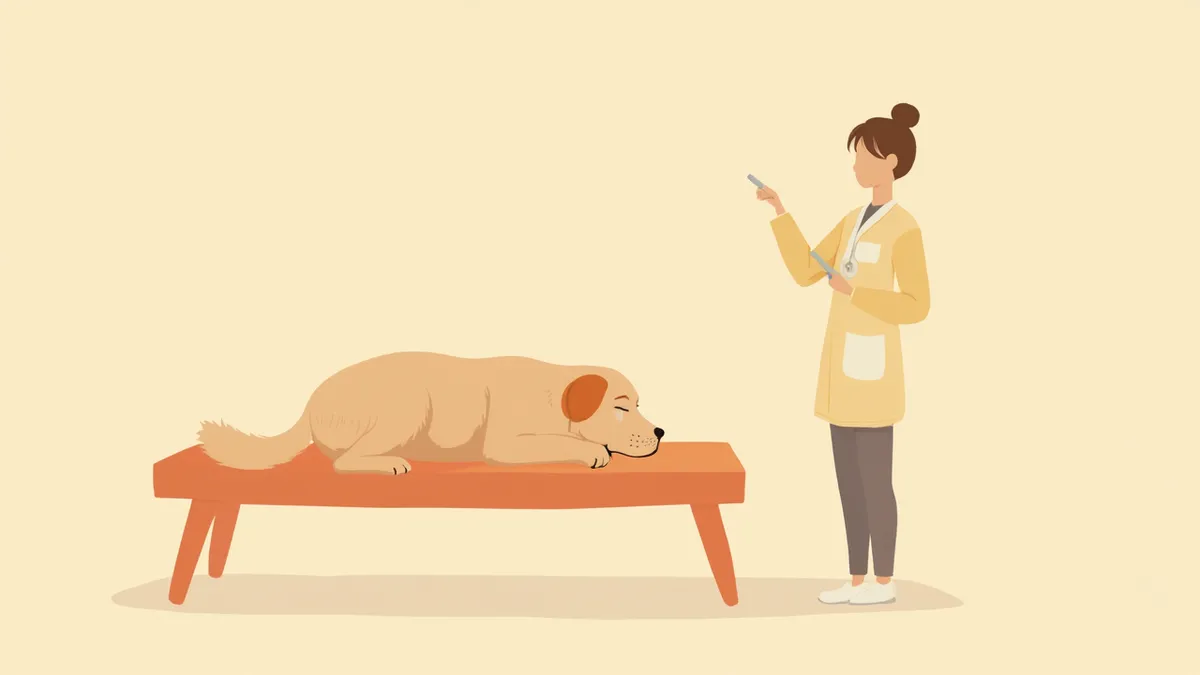
An elderly dog waiting in the clinic’s reception area with its owner
Senior dog checkups are regular health screenings designed to detect age-related diseases early in dogs aged seven and older (though the starting age may vary depending on breed and body size). Even if your senior dog appears healthy on the surface, it is recommended to have them checked at least once every six to twelve months. Because dogs have much shorter lifespans and age more rapidly than humans, longer intervals between checkups can easily lead to missing important changes. Therefore, for older dogs or those with chronic conditions, it is best to consult your veterinarian about adjusting the schedule to a shorter interval, such as every six months.

Why Every Six Months?

Dogs age much faster than humans, so even a seemingly healthy seven-year-old dog can undergo significant internal changes within a single year. Early-stage kidney disease, heart disease, and endocrine disorders often progress without obvious clinical signs, making it difficult to detect them if you only visit the vet when your dog appears sick. Regular check-ups between annual visits to consistently monitor changes in blood and urine values are essential for catching abnormalities early.

Recommended Check-up Intervals by Age and Health Status

ItemHealthy senior dog 7–9 yrsHealthy senior dog 10 yrs+Managing chronic disease
Comprehensive checkup intervalEvery 6–12 monthsEvery 6 monthsShorter (veterinarian's judgment)
Blood/urine testsEvery 6–12 monthsEvery 6 monthsVeterinarian's judgment
Imaging (X-ray/ultrasound)Veterinarian's judgmentVeterinarian's judgmentVeterinarian's judgment
Dental checkup1–2 times a year1–2 times a yearVeterinarian's judgment

Even senior dogs that appear healthy on the outside are recommended to have checkups at least every 6–12 months (per guidelines such as the AAHA Senior Care Guidelines), and older dogs or those with chronic disease may need shorter intervals. Follow your attending veterinarian's judgment for the actual interval.

Essential Items for Senior Dog Check-ups
A simple blood draw isn’t enough. Because aging dogs often experience changes in multiple organs simultaneously, the following tests are considered essential:
Complete Blood Count (CBC): Checks for anemia, infection, and inflammation.
Serum Chemistry Panel: Assesses the status of the liver, kidneys, pancreas, and electrolytes.
Urinalysis: Useful for evaluating kidney function; when combined with blood tests, it allows for a more accurate assessment of overall health.
Thyroid Hormone (T4): Hormone levels are often checked alongside blood work to evaluate the overall health of senior dogs.
Blood Pressure Measurement: Provides valuable reference data for assessing the general condition of senior dogs.
Thoracic X-ray and Cardiac Ultrasound: Aging dogs may show age-related findings on chest radiographs, such as calcification of the bronchial circulation, pulmonary interstitial changes, or calcification at the costochondral junctions, which can be mistaken for lung disease. Regular imaging evaluations help differentiate these normal aging signs from actual pathology.
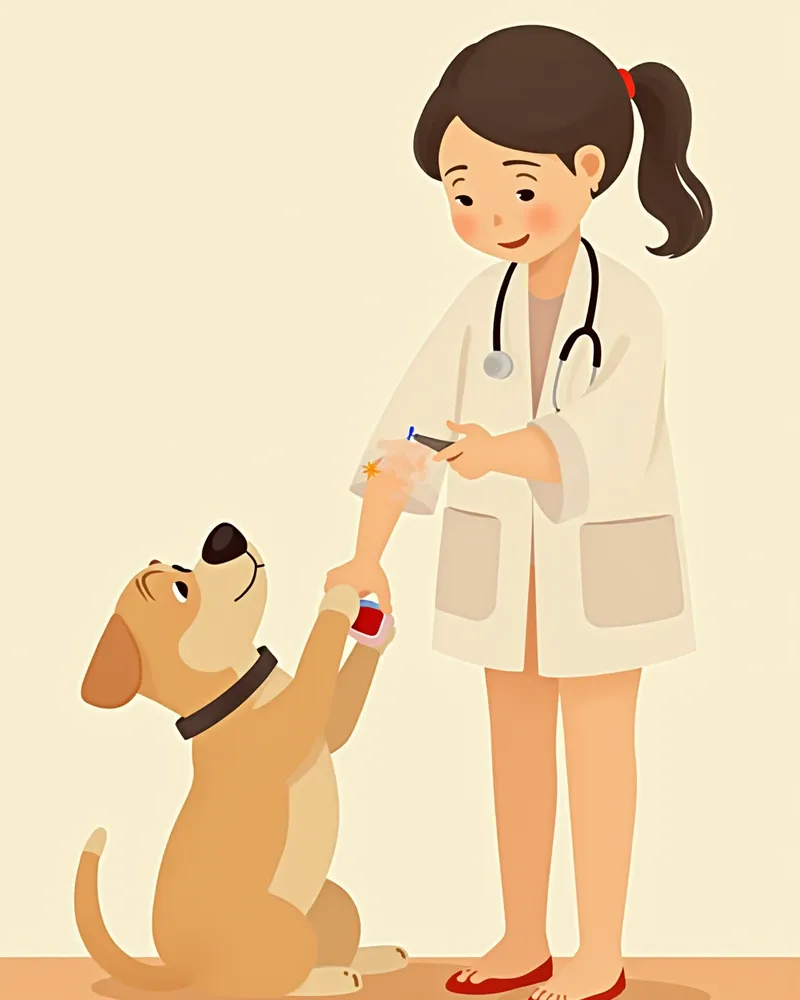
A veterinarian drawing blood from the front leg of a senior dog

Visit Sooner Than the Scheduled Check-up If You Notice These Symptoms

Even if your dog’s next routine checkup is still some time away, please visit the clinic immediately if you notice any of the following signs. In senior dogs, conditions are often already advanced by the time symptoms become apparent. • Drinking more water than usual or producing a larger volume of urine • Noticeable weight loss or gain within a month • Refusing walks or struggling to climb stairs • Coughing or labored breathing after exercise • Sudden nighttime restlessness or disorientation (signs of cognitive dysfunction)

What Owners Should Prepare Before and After the Check-up

The effectiveness of the check-up depends on how accurately you record your pet’s daily habits. For at least one to two weeks before the visit, keep a log of food intake, water consumption, urination frequency, and walking distance. Taking photos of your pet’s stool can greatly assist with diagnosis. If blood tests are scheduled, an 8- to 12-hour fast is required, so please confirm this when checking in. Also, bring a list of any supplements or medications your pet is currently taking.
A caregiver’s hand recording an older dog’s food intake in a notebook

Priorities When Check-up Costs Are a Burden

If tackling all the tests at once feels overwhelming, prioritize them. For senior dogs, checking both blood and urine values together is the most effective way to spot early signs of issues in key organs, including the kidneys.
Priority 1: Basic blood panel + Urinalysis + Blood pressure
Priority 2: Thyroid hormone (T4), Chest X-ray
Priority 3: Cardiac ultrasound, Abdominal ultrasound
Consistently performing just the Priority 1 tests every six months is far more advantageous for early detection than undergoing a comprehensive check-up only once a year.

The Onset of Aging Differs Between Small and Large Breeds

Even though two dogs may both be seven years old, their rate of aging varies by breed. For large breeds like Golden Retrievers and Labrador Retrievers, it’s recommended to start senior health screenings at age six. For giant breeds such as Great Danes, consider beginning screenings as early as age five. In contrast, small breeds like Maltese and Poodles are often still considered middle-aged until around eight or nine years old. Since average lifespans and common health conditions differ by breed, be sure to consult your veterinarian about the best time to begin regular check-ups for your dog.

Reviewed by a veterinarian

Dr. Tony — Punnawat Phongkittirak

Dr. Tony — Punnawat Phongkittirak

Veterinarian

A veterinarian who majored in veterinary medicine at Khon Kaen University, Thailand, and completed the IVSA program at North Carolina State University in the United States. Drawing on clinical experience at animal hospitals, he works in the pet healthcare field and is dedicated to building a digital care environment that connects pet parents with veterinarians.

Frequently Asked Questions

Even if my dog looks healthy, do I really need to visit the vet every six months?
Actually, it’s especially meaningful to visit the clinic when your dog appears healthy. Many conditions that affect senior dogs progress without obvious clinical signs in their early stages. Even if your dog looks fine on the surface, regularly monitoring lab values every 6 to 12 months can help detect abnormalities earlier and slow disease progression through timely management. If your dog is elderly or has chronic conditions, please consult your veterinarian about more frequent check-ups.
Isn't a blood test enough?
That’s not enough. In senior dogs, abnormalities in major organs such as the kidneys can be assessed more accurately by evaluating both blood and urine test results together. Combining urinalysis with blood pressure measurement increases the likelihood of early detection.
Are tests that require anesthesia safe?
Anesthesia isn’t inherently dangerous for senior dogs. However, pre-anesthetic blood work and diagnostics allow us to assess heart, kidney, and liver function, identify any risk factors, and tailor the anesthesia protocol accordingly. The same principle applies to dental cleanings: they should always be preceded by a thorough pre-procedure health check.
Can I get check-ups at different veterinary clinics?
It’s best to have the check-up done at the same clinic whenever possible. The key to senior dog health screenings is tracking changes in test values over time, but since equipment and reference ranges can vary slightly from one clinic to another, comparing results can become difficult. Ideally, you want a single primary veterinarian to consistently monitor your dog’s health.
Does the exam also include a cognitive dysfunction (dementia) assessment?
These tests are often not included in routine comprehensive checkups. If your pet is 10 years or older, keep a record of any cognitive-related behavioral changes—such as disorientation, failing to recognize family members, nighttime wandering, forgetting house training, or inappropriate indoor elimination—and share these notes with your veterinarian. Some clinics use caregiver checklists to assess cognitive function, so don’t hesitate to ask about this when you visit.

Share

Related Guides

References

[1] Ettinger SJ, Feldman EC, Côté E. Textbook of Veterinary Internal Medicine: Diseases of the Dog and the Cat, 8th ed. Elsevier, 2017

[2] Côté E. Clinical Veterinary Advisor: Dogs and Cats, 3rd ed. Elsevier Mosby, 2015

[3] AAHA Senior Care Guidelines for Dogs and Cats, 2023

This information is based on veterinary literature and does not replace diagnosis or treatment. Please consult a veterinarian for specific health concerns.

Metapet Co., Ltd. | CEO: Park Sung-yong | Business Reg. No. 417-88-02562 | Seoul, South Korea | Customer Center

How Often Should Senior Dogs See the Vet? Visit Intervals | Meongsiljang