

What Are Diabetic Cataracts in Dogs? — What Signs Appear Before Vision Loss
Cataracts in diabetic dogs can progress rapidly and lead to vision loss. Here’s a summary of the symptoms, causes, and management strategies that pet owners should know.
Diabetic Cataracts in Dogs Are Closely Linked to Diabetes

Dogs with Diabetes Are at High Risk of Developing Cataracts
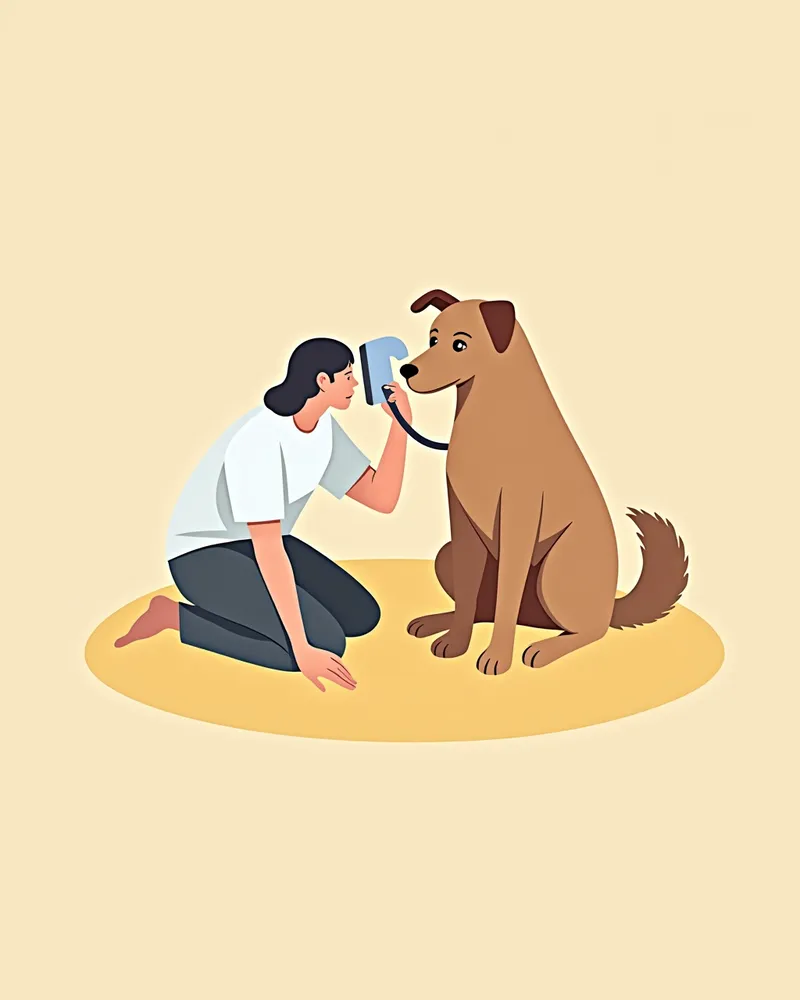
What Are the Main Symptoms of Diabetic Cataracts?

Symptoms Requiring Immediate Veterinary Visit
If your dog suddenly starts rubbing its eyes, produces excessive tears, or develops redness in the eyes, you should seek veterinary care immediately. This may indicate that worsening cataracts have led to corneal damage or anterior uveitis. Because this condition can result in vision loss, it is essential to have your dog examined by a veterinarian within 24 hours.
Comparison of Stage-by-Stage Symptoms and Management of Diabetic Cataracts
| Item | Symptoms | Management | Prognosis |
|---|---|---|---|
| Immature cataract | Partial lens opacity, mild vision reduction | Ophthalmic exam, blood glucose control, referral to an ophthalmology specialist if needed | Phacoemulsification success rate is relatively high |
| Mature cataract | Complete lens opacity, vision loss | Consider surgery (phacoemulsification), manage lens-induced uveitis | Surgery possible but success rate is somewhat lower than the immature stage (about 85–90%) |
| Hypermature cataract | Lens degeneration, risk of complications from uveitis/lens swelling | Manage complications such as uveitis, comprehensive evaluation of surgical eligibility | Surgical success rate is lower and the risk of complications is greater |
Cataracts do not disappear with medication, and phacoemulsification is the treatment that restores vision. The more immature the stage, the higher the surgical success rate.
Surgery Is the Primary Treatment for Diabetic Cataracts
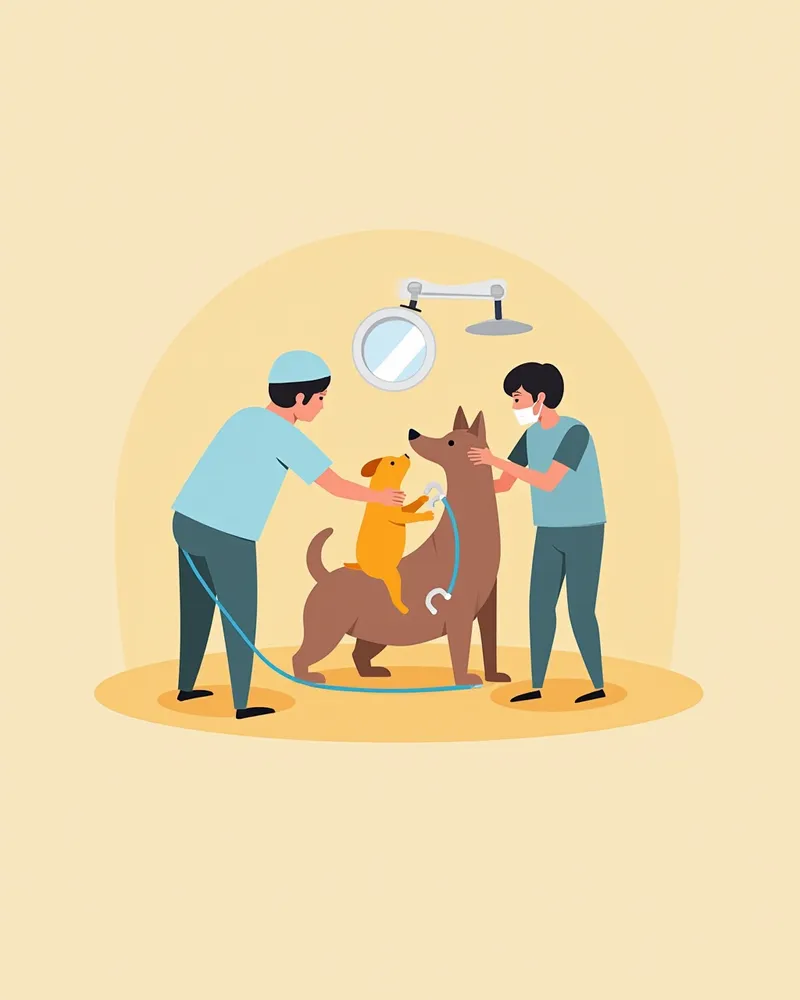
Be Sure to Know the Care Points Before and After Surgery

Diabetes Control Is Essential Before Surgery
Before cataract surgery for diabetic pets, blood sugar levels must be stabilized. Unstable blood sugar increases the risk of postoperative complications. A veterinarian should establish a diet plan and insulin administration schedule to manage blood sugar effectively. Maintaining stable blood sugar for 1 to 2 weeks before surgery is key to success.
Reviewed by a veterinarian

Dr. Tony — Punnawat Phongkittirak
VeterinarianA veterinarian who majored in veterinary medicine at Khon Kaen University, Thailand, and completed the IVSA program at North Carolina State University in the United States. Drawing on clinical experience at animal hospitals, he works in the pet healthcare field and is dedicated to building a digital care environment that connects pet parents with veterinarians.
Reviewed 2026-06-03
Frequently Asked Questions
What is the likelihood of a dog with diabetes developing cataracts?
How much does cataract surgery cost?
Will my pet’s vision fully recover after surgery?
Can cataracts come back after surgery?
Can it be treated with medication alone, without surgery?
Share
Related Guides

Top 5 Dog Tear Supplements Recommended for 2026

What is Lutein? Effects on Dog Eye Health

The Best Canine Uveitis Management Products and Selection Criteria: A Comprehensive Guide

Cat Dental Preventive Care FAQ — Key Points Every Pet Owner Should Know

Cat Water Intake Monitoring FAQ — Key Essentials Every Pet Owner Should Know

Cat Annual Deworming Schedule FAQ — Key Points Every Pet Owner Should Know

Frequently Asked Questions About Feline Anal Gland Care — Key Points Every Pet Owner Should Know

Frequently Asked Questions (Q&A) on Age-Specific Regular Health Checkups for Cats — Key Information Every Owner Must Know
Adult Cat Booster Vaccination Schedule FAQ — Key Points Every Owner Must Know

Dog Parasite Zoonotic Infection Risks FAQ — Key Points for Pet Owners
References
[1] Plumb's Veterinary Drug Handbook, 9th Edition, 2022
[2] Clinical Medicine of the Dog and Cat, 4th Edition, 2020
[3] The Dog Care Handbook, Things I Wish My Vet Had Told Me, 2021