

Cats and Essential Oil Diffusers — Why Inhalation Alone Causes Liver Damage
Cats lack the ability to conjugate glucuronic acid, which means they cannot break down essential oils. Even inhaling oils diffused into the air or grooming themselves after exposure can lead to liver cell damage. We’ve compiled a list of dangerous essential oils, emergency response steps, and safe alternatives.
What Is Essential Oil Diffuser Poisoning in Cats?
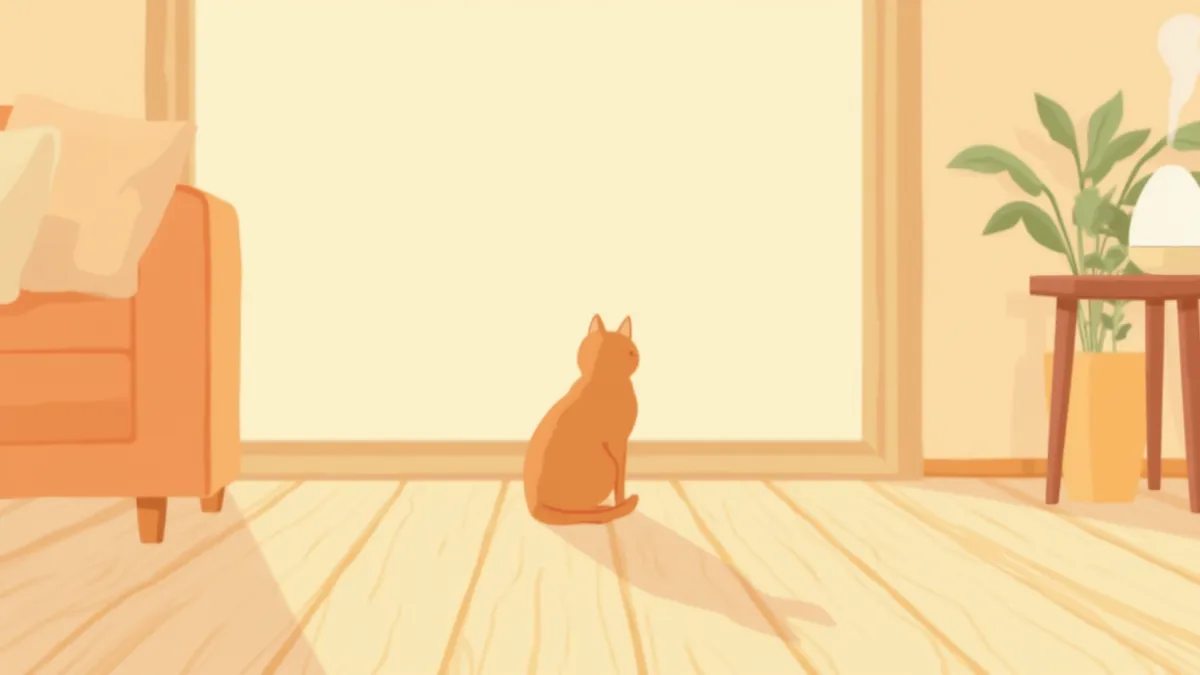
Why Are Cats Particularly at Risk?
8 Essential Oils Especially Dangerous to Cats
| Item | Key Toxic Component | Risk Level for Cats |
|---|---|---|
| Tea Tree (Melaleuca) | Terpenes | 🔴 Very High |
| Wintergreen | Methyl salicylate (aspirin class) | 🔴 Very High |
| Pennyroyal | Pulegone (causes liver necrosis) | 🔴 Very High |
| Pine Oil | Alpha-terpineol (terpene) | 🔴 Very High |
| Eucalyptus | 1,8-cineole (eucalyptol) | 🟠 High |
| Cinnamon & Clove | Eugenol (phenolic compound) | 🟠 High |
| Citrus (Lemon & Orange) | d-limonene | 🟡 Moderate |
| Lavender | Linalool & camphor | 🟡 Moderate |
Compiled from veterinary toxicology textbooks and ASPCA (American Society for the Prevention of Cruelty to Animals) recommendations. Risk can rise further depending on concentration and exposure time.
If You See These Symptoms, Go to a 24-Hour Veterinary Hospital Immediately
If you notice any of the following symptoms after turning on the diffuser, ventilate the area immediately and take your pet to a veterinarian. - Staggering or difficulty standing: This is a sign of neurological toxicity. - Excessive drooling: This indicates simultaneous irritation of the oral mucosa and nausea. - Vomiting or diarrhea: This suggests gastrointestinal irritation or a systemic toxic reaction from absorption. - Difficulty breathing or coughing: This may indicate respiratory mucosal irritation or the risk of aspiration pneumonia secondary to vomiting. - Yellowing of the gums: This suggests that liver damage may already be underway. When visiting the clinic, please bring a written record or a photo of the product showing the type of oil, its concentration, and the duration of exposure.
Risk Levels by Diffuser Type — Which Is More Dangerous?

4-Step Emergency Response When Exposure Is Suspected
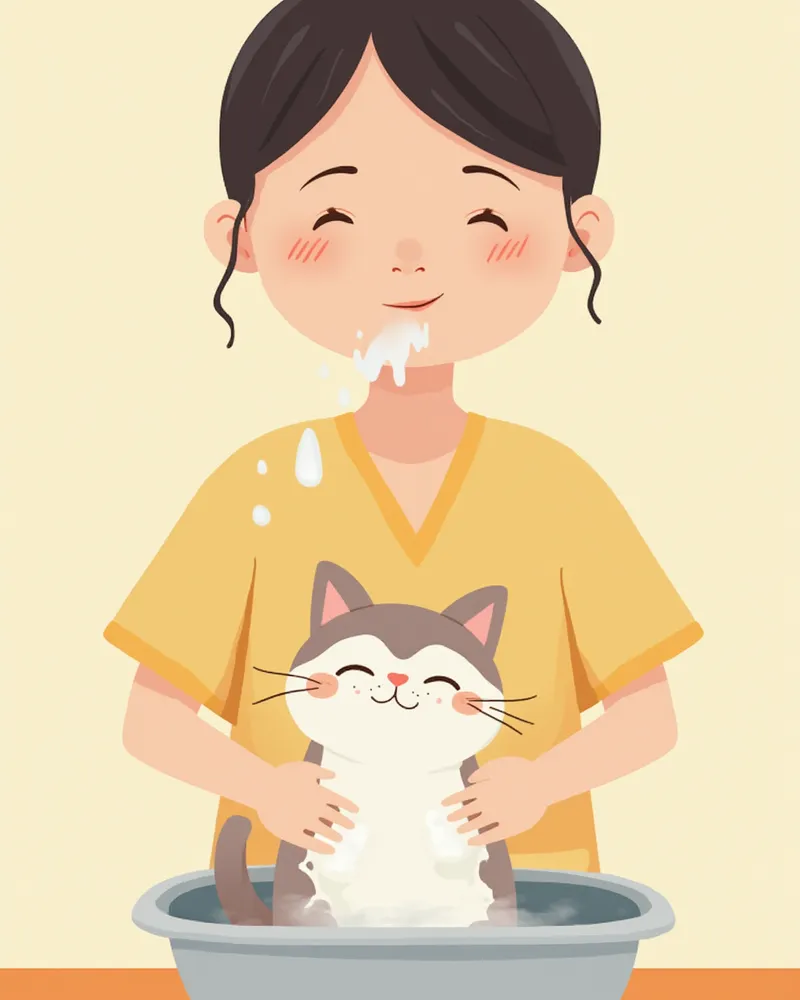
Safe Scent Alternatives for Homes Shared with Cats
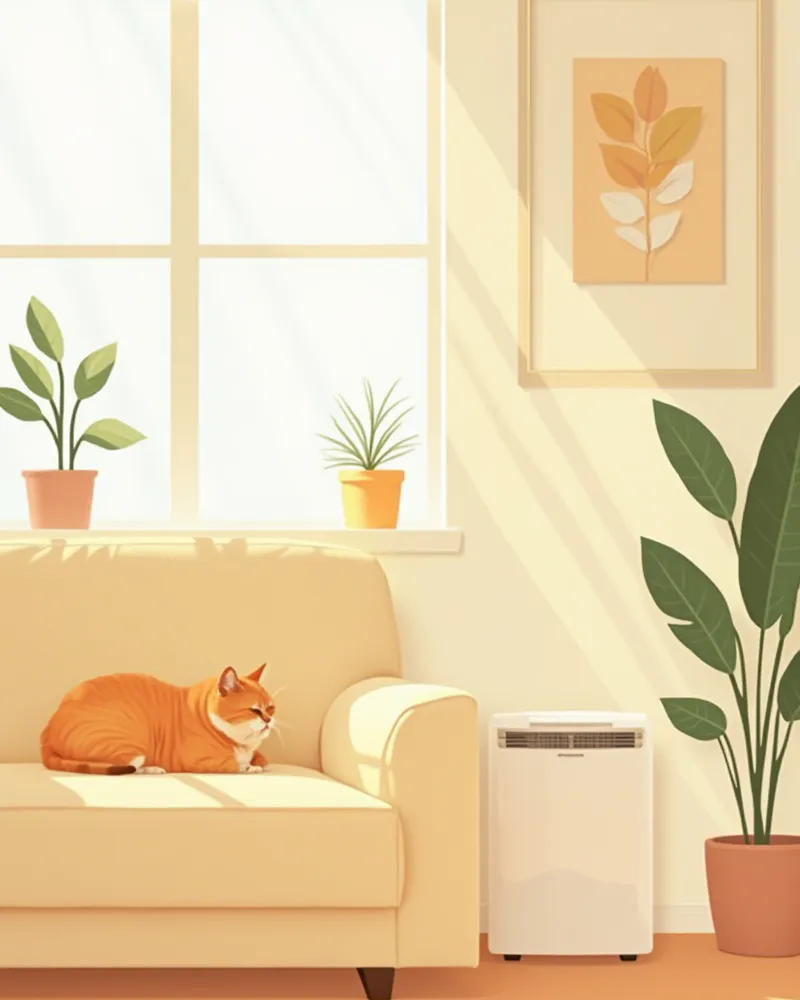
Daily Situations That Are Dangerous Even Without Using a Diffuser
Even if you don’t use a diffuser, the following situations pose the same risks. - Phenolic cleaner residue: After using cleaning products, the concentration of phenol can actually increase as the moisture on the floor dries. Ensure proper ventilation and thorough drying after cleaning, and keep your cat away from the area for a while. - Oils applied to human skin: Oils on your hands or skin can be ingested by your cat during grooming. Avoid handling your cat for a while after using massage oils or hand creams. - Around water bowls: Keep the diffuser at least 1 meter away from water bowls to prevent any liquid from dripping into them. Even a single lick can cause corrosive damage.
Reviewed by a veterinarian

Dr. Tony — Punnawat Phongkittirak
VeterinarianA veterinarian who majored in veterinary medicine at Khon Kaen University, Thailand, and completed the IVSA program at North Carolina State University in the United States. Drawing on clinical experience at animal hospitals, he works in the pet healthcare field and is dedicated to building a digital care environment that connects pet parents with veterinarians.
Reviewed 2026-05-05
Frequently Asked Questions
Is it okay to run the diffuser for just 30 minutes?
Lavender is known to have calming effects on people, but is it safe for cats?
Can I use diluted tea tree oil to treat skin mites?
My dog is fine, but my cat vomits whenever I turn on the diffuser. Why is that?
It’s been 24 hours since the exposure, and your pet seems fine now. Should I still take them to the vet?
Share
Related Guides

Top 5 Emergency Poisoning Kits for Dogs Recommended by Veterinarians
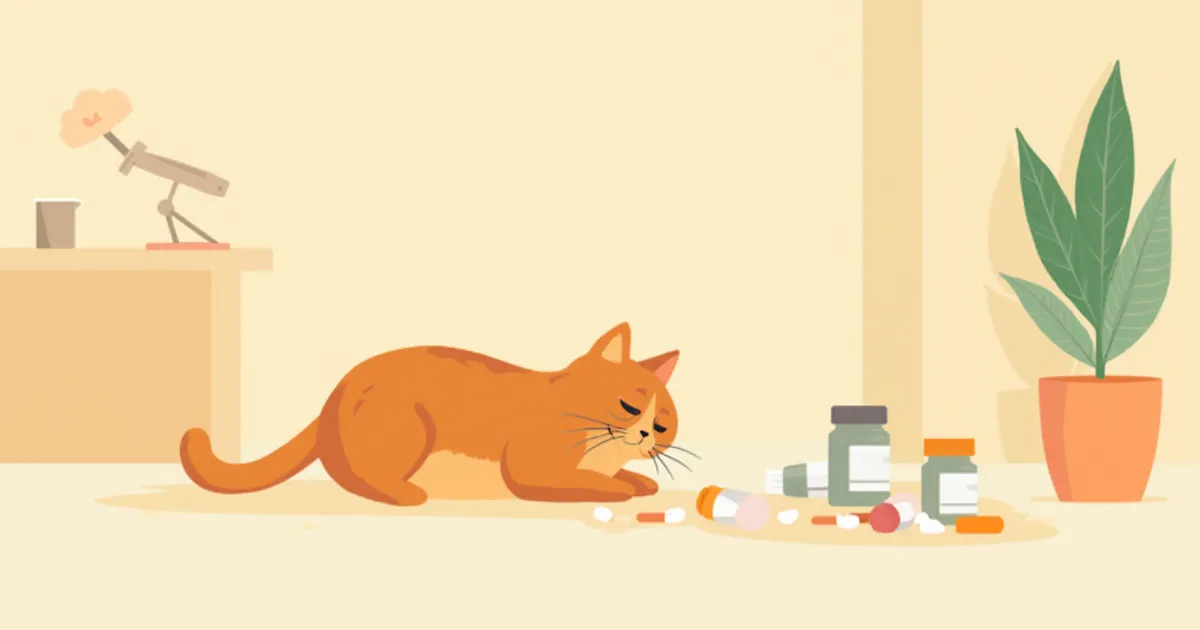
7 Emergency Checklist Items for Cat Poisoning — Signs to Check Immediately After Exposure
The Complete Guide to End-of-Life Hospice Care for Pets
Managing Cognitive Decline in Senior Cats

How Old Is Your Cat in Human Years? — A Complete Guide to Age Conversion by Life Stage

Calculating Your Dog’s Age (Conversion to Human Years)

Causes and Management of Feline Aggression — Why the Sudden Biting and Scratching?

My Cat Keeps Licking — Is This Normal? Causes and Solutions for Excessive Grooming

Causes of Nighttime Vocalization in Cats and How to Address Them
Dog Resource Guarding: Causes and Correction Methods
References
[1] Plumlee, K.H. (ed.), Blackwell's Five-Minute Veterinary Consult Clinical Companion: Small Animal Toxicology, 3rd Edition — Essential Oils / Pine Oils & Phenols / Liquid Potpourri chapters, Wiley-Blackwell
[2] Little, S.E. (ed.), The Cat: Clinical Medicine and Management, 2nd Edition — Toxicology: Melaleuca Oil section, Elsevier
[3] Genovese, A.G. et al., Adverse reactions from essential oil-containing natural flea products exempted from EPA registration, Journal of Veterinary Emergency and Critical Care, 2012