Like
Share
멍실장
강아지 분리불안 의학적 진단과 약물 치료 — 행동 교정과 병행

Canine Separation Anxiety: Is Medication Necessary? — Key Points on Medical Diagnosis and Pharmacological Treatment

Brain & CognitionQ&AMeongsiljang Veterinary Advisory Board

I’ve outlined the medical diagnostic criteria for canine separation anxiety, medication options, and how to combine behavior modification techniques like desensitization and counterconditioning.

When Is Medication for Canine Separation Anxiety Truly Necessary?
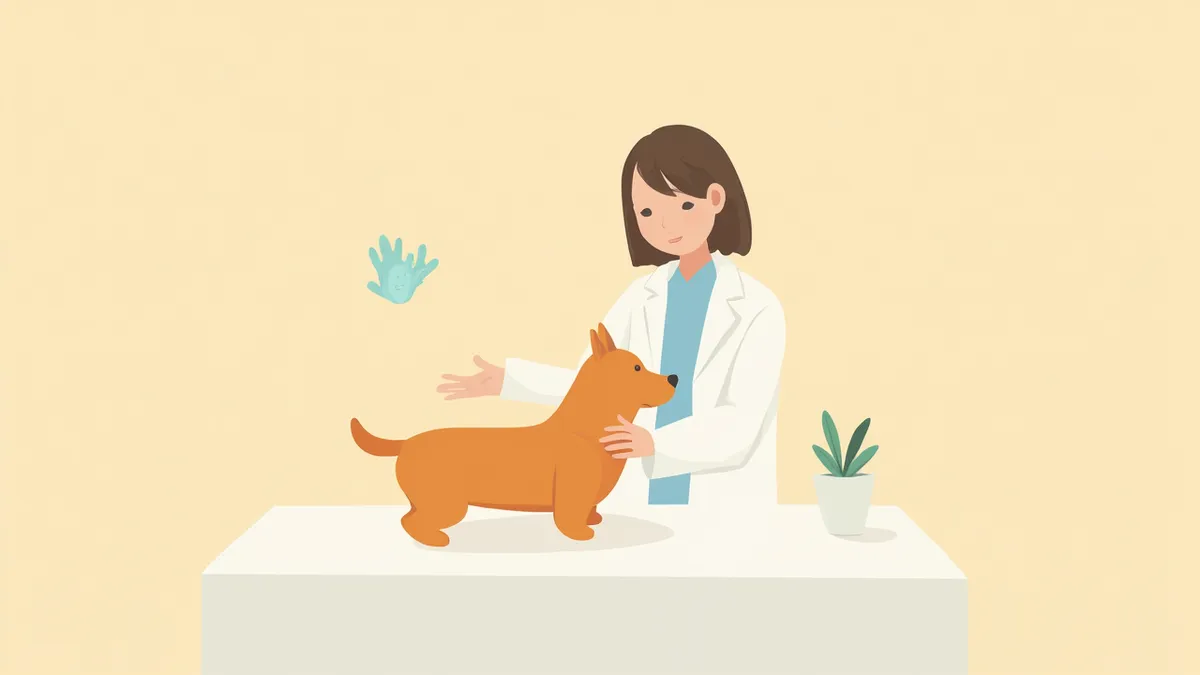
A veterinarian examining a dog suspected of having separation anxiety at an animal hospital.
Canine separation anxiety, or separation-related behavioral disorder, is a complex behavioral issue with multiple underlying causes, characterized by excessive anxiety when a dog is left alone. The key takeaway is that medication alone is not enough; it must be combined with behavior modification. Veterinary behavior textbooks emphasize that medications are only effective when used alongside behavioral training techniques such as desensitization and counterconditioning. Simply giving medication won’t automatically resolve behaviors like barking, destructive chewing, or inappropriate elimination. Diagnosis also requires more than just owner observations—video recordings of the dog’s behavior when alone, along with a physical exam to rule out pain or underlying medical conditions, are essential.

Accurate Diagnostic Criteria for Separation Anxiety

Not every case of barking when left alone is separation anxiety. Medically, we suspect separation anxiety when the following behaviors consistently occur in the absence of the owner: excessive drooling and panting as signs of distress, focused destruction such as scratching or chewing at doors and windows, house soiling despite normal house-training, and persistent barking or howling. However, these behaviors can also stem from boredom or opportunistic mischief, so video recordings taken while the owner is away are essential for diagnosis. Additionally, it is important to first rule out medical causes such as pain or other underlying conditions.

Key Comparison of Prescription Medications for Separation Anxiety

ItemFluoxetineClomipramineTrazodone
Drug classSelective serotonin reuptake inhibitorTricyclic antidepressantSerotonin antagonist and reuptake inhibitor
Main useLong-term management of chronic separation anxietyLong-term management of chronic separation anxietyShort-term situational anxiety (thunder / right before going out)
Onset of effect4–8 weeks3–6 weeksWithin 1–2 hours
Veterinary prescriptionRequiredRequiredRequired
Concurrent behavior modificationRequiredRequiredRecommended

The exact dosage and dosing schedule are determined by the veterinarian, taking into account body weight, underlying conditions, and concurrent medications.

Why Medication Alone Is Not Enough

The medication helps regulate the balance of serotonin and norepinephrine in the brain, raising the threshold for anxiety. In other words, it allows your dog to remain in a calm, receptive state where they can learn, even when faced with stimuli that would normally trigger a panic response. However, the medication alone cannot create the new association that "the owner leaving = safety." Therefore, it is essential to combine the medication with desensitization (gradually exposing the dog to separation triggers) and counterconditioning (pairing separation cues with positive experiences). You should begin to see improvements as the effects of the behavioral training accumulate over 4 to 8 weeks.
A dog calmly resting at home with a nose work toy.

What to Check Before Starting Medication

Most medications used for separation anxiety are prescription psychotropic drugs. Combining them with other antidepressants or pain relievers can increase the risk of side effects, so it is essential to inform your veterinarian if your pet is currently taking medications such as tramadol, amitriptyline (a tricyclic antidepressant), or MAO inhibitors before being prescribed fluoxetine or clomipramine. Drug selection varies depending on underlying conditions such as liver and kidney function or a history of seizures, so a blood test to assess overall health before prescribing is the safest approach. As symptoms worsen, higher doses may be required, which also increases the risk of adverse reactions; therefore, owners must never administer human antidepressants to their pets without veterinary guidance.

The Core of Behavior Modification — Desensitization and Counterconditioning
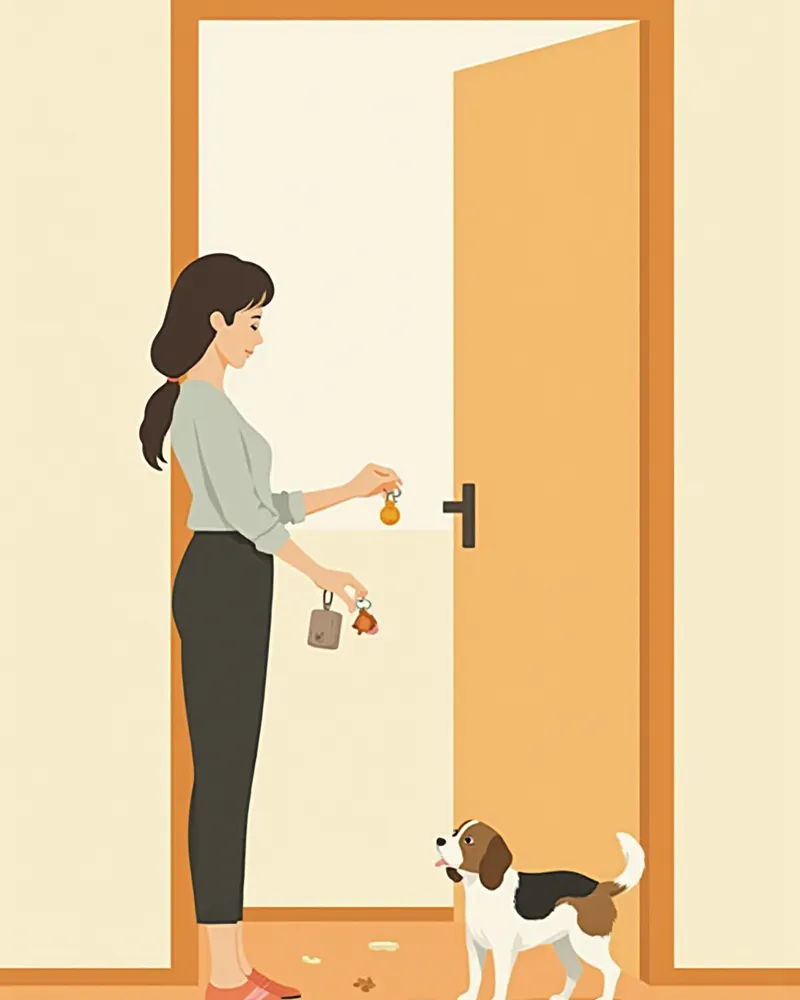
Desensitization involves gradually exposing your dog to mild triggers, keeping the intensity low enough to prevent panic. Start by having the owner pick up departure cues, like keys or a coat, and then simply put them back down. It’s crucial that these cues don’t actually lead to leaving, so they don’t become ingrained triggers for anxiety. Counterconditioning pairs the trigger with a positive reward, reshaping your dog’s emotional response so that departure cues equal good things. Activities that involve licking and chewing, such as using snuffle mats or filling frozen Kong toys with treats, are commonly used. The key is to avoid pushing too hard at once; instead, keep sessions short and consistent, slowly advancing only as long as your dog remains comfortable.
A dog owner and their puppy undergoing training to reduce sensitivity to outdoor cues.

When to Discontinue Medication and Prevent Relapse

For long-term prescription medications, we typically attempt to reduce the dosage only after the symptoms have remained stable for at least three months. This tapering process is carried out gradually over several weeks to months, with a common recommendation to decrease the dose by 25% every one to two weeks. Abruptly stopping the medication can significantly increase the risk of rebound anxiety and relapse. Continue behavioral training throughout the tapering period, and it is safer to postpone starting the reduction if environmental changes such as moving, adding new family members, or changes in the owner’s work schedule are anticipated. If signs of relapse appear, do not self-adjust by resuming the previous dose; instead, consult your veterinarian to adjust the dosage appropriately.

Enhancing Medication Efficacy Through Environmental Management

In addition to medication and training, environmental setup plays a crucial role in determining the outcome. Here are the key points to keep in mind: - Minimize departure and arrival rituals: Prolonged goodbyes can intensify separation triggers. Aim to leave and return quietly. - Break up alone time: Engaging your pet with nose work or Kong toys for the first 30 minutes can help them navigate the initial panic phase more easily. - Adequate exercise: A walk one hour before you leave helps expend energy. - White noise and pheromone diffusers: These can be used as supplementary aids. - CCTV video monitoring: Essential for objectively assessing training progress.

Reviewed by a veterinarian

Dr. Tony — Punnawat Phongkittirak

Dr. Tony — Punnawat Phongkittirak

Veterinarian

A veterinarian who majored in veterinary medicine at Khon Kaen University, Thailand, and completed the IVSA program at North Carolina State University in the United States. Drawing on clinical experience at animal hospitals, he works in the pet healthcare field and is dedicated to building a digital care environment that connects pet parents with veterinarians.

Frequently Asked Questions

Can I give my dog human antidepressants?
Absolutely not. Even if the active ingredients are the same, dogs have different metabolic rates and safe dosage limits compared to humans. Administering human medications without veterinary guidance can lead to serious adverse effects. All medications for separation anxiety require a prescription from a veterinarian, so please ensure your dog receives a proper veterinary consultation.
How quickly will the medication start to take effect?
Chronic medications like fluoxetine and clomipramine need to be given consistently for 4 to 8 weeks before you start seeing results. Short-term, situational medications (such as trazodone) work relatively quickly, but they’re not a long-term solution.
Once my pet starts taking medication, will they need to take it for the rest of their life?
Not necessarily. Typically, we gradually reduce the dosage once the symptoms have remained stable for more than three months. In many cases, once behavioral training is well-established, the improvements can be maintained without medication. However, some chronic cases may require long-term medication.
Can I just give my pet medication and skip the training?
We don’t recommend it. Medication works by regulating neurotransmitters like serotonin and norepinephrine in the brain to raise the anxiety threshold, creating a state where your dog can learn. However, the specific learning that “being alone is safe” can only be achieved through desensitization and counterconditioning training. In fact, reports indicate that over half of the cases treated with standard behavior modification protocols showed improvement.
Will just taking my dog on more walks help with separation anxiety?
Exercise is a supportive measure. While adequate exercise can enhance the effectiveness of medication and training, it cannot transform the fear response associated with separation itself into learned behavior. If separation anxiety has been diagnosed, a combination of medication, training, and environmental management is necessary.

Share

Related Guides

References

[1] Landsberg G., Hunthausen W., Ackerman L., Behavior Problems of the Dog and Cat, 4th ed., 2024

[2] Horwitz D., Mills D., BSAVA Manual of Canine and Feline Behavioural Medicine, 2nd ed., 2020

[3] Overall K., Manual of Clinical Behavioral Medicine for Dogs and Cats, 2013

[4] Simpson B.S. et al., Effects of reconcile (fluoxetine) chewable tablets plus behavior management for canine separation anxiety, Vet Therapeutics, 2007

[5] Introduction to Animal Behavior and Veterinary Behavioral Medicine, Ch.15·17, 2023

This information is based on veterinary literature and does not replace diagnosis or treatment. Please consult a veterinarian for specific health concerns.

Metapet Co., Ltd. | CEO: Park Sung-yong | Business Reg. No. 417-88-02562 | Seoul, South Korea | Customer Center

Dog Separation Anxiety: Do You Need Medication? Diagnosis Guide | Meongsiljang