

Kennel Cough Symptoms and Treatment in Dogs
We’ve compiled the essential information every pet owner should know about kennel cough, including its causes, symptoms, treatment options, and vaccination.
What Is Kennel Cough?
Causes and Transmission of Kennel Cough
Kennel Cough Key Symptoms Checklist

Seek Immediate Veterinary Care If You Notice These Symptoms
Seek immediate veterinary care if any of the following apply: • Coughing accompanied by rapid or labored breathing • Complete loss of appetite and refusal to drink water • Severe yellow nasal discharge or eye discharge • Coughing in puppies under 6 months of age • Coughing that persists for more than two weeks or progressively worsens In these cases, the condition may have progressed from simple kennel cough to pneumonia.
How Kennel Cough Is Diagnosed
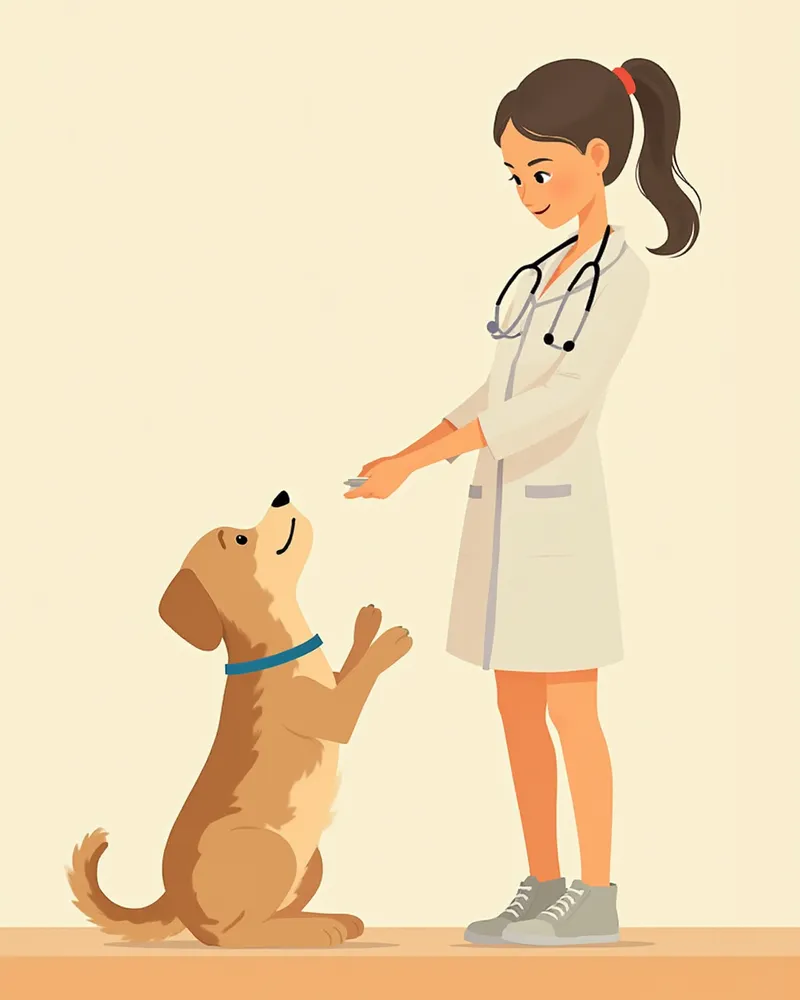
Kennel Cough Treatment Options

Home Care Tips for Recovery
Reduce the Risk with Vaccination
Kennel cough vaccines can significantly reduce the severity of clinical symptoms even if your dog becomes infected. The core combination vaccine (DHPPL) includes protection against parainfluenza, and an additional intranasal spray vaccine is available for Bordetella. If you plan to use daycare, boarding, or training facilities, it’s essential to administer the Bordetella vaccine. Please note that vaccination does not guarantee complete prevention of infection, but it does help keep symptoms much milder.
Reviewed by a veterinarian

Dr. Tony — Punnawat Phongkittirak
VeterinarianA veterinarian who majored in veterinary medicine at Khon Kaen University, Thailand, and completed the IVSA program at North Carolina State University in the United States. Drawing on clinical experience at animal hospitals, he works in the pet healthcare field and is dedicated to building a digital care environment that connects pet parents with veterinarians.
Reviewed 2026-04-16
Frequently Asked Questions
Can kennel cough be transmitted to humans?
Can I take my dog for a walk if it has kennel cough?
Can my dog still get kennel cough even after receiving the vaccine?
How long does it take for kennel cough to fully heal?
My dog has kennel cough, and I have another dog at home. What should I do?
Share
Related Guides

Top Recommended Feline Bronchodilators and Selection Criteria: A Complete Guide

Best Recommendations and Selection Criteria for Monitoring Your Cat’s Respiratory Rate (RR) During Sleep for Heart Care

Best Recommendations and Selection Criteria for Monitoring Your Dog’s Respiratory Rate (RR) During Sleep for Heart Care

Why Cats Meow at Closed Doors

Why Your Cat Stares at One Spot

Why Cats Suddenly Wake Up During Sleep
Why Your Dog Follows You Around Everywhere

Why Your Dog Points with Its Paw

Why Does Your Dog Bark or Ignore Its Reflection in a Mirror?

Why Your Dog Is Lifting One Leg — Pain Causes and When to See a Vet
References
[1] Reagan KL, Sykes JE. Canine infectious respiratory disease. Vet Clin North Am Small Anim Pract. 2020;50(2):405-18.
[2] Englar R. The Veterinary Workbook of Small Animal Clinical Cases. Sheffield: 5M Publishing.
[3] Hill P, Warman S, Shawcross G. 100 Top Consultations in Small Animal General Practice. Blackwell Publishing; 2011.
[4] Hurley K. Canine infectious respiratory disease complex: Management and prevention in canine populations. DVM 360. 2010.