Like
Share
멍실장
짧은 시술 진정 protocol, 강아지에게 어떻게 진행되나요?

How is a short-term sedation protocol for dogs carried out?

ImmunityQ&AMeongsiljang Veterinary Advisory Board

A short-term sedation protocol for dogs involves a step-by-step process, from drug combination and monitoring to recovery. The veterinarian customizes the plan based on the dog's weight and health status.

What is a short-term sedation protocol?
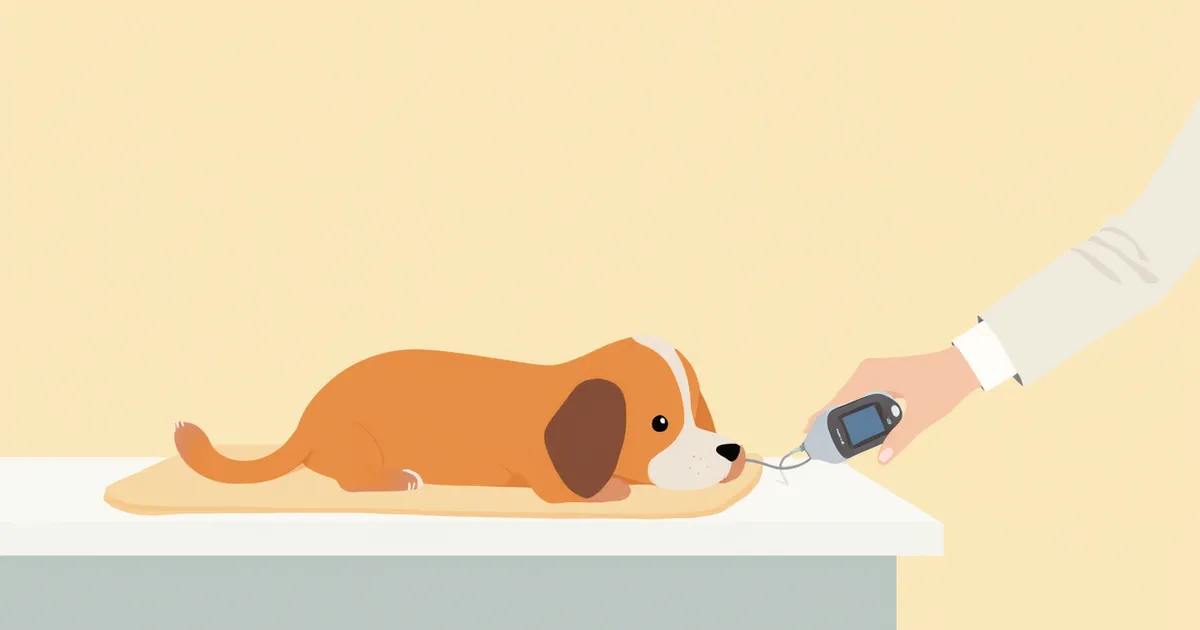
A veterinarian monitoring a sedated puppy.
A short procedure sedation protocol is a set of medications and monitoring steps used to keep your dog calm during brief procedures like X-rays, endoscopy, or suturing, which typically last 10 to 30 minutes. The most critical aspects are pre-procedure exams to assess risk and continuous monitoring of heart rate, respiration, and oxygen saturation during the procedure. It’s not simply about putting your dog to sleep; rather, your veterinarian carefully calculates and designs the drug combination and dosage based on your dog’s weight, age, and any underlying health conditions.

Difference between sedation and general anesthesia

Sedation is a state of reduced consciousness. In light to moderate sedation, spontaneous breathing and reflexes are generally maintained. However, deep sedation can lead to decreased respiration or cardiovascular and respiratory changes, requiring monitoring and support comparable to that for general anesthesia. General anesthesia blocks consciousness, pain, and reflexes, often necessitating airway management such as endotracheal intubation. Short procedures are frequently performed using sedation alone or a combination of deep sedation and local anesthesia. For procedures involving significant pain, such as dental work or biopsies, sedation alone may be insufficient, and general anesthesia may be required.

Comparison of sedation levels

ItemLight sedationModerate sedationDeep sedation
Level of consciousnessDrowsy, responds to stimulationPartial responseAlmost no response
Spontaneous breathingNormalMaintained normalMay decrease
Applicable proceduresExamination, blood samplingX-ray, simple proceduresEndoscopy, imaging exams
Monitoring intensityBasicModerateGeneral anesthesia level

The veterinarian adjusts the level according to the dog's condition

Pre-procedure checks
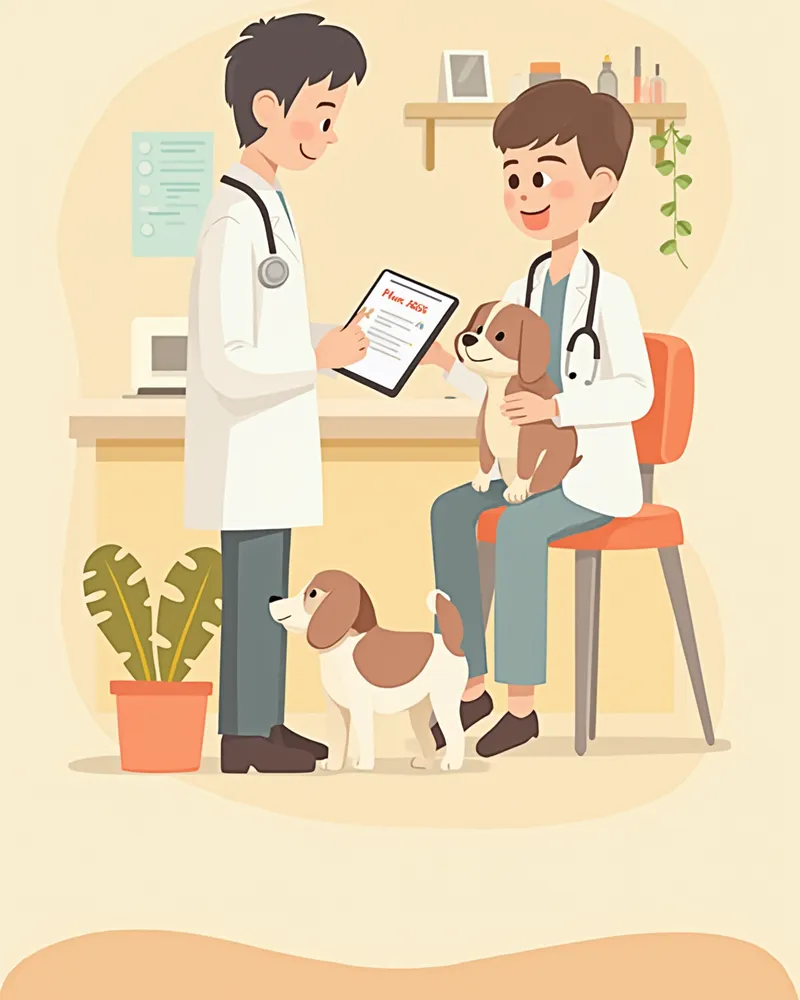
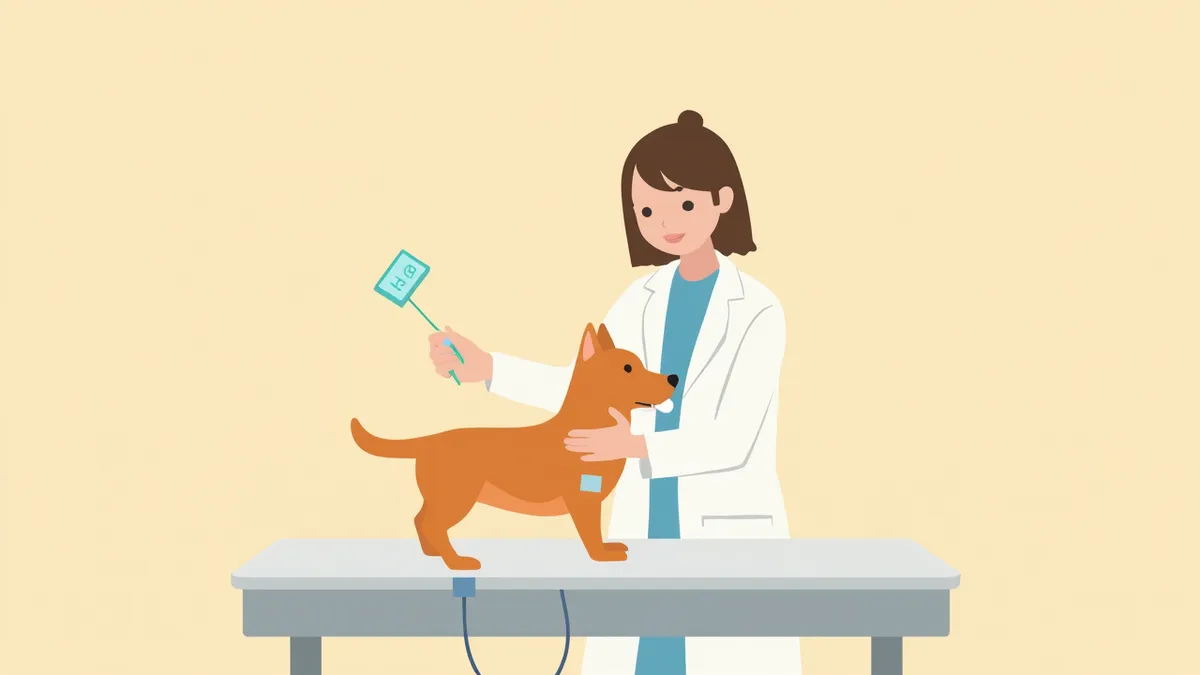
Before the procedure, we typically perform the following tests: - Physical examination: Check heart rate, respiration, body temperature, and hydration status - Blood tests: Assess liver and kidney function, anemia, and blood glucose levels - Cardiac evaluation: Auscultation, electrocardiogram (ECG), and chest X-rays as needed - Fasting requirements: Usually fast for 6–8 hours prior; water is allowed up to 2–4 hours before The type and dosage of medications will vary based on test results. Older dogs or those with heart or kidney disease require more thorough evaluation.
A veterinarian reviewing blood test results before the procedure

Information you must share

Be sure to share this information with your veterinarian before and after your appointment. For a safe and effective treatment plan, provide complete details about any medications your pet is currently taking (especially heart medications or anticonvulsants), any past reactions to anesthesia or sedation (such as vomiting, bradycardia, or delayed recovery), whether your pet belongs to a breed with known drug-sensitivity genes (like Collies or Shetland Sheepdogs), and the time of their most recent meal.

Essential monitoring during sedation

Once sedation begins, continuously monitor the following parameters: - Oxygen saturation (SpO2): Attach a sensor to the tongue or ear and use a pulse oximeter to check oxygenation status. - Heart rate and rhythm: Assess via auscultation or electrocardiogram (ECG). - Respiratory rate and depth: Observe chest movement. - Body temperature: Use a warming blanket to prevent hypothermia. - Mucous membrane color and capillary refill time (CRT): Check circulatory status (delayed CRT or pale mucous membranes are signs of perfusion abnormalities). Anesthesia and critical care textbooks emphasize that appropriate monitoring and continuous support are essential during sedation. Even for short procedures, continuous monitoring helps detect cardiovascular and respiratory complications early, significantly reducing risk.

Recovery care points

After the procedure, your dog will be monitored in a quiet recovery room until fully awake. Once you return home, please follow these care instructions for the day: - Water and food: Offer small amounts starting 2–3 hours after your dog is fully awake. - Activity: No stairs or jumping; let your dog rest on a safe, non-slip surface. - Temperature regulation: Keep your dog warm with a blanket. - What to watch for: Repeated vomiting, stumbling lasting more than 24 hours, or abnormal breathing. If you notice any of these symptoms, contact your veterinarian immediately.
A puppy recovering at home after the procedure

When to go to the clinic immediately

If your pet’s gums turn pale or blue, their breathing becomes very slow or shallow, they remain completely unresponsive for more than 24 hours, or they experience repeated vomiting or seizures, it’s an emergency. Don’t wait—head straight to the clinic where the procedure was performed or to a 24-hour emergency animal hospital.

Reviewed by a veterinarian

Dr. Tony — Punnawat Phongkittirak

Dr. Tony — Punnawat Phongkittirak

Veterinarian

A veterinarian who majored in veterinary medicine at Khon Kaen University, Thailand, and completed the IVSA program at North Carolina State University in the United States. Drawing on clinical experience at animal hospitals, he works in the pet healthcare field and is dedicated to building a digital care environment that connects pet parents with veterinarians.

Frequently Asked Questions

Is a sedation protocol safer than general anesthesia?
Generally, sedation places less physiological stress on the body than general anesthesia. However, since all forms of sedation can affect respiration and circulation, there is no such thing as "absolute safety." The level of safety ultimately depends on the thoroughness of pre-procedure examinations and the quality of monitoring.
How long should my pet fast?
Generally, food should be withheld for 6–8 hours and water for 2–4 hours beforehand. However, because puppies, small-breed dogs, and diabetic dogs are at risk of hypoglycemia, these guidelines may vary based on your veterinarian’s instructions.
Can I give my pet a sedative at home beforehand?
Never administer sedatives without a veterinarian’s prescription. For safety, the dosage should be calculated based on your pet’s weight and health status, and the medication should be given in a clinical setting where vital signs can be closely monitored.
How long does it take to recover?
With short-acting sedation, consciousness typically returns within 30 minutes to 2 hours, and your pet should be back to their usual self by that evening. However, mild drowsiness and unsteadiness may persist for up to 24 hours, so it’s important to ensure they have a quiet, safe space to rest.
Are certain breeds at higher risk for complications from sedation?
Brachycephalic breeds (such as Bulldogs and Pugs) are at higher risk of respiratory depression due to their airway anatomy, and Collie-type breeds may be sensitive to certain medications due to a genetic drug sensitivity. Please inform us in advance if your pet belongs to one of these breeds.

Share

Related Guides

References

[1] Grimm et al., Veterinary Anesthesia and Analgesia: The Fifth Edition of Lumb and Jones, 2015

[2] Advanced Monitoring for Small Animal Emergency and Critical Care, 2nd Ed

[3] AAHA Anesthesia and Monitoring Guidelines for Dogs and Cats, 2020

This information is based on veterinary literature and does not replace diagnosis or treatment. Please consult a veterinarian for specific health concerns.

Metapet Co., Ltd. | CEO: Park Sung-yong | Business Reg. No. 417-88-02562 | Seoul, South Korea | Customer Center

Short Procedure Sedation Protocol for Dogs: What to Expect | Meongsiljang