

Can You Raise a Newborn and a Pet Together? — Key Hygiene, Immune, and Safety Guidelines
To ensure newborns and pets coexist safely at home, it’s important to focus on hygiene, vaccinations, space separation, and behavioral adaptation. Here are some key points for preventing infectious diseases and managing stress.
Is It Safe to Live with a Newborn and a Pet?
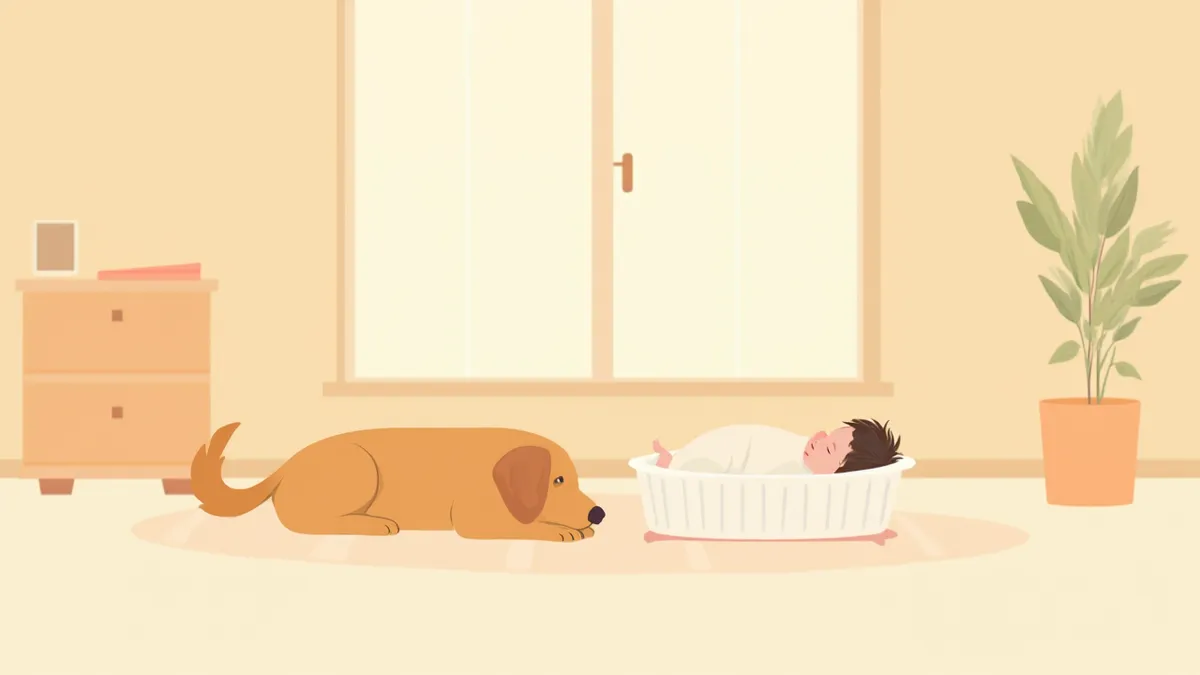
4 Must-Do Preparations Before Birth
Hygiene Rules for Contact Between Newborns and Pets
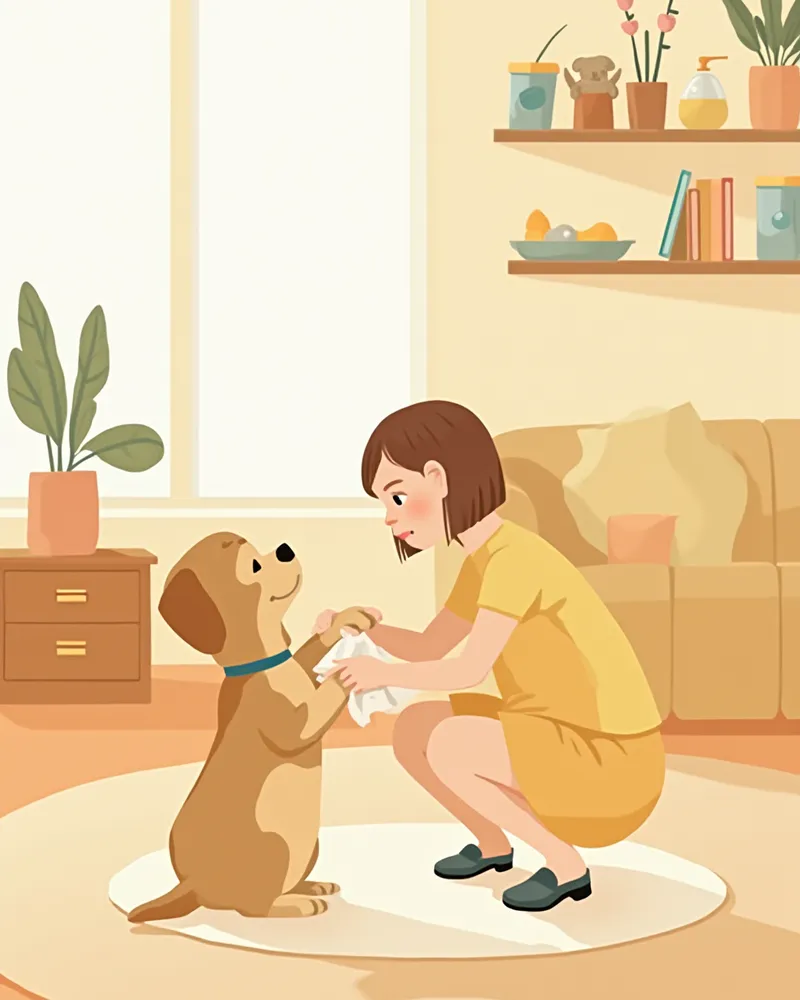
Zone-Based Access Guide
| Item | Access allowed | Allowed with supervision | No access |
|---|---|---|---|
| Living room | True | True | False |
| Baby playroom | False | True | False |
| Feeding/sleeping area | False | False | True |
| Diaper changing table | False | False | True |
The younger the baby (3 months or under), the safer it is to set a wide 'no access' zone.
Actions to Absolutely Avoid
Never leave your child alone with your pet, even for a minute. Even the gentlest pet may react instinctively to unpredictable stimuli, such as a child’s crying or sudden movements. Additionally, to avoid the risk of zoonotic diseases, you should always prevent your pet from licking your child’s face, sharing a bed with them, or eating your child’s food.
Zoonotic Diseases to Be Aware Of

How to Reduce Your Pet’s Stress

When to Immediately Consult a Veterinarian or Pediatrician
Consult a professional rather than making your own judgment in the following situations: - When your pet repeatedly growls at or assumes an aggressive posture toward your child. - When your child develops unexplained skin rashes, itching, or diarrhea. - When your pet suddenly experiences hair loss, skin lesions, or diarrhea. - When a pregnant woman is considering adopting a new cat (to assess the risk of toxoplasmosis). Early consultation is the most reliable form of prevention.
Reviewed by a veterinarian

Dr. Tony — Punnawat Phongkittirak
VeterinarianA veterinarian who majored in veterinary medicine at Khon Kaen University, Thailand, and completed the IVSA program at North Carolina State University in the United States. Drawing on clinical experience at animal hospitals, he works in the pet healthcare field and is dedicated to building a digital care environment that connects pet parents with veterinarians.
Reviewed 2026-04-29
Frequently Asked Questions
Should I temporarily move my pet to another home after my baby is born?
I'm worried about pet allergies. Is it true that growing up with a pet from a young age can actually be beneficial?
Is it safe for pregnant women to clean the cat litter box?
My child put pet hair in their mouth. Is that okay?
When is it safe for my child to have direct contact with our pet?
Share
Related Guides

Primary vs. Secondary Veterinary Hospitals: A Comparison
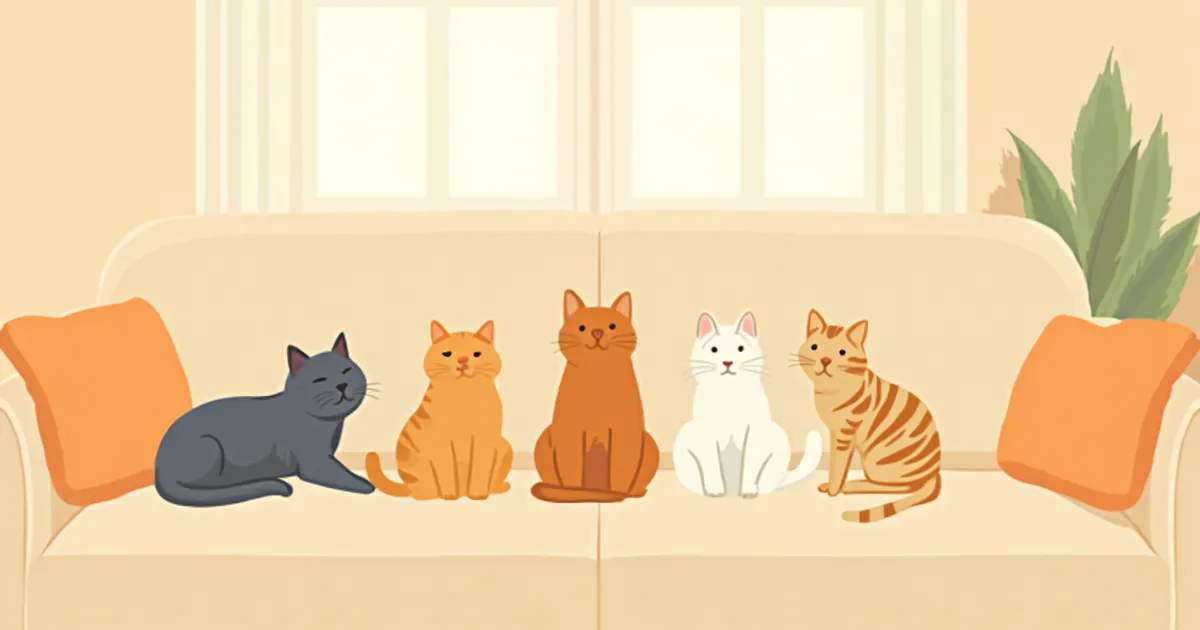
5 Easy-to-Raise Cat Breeds for First-Time Owners — Grooming Difficulty Comparison

Top 7 Short-Legged Dog Breeds
Why Has My Cat Changed Since the Baby Arrived? — Behavioral Changes and Adaptation Timing
Dog Mammary Tumors FAQ — Key Information Every Pet Owner Must Know
My Cat Is Urinating Outside the Litter Box — Is It a Simple Mistake or a Sign of Disease?

Why Does Feline Cognitive Dysfunction Occur? — Causes, Behavioral Modification, and Treatment
If Your Cat Repeats the Same Behavior — Signs of Compulsive Disorder and Treatment

What are hookworms in puppies? — Why do anemia and weight loss occur?
Preventing Mammary Tumors in Dogs — Spaying Timing and Risk Reduction Effects
References
[1] Münnich, A. and Küchenmeister, U. (2014). Causes, diagnosis and therapy of common diseases in neonatal puppies in the first days of life. Reprod. Domest. Anim. 49 (Suppl 2): 64–74.
[2] Sparkes, A.H., Rogers, K., Henley, W.E. et al. (2006). A questionnaire-based study of gestation, parturition and neonatal mortality in pedigree breeding cats in the UK. J. Feline Med. Surg. 8: 145–157.
[3] American Academy of Pediatrics (2021). Pets and Children: Guidelines for Safe Coexistence. Pediatrics Clinical Report.
[4] CDC (2022). Healthy Pets, Healthy People — Pregnant Women and Newborns Guidance.