Like
Share
멍실장
강아지 바이러스성 상부호흡기감염 자주 묻는 질문 Q&A — 보호자가 꼭 알아야 할 핵심

Canine Viral Upper Respiratory Infections FAQ — Key Information Every Pet Owner Should Know

RespiratoryQ&AMeongsiljang Veterinary Advisory Board

Canine viral upper respiratory infections are contagious diseases caused by multiple viruses, presenting symptoms such as nasal discharge, coughing, and tearing. Here’s a summary of key information every pet owner should know.

What Are Canine Viral Upper Respiratory Infections?

A puppy with a runny nose in the clinic waiting room
Canine viral upper respiratory infections are contagious diseases caused by multiple viruses. Common symptoms include nasal discharge, coughing, tearing, and pharyngitis. The infection spreads easily through airborne droplets or direct contact, with a higher risk of occurrence in places where pets gather. While most cases are mild, dogs with weakened immune systems or those with concurrent conditions may develop complications. Early detection and appropriate care are essential.

What Are the Main Causative Viruses?

Canine viral upper respiratory infections are often caused by a combination of one or more viruses. Among these, the most common and well-known culprits are the canine parainfluenza virus (CPIV) and canine adenovirus type II (CAV-2). Other viruses, such as the canine influenza virus (CIV) and canine respiratory coronavirus (CRCoV), can also be responsible. These viruses cause inflammation of the mucous membranes in the larynx, trachea, and bronchi, leading to coughing and nasal discharge. While single-virus infections typically follow a mild to moderate, self-limiting course, symptoms can worsen if a secondary bacterial infection occurs. The viruses spread through large droplets mixed with secretions, contaminated objects, and both direct and indirect contact. The risk of infection is particularly high in enclosed indoor spaces or environments where multiple dogs live in close proximity. The duration of pathogen shedding after infection varies depending on the type of virus and the clinical course.
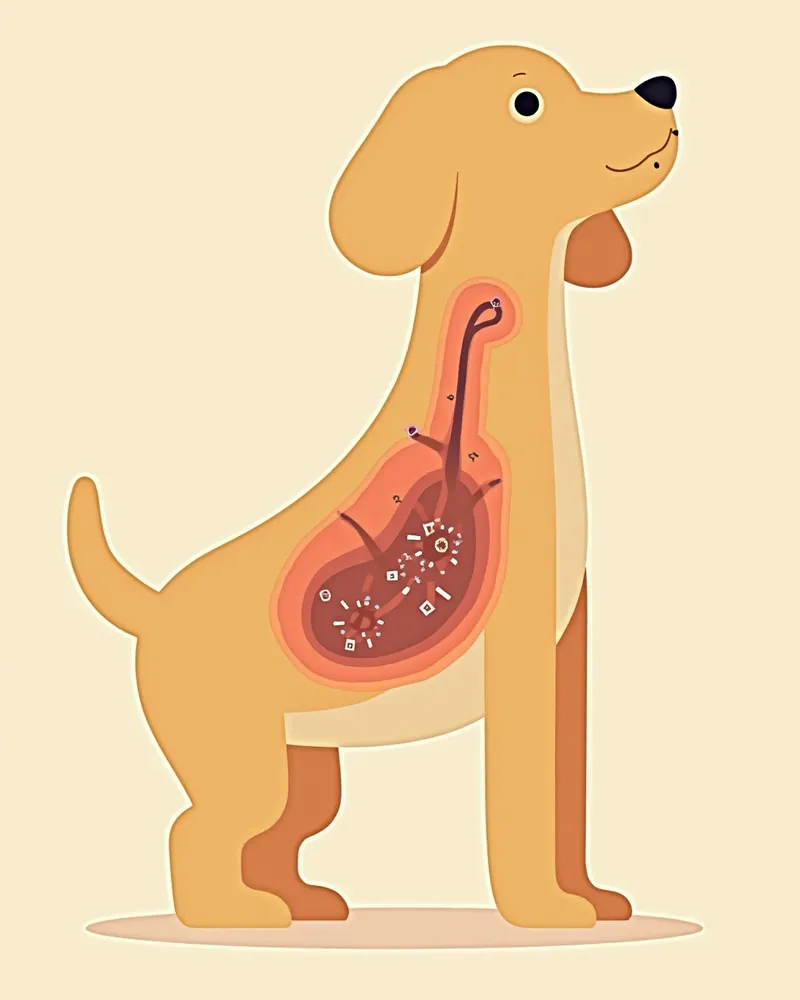
A virus attaching to the mucous membranes of a dog's upper respiratory tract

What Are the Main Symptoms?

The main symptoms of viral upper respiratory infection in dogs are as follows. Symptoms typically appear acutely within a few days after infection. While they may be mild, their severity can vary depending on the individual dog’s immune status. If symptoms persist or worsen, veterinary care is necessary. Owners should closely monitor any changes in symptoms.
Nasal discharge: Clear or yellow mucous discharge may be present.
Coughing: Recurrent dry or mucous-producing cough.
Tearing: Red, watery eyes.
Fever: Elevated body temperature above normal, possibly with fever.
Decreased appetite: Reduced food intake or complete loss of appetite.
Lethargy: Decreased activity and apparent drowsiness.
If symptoms persist or worsen, especially if severe signs such as difficulty breathing, persistent coughing, or complete loss of appetite occur, veterinary care is essential.
A puppy lying down with a runny nose and watery eyes

Signs Requiring Immediate Veterinary Visit

If your dog is coughing severely, panting, or breathing with its mouth open, seek veterinary care immediately. You should also see a vet if your dog’s temperature stays above 39.5°C (103.1°F) or if it refuses to eat or drink for more than 24 hours. These symptoms may indicate complications such as pneumonia, secondary infections, or dehydration, so prompt veterinary attention is essential.

How Is Diagnosis Performed?

Diagnosing viral upper respiratory infections in dogs requires a veterinarian’s professional assessment. - Symptoms and medical history: We check for symptoms such as nasal discharge, coughing, and eye discharge, as well as whether your pet has recently visited places where other animals gather. - Viral testing: Samples collected from the nose or throat can accurately determine the presence of a virus. - Blood tests: These help assess your pet’s overall health and identify any secondary infections. - Chest X-rays: These are important for checking whether complications have developed in the lungs. For an accurate diagnosis, we comprehensively utilize multiple tests.
A veterinarian examining a puppy's nose and neck.

What Are the Treatment Methods?

Most cases of viral upper respiratory infection in dogs are self-limiting and resolve on their own. However, proper care is essential to alleviate symptoms and prevent complications. Your veterinarian may prescribe antibiotics to guard against secondary bacterial infections. Cough suppressants or decongestants may also be used, and encouraging adequate fluid intake is crucial. At home, please maintain a warm, humid environment for your dog.
A puppy drinking water and a damp environment

Comparison of Management Strategies by Symptom Severity

ItemSymptom severityKey signsRecommended responseNeed for veterinary visit
MildMild nasal discharge, slight coughRest, maintain a warm environment, ensure adequate hydrationManageable at homeNot needed
ModeratePersistent cough, increased tearing, decreased appetiteAntibiotic prescription, cough suppressant (consult a veterinarian), humid environmentVeterinary consultation neededRecommended
SeriousRespiratory distress, high fever (persistently above 39.5°C), complete loss of appetiteVisit the hospital immediately, oxygen therapy, IV fluids, hydration supportEmergency treatment neededEssential

If symptoms worsen or persist for more than 3 days, see a veterinarian.

Precautions: Avoid Contact with Other Dogs

Infected puppies should have minimal contact with other dogs. Since infections can spread through airborne droplets or contaminated objects, it’s important to avoid places where pets gather. Shedding of the virus can begin early in the infection, and the duration of pathogen shedding may vary depending on the type of virus. Therefore, isolation for 2–3 weeks is generally recommended. However, the exact duration may vary based on diagnostic results and the severity of the infection, so consulting with a veterinarian is advisable.

Reviewed by a veterinarian

Dr. Tony — Punnawat Phongkittirak

Dr. Tony — Punnawat Phongkittirak

Veterinarian

A veterinarian who majored in veterinary medicine at Khon Kaen University, Thailand, and completed the IVSA program at North Carolina State University in the United States. Drawing on clinical experience at animal hospitals, he works in the pet healthcare field and is dedicated to building a digital care environment that connects pet parents with veterinarians.

Frequently Asked Questions

Can dogs transmit viral upper respiratory infections to humans?
No, this virus is not transmitted to humans. It primarily spreads among dogs and does not pose a threat to human health.
Can it be prevented with a vaccine?
Vaccines are available against the main causative agents, such as canine parainfluenza virus, canine adenovirus type II, and canine influenza virus. It’s best to consult with your veterinarian to determine which vaccines are appropriate for your dog and to maintain a regular vaccination schedule.
How can I care for my pet at home?
Keep the environment warm and humid, and ensure your pet gets plenty of fluids and proper nutrition. If the coughing is severe, let them rest in a humidified room. Cough suppressants require a veterinarian’s prescription.
The symptoms seemed to go away, but the cough has returned?
After an infection, a cough may persist for about one to two weeks. However, if the cough continues or worsens, your pet should be examined by a veterinarian.
What should I do if another dog becomes infected?
Stop contact with the infected dog immediately and consult your veterinarian. Other dogs will also need to be examined and receive preventive measures. Isolation is recommended depending on the risk of infection, and the exact duration may vary based on the type of virus and the specific circumstances.

Share

Related Guides

References

[1] Canine and Feline Respiratory Medicine, 3rd Edition. Elsevier, 2021.

[2] Textbook of Respiratory Disease in Dogs and Cats. Wiley-Blackwell, 2019.

[3] Clinical Medicine of the Dog and Cat, 4th Ed. Elsevier, 2020.

This information is based on veterinary literature and does not replace diagnosis or treatment. Please consult a veterinarian for specific health concerns.

Metapet Co., Ltd. | CEO: Park Sung-yong | Business Reg. No. 417-88-02562 | Seoul, South Korea | Customer Center

Dog Viral Upper Respiratory Infection Q&A | Essential Facts | Meongsiljang