
Like
Share
멍실장
강아지 심근염 자주 묻는 질문 Q&A — 보호자가 꼭 알아야 할 핵심

Canine Myocarditis FAQ — Key Information Every Pet Owner Should Know

HeartQ&AMeongsiljang Veterinary Advisory Board

Canine myocarditis is a condition characterized by inflammation of the heart muscle, and early detection is key to successful treatment. Here’s a summary of the essential information every pet owner should know.

Canine Myocarditis Is a Condition Involving Inflammation of the Heart Muscle

An anatomical image of a dog's heart with inflammation
Canine myocarditis is a condition in which inflammatory cells infiltrate the heart muscle itself, potentially impairing the heart’s contractile function. If left unchecked, this can lead to an enlarged heart or progress to congestive heart failure (CHF). However, myocarditis is relatively uncommon in dogs, and its clinical presentation varies widely—from cases with minimal symptoms and only electrocardiographic abnormalities to overt heart failure. Therefore, it’s important for pet owners to watch for specific warning signs. Key indicators include easy fatigue and exercise intolerance, rapid or labored breathing even at rest, coughing, irregular heartbeats, fainting episodes, and weight loss. If any of these symptoms persist, seek veterinary care immediately. Because accurate diagnosis and appropriate treatment significantly influence the outcome, careful ongoing observation is essential.

The Main Causes of Myocarditis Are Infection, Genetics, and Immune Abnormalities

There are many possible causes of myocarditis in dogs. Infectious agents such as viruses, bacteria, parasites, and protozoa can directly invade the heart muscle. For example, canine parvovirus (CPV-2) is known to cause myocarditis in puppies either in utero or within the first two weeks of life. Other reported causes include distemper virus, West Nile virus, bacteria such as Staphylococcus and Streptococcus, and protozoa such as Toxoplasma and Neospora. In addition to infections, non-infectious factors such as autoimmune reactions, toxins, and trauma can also lead to myocarditis. Autoimmune myocarditis occurs when the immune system mistakenly attacks heart tissue, and it can also develop as a result of an excessive immune response following an infection. Because these factors can interact in complex ways, accurate diagnosis and regular check-ups are essential.
Puppies with a genetic mutation affecting heart muscle

5 Main Symptoms of Myocarditis

- Severe fatigue: Your pet may sleep all day or show little to no movement. - Difficulty breathing: Rapid breathing or shortness of breath, even at rest. - Coughing: Frequent coughing, as if fluid is accumulating in the lungs. - Irregular heartbeat: An abnormal or irregular heart rhythm. - Weight loss: Decreased appetite and noticeable weight loss. If these symptoms persist, seek veterinary care immediately. Pay special attention if symptoms worsen after exercise. Early detection significantly improves treatment outcomes.
A puppy struggling with difficulty breathing

Irregular Heartbeats or Sudden Collapse Require Immediate Veterinary Visit

Highly irregular heartbeats or sudden collapse may be warning signs of cardiac arrest or ventricular fibrillation. This is a life-threatening emergency, so please consult a veterinarian immediately and transport your pet to a clinic right away.

Myocarditis Is Diagnosed Using Echocardiography and Electrocardiogram
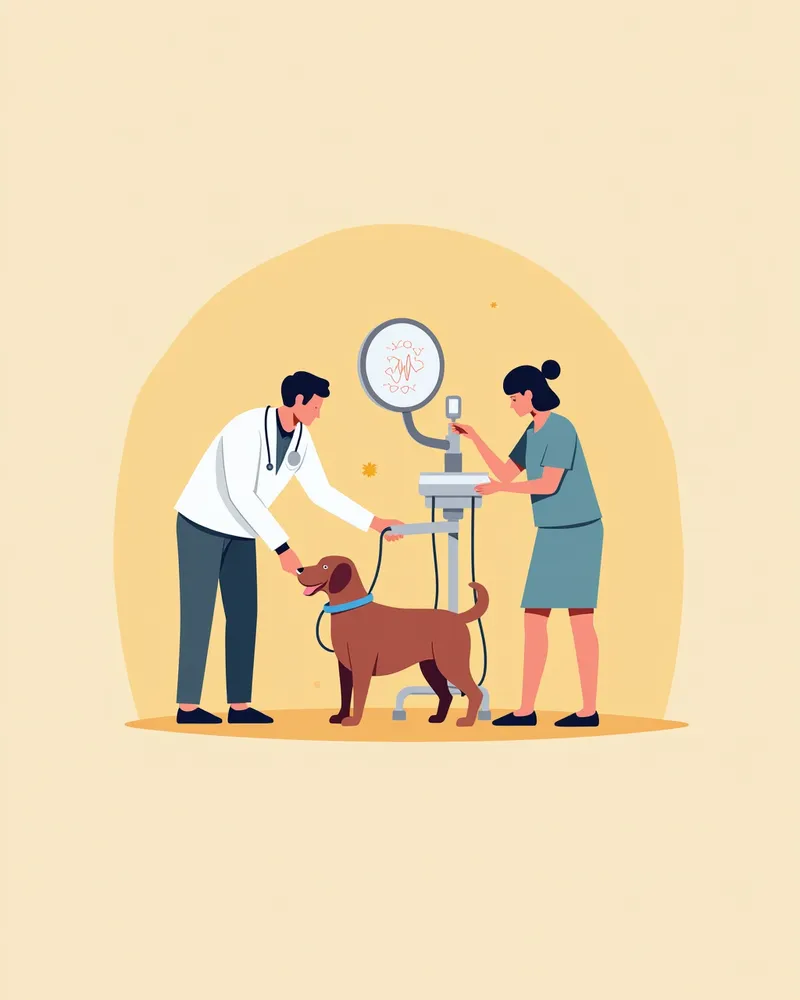
Myocarditis is difficult to diagnose based on symptoms alone, so accurate diagnostic testing is essential. An echocardiogram (heart ultrasound) evaluates the thickness and contractility of the heart muscle as well as overall heart size, while an electrocardiogram (ECG) checks for abnormalities in heart rhythm. Blood tests or genetic testing may also be performed when necessary. Echocardiography allows real-time observation of heart function, and ECG analyzes the rhythm and electrical activity of the heartbeat. A comprehensive combination of these tests is required for an accurate diagnosis. Regular check-ups are important for early detection.
A veterinarian performing an echocardiogram on a puppy

Treatment Consists of Medication, Dietary Management, and Lifestyle Improvements

- Cardiac medications: We prescribe medications tailored to your pet’s condition to help strengthen heart contractions or reduce the workload on the heart. - Diuretics: These help remove excess fluid buildup from the body, alleviating pulmonary edema and difficulty breathing. - Antiarrhythmic management: If an arrhythmia is present, we may use medications such as diltiazem or digoxin to regulate heart rate and rhythm. - Dietary management: Under veterinary guidance, we adjust the diet to maintain balanced nutrition. - Rest and activity restriction: Avoid excessive exercise and minimize stress. While arrhythmias caused by infections may improve with appropriate treatment, some cases require long-term management. Regular veterinary check-ups, strict adherence to prescribed medications, and consistent care from pet owners are essential.
Daily life of a dog taking heart medication

Prevention Centers on Early Screening and Healthy Lifestyle Habits

Regular check-ups: It’s a good idea to have your pet’s heart checked at least once a year.
Infection prevention: Make sure to keep up with basic vaccinations to prevent infectious causes like parvovirus.
Healthy diet: Feed a balanced diet.
Stress management: Maintain a consistent daily routine and avoid excessive stimulation.
Exercise moderation: Avoid overexertion and stick to appropriate walks.
These care practices can help protect your pet’s heart health and detect any issues early on.
A dog enjoying a peaceful walk

Comparison of Symptoms and Management by Stage of Myocarditis

ItemMain SymptomsHow to Respond
MildSlight fatigue, mild difficulty breathingRegular checkups, dietary control, stress management
ModeratePersistent coughing, abnormal heart rhythmStart drug therapy, exercise restriction, weekly hospital visits
SevereSevere difficulty breathing, collapse, rapid weight lossHospitalization, potent medication, cardiologist consultation

Stage-specific management greatly increases treatment success rates. Early detection is important.

Reviewed by a veterinarian

Dr. Tony — Punnawat Phongkittirak

Dr. Tony — Punnawat Phongkittirak

Veterinarian

A veterinarian who majored in veterinary medicine at Khon Kaen University, Thailand, and completed the IVSA program at North Carolina State University in the United States. Drawing on clinical experience at animal hospitals, he works in the pet healthcare field and is dedicated to building a digital care environment that connects pet parents with veterinarians.

Frequently Asked Questions

Can myocarditis be completely cured?
The outlook depends on the underlying cause and severity. While infectious acute myocarditis may improve with appropriate treatment, complete recovery is often difficult. In such cases, the goal is to maintain quality of life through consistent treatment and management.
Does myocarditis mean I should stop taking my pet for walks?
Walking is fine, but excessive exercise should be avoided. Monitor your pet for symptoms, and have them rest immediately if they become short of breath or fatigued.
Can myocarditis be transmitted to other dogs?
Myocarditis itself is not contagious. However, since the underlying viruses or bacteria can be transmitted, isolation is necessary if the cause is infectious.
Do heart medications need to be given for life?
It depends on the underlying cause. If an infection is responsible, symptoms often improve with treatment, and the medication dose may be reduced. However, if the condition has progressed to a chronic stage, long-term or lifelong medication may be necessary. The medication helps manage symptoms and protect heart function.
If myocarditis is suspected, what tests should be performed?
First, it's most important to get an echocardiogram and an electrocardiogram. If needed, blood tests or genetic testing may also be performed. The specific tests will be determined by your veterinarian's judgment.

Share

Related Guides

References

[1] Kaplan JL, Stern JA. Canine Cardiomyopathy. In: Small Animal Critical Care Medicine, 3rd Ed. Elsevier, 2020.

[2] Freid KJ, et al. Retrospective study of dilated cardiomyopathy in dogs. J Vet Intern Med. 2020 Dec 21;35(1):58–67.

[3] Keene BW, Atkins CE. Genetic mutations in canine cardiomyopathy: implications for diagnosis and management. Vet Clin North Am Small Anim Pract. 2021;51(3):521–538.

This information is based on veterinary literature and does not replace diagnosis or treatment. Please consult a veterinarian for specific health concerns.

Metapet Co., Ltd. | CEO: Park Sung-yong | Business Reg. No. 417-88-02562 | Seoul, South Korea | Customer Center

Canine Myocarditis FAQ: Key Facts Every Pet Owner Needs | Meongsiljang