Like
Share
멍실장
강아지 당뇨성 케톤산증 자주 묻는 질문 Q&A — 보호자가 꼭 알아야 할 핵심

What Is Canine Diabetic Ketoacidosis? — Emergency Warning Signs You Must Not Miss

EndocrineQ&AMeongsiljang Veterinary Advisory Board

Diabetic ketoacidosis in dogs is an emergency condition that occurs when diabetes worsens. Here’s a summary of the key information pet owners should know.

What Is Canine Diabetic Ketoacidosis?
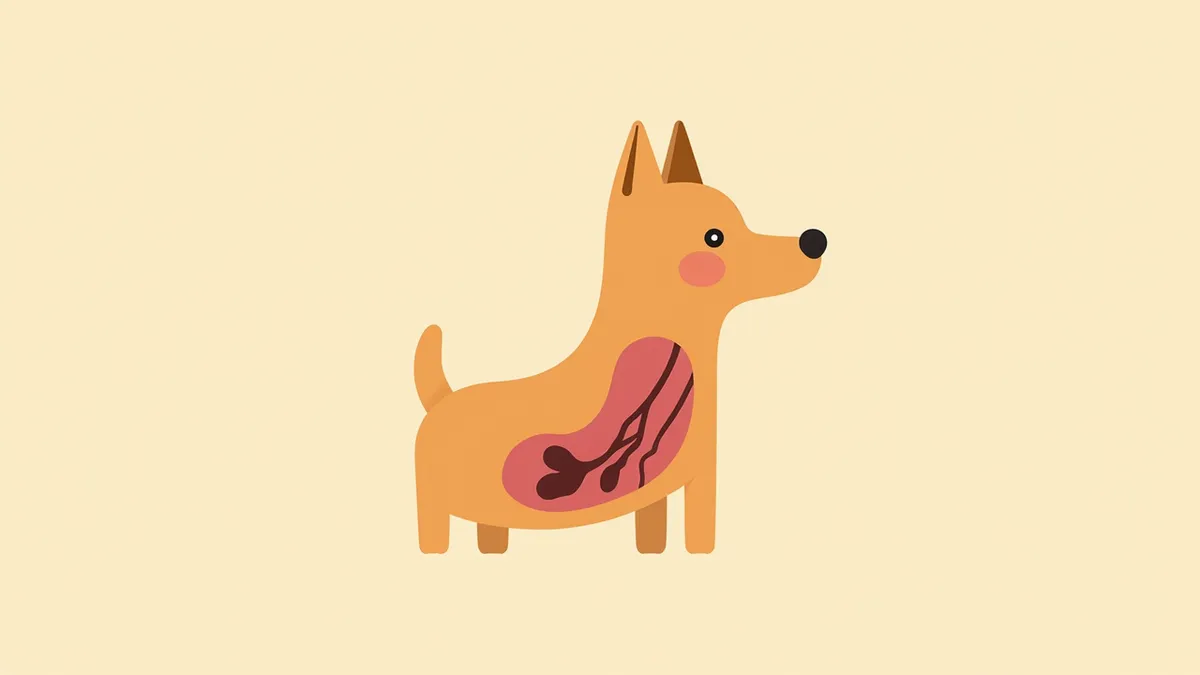
A diagram explaining the physiological principles of diabetic ketoacidosis
Canine diabetic ketoacidosis (DKA) is a life-threatening emergency that occurs when diabetes worsens severely, causing blood glucose levels to spike rapidly. Due to insulin deficiency, the body begins breaking down fat, leading to excessive production of ketone bodies. As these ketones accumulate, the blood becomes acidic, resulting in metabolic acidosis characterized by a drop in pH. This condition is also marked by dehydration and electrolyte imbalances. If left unchecked, it can progress to difficulty breathing and decreased consciousness. A fruity odor on the breath is a well-known sign of high ketone levels. Because the risk of death is high without immediate veterinary care, quick decision-making by pet owners is crucial. Early detection and prompt intervention are paramount.

Why Does Diabetic Ketoacidosis Occur?
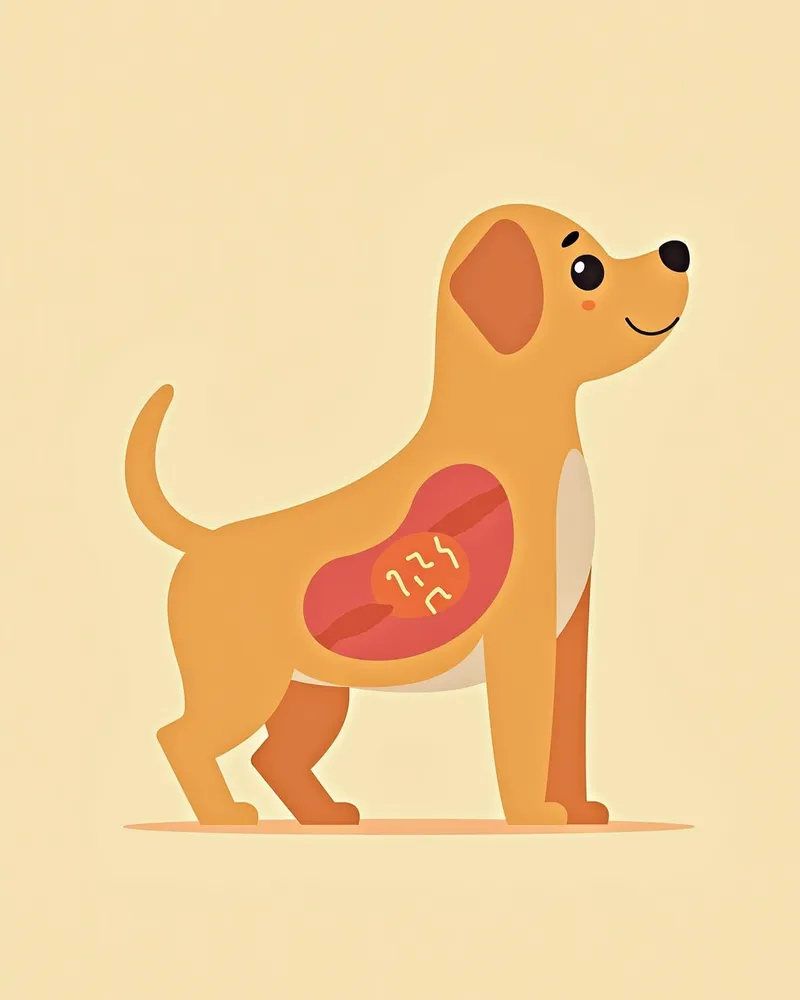
When a diabetic dog experiences prolonged insulin deficiency, it cannot properly use glucose for energy, leading to the breakdown of body fat and the excessive production of ketones. If this process worsens, ketones accumulate in the blood, causing the body to become acidic and the pH to drop, resulting in metabolic acidosis, also known as ketoacidosis. Triggers can include missed insulin injections, infections, other concurrent illnesses, or stress. In these situations, hormones such as glucagon and cortisol increase, further stimulating ketone production. Therefore, it is important to proactively monitor for these risk factors during diabetes management. However, keep in mind that there are cases where the underlying cause remains unclear.
An image visualizing the process of fat breakdown and ketone body production

What Are the Main Symptoms of Diabetic Ketoacidosis?

The hallmark signs of diabetic ketoacidosis in dogs include severe vomiting, difficulty breathing, lethargy, decreased consciousness, and a fruity odor on the breath. This fruity breath odor is a known indicator of elevated ketone levels in the body. This condition can deteriorate rapidly, and severe dehydration may lead to shock. Additionally, symptoms such as polydipsia (excessive thirst) and polyuria (frequent urination) due to glucose spilling into the urine from high blood sugar, along with loss of appetite and dehydration, may occur. If you observe these symptoms, immediate veterinary care is essential. Early detection significantly improves the chances of successful treatment.
An image showing breath that smells like fruit due to ketones.

What Is the Emergency Response for Diabetic Ketoacidosis?

Diabetic ketoacidosis is a medical emergency that requires immediate veterinary care. There are no effective home remedies, so your dog needs to be transported to a clinic as quickly as possible. During transport, keep your dog in a calm, stable position and do not offer water. Never administer additional insulin. Continuously monitor your dog’s breathing during the car ride and stay in contact with your veterinarian. Swift action is critical to saving your dog’s life. Upon arrival at the clinic, comprehensive diagnostics and treatment will begin.
A puppy being transported in an emergency

Signs That Require Immediate Veterinary Visit

If your dog experiences severe vomiting, difficulty breathing, decreased consciousness, or breath that smells fruity, take them to the hospital immediately. These are emergency signs of diabetic ketoacidosis.

What Is the Treatment Process Like?

At the hospital, we stabilize your pet’s condition through insulin injections, intravenous fluid therapy, electrolyte supplementation, and close monitoring of blood glucose and acid-base balance. It is crucial to administer insulin gradually to lower blood sugar levels steadily and safely. Fluid therapy helps alleviate dehydration and correct electrolyte imbalances. Treatment typically lasts 24 to 72 hours, after which care transitions to home management once your pet is stable. Ongoing regular blood glucose monitoring and veterinary check-ups remain essential.
Administering insulin injections and monitoring blood glucose levels at the veterinary clinic

Diabetic Ketoacidosis vs. General Diabetes Symptoms Comparison

ItemDiabetic ketoacidosisOrdinary diabetes mellitus
Level of consciousnessDecreased or comatoseNormal or slightly lethargic
Respiratory statusSevere respiratory distress, excessive breathingNormal
VomitingSevere repeated vomitingOccasional
Breath odorFruity odorNormal
UrgencyVery high (immediate hospital care needed)Low

Ketoacidosis is a life-threatening condition, so immediate hospital treatment is essential.

Management Points for Prevention

For dogs managing diabetes, it is essential to precisely coordinate insulin administration, meal portions, and feeding times. Consistency is key—never skip or delay meals or insulin doses. Be vigilant for any changes in your dog’s health, as infections, stress, or other illnesses can worsen their diabetic condition. Regular blood glucose monitoring and open communication with your veterinarian are also crucial. Early detection and proactive prevention remain the most effective strategies for managing diabetes.
Diabetes Management Checklist Image

Reviewed by a veterinarian

Dr. Tony — Punnawat Phongkittirak

Dr. Tony — Punnawat Phongkittirak

Veterinarian

A veterinarian who majored in veterinary medicine at Khon Kaen University, Thailand, and completed the IVSA program at North Carolina State University in the United States. Drawing on clinical experience at animal hospitals, he works in the pet healthcare field and is dedicated to building a digital care environment that connects pet parents with veterinarians.

Frequently Asked Questions

Can diabetic ketoacidosis be cured?
While ketoacidosis itself can be resolved with treatment, diabetes is a chronic condition that requires ongoing management. Regular check-ups and consistent care are essential to prevent recurrence.
Does ketoacidosis cause diabetes to worsen again?
Ketoacidosis is a severe complication of diabetes, so it’s essential to strictly manage insulin, diet, and monitoring to prevent recurrence. Work with your veterinarian to develop a comprehensive care plan.
Can I measure blood sugar at home?
Yes, you can check your pet’s blood sugar at home using a glucose meter. However, ketone bodies can only be detected through blood or urine tests, so if you suspect any symptoms, a visit to the vet is necessary.
How does a veterinarian treat ketoacidosis?
We stabilize the condition through insulin injections, fluid therapy, electrolyte supplementation, and monitoring of blood glucose and ketone levels. The treatment period typically lasts 1 to 3 days.
How can I prevent ketoacidosis?
The key is regular insulin administration, consistent feeding, blood glucose monitoring, and immediate veterinary visits if symptoms change. Work with your veterinarian to develop a management plan.

Share

Related Guides

References

[1] Plumb's Veterinary Drug Handbook, 9th Edition, 2022

[2] Clinical Medicine of the Dog and Cat, 4th Edition, 2021

[3] Notes on Canine Internal Medicine, 4th Edition, 2020

This information is based on veterinary literature and does not replace diagnosis or treatment. Please consult a veterinarian for specific health concerns.

Metapet Co., Ltd. | CEO: Park Sung-yong | Business Reg. No. 417-88-02562 | Seoul, South Korea | Customer Center

Canine Diabetic Ketoacidosis: Emergency Warning Signs to Know | Meongsiljang