Like
Share
멍실장
강아지 구강 낭종(치성 낭종) 자주 묻는 질문 Q&A — 보호자가 꼭 알아야 할 핵심

Canine Oral Cysts (Dental Cysts) FAQ — Key Information Pet Owners Must Know

Oral HealthQ&AMeongsiljang Veterinary Advisory Board

Canine oral cysts develop during tooth formation. While they may be asymptomatic in the early stages, they can gradually lead to swelling and pain. Here’s a summary of the key information pet owners should know.

What Are Canine Oral Cysts (Dental Cysts)?
The anatomical appearance of a cyst that has formed before the teeth have erupted.
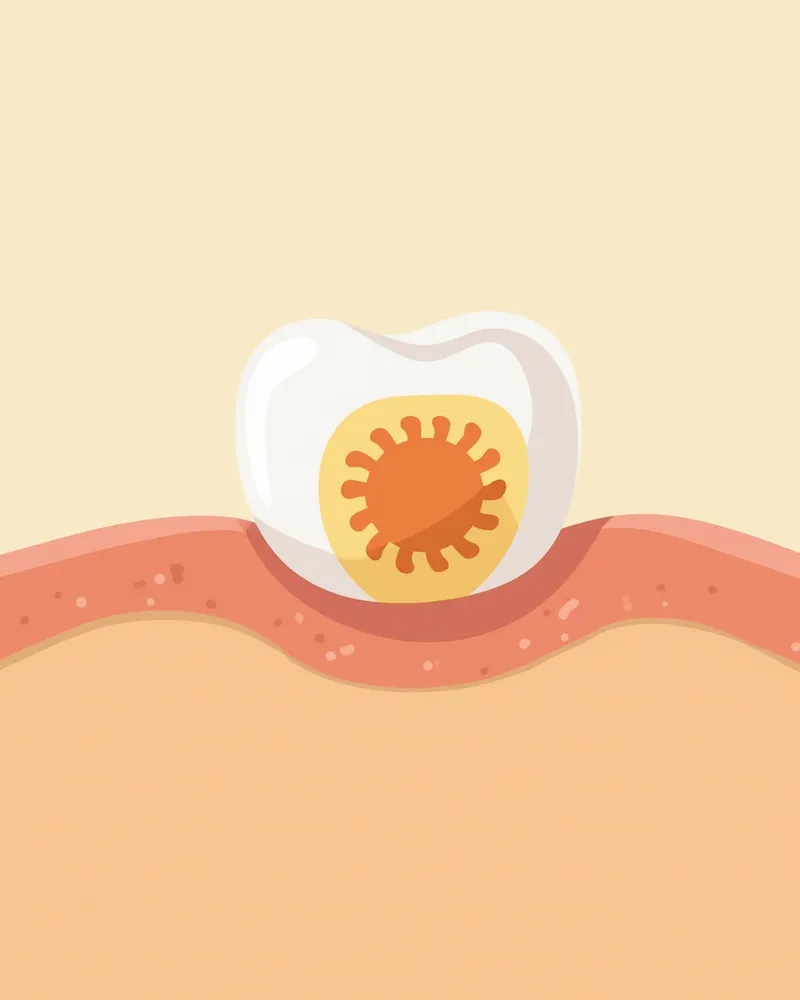
Dental cysts in dogs are abnormal fluid-filled sacs that develop during tooth formation, typically appearing around the tooth roots and gradually enlarging over time. - Dental cysts: These form when dental developmental tissues persist abnormally, creating a fluid-filled cavity that is often difficult to detect externally in the early stages. - Progressive complications: As the cyst grows, it can compress or even destroy the surrounding jawbone. - Importance of early detection: Early diagnosis is essential, ideally before symptoms appear, and requires accurate confirmation through imaging studies. - Clinical risks: Complications may include bone damage, infection, and tooth displacement. Early treatment can help prevent these issues.

Why Do Dogs Develop Oral Cysts?

Dental cysts in dogs are often associated with impacted teeth, which are teeth that fail to erupt properly and remain embedded within the jawbone. - Association with impacted teeth: Textbooks describe dental cysts as a common complication of impacted teeth. If left untreated, they can lead to serious consequences such as pathological jaw fractures. - Developmental abnormalities: If the tissues involved in tooth development are not properly resolved, fluid can accumulate around them, leading to cyst formation. - Breed predisposition: While some breeds have been reported to have a predisposition to developmental lesions like cysts, there is no clear evidence that specific small-breed dogs are more prone to developing them. - Abnormal accumulation: As fluid continues to accumulate within the cyst, its size can gradually increase. - Regular check-ups recommended: Early detection through regular oral examinations and dental radiographs is key to preventing bone damage.
Abnormal cell proliferation in tooth-forming tissues

What Are the Main Symptoms of Oral Cysts?

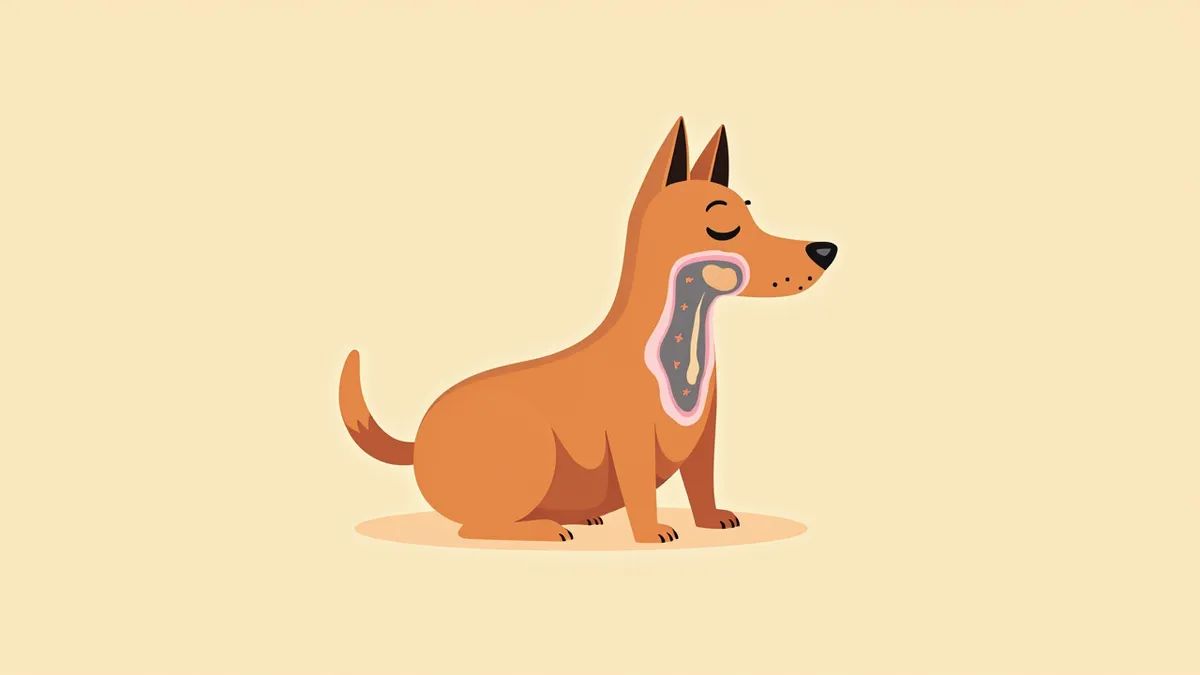
Oral cysts in dogs are often difficult to detect in the early stages because they typically present with few or no symptoms. However, as the cyst grows, several signs may become apparent: - Swelling inside the mouth: The jaw area may appear swollen or enlarged. - Pain response: Your dog may show discomfort when eating or chewing, or have difficulty opening its mouth. - Tooth displacement: The cyst can push against surrounding teeth, causing them to shift position. - Decreased appetite: Pain or discomfort may lead to food refusal. - Worsening bad breath: If an infection develops, the odor may become more pronounced. - Early detection is key: By the time symptoms appear, the condition may already be quite advanced, making regular veterinary check-ups essential.
A dog with a swollen jaw due to an oral cyst.

Signs Requiring an Immediate Vet Visit

If your dog has trouble opening its mouth or shows severe pain while eating, an immediate vet visit is necessary. Early diagnosis is also crucial if you notice jaw swelling or a strong odor from the mouth. Delaying treatment can lead to bone damage or infection.

How Are Oral Cysts Diagnosed?

Oral cysts are difficult to diagnose accurately through routine oral exams alone while the pet is awake, making imaging studies that include the bone and tooth roots essential. - Need for Imaging: Dental radiographs or CT scans are necessary to accurately determine the cyst’s size, location, and its impact on the surrounding bone. - Accurate Assessment: Veterinary textbooks recommend radiographic examination for any suspicious teeth, and CT scans provide detailed views of anatomical structures when more precise evaluation is needed. - Examination Under Anesthesia: Due to pain or resistance, a thorough assessment is challenging while the pet is conscious; therefore, oral and radiographic exams performed under anesthesia aid in accurate diagnosis. - Importance of Early Diagnosis: Early detection simplifies surgical treatment planning and helps prevent complications. - Regular Check-ups Recommended: Routine oral examinations and radiographic evaluations are advised to monitor for any changes in cysts.
The appearance of a dental cyst confirmed through CT imaging

What Are the Treatment Options?

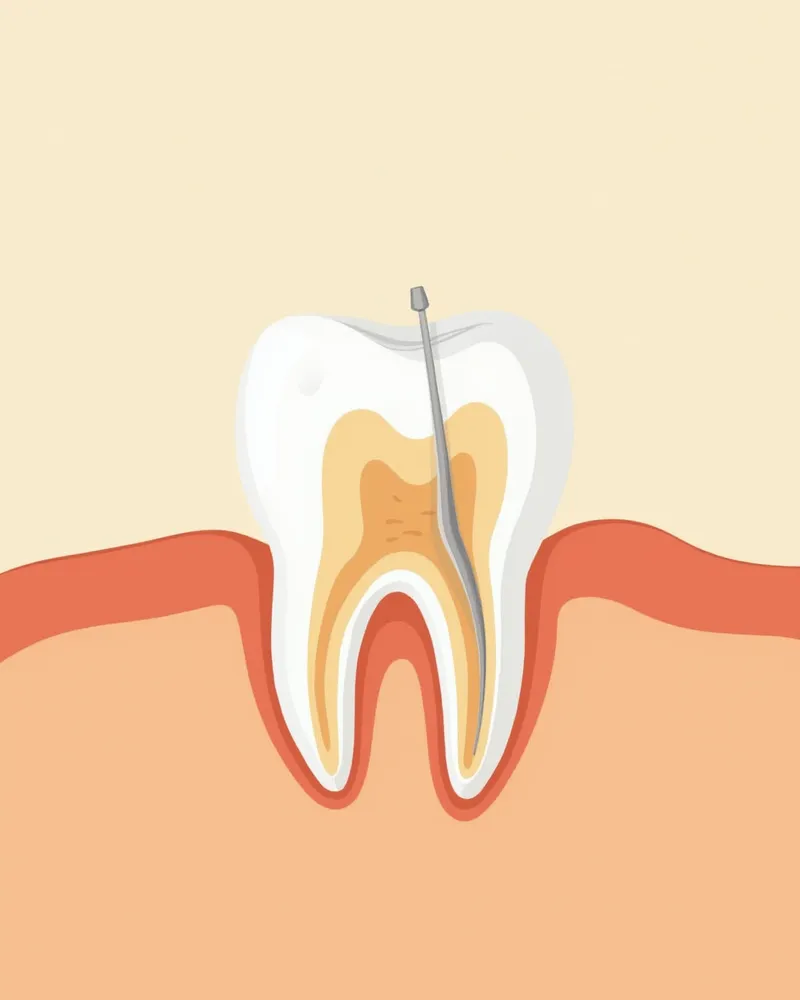
The most effective treatment for oral cysts is surgical removal. - Surgical removal: The cyst is often removed along with the affected tooth root, and if there is significant bone damage, reconstructive surgery may also be considered. - Tissue examination is essential: After surgery, the removed tissue undergoes pathological examination to check for any abnormalities. - Pain management: Pain relief medication should be administered post-surgery. - Infection prevention: Antibiotics should be given, and the mouth should be kept clean. - Recovery care: Activity levels should be reduced for 1–2 weeks after surgery, and regular veterinary check-ups are necessary to monitor the recovery process.
Surgical removal of a dental cyst and tooth root

How to Manage at Home?

After surgery, it is essential to administer pain-relief medication as prescribed. - Dietary management: Switch to soft food and avoid hard or crunchy items. - Oral care: Gently wipe the surgical site with a soft cloth to prevent irritation. - Toy precautions: Never give hard toys or bones that could irritate the surgical area. - Activity restriction: Limit physical activity for 1–2 weeks post-surgery and avoid excessive running or jumping. - Regular check-ups: Visit the clinic regularly as directed by your veterinarian to monitor the recovery progress.
A puppy eating soft food after surgery

Comparison of Actions by Treatment Stage

ItemMain SymptomsRecommended ActionPrognosis
Early Stage (Asymptomatic)No lump sensation in the mouthRegular checkups neededImaging examination recommended
Mid Stage (Swelling, Pain)Jaw swelling, decreased appetiteEstablish a surgical planGood
Severe (Bone Damage)Bone destruction, infectionImmediate surgery requiredFair

Early detection increases the treatment success rate and reduces the risk of complications. When symptoms appear, the condition has often already progressed.

Reviewed by a veterinarian

Dr. Tony — Punnawat Phongkittirak

Dr. Tony — Punnawat Phongkittirak

Veterinarian

A veterinarian who majored in veterinary medicine at Khon Kaen University, Thailand, and completed the IVSA program at North Carolina State University in the United States. Drawing on clinical experience at animal hospitals, he works in the pet healthcare field and is dedicated to building a digital care environment that connects pet parents with veterinarians.

Frequently Asked Questions

Are oral cysts in dogs malignant?
Dental cysts are mostly benign. Malignant transformation is very rare, and it is important to monitor the progression through a histopathological examination of the removed tissue.
Can it recur after surgery?
With precise surgery that completely removes the cyst along with the associated tooth root, the likelihood of recurrence is low. However, if any tissue remains, it can lead to recurrence at that site.
Which breeds are at higher risk?
While certain breeds have been reported to have a predisposition to developmental lesions, there is no clear evidence identifying which specific breeds are at higher risk.
Can it be prevented?
Early diagnosis is key. It's important to have regular dental check-ups and consult your veterinarian immediately if you notice any unusual signs.
Can it be treated with medication?
Medications can help relieve pain and prevent infection, but they cannot eliminate the cyst itself. Therefore, surgery is necessary to remove it.

Share

Related Guides

References

[1] Todoroff RJ, Brodey RS: Oral and pharyngeal neoplasia in the dog: A retrospective survey of 361 cases, JAVMA 175:567-571, 1979.

[2] MacEwen EG, Withrow SJ, Patnaik AK: Nasal tumors in the dog: Diagnostic cytology and hematology of the dog and cat, ed 2, St Louis, 1999, Mosby.

[3] Veterinary Surgical Oncology, 2nd Ed, Fowler et al., 2020.

This information is based on veterinary literature and does not replace diagnosis or treatment. Please consult a veterinarian for specific health concerns.

Metapet Co., Ltd. | CEO: Park Sung-yong | Business Reg. No. 417-88-02562 | Seoul, South Korea | Customer Center

Dog Oral Cysts (Dental Cysts) FAQ: Key Info for Owners | Meongsiljang