Like
Share
멍실장
고양이 쉬르머 눈물 검사 자주 묻는 질문 Q&A — 보호자가 꼭 알아야 할 핵심

What is the Schirmer tear test for cats? — When to get it and how to interpret the results

Eye HealthQ&AMeongsiljang Veterinary Advisory Board

The Schirmer tear test, which accurately measures tear production in cats, is a key tool for early detection of dry eye. Here’s the essential information every pet owner should know.

What is the Schirmer tear test for cats?
A strip absorbing tears during a cat’s tear test
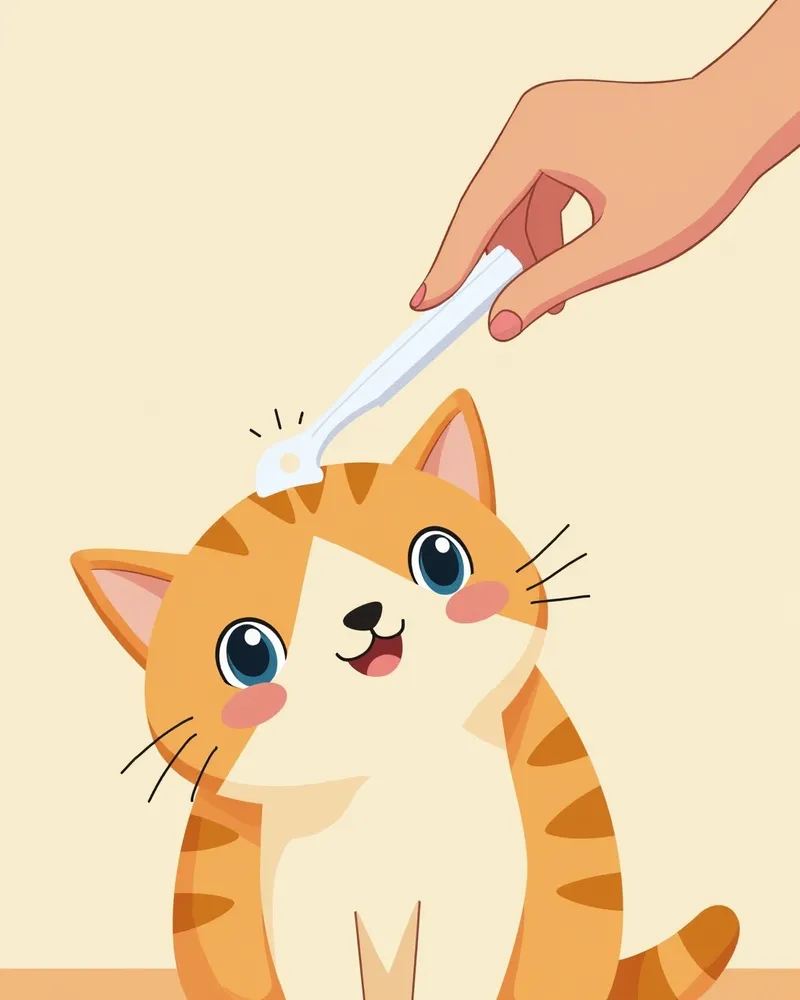
The Schirmer tear test for cats is a diagnostic method that measures tear production. A specialized strip is placed in the lower conjunctival sac for one minute, and the length of the strip wetted by tears is then measured. This test is a valuable tool for assessing dry eye, as insufficient tear production can lead to ocular dryness, corneal irritation, and inflammation.
Procedure: Insert the strip into the lower conjunctival sac and leave it in place for approximately 60 seconds, then measure the wetted length in millimeters. Be careful not to touch the lower portion of the strip with your fingers.
Purpose: This test evaluates tear production and helps determine whether dry eye is present, in conjunction with clinical ocular signs.

Why is the Schirmer test necessary for cats?
A cat’s tear production can decline gradually, often going unnoticed. When the eyes become dry, the cornea can become irritated, leading to pain and inflammation. If caught early, the condition is easily managed with medication or artificial tears. - Risks of dry eyes: Left untreated, dry eyes can lead to corneal damage or infection, so prompt attention is essential. - When to seek examination: If you notice redness, excessive tearing, or frequent eye rubbing, have your cat examined immediately. - Preventive care: For senior cats or those with a family history of eye disease, regular check-ups are recommended. - Importance of early detection: Addressing the issue before symptoms worsen significantly improves treatment outcomes.
A veterinarian placing a Schirmer test strip on a cat's eye

How to interpret Schirmer test results
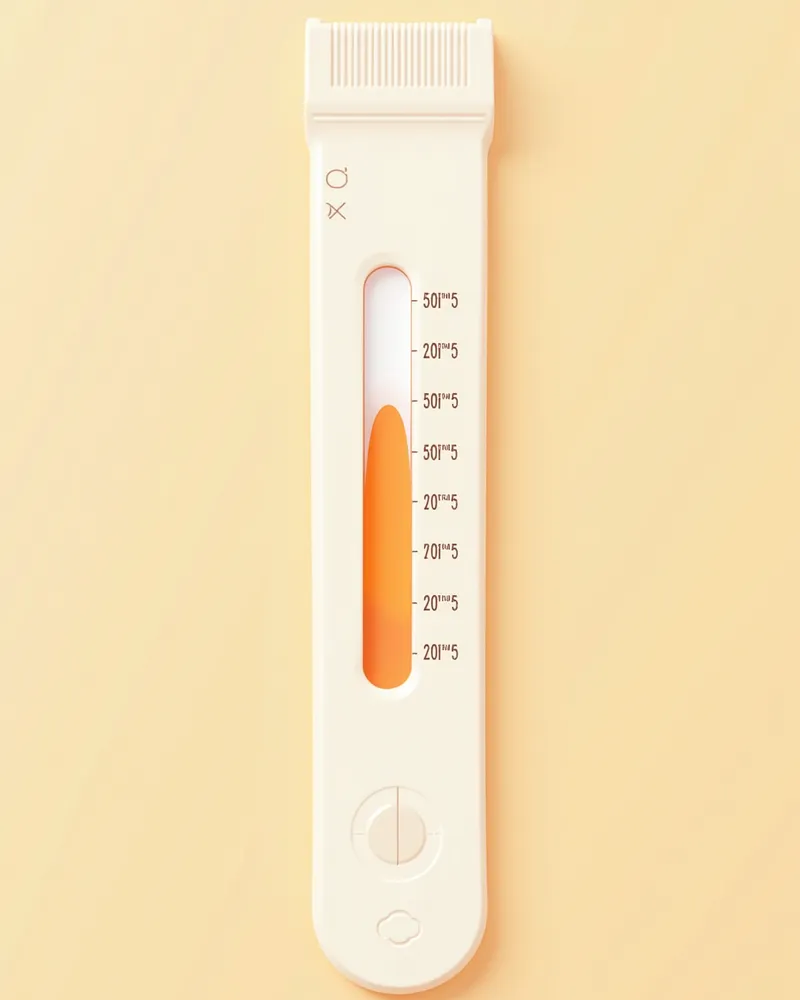
The test result is measured in millimeters based on how far the tear strip becomes wet over one minute. The normal range for cats is approximately 15–20 mm, with around 17 mm generally considered the standard baseline.
Normal range: Approximately 15–20 mm → Indicates adequate tear production.
Low values: Lower values, especially those below 5 mm accompanied by ocular symptoms, suggest dry eye (keratoconjunctivitis sicca).
However, clinically normal cats may sometimes yield low Schirmer tear test values. Therefore, veterinarians do not rely on the number alone but make a comprehensive diagnosis by considering both the test results and clinical ocular signs. Results can vary depending on the cat’s age, breed, and overall health status.
Schirmer tear test measurement showing tear absorption, based on a 15mm standard

Comparison of conditions by Schirmer test results

ItemConditionRecommended approach
About 15–20 mmNormal rangeMonitor without special treatment
5–15 mmOn the low side / borderlineRequires a veterinarian's judgment together with clinical signs
Under 5 mm + symptomsSuspected dry eye (keratoconjunctivitis sicca)Veterinary examination and treatment consultation

Even clinically normal cats can show low values, so a veterinarian should make a comprehensive judgment based on clinical signs and not the number alone.

Is the Schirmer test painful?
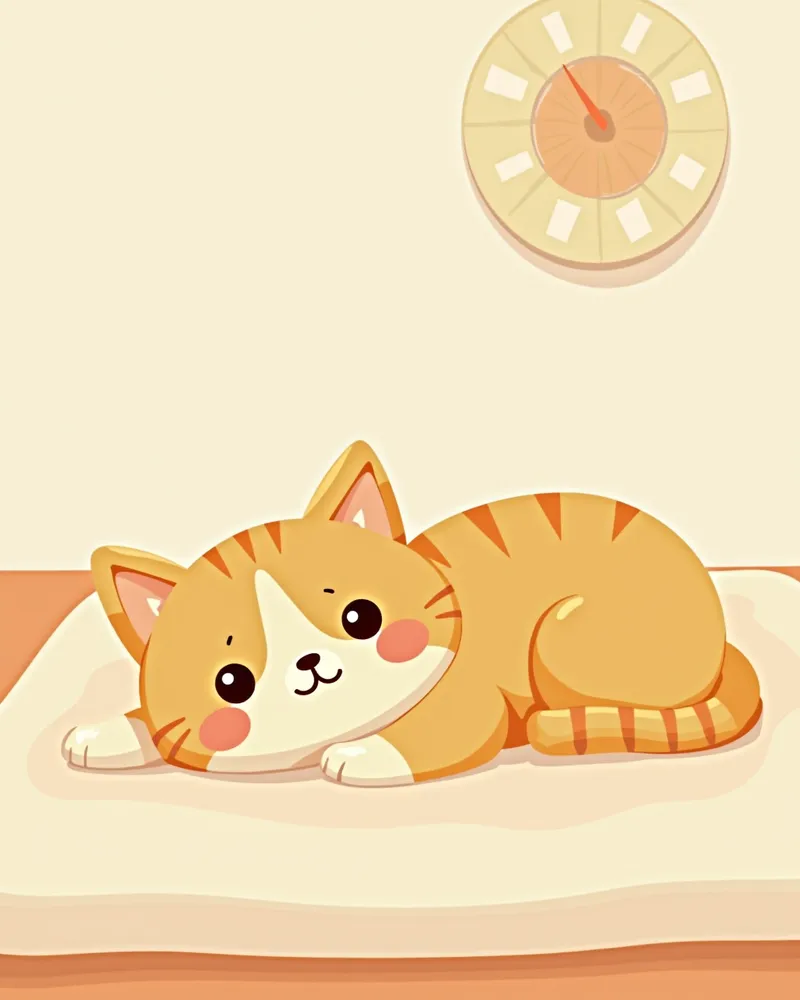
The Schirmer tear test is virtually painless. While your cat may feel the strip touching their eye, most adjust quickly. The procedure takes less than a minute and causes minimal discomfort. - Cat’s reaction: Most cats tolerate it quietly. If they’re nervous, they might close their eyes, but the vet will handle them gently. - Preparation: Creating a calm environment and helping your cat feel secure is key. - Reducing stress: The vet will proceed slowly, monitoring your cat’s responses throughout. - Safety: The test is non-invasive and causes no harm to the eye.
A cat undergoing a Schirmer test while in a calm state

Signs requiring immediate veterinary visit

If your cat is frequently blinking, has red or swollen eyes, is constantly tearing up, or is repeatedly rubbing its eyes, visit a veterinary clinic immediately. These could be signs that dry eye has worsened or that another eye condition may be present.

Post-test care tips
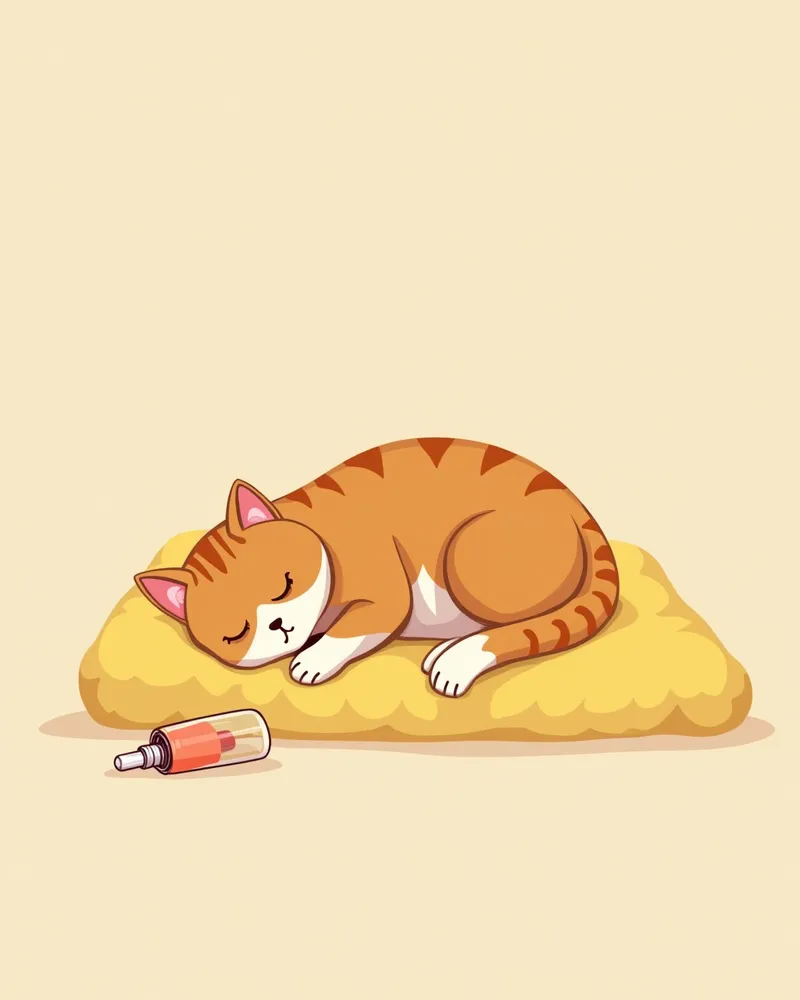
The Schirmer tear test is non-invasive, so no special recovery process is needed afterward. However, your pet may experience mild eye irritation, so avoid rubbing the eyes and use tear supplements only as directed by your veterinarian. - How to use tear supplements: Follow your veterinarian’s instructions regarding the type (gel or liquid), frequency, and duration of use. - Avoiding eye irritation: Prevent your pet from rubbing or scratching their eyes, and gently wipe away any discharge. - Monitoring clinical signs: Contact your clinic if you notice redness, increased discharge or tearing, frequent blinking, or eye-rubbing behavior. - Regular follow-up exams: Cats diagnosed with dry eye should undergo retesting at intervals recommended by your veterinarian. - Comprehensive assessment: Schirmer test values should be interpreted alongside clinical signs, so consult your veterinarian if you notice any changes in your pet’s condition.
A cat resting comfortably after using tear supplements

5 Frequently Asked Questions

When should a cat undergo a Schirmer tear test?
Routine screening: We recommend annual testing, especially for senior cats.
When symptoms appear: If your cat’s eyes become red or excessively watery, have them tested immediately.
During medication: Testing is necessary if your cat is taking medications that may affect tear production.
Before surgery: This test is mandatory prior to any eye-related surgery.
When diagnosing other eye conditions: It is often performed alongside other evaluations to check for dry eye.
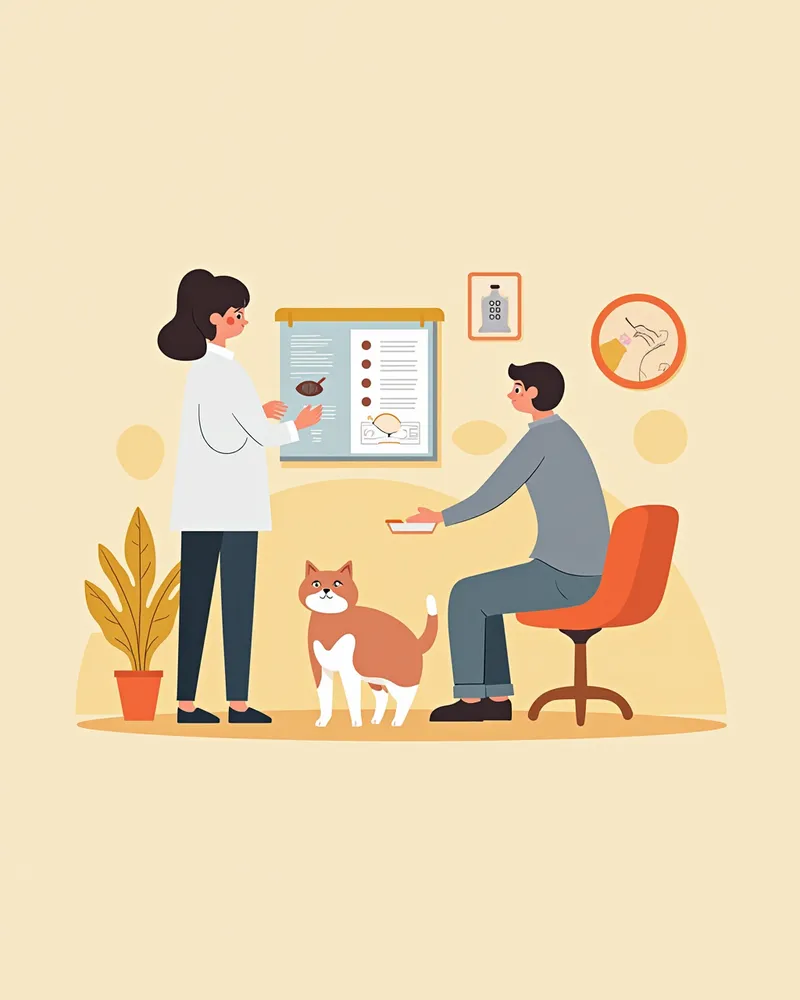
A veterinarian reviewing the results of a Schirmer tear test in a cat

Reviewed by a veterinarian

Dr. Tony — Punnawat Phongkittirak

Dr. Tony — Punnawat Phongkittirak

Veterinarian

A veterinarian who majored in veterinary medicine at Khon Kaen University, Thailand, and completed the IVSA program at North Carolina State University in the United States. Drawing on clinical experience at animal hospitals, he works in the pet healthcare field and is dedicated to building a digital care environment that connects pet parents with veterinarians.

Frequently Asked Questions

Is Schirmer's test dangerous for cats?
No, the test is very safe and won’t harm your pet’s eyes. The strips are single-use and hygienically managed.
Does a low test result always mean treatment is necessary?
Even if the results are low, treatment isn't always necessary in every case. The veterinarian will make a comprehensive assessment based on symptoms and overall health status. In some cases, observation alone may be sufficient.
What should I do if my cat refuses to be examined?
When a cat is stressed, veterinarians gently approach and allow the cat to become accustomed to the examination tools before the procedure. Sedatives may also be used if necessary.
What is the difference between the Schirmer test and other eye examinations?
The Schirmer tear test is a specialized examination that measures tear production. Other tests, such as eyelid examinations and corneal staining, are used to assess the eye's structure and check for damage. Performing these tests together allows for a more accurate diagnosis.
How long should I continue using tear supplements?
Use the medication as directed by your veterinarian. In most cases, the dosage is gradually reduced as symptoms improve, while some medications need to be used long-term. Regular check-ups are essential to monitor your pet’s condition.

Share

Related Guides

References

[1] Esson DW, Calvarese S (2022). Clinical Atlas of Canine and Feline Ophthalmic Disease, 2nd Edition. Wiley-Blackwell.

[2] Gelatt KN et al. (2013). Veterinary Ophthalmology, 2nd Edition. Wiley-Blackwell.

[3] Plumb's Veterinary Drug Handbook, 9th Edition. Wiley-Blackwell.

This information is based on veterinary literature and does not replace diagnosis or treatment. Please consult a veterinarian for specific health concerns.

Metapet Co., Ltd. | CEO: Park Sung-yong | Business Reg. No. 417-88-02562 | Seoul, South Korea | Customer Center

What Is the Schirmer Tear Test for Cats? When & How to Read It | Meongsiljang