
What is Feline Infectious Peritonitis (FIP)-Associated Uveitis? — Can Eye Signs Raise Suspicion of FIP?
Feline infectious peritonitis (FIP)-associated uveitis is a condition that can be difficult to detect early, and eye abnormalities may be the first sign. Here’s a summary of key information every cat owner should know.
What is Feline Infectious Peritonitis (FIP)-Associated Uveitis?

Why Does Feline Infectious Peritonitis (FIP)-Associated Uveitis Occur?
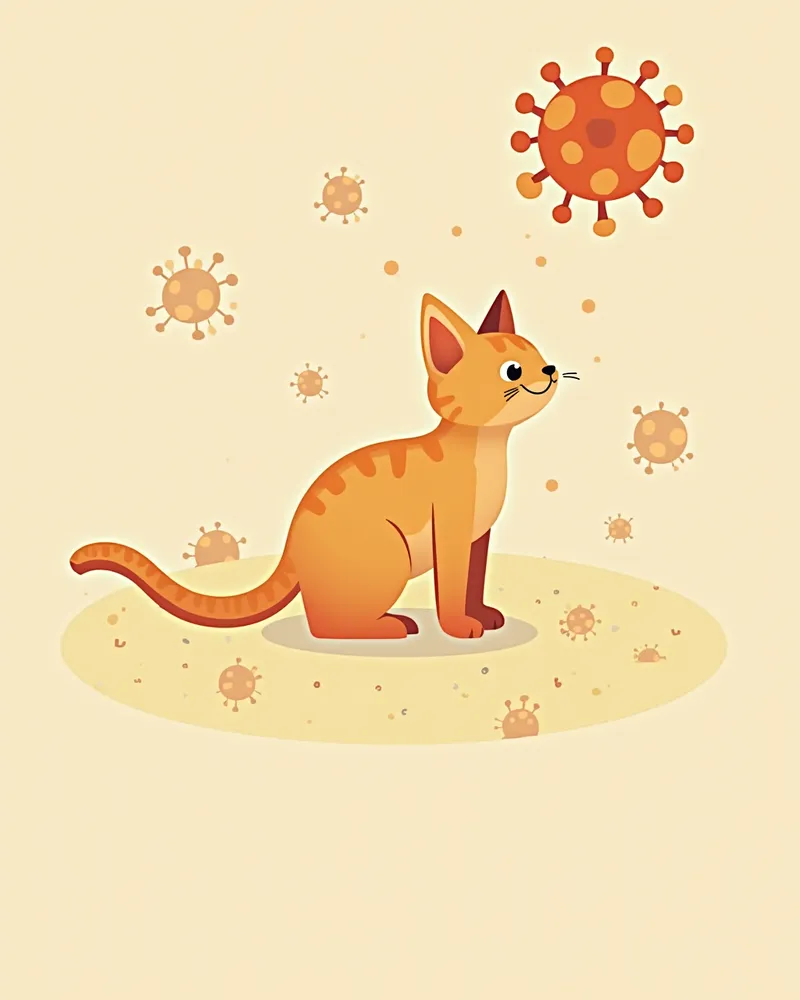
What Are the Main Symptoms?

Signs Requiring Immediate Veterinary Visit
If your cat is rubbing its eyes, or if its eyes are severely red and cloudy, you should take it to the vet immediately. A sudden drop in vision, swelling of the eyes, or abnormally small pupils are signs of an emergency. This could indicate that uveitis has worsened or that other organs have been affected, so a veterinarian needs to diagnose and begin treatment quickly. Delaying care can lead to vision loss or damage to the eye.
How Is an Accurate Diagnosis Made?
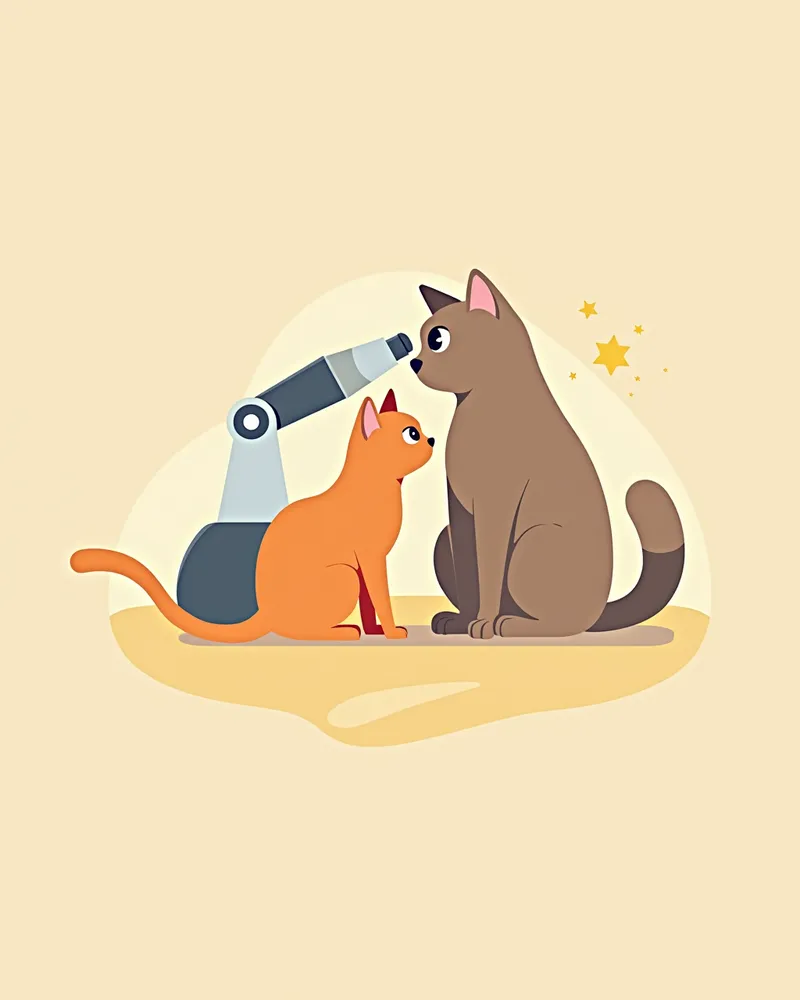
What Are the Treatment Methods?

How Can It Be Managed at Home?

Comparison of Responses to Symptoms of FIP-Associated Uveitis
| Item | Management | Precautions |
|---|---|---|
| Eye redness | Take anti-inflammatory medication | Limit light, provide a quiet environment |
| Excessive tearing | Gently wipe with a clean cloth | Do not touch with hands |
| Light sensitivity | Rest in a dark room | Avoid frequent light exposure |
| Reduced vision | Keep objects in fixed positions, remove obstacles | Request regular veterinary exams |
The treatment plan varies by symptom, so consult with your veterinarian before taking action.
Points to Note: Contraindications During Treatment
During treatment for feline infectious peritonitis (FIP)-associated uveitis, it is crucial to use only the medications prescribed by your veterinarian, adhering strictly to the specified schedule and dosage. Do not administer other medications without approval, and always consult your veterinarian before combining any drugs. Be particularly cautious with certain immune stimulants, such as polyprenyl, as studies have shown that concurrent use with systemic steroids (corticosteroids) can reduce survival rates. Additionally, antiviral injections like remdesivir may cause pain, so pain management may be provided as needed. Ensure you do not miss any medication doses, and contact your veterinarian immediately if your cat loses its appetite or if its condition becomes unstable. Promptly reporting even minor changes helps ensure safe and effective treatment.
Reviewed by a veterinarian

Dr. Tony — Punnawat Phongkittirak
VeterinarianA veterinarian who majored in veterinary medicine at Khon Kaen University, Thailand, and completed the IVSA program at North Carolina State University in the United States. Drawing on clinical experience at animal hospitals, he works in the pet healthcare field and is dedicated to building a digital care environment that connects pet parents with veterinarians.
Reviewed 2026-06-02
Frequently Asked Questions
Can feline infectious peritonitis (FIP)-associated uveitis be cured?
Does uveitis always lead to complete blindness?
Is FIP-related uveitis contagious to other cats?
Can it be prevented?
How often should I visit the vet if my pet has uveitis?
Share
Related Guides
Top 5 Dog Tear Supplements Recommended for 2026

What is Lutein? Effects on Dog Eye Health

The Best Canine Uveitis Management Products and Selection Criteria: A Comprehensive Guide

Desensitization Training for Dogs with Vacuum Cleaner Phobia

Why Does My Dog Tremble When Riding in the Car? — Step-by-Step Desensitization Training for Motion Sickness and Phobia

How to Start Desensitization for Veterinary Clinic Fear?
When is the puppy imprinting period? — The critical period that determines personality

When is the Imprinting Period for Kittens? A Complete Guide to the Critical Socialization Window
Getting Your Cat Used to Nail Trimming

Why is self-control training for dogs necessary, and how should you start?
References
[1] Plumb's Veterinary Drug Handbook, 9th Edition, 2022
[2] The Cat: Clinical Medicine and Management, 2nd Edition, 2021
[3] Feline Infectious Peritonitis: Pathogenesis and Clinical Management, Journal of Feline Medicine and Surgery, 2020