Like
Share
멍실장
동물 영양학 전문의 진료 가이드

What is a veterinary nutritionist? When to see one and what to expect

DigestiveQ&AMeongsiljang Veterinary Advisory Board

A veterinary nutritionist is a veterinarian who has completed specialized training in veterinary nutrition. Here’s how we handle referrals for consultations on chronic diseases, homemade diets, and prescription diets.

Who is a veterinary nutritionist?

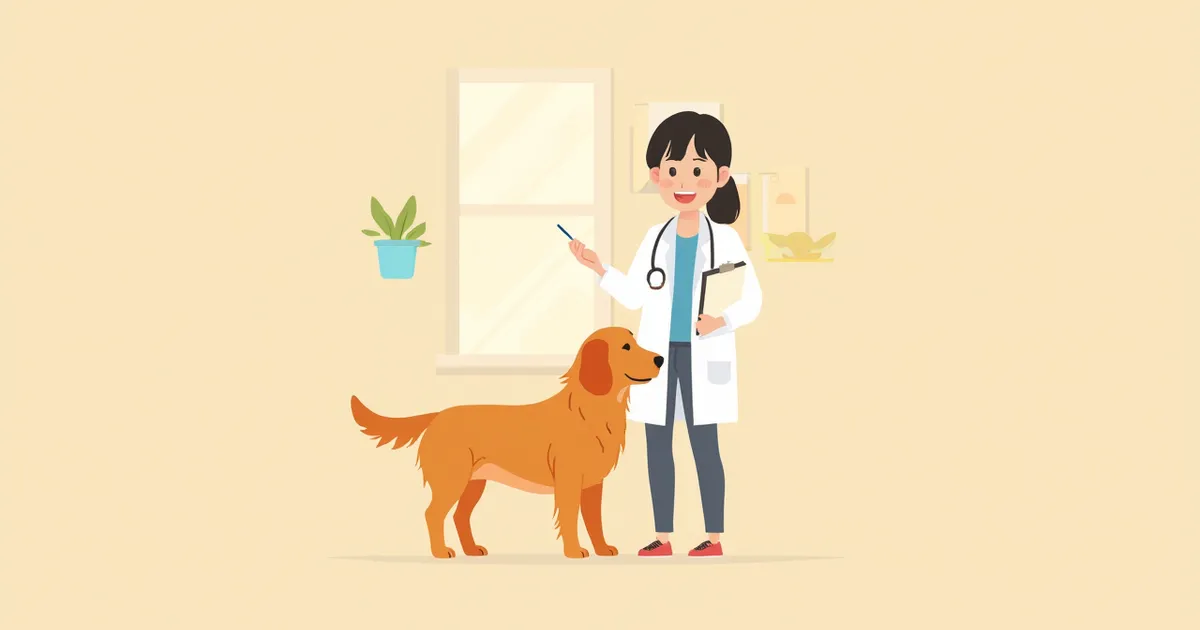
A pet nutritionist reviewing a dog and cat’s diet in the clinic.
A veterinary nutritionist is a veterinarian who, after obtaining their license, has completed additional specialized training in veterinary nutrition to become a board-certified veterinary nutritionist. The key point to understand is that this qualification is entirely different from the “pet food consultant” title commonly used in the industry. Globally, there are only two recognized specialty colleges in veterinary nutrition: the Nutrition Committee of the American College of Veterinary Internal Medicine (ACVIM) and the European College of Veterinary and Comparative Nutrition (ECVCN). Only veterinarians who have earned Diplomate status from these accredited organizations qualify as veterinary nutritionists. This credential requires completion of advanced graduate studies and residency training at tertiary-care hospitals, enabling these specialists to handle complex nutritional consultations, such as designing diets for chronic diseases, formulating homemade meal recipes, and transitioning patients to prescription diets.

How are they different from general veterinarians?

While general veterinarians provide basic nutritional counseling, veterinary nutritionists are specialists who design customized diets by comprehensively evaluating a pet’s disease status, body composition, and blood work. Referrals to these specialists are increasing, particularly for conditions like chronic kidney disease, liver disease, and inflammatory bowel disease, where nutritional management is integral to treatment. According to veterinary nutrition textbooks, even a single change in ingredient composition can alter the progression of a disease, which is why many pet owners seek the precise, specialist-level dietary planning that only a veterinary nutritionist can provide.

General Veterinarian vs. Veterinary Nutritionist

ItemGeneral VeterinarianVeterinary Nutritionist (Specialist)
QualificationVeterinary licenseVeterinary license + specialist training in nutrition
Main RoleBasic care and prescription diet guidanceCustom diet design and homemade food recipes
Target PatientsMainly healthy companion animalsChronic, rare, and complex diseases
Consultation Duration10–15 minutes45 minutes to over 1 hour
Cost LevelBasic consultation feeSpecialist consultation fee (relatively expensive)

There are differences by institution and country, so please use this for reference only.

When to consider a referral

Not every pet needs to see a veterinary nutritionist. Their expertise is especially helpful when standard prescription diets alone aren’t enough, such as in the following situations: - Multiple concurrent conditions: When conflicting dietary needs arise, such as with kidney disease and pancreatitis - Transitioning to a homemade diet: When you want a professionally formulated, nutritionally balanced homemade recipe - Sudden weight changes: When your pet’s weight has noticeably increased or decreased over a short period, moving them away from their ideal body condition - Food allergies: When long-term management with a limited-protein-source diet is required - Loss of appetite: When multiple commercial diets have failed to stimulate eating
A scene where a pet owner consults with an animal nutritionist about their dog’s diet.

See a general clinic first in these cases

When symptoms suddenly worsen, diagnosis takes priority over nutritional counseling. If vomiting or diarrhea persists for more than 48 hours, or if there is blood in the stool, dehydration, or lethargy, it is essential to first visit a nearby veterinary clinic for basic diagnostic tests. Nutritional counseling is most effective once the acute phase has passed and a treatment plan has been established. Veterinary nutritionists play their most vital role in the long-term management of diagnosed conditions.

How the consultation process works

Nutritional consultations with our veterinary nutritionists typically follow a five-step process: - Pre-consultation questionnaire: Submission of a 2–4 week record including a food diary, types of treats, and any supplements. - Physical examination: Assessment of body weight, Body Condition Score (BCS), and Muscle Condition Score (MCS). - Review of blood work and imaging: Comprehensive analysis of test results from the past six months. - Customized diet plan: Prescription of commercial food or homemade meals tailored to the pet’s disease status and weight goals. - Follow-up consultation: Re-evaluation of weight and lab values after 4–8 weeks to make necessary adjustments. The initial consultation often lasts more than an hour.
A pet nutritionist assessing a puppy's body condition score.

Why homemade diet consultations require a specialist

Feeding homemade diets long-term based solely on internet recipes can easily lead to essential nutrient deficiencies. In fact, one study found that approximately 89% to 93% of homemade restricted diets prepared at home fail to meet the complete and balanced nutritional standards required for adult dogs and cats. Most recipes found online or in books have not undergone feeding trials or ingredient analysis, which means they may lack essential nutrients like vitamins and choline, or conversely, contain excessive amounts. Veterinary nutritionists calculate the appropriate nutrient ratios based on your pet’s weight, activity level, and health conditions, and supplement any deficiencies. Therefore, if you are considering a homemade diet, we strongly recommend consulting with a specialist.

How to find a veterinary nutritionist in Korea

Korea is still in the early stages of establishing an official board-certified veterinary nutritionist system. In practice, you can access specialized care through these routes: - University-affiliated veterinary hospitals: Request a referral to a professor specializing in veterinary nutrition. - Secondary and tertiary care hospitals: Seek a co-management consultation with an internal medicine or gastroenterology specialist. - International teleconsultations: Obtain online dietary consultations from ACVN-certified specialists. If you need a prescription diet or a homemade recipe, the fastest approach is to ask your primary veterinarian for a referral.

Don’t confuse “Pet Nutritionist” certifications with board certification

Private certifications such as "Pet Nutritionist" or "Pet Food Specialist" are completely different from board-certified veterinary nutritionists. Private certifications do not grant diagnostic or prescription authority and typically cover only basic education on recommending treats and commercial pet foods. For dietary management of chronic diseases or homemade diet recipes, it is essential to consult a licensed veterinarian specializing in nutrition to ensure safety. Always verify whether the professional holds a valid veterinary license before considering the name of their certification.

Reviewed by a veterinarian

Dr. Tony — Punnawat Phongkittirak

Dr. Tony — Punnawat Phongkittirak

Veterinarian

A veterinarian who majored in veterinary medicine at Khon Kaen University, Thailand, and completed the IVSA program at North Carolina State University in the United States. Drawing on clinical experience at animal hospitals, he works in the pet healthcare field and is dedicated to building a digital care environment that connects pet parents with veterinarians.

Frequently Asked Questions

How much does a consultation with a pet nutritionist cost?
Costs can vary significantly depending on the clinic, location, and scope of consultation. Since these appointments typically take longer than regular check-ups, they tend to be priced higher. For an exact fee, please contact the clinic directly when scheduling your consultation.
Can I get a consultation for my healthy pet?
Yes, it’s possible. Designing a diet for preventive purposes—such as weight management, increasing muscle mass, or preparing for senior years—can also be helpful. However, for healthy pets, a consultation with a general veterinarian is often sufficient.
Can I still submit a request even if my pet is already eating a prescribed diet?
Absolutely. In fact, we often see cases referred to us when prescription diets alone aren't enough to manage symptoms. To ensure a more accurate consultation, please bring along your pet's recent blood test results, a food diary, and a list of any medications they're currently taking.
Do cats need veterinary nutritionist consultations too?
Yes, cats have unique nutritional requirements, such as the essential amino acid taurine and arachidonic acid, which actually makes designing their diet more challenging. If your cat has chronic kidney disease, diabetes, or obesity, I strongly recommend consulting with a specialist.
Can I get a consultation just for supplements?
Yes, it’s possible. Since joint, skin, and gut health supplements can interact with each other, we recommend consulting a pet nutritionist before giving multiple products at once to avoid overlapping or excessive intake.

Share

Related Guides

References

[1] National Research Council, Nutrient Requirements of Dogs and Cats, 2006

[2] American College of Veterinary Nutrition (ACVN), Diplomate Requirements, 2023

[3] Hand M.S. et al., Small Animal Clinical Nutrition, 5th ed., 2010

This information is based on veterinary literature and does not replace diagnosis or treatment. Please consult a veterinarian for specific health concerns.

Metapet Co., Ltd. | CEO: Park Sung-yong | Business Reg. No. 417-88-02562 | Seoul, South Korea | Customer Center

What Is a Veterinary Nutritionist? When to See One | Meongsiljang