
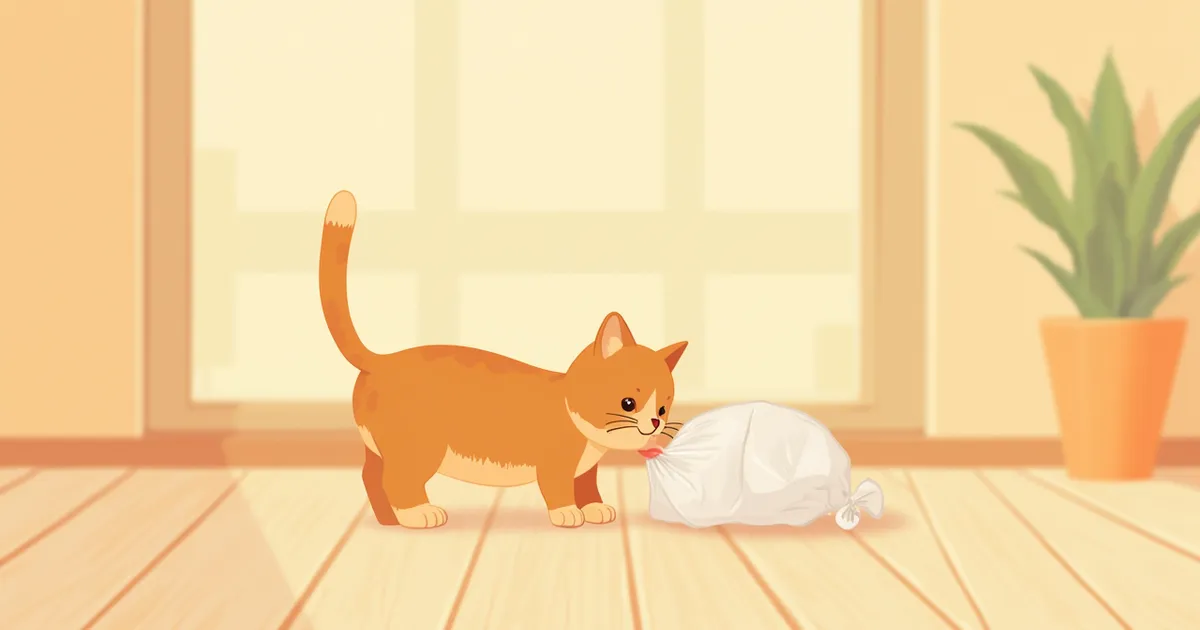
My Cat Licks Plastic — Is Pica Normal?
Learn the causes and warning signs of pica in cats—such as licking or chewing plastic bags and other plastics—and discover practical steps you can take at home to help manage this behavior.
What Is Feline Pica?
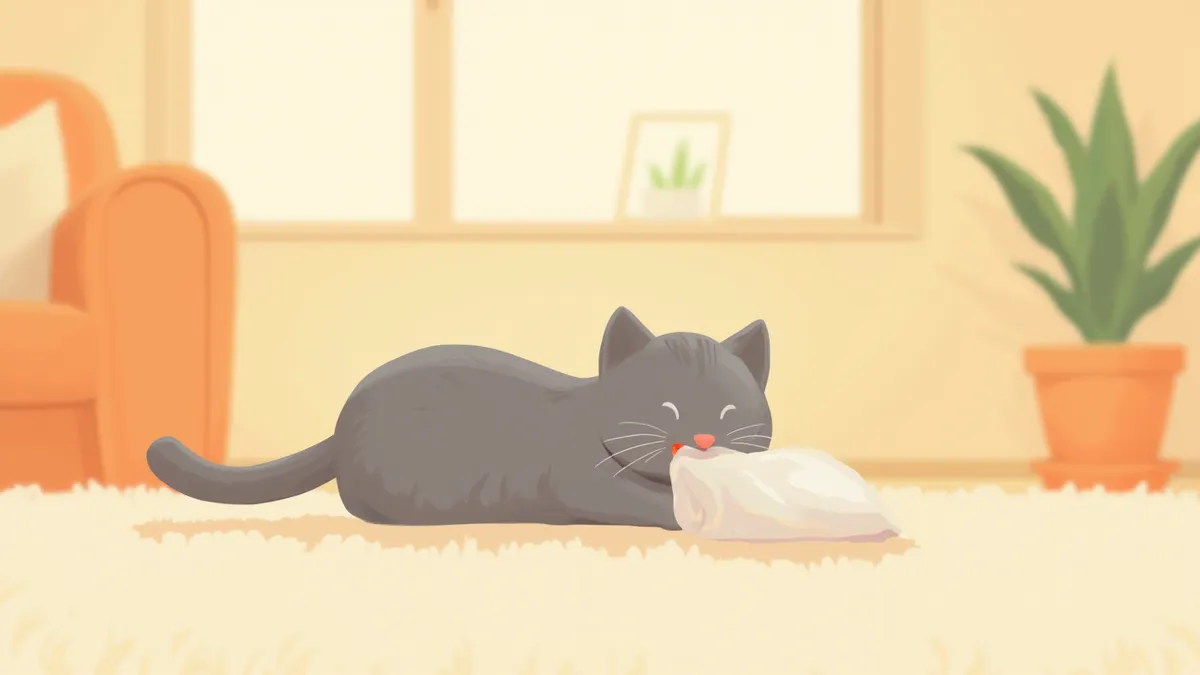
Why Do Cats Lick Plastic or Vinyl?
Common Causes of Pica Compared
Characteristics of Pica by Cause
| Item | Behavioral cause | Psychological cause | Medical cause |
|---|---|---|---|
| Main cases | Boredom, lack of play | Separation anxiety, environmental change | Anemia, gastrointestinal disease, thyroid |
| Age | Often young cats | All ages | Increases in middle age and older |
| Accompanying symptoms | None | Excessive vocalization/grooming | Weight loss, vomiting, appetite changes |
| Priority action | Environmental enrichment | Remove stress factors | Immediate veterinary exam |
Based on classifications from veterinary behavioral medicine and internal medicine textbooks
Warning Signs to Check
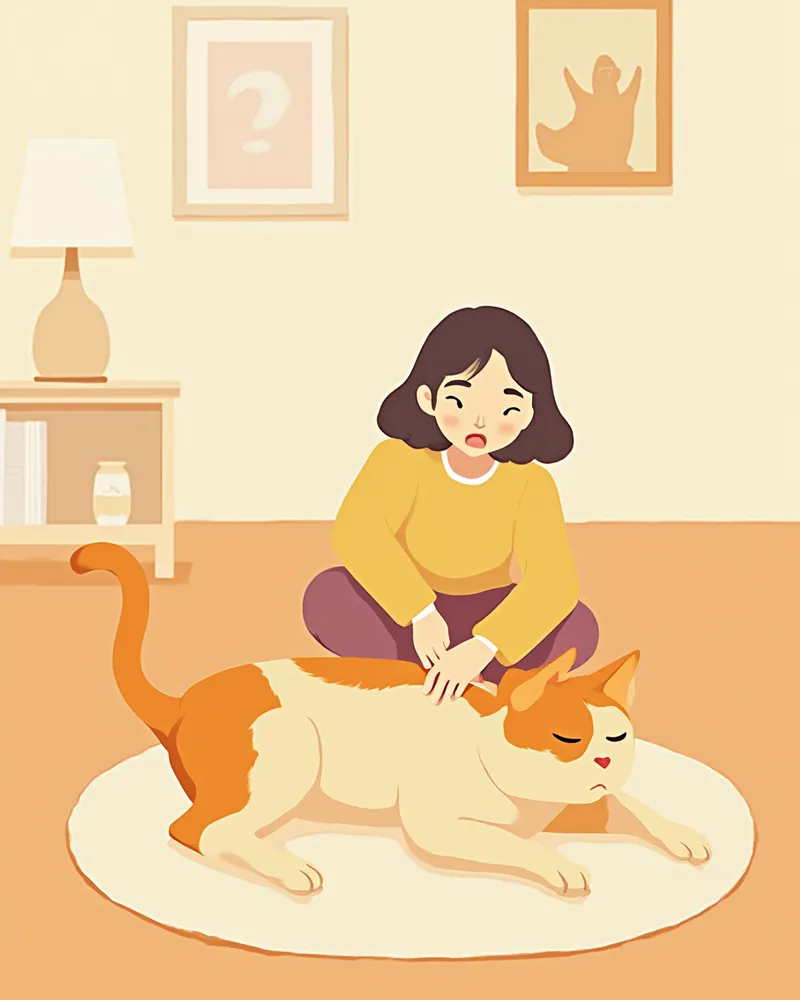
When to Go to the Vet Immediately
If your cat has definitely swallowed plastic, string, or rubber bands, or if it is vomiting repeatedly and hasn’t had a bowel movement for more than 24 hours, there may be a risk of intestinal obstruction or intussusception. Never attempt to induce vomiting at home by giving salt, hydrogen peroxide, or other substances, as this can cause additional harm. If vomiting induction is necessary, it should only be done under the guidance and direction of a veterinarian. If possible, collect any pieces of the ingested object and take your cat to the clinic immediately.
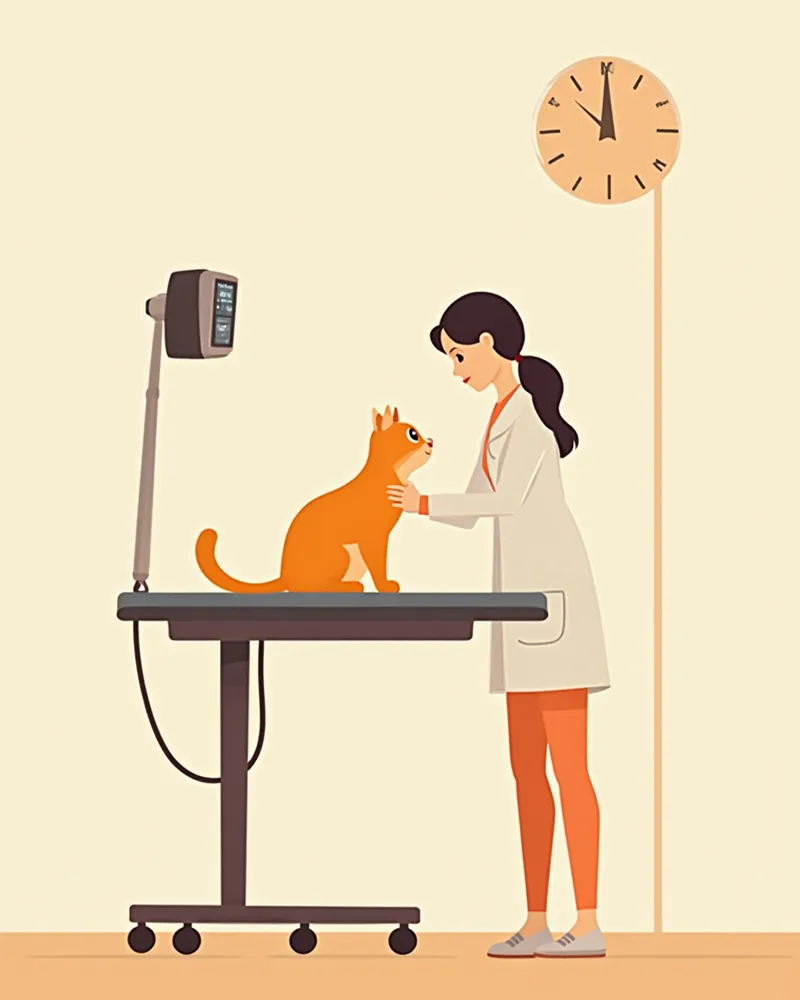
How Is It Diagnosed at the Vet?
Management Strategies at Home
Breed and Age-Specific Precautions
Cats with pica often exhibit wool-sucking behavior, where they suck or chew on soft fabrics like cloth or wool. This habit may stem from early-life behaviors such as sucking on blankets, bedding, or human clothing, which can progress to swallowing. Cats weaned too early or those raised in environments lacking adequate stimulation are at higher risk for pica. If pica suddenly develops in middle-aged or older cats, it could signal underlying medical conditions such as anemia or hyperthyroidism, so a blood test is recommended.
Reviewed by a veterinarian

Dr. Tony — Punnawat Phongkittirak
VeterinarianA veterinarian who majored in veterinary medicine at Khon Kaen University, Thailand, and completed the IVSA program at North Carolina State University in the United States. Drawing on clinical experience at animal hospitals, he works in the pet healthcare field and is dedicated to building a digital care environment that connects pet parents with veterinarians.
Reviewed 2026-04-26
Frequently Asked Questions
My cat only lightly licked the plastic and didn’t swallow it. Do I still need to go to the vet?
Will giving cat grass reduce my cat's tendency to lick plastic?
I think my pet swallowed some plastic, but their bowel movements seem normal. Is it okay to wait and see?
Can cataracts be completely cured?
I have multiple cats at home, but only one of them licks plastic bags. Why is that?
Share
Related Guides
My Senior Cat Won’t Eat — A Complete Guide to Choosing Food for Cats with Weak Digestion
Top 5 Prescription Diets for Feline Pancreatitis Recommended by Veterinarians — Low-Fat, Highly Digestible Food Guide
Royal Canin vs Hill’s vs Purina vs Orijen — Which Brand Is Right for Your Pet, According to Veterinarians?
My Cat Keeps Meowing — Is Excessive Meowing Normal?

If Your Cat Has Changed After the Move — Is Environmental Change Stress Normal?

Do Cats with Behavioral Problems Need Medication? — A Complete Guide to Effects and Precautions

What is Feline Asthma? — Core Q&A from Symptoms and Attack Signs to Inhaler Treatment
How to Care for Your Dog After Surgery — Key Recovery Steps Owners Must Follow
A Complete Guide to Dog Dewormer Types and Selection — Key Points for Pet Owners
A Complete Guide to Feline Rehabilitation Physical Therapy — Key Points for Pet Owners
References
[1] Bradshaw JWS, Cat Sense: How the New Feline Science Can Make You a Better Friend to Your Pet, 2013
[2] Demontigny-Bédard I et al., Characterization of pica and chewing behaviors in privately owned cats, Journal of Feline Medicine and Surgery, 2016
[3] Notes on Canine Internal Medicine, 4th Edition (소화기 이물 섭취 관련 참고)