
Why Dogs Make a Sad Face
A dog’s sad expression can be a sign of emotion or a signal of pain or illness. Let’s uncover the hidden meaning behind the expression.
Why Dogs Make a Sad Face
Why Do Dogs Make a Sad Face?
Emotional Signals vs. Pain and Illness Signals
| Item | Emotional Signal | Pain Signal | Illness Signal |
|---|---|---|---|
| Situation | When asking for food or a walk | When a specific area is touched | Persistent during normal daily life |
| Duration | Within a few minutes | A few hours to a day | 24 hours or more |
| Accompanying symptoms | Tail wagging | Cowering, trembling | Loss of appetite, lethargy |
| Response | Routine response | Vet check recommended | See vet immediately |
Judge by the overall behavioral context, not just a single facial expression.
Signals to Watch for Along with a Sad Face
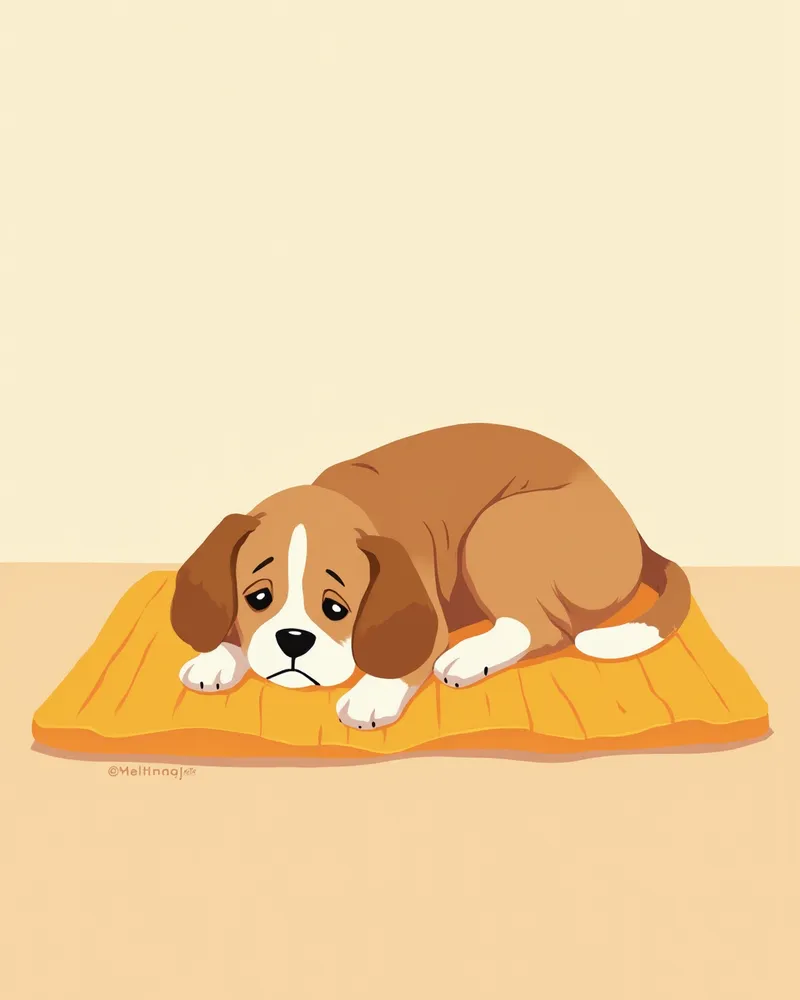
When to Seek Immediate Veterinary Care
If your dog shows a sad expression along with any of the following symptoms, seek veterinary care immediately: loss of appetite lasting more than 24 hours, recurrent vomiting or diarrhea, difficulty breathing, hiding or avoiding contact with you, or increased sensitivity or aggression when touched. Keep in mind that dogs often mask pain, and it’s difficult to accurately gauge its severity based on facial expressions alone. Therefore, monitor changes in appetite, behavior, and posture in addition to facial cues, and if you have any concerns, it’s safest to have your dog evaluated by a veterinarian.
Dogs’ Habit of Hiding Pain
Observation and Response at Home
Conditions Easily Mistaken for Emotional Expressions
A wide-eyed or sad-looking expression may actually be a sign of an underlying medical condition. For example, glaucoma can present with excessive tearing, eye pain, corneal clouding, dilated pupils, and squinting (blepharospasm). However, these symptoms can also occur with other eye diseases, so a diagnosis cannot be made based on appearance alone; tests such as intraocular pressure measurement are necessary. Additionally, facial pain or systemic illnesses can also cause changes in facial expression. Therefore, pet owners should not dismiss these signs as merely "being in a bad mood." If changes in expression persist, please have your pet examined at a veterinary clinic.
Reviewed by a veterinarian

Dr. Tony — Punnawat Phongkittirak
VeterinarianA veterinarian who majored in veterinary medicine at Khon Kaen University, Thailand, and completed the IVSA program at North Carolina State University in the United States. Drawing on clinical experience at animal hospitals, he works in the pet healthcare field and is dedicated to building a digital care environment that connects pet parents with veterinarians.
Reviewed 2026-04-28
Frequently Asked Questions
My dog looks sad whenever it sees me. Is it stressed?
Do certain breeds tend to show a sadder expression more prominently?
What should I do if my pet looks sad and refuses to eat?
How can I help my pet relax and ease the sad expression caused by stress?
What are the benefits of taking photos?
Share
Related Guides
Primary vs. Secondary Veterinary Hospitals: A Comparison
5 Easy-to-Raise Cat Breeds for First-Time Owners — Grooming Difficulty Comparison
Top 7 Short-Legged Dog Breeds
Frequently Asked Questions About Cleft Palate in Cats — Key Information for Pet Owners
Cat Teeth Grinding (Bruxism) FAQ — Key Information Every Pet Owner Should Know
Is Feline Anesthetic Dentistry Really Safe? — Key Safety Q&A Answered by a Veterinarian
Frequently Asked Questions About Canine Tumor Immunotherapy — Key Information for Pet Owners
What is canine tumor staging? — Do you need a CT or an MRI?
Did the Dog’s Tumor Get Completely Removed? — Why Surgical Margin Assessment Determines Recurrence
Does spaying your dog help prevent mammary tumors? — Breakdown of risk by timing
References
[1] Horowitz, A., Canine Behavior and Cognition, 2016
[2] Kaminski, J. et al., Evolution of facial muscle anatomy in dogs, PNAS, 2019
[3] Introduction to Animal Behavior and Veterinary Behavioral Medicine