Like
Share
멍실장
강아지 고양이 호흡수 측정법과 정상 범위

How to Measure Your Dog or Cat’s Respiratory Rate and Normal Ranges

RespiratoryQ&AMeongsiljang Veterinary Advisory Board

Your pet’s respiratory rate per minute is an important indicator of their health. Here’s how to measure it accurately at home, along with normal ranges and guidelines for when to visit the vet.

What Is Respiratory Rate and Why Is It Important?

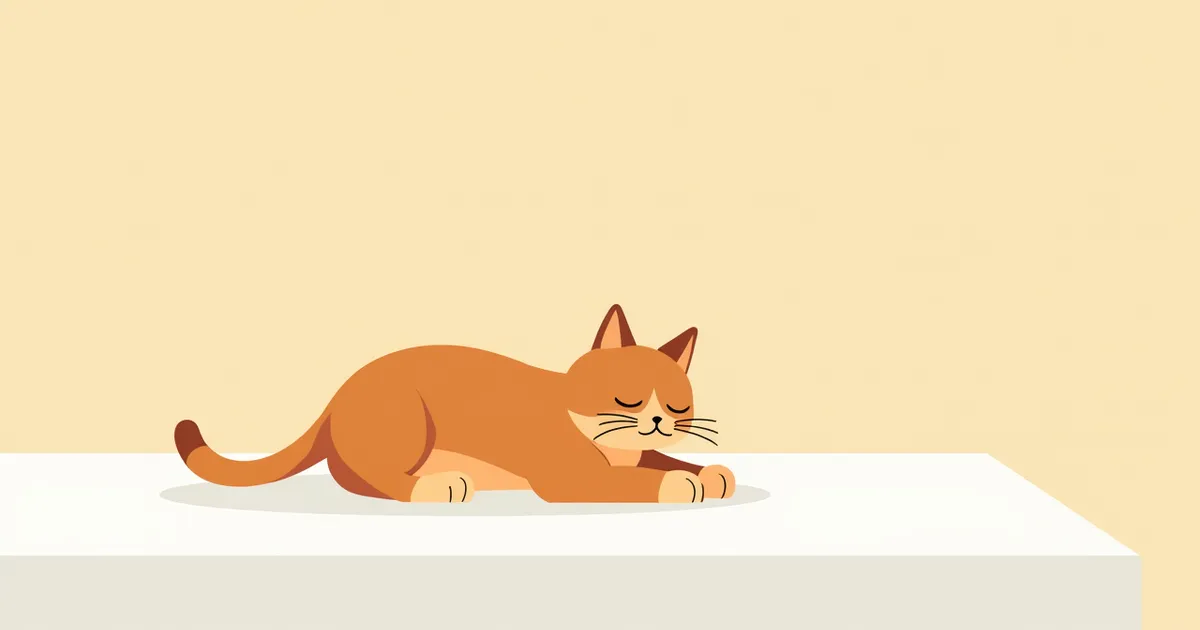
Placing a hand on the chest of a resting dog or cat to measure their respiratory rate.
Respiratory rate is the most basic health indicator, representing the number of breaths your pet takes in one minute. The first thing to check is the resting respiratory rate. Knowing your pet’s respiratory rate when they are sleeping or resting comfortably allows you to detect abnormalities such as heart disease, lung conditions, or pain at the earliest stage. Since an increased respiratory rate is often the first sign of heart problems, it is important to make a habit of measuring it at home once or twice a week.

Normal Respiratory Rate Ranges for Dogs and Cats

Resting respiratory rates vary slightly depending on breed and body size. In general, a normal range is 10–30 breaths per minute for dogs and 20–40 breaths per minute for cats. Larger dogs tend to have slower rates, while small-breed and young dogs tend to breathe a bit faster. According to veterinary internal medicine textbooks, the upper limit of a normal resting respiratory rate for cats is 40 breaths per minute; therefore, if this threshold is exceeded during sleep or rest, heart or lung disease should be suspected and veterinary consultation considered. Panting is not included in the respiratory rate count.

Normal Respiratory Rates by Species and Situation

ItemAt restAfter activityWarning threshold
Small dog (adult)15–30 breaths/min40–80 breaths/minOver 30 during sleep
Large dog (adult)15–30 breaths/min30–60 breaths/minOver 30 during sleep
Puppy (juvenile)15–30 breaths/min40–90 breaths/minOver 30 during sleep
Cat (adult)20–40 breaths/min40–80 breaths/minOver 40 during sleep
Kitten20–40 breaths/min50–90 breaths/minOver 40 during sleep

Resting values are based on a sleeping or comfortable resting state

The Accurate Way to Measure Respiratory Rate at Home

For the most accurate results, measure your pet’s breathing while they are asleep or resting comfortably. Count one complete rise and fall of the chest as one breath. Count the number of breaths for 15 seconds, then multiply by four to get the breaths per minute. If your pet is dreaming, trembling, or panting, wait until they calm down and measure again. For the highest accuracy, use a smartphone timer to count for a full minute. Measuring at the same time once or twice a week and keeping a record will make it easier to notice any changes.
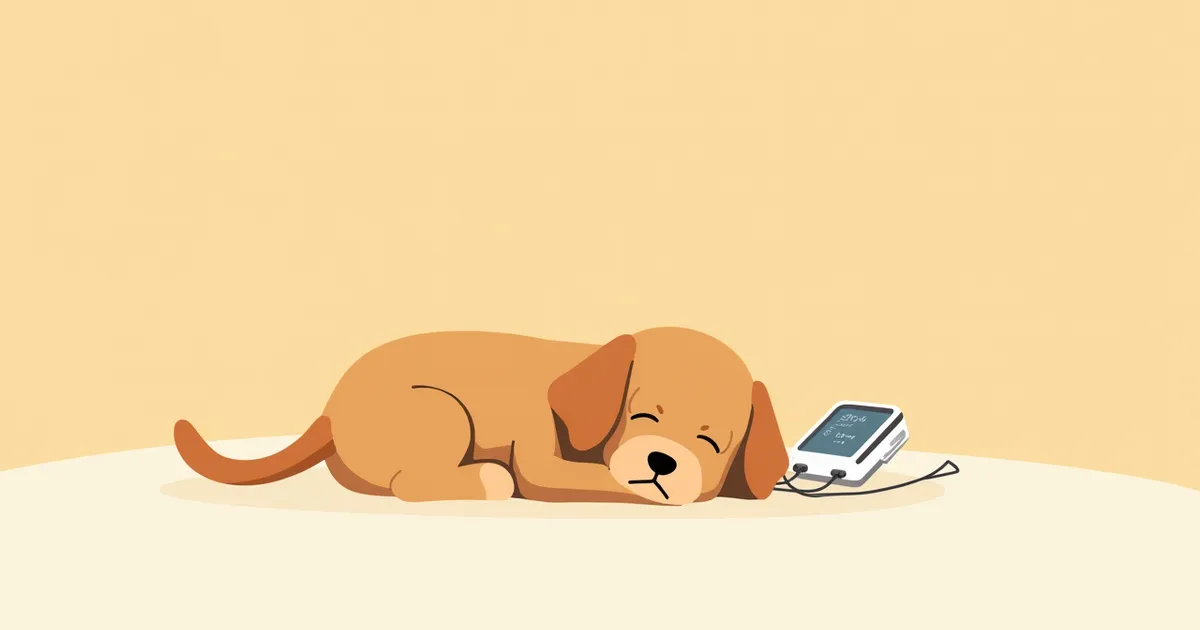
Placing a hand on a sleeping dog’s chest and measuring its respiratory rate using a smartphone timer.

Danger Signs That Require Immediate Veterinary Care

In the following situations, you should seek emergency veterinary care immediately, even at night or on weekends: a resting respiratory rate exceeding 40 breaths per minute, a cat panting with its mouth open (cats do not normally pant), severe abdominal movement during breathing, blue or purple gums and tongue, or a posture with extended neck and shoulders while struggling to breathe even at rest. If any of these signs are present, take your pet to a 24-hour emergency animal hospital without delay.

Main Causes of an Increased Respiratory Rate
An increased respiratory rate can stem from a wide range of causes, from simple excitement to serious medical conditions. - Exercise, excitement, or heat: These are temporary and typically return to normal after rest. - Heart disease (congestive heart failure): Fluid accumulation in the lungs leads to a persistent increase in respiratory rate. - Pneumonia or bronchitis: Usually accompanied by coughing. - Anemia: Gums appear pale, and the pet tires easily. - Pain or stress: Abdominal or joint pain can cause rapid, labored breathing. - Hyperthyroidism (primarily in senior cats): Both respiratory and heart rates increase. Veterinary internal medicine textbooks emphasize that ensuring adequate oxygen supply and keeping the patient calm are the top priorities before identifying the underlying cause.
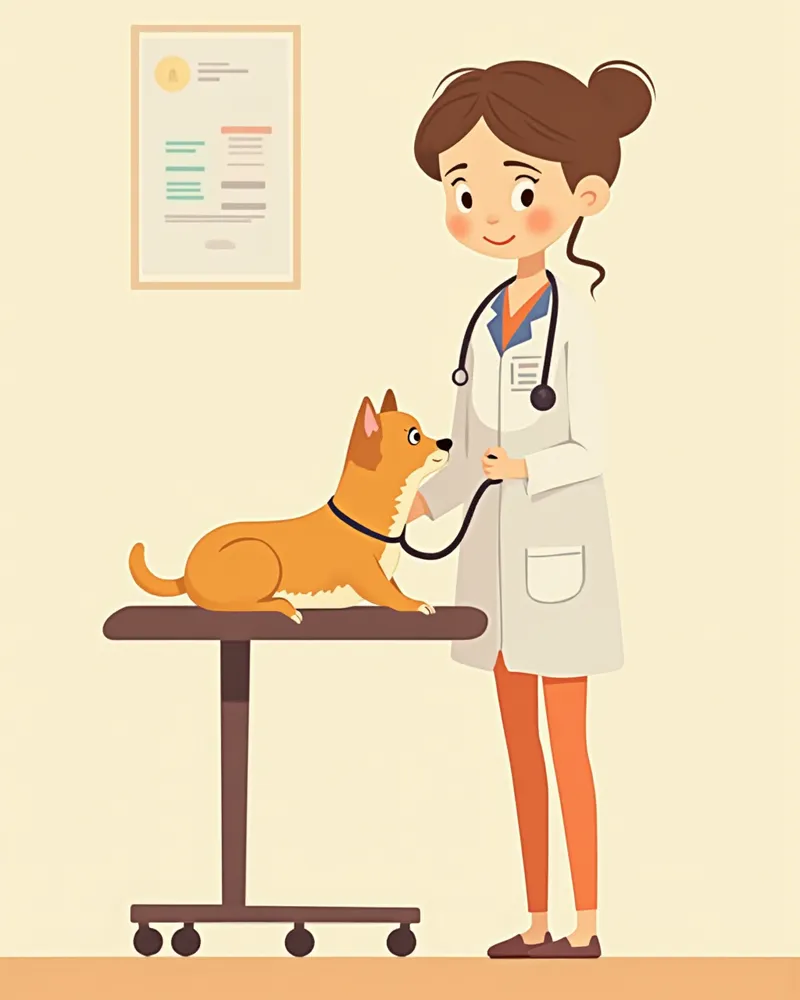
A veterinarian places a stethoscope on a puppy’s chest to check its breathing during an examination.

Tracking Respiratory Rate Is Key to Early Detection of Heart Disease

For pets with heart disease, tracking the sleeping respiratory rate (SRR) is a crucial indicator for early detection of cardiopulmonary abnormalities, including pulmonary edema. Veterinary internal medicine textbooks define the upper limit of normal resting respiratory rate as 40 breaths per minute for cats and 30 breaths per minute for dogs; therefore, if your pet consistently exceeds these thresholds during sleep or shows a significant increase from their usual baseline, prompt consultation with a veterinarian is recommended. If your pet is on cardiac medication, it is helpful to measure their respiratory rate every evening once they are asleep and record the results in a calendar or app. Noticing even small changes can be the decisive factor in preventing hospitalization.

Cat Breathing Requires Special Caution

Cats have a strong instinct to hide pain and breathing difficulties, so by the time owners notice something is wrong, their condition has often deteriorated significantly. If your cat is breathing with its mouth open, it is an emergency in itself. Unlike dogs, open-mouth breathing in cats is almost always a sign of serious heart or lung disease. While brief episodes during carrier travel may be stress-related, if you observe open-mouth breathing at home while your cat is relaxed, you should transport them to an emergency clinic as quietly and calmly as possible.

Common Mistakes When Measuring Respiratory Rate

- Measure after rest: Since activity like walks or play can temporarily elevate readings, wait at least 30 minutes for your pet to rest before measuring. - Don’t confuse panting with breathing rate: Rapid, open-mouthed panting is a normal thermoregulatory response and should not be counted as part of the respiratory rate. - Avoid single measurements: Because daily condition can vary, base your assessment on the average over 3–4 days. - Observe the abdomen, not the chest: If abdominal breathing becomes prominent, it may indicate respiratory distress, requiring immediate veterinary attention. Using a tracking app can help you easily monitor trends.

Reviewed by a veterinarian

Dr. Tony — Punnawat Phongkittirak

Dr. Tony — Punnawat Phongkittirak

Veterinarian

A veterinarian who majored in veterinary medicine at Khon Kaen University, Thailand, and completed the IVSA program at North Carolina State University in the United States. Drawing on clinical experience at animal hospitals, he works in the pet healthcare field and is dedicated to building a digital care environment that connects pet parents with veterinarians.

Frequently Asked Questions

Is it normal for my dog’s breathing to quicken when they tremble as if dreaming while sleeping?
During the REM sleep stage, breathing can become irregular and temporarily faster. For accurate readings, exclude measurements taken during this phase and instead measure during stable periods of deep sleep.
Do brachycephalic breeds (such as Bulldogs and Pekingese) naturally have a faster respiratory rate?
Due to their airway anatomy, brachycephalic dogs often breathe somewhat noisily and pant frequently. However, if their resting respiratory rate exceeds 40 breaths per minute or their tongue turns purple, these are signs of worsening Brachycephalic Airway Syndrome, and veterinary care is necessary.
Can a slower-than-normal respiratory rate also be a problem?
In rare cases, breathing rate may slow down due to hypothermia, central nervous system issues, or poisoning. In dogs, if the respiratory rate remains below 10 breaths per minute and the dog is unresponsive, it is a medical emergency.
How high is it normal for a pet’s breathing rate to go after exercise?
It’s normal for your pet’s breathing rate to increase significantly right after activity. However, if it doesn’t return to the normal resting range (10–30 breaths per minute for dogs, 20–40 for cats) after adequate rest, it may indicate a heart or lung issue, and you should consult your veterinarian.
Do I need to record my pet's respiratory rate every day?
For healthy adult dogs and cats, checking once or twice a week is sufficient. However, if your pet is on heart medication, is elderly, or has chronic respiratory disease, we recommend measuring once daily in the evening while they are asleep.

Share

Related Guides

References

[1] Textbook of Respiratory Disease in Dogs and Cats

[2] Advanced Monitoring for Small Animal Emergency and Critical Care, 2nd Edition

[3] Ettinger's Textbook of Veterinary Internal Medicine, 8th Edition

This information is based on veterinary literature and does not replace diagnosis or treatment. Please consult a veterinarian for specific health concerns.

Metapet Co., Ltd. | CEO: Park Sung-yong | Business Reg. No. 417-88-02562 | Seoul, South Korea | Customer Center

How to Measure Your Dog or Cat's Respiratory Rate at Home | Meongsiljang