Like
Share
멍실장
강아지 호두·피칸 먹으면 안 되는 이유와 중독 증상 — 응급처치까지 정리

Can Dogs Eat Walnuts and Pecans? — Key Facts on Poisoning Symptoms and First Aid

Emergency/ToxicityQ&AMeongsiljang Veterinary Advisory Board

Walnuts and pecans are dangerous for dogs because they can contain mold toxins, are high in fat, and may include xylitol, all of which can cause tremors, vomiting, and pancreatitis. We’ve outlined the symptoms by stage, emergency first aid steps, and recovery care tips.

Why Walnuts and Pecans Are Dangerous for Dogs
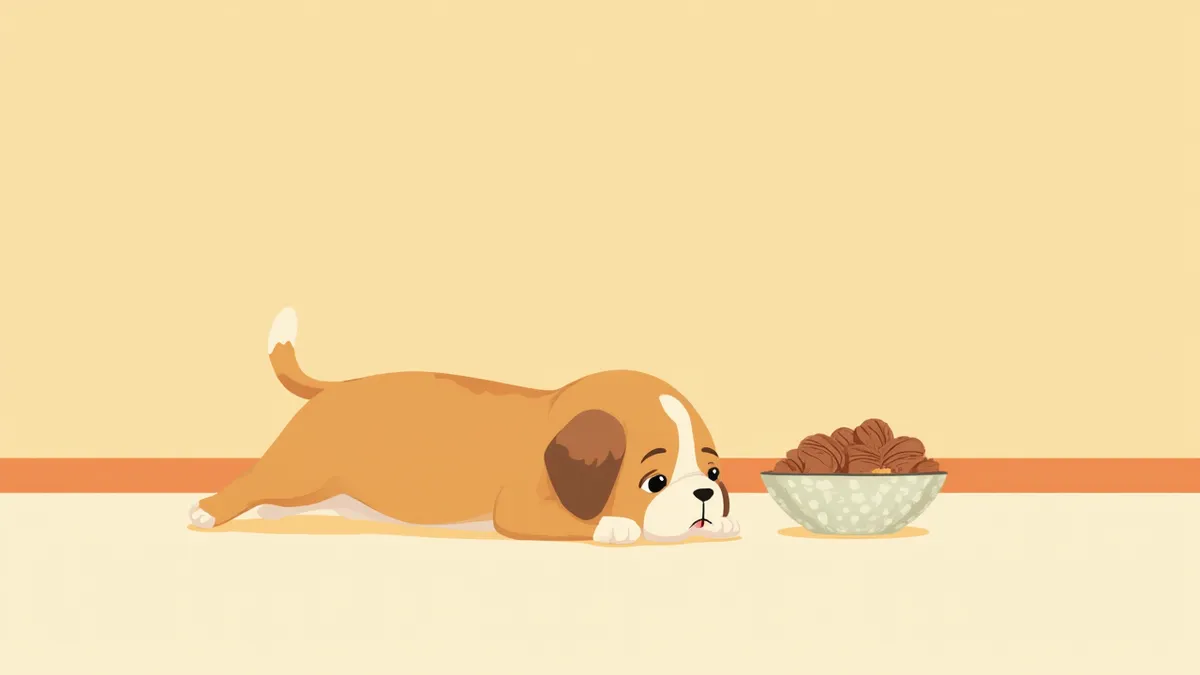
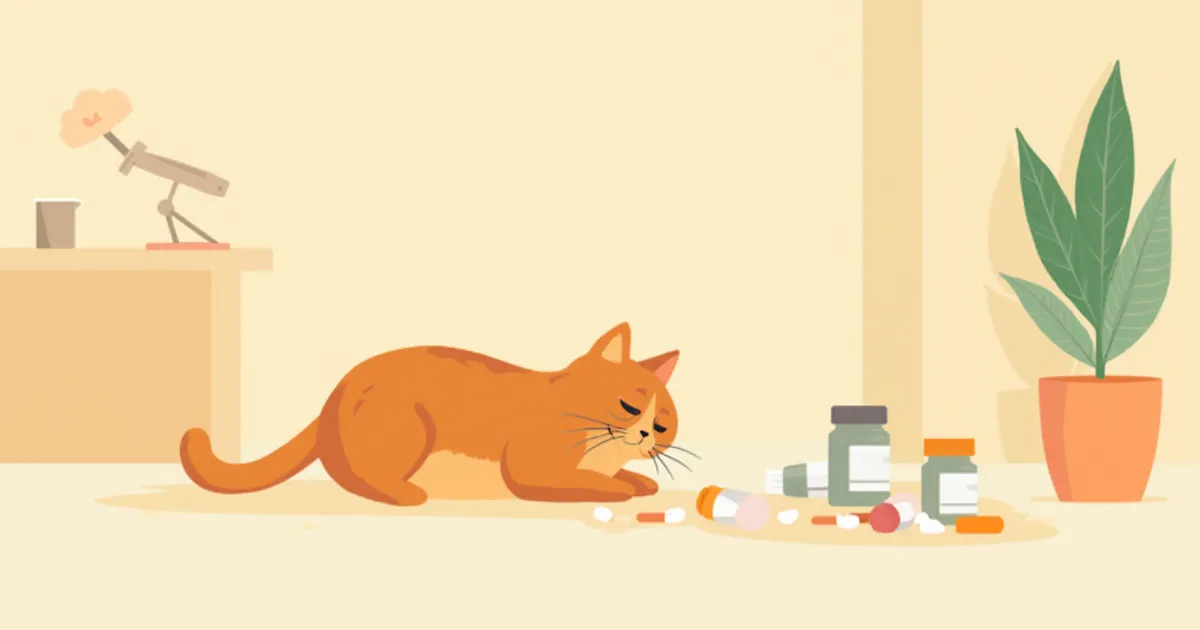
A dog lying next to spilled walnuts and pecans, looking worried
Walnuts and pecans are dangerous for dogs because they can cause neurological symptoms like tremors when moldy, and even when fresh, their high fat content can trigger vomiting, diarrhea, and pancreatitis. The most critical point is that moldy nuts can induce neurological symptoms even in small amounts. Moldy walnuts stored improperly contain tremor-inducing mycotoxins called penitrem A and roquefortine C. Ingestion of these toxins typically leads to drooling and vomiting, followed by whole-body tremors, ataxia, and hyperthermia within minutes to a few hours. If you suspect your dog has ingested them, contact your veterinarian as soon as possible, even if no symptoms are present.

Three Reasons Why Walnuts and Pecans Are Dangerous for Dogs

Walnuts and pecans can harm dogs through three different mechanisms. - Mycotoxins (penitrem A and roquefortine C): These can trigger neurological symptoms such as tremors and seizures within minutes to several hours after ingestion. - High fat content: Consuming large amounts can lead to complications such as pancreatitis. - Hard, large nuts: In small dogs, these can occasionally cause gastrointestinal obstruction. Moldy nuts, especially those with black mold, are often difficult for pet owners to notice. Even walnuts purchased clean from a store can develop mold if they absorb moisture after being opened, producing mycotoxins that cause tremors.

Comparing Risk Levels by Nut Type

ItemWalnut (moldy)Walnut (clean)PecanMacadamia
Main toxic substancePenitrem A, roquefortineHigh fat, foreign bodyHigh fat (tremor toxin if moldy)Unknown neurotoxin
Main symptomsWhole-body tremors, seizures, hyperthermiaVomiting, diarrhea, possible pancreatitisVomiting, diarrhea, possible pancreatitisHind limb weakness, tremors, fever
Risk levelVery highModerateModerate to highHigh
Onset timeTens of minutes to a few hoursA few hours to a few daysA few hours to a few daysWithin 12 hours

Even a small amount of moldy nuts can cause neurological symptoms. The smaller the dog and the more mold is suspected, the more urgently you should contact a veterinary hospital immediately after ingestion.

Poisoning Symptoms by Stage
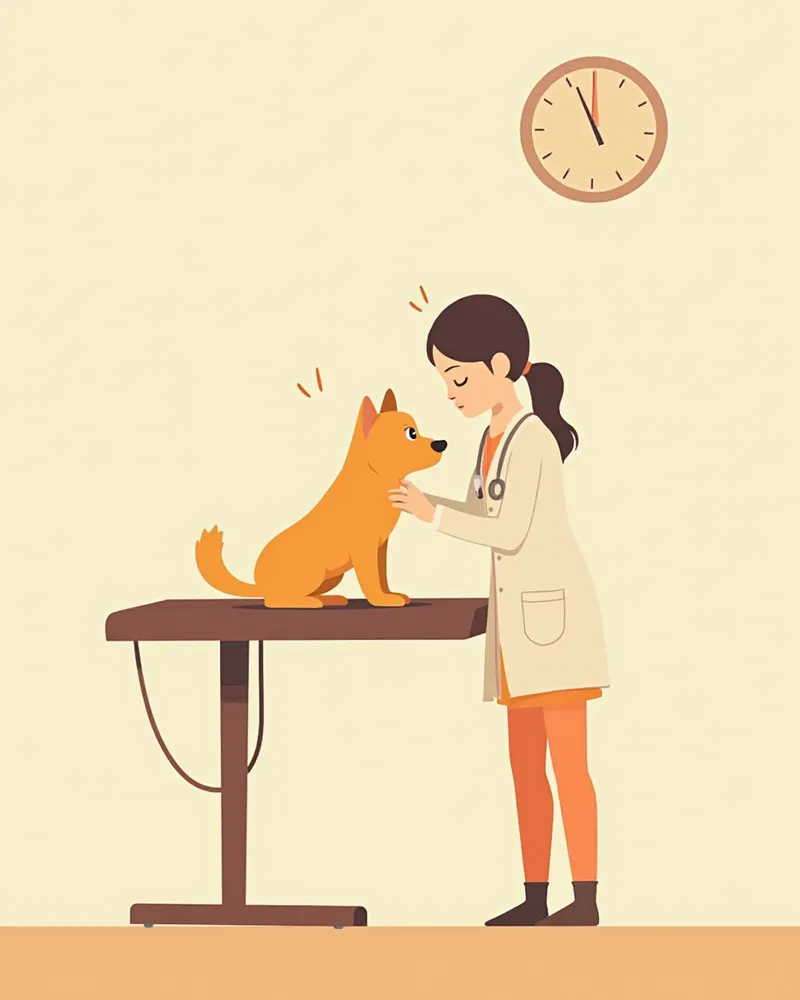
Walnut mold toxins (penitrem A and roquefortine C) cause poisoning that typically progresses rapidly, usually within minutes to a few hours after ingestion. - Early stage: Drooling, vomiting, diarrhea, restlessness, and dilated pupils - Progressive stage: Begins with fine tremors and ataxia, spreading to generalized tremors, with a rise in body temperature due to the tremors - Severe stage: Rigidity, seizures, and hyperthermia (above 40°C) If hyperthermia occurs due to tremors, the condition can deteriorate quickly. Therefore, it is important to visit a veterinary clinic at the stage of fine tremors. At the clinic, stabilization is achieved through intravenous lipid emulsion, muscle relaxants and sedatives such as methocarbamol, and monitoring of body temperature and heart rate. With appropriate early treatment, the prognosis is generally favorable.
A veterinarian examining a dog showing tremors at an animal hospital

Emergency Situations Requiring Immediate Veterinary Care

If any of the following apply, please visit a 24-hour emergency animal hospital immediately, even in the middle of the night or early morning: - Tremors do not stop after ingesting walnuts or pecans - Seizures, generalized convulsions, or decreased level of consciousness are observed - Body temperature exceeds 40°C or panting is severe - Ingestion of moldy walnuts is confirmed (go to the hospital immediately, even if no symptoms are present) - A small-breed dog has ingested moldy nuts As tremors worsen, body temperature can rise to dangerous levels and the dog’s overall condition can deteriorate rapidly, so delaying treatment increases the risk.

What Owners Should Do Immediately After Ingestion

If ingestion occurred within the last hour, a veterinarian can induce vomiting. Do not attempt to induce vomiting at home using salt or hydrogen peroxide, as this poses significant risks of gastric damage and secondary poisoning. - Assess: Determine what was eaten, how much, and when. Take photos to check for mold. - Transport: Keep your pet lying on their side in the car, with their head and neck stabilized. - Contact: Call the clinic before departure to provide your estimated arrival time, current symptoms, and your pet’s weight. If you are certain your pet ingested moldy walnuts, it is best to go to a 24-hour veterinary hospital equipped to administer intravenous lipid emulsion therapy.
A pet owner carefully placing their puppy into a carrier and heading to the vet clinic

Recovery Care and Prevention of Recurrence

Acute symptoms often stabilize within 24 to 48 hours if treated appropriately and early. After recovery, it’s helpful to let the stomach and pancreas rest by feeding a low-fat, easily digestible diet for a few days. Dogs with concurrent pancreatitis or other underlying conditions may take longer to recover. - Storage: Keep walnuts and pecans in airtight containers on high shelves out of your dog’s reach. - Expiration: Consume nuts as soon as possible after opening; discard immediately if you notice discoloration, off odors, or mold. - Walks: In autumn, keep your dog on a short leash under walnut trees to prevent them from picking up fallen nuts. - Separate snacks: When you’re eating nuts, keep your dog in another room. If you’re curious about other dangerous foods, check out our Guide to Foods Dogs Should Never Eat.

Reviewed by a veterinarian

Dr. Tony — Punnawat Phongkittirak

Dr. Tony — Punnawat Phongkittirak

Veterinarian

A veterinarian who majored in veterinary medicine at Khon Kaen University, Thailand, and completed the IVSA program at North Carolina State University in the United States. Drawing on clinical experience at animal hospitals, he works in the pet healthcare field and is dedicated to building a digital care environment that connects pet parents with veterinarians.

Frequently Asked Questions

Is it dangerous if my pet eats just one walnut?
Moldy walnuts can trigger tremors and seizures even in small amounts, regardless of their size, so immediate veterinary care is essential. Even fresh walnuts can cause gastrointestinal issues such as vomiting, diarrhea, or pancreatitis in small dogs if consumed in large quantities due to their high fat content. Therefore, it’s safest to check the amount ingested and whether the walnuts were moldy, then consult your veterinarian.
Are walnut bread and walnut cookies also dangerous?
It can be dangerous. Walnuts in bread and pastries may have developed mold during storage, and ingredients like xylitol, chocolate, and raisins can be toxic to dogs. Please avoid all human foods containing nuts.
Should I take my pet to the vet even if it only licked the walnut shell?
Mycotoxins can also contaminate the outer shell. If you notice tremors, vomiting, or excessive drooling, seek veterinary care immediately. Even if no symptoms are present, closely monitor your pet for a while and contact your vet right away if any changes occur.
Which is more dangerous, pecans or walnuts?
Both are dangerous, and their risk profiles are similar. If moldy, they can produce tremor-inducing mycotoxins (penitrem A and roquefortine C), leading to neurological symptoms. Even if mold-free, their high fat content poses a risk of vomiting, diarrhea, and pancreatitis. While pecans themselves do not contain xylitol, neither should be given to dogs.
Will there be any aftereffects following treatment?
When treated early, most pets see their neurological symptoms resolve within 24 to 48 hours, and the prognosis is generally good. However, if seizures were prolonged or complications such as pancreatitis occurred, it’s advisable to follow your veterinarian’s recommendations for periodic follow-up exams even after recovery.

Share

Related Guides

References

[1] Blackwell's Five-Minute Veterinary Consult Clinical Companion: Small Animal Toxicology, 3rd Edition — Tremorgenic Mycotoxins 챕터

[2] Eriksen GS, Jaderlund KH, Moldes-Anaya A et al., Poisoning of dogs with tremorgenic Penicillium toxins, Medical Mycology, 2010

[3] Kormpou F, O'Sullivan A, Troth L, Adamantos S, Use of intravenous lipid emulsion in dogs with suspected tremorgenic mycotoxicosis: 53 cases, Veterinary Evidence, 2018

[4] Walter SL, Acute penitrem A and roquefortine poisoning in a dog, Canadian Veterinary Journal, 2002

This information is based on veterinary literature and does not replace diagnosis or treatment. Please consult a veterinarian for specific health concerns.

Metapet Co., Ltd. | CEO: Park Sung-yong | Business Reg. No. 417-88-02562 | Seoul, South Korea | Customer Center

Can Dogs Eat Walnuts & Pecans? Poisoning Signs & First Aid | Meongsiljang