Like
Share
멍실장
강아지 세균성 폐렴 자주 묻는 질문 Q&A — 보호자가 꼭 알아야 할 핵심

Frequently Asked Questions About Bacterial Pneumonia in Dogs — Key Information Every Pet Owner Should Know

RespiratoryQ&AMeongsiljang Veterinary Advisory Board

Bacterial pneumonia in dogs often begins with mild coughing but can worsen rapidly. Here’s the essential information every pet owner should know.

What Is Bacterial Pneumonia in Dogs?
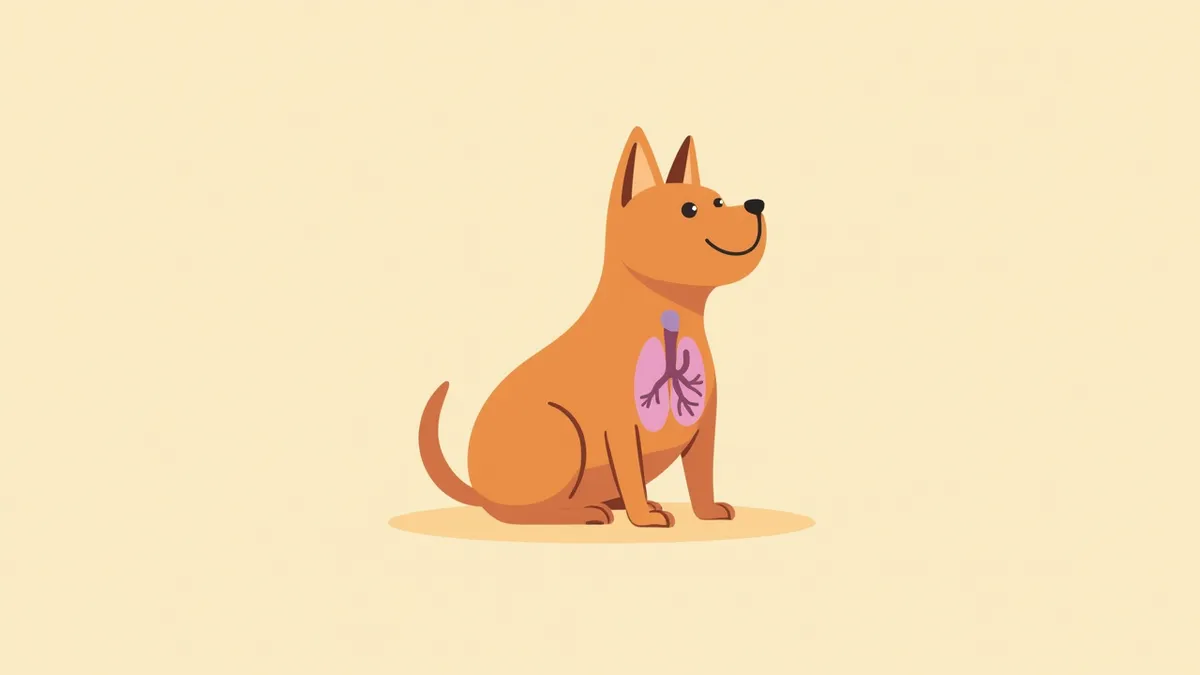
An anatomical illustration of a dog’s inflamed lungs
Bacterial pneumonia in dogs is a condition caused by pathogenic bacteria invading the lungs and triggering inflammation. It poses a higher risk of developing in puppies and dogs with weakened immune systems. In the early stages, symptoms may be nonspecific, such as mild coughing, lethargy, and decreased appetite. However, if left untreated, the condition can worsen, leading to difficulty breathing and hypoxia. - Bacterial invasion: Pathogens present in the air can enter the lungs through the respiratory tract, causing inflammation. - Weakened immunity: Stress, nutritional imbalances, and underlying diseases can compromise the immune response, increasing the risk of infection. - Early detection: It is important to seek veterinary care if symptoms persist, even mildly. Early intervention aids in recovery.

Why Do Dogs Get Bacterial Pneumonia?

Bacterial pneumonia in dogs is caused by pathogenic bacteria such as Bordetella bronchiseptica, Pasteurella, Streptococcus, and Mycoplasma. In particular, Bordetella is the most commonly detected causative agent in puppies. Crowded environments and weakened immunity are risk factors, and some pathogens can spread to other dogs through coughing or sneezing. - Exposure to pathogens: Exposure in crowded spaces such as pet shops, pet centers, and animal shelters can be risky. - Weakened immunity: Stress, nutritional imbalances, underlying diseases, and immune deficiencies can weaken the body’s defenses and increase the risk of infection. - Environmental factors: High humidity and poor ventilation can negatively affect respiratory health. - Limitations of prevention: Vaccines help reduce the severity of clinical symptoms but do not completely prevent infection. Therefore, environmental management along with early diagnosis and treatment is key.
A puppy exposed to a crowded environment

What Are the Main Symptoms of Bacterial Pneumonia?

The main symptoms of bacterial pneumonia in dogs include persistent coughing, difficulty breathing, loss of appetite, and decreased activity levels. However, dogs with bacterial pneumonia often do not have a fever, and symptoms may be mild. Therefore, if coughing lasts more than a day or worsens, consult your veterinarian immediately. - Cough characteristics: The cough is typically repetitive and deep, and may sometimes produce mucus or phlegm. - Breathing abnormalities: Dogs may breathe rapidly, shallowly, or appear short of breath. - Systemic symptoms: Lethargy, weakness, and reduced food and water intake may also occur. - Early intervention: If symptoms persist or worsen, veterinary consultation is essential, as early diagnosis is key to effective treatment.
A puppy coughing up frothy foam

Signs That Require an Immediate Vet Visit

If your dog’s breathing becomes very rapid, their lips or mouth turn blue, or they develop severe coughing that makes it difficult to breathe, you should go to the vet immediately. These are signs of impaired lung function or hypoxia, which can be life-threatening. Do not delay and seek emergency veterinary care right away.

Comparison of Response Methods Based on Symptom Severity

ItemMain SymptomsHow to Respond
MildMild coughing, slight respiratory distressMedication prescribed after veterinary consultation, careful observation
ModeratePersistent coughing, fever, decreased appetiteAntibiotic administration, chest X-ray, hospital examination needed
SevereRespiratory distress, lips turning blue, decreased consciousnessInpatient treatment, oxygen supply, strong antibiotic therapy

If symptoms worsen, an immediate hospital visit is necessary.

What Tests Are Needed for an Accurate Diagnosis?
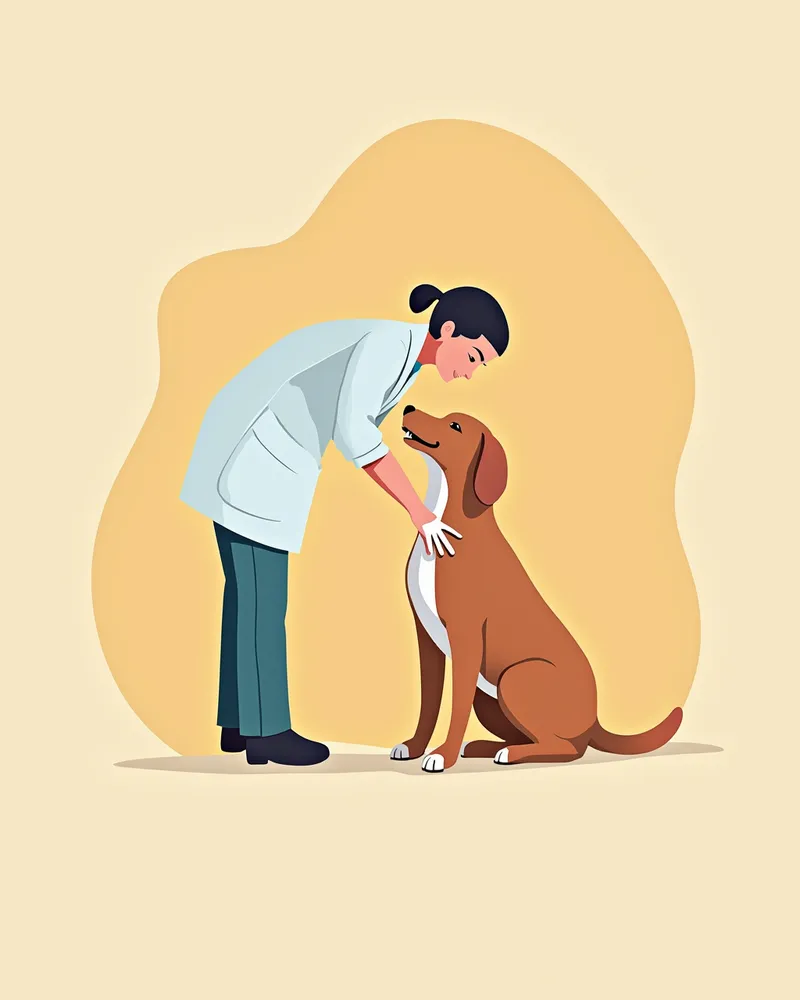
To accurately diagnose bacterial pneumonia in dogs, chest X-rays, blood tests, and airway secretion tests are essential. - Chest X-ray: This is the key screening test to identify areas of inflammatory response and the distribution of lesions in the lungs. - Blood test: While it evaluates inflammatory responses, such as elevated white blood cell counts, results may appear normal even in cases of pneumonia, so it should be interpreted alongside other tests. - Secretion test: By culturing and susceptibility testing secretions collected through airway lavage or bronchoscopy, we can identify the causative bacteria and determine the appropriate antibiotic. - Determining treatment direction: Based on the test results, we can prescribe antibiotics targeted at the specific causative bacteria. - Importance of early diagnosis: If symptoms persist, early diagnosis and treatment play a crucial role in recovery.
A veterinarian taking a chest X-ray of a puppy.

What Are the Treatment Methods?

Treating bacterial pneumonia in dogs centers on administering antibiotics that target the specific causative bacteria. Your veterinarian will prescribe the appropriate medication based on results from cultures and susceptibility testing, and it’s essential to give the full course as directed. - Antibiotic administration: Do not stop the medication early. Completing the full prescribed course reduces the risk of recurrence. - Supportive care: Depending on the symptoms, treatments such as nebulization, coupage, or oxygen therapy may be beneficial. - Treatment duration: There is no universally established optimal treatment period, so your veterinarian will determine the duration based on clinical improvement and imaging results. Even if symptoms improve, do not discontinue the medication prematurely; follow the full prescription. - Regular check-ups: Monitor your dog’s condition throughout treatment with regular consultations with your veterinarian.
A veterinarian administering medication to a puppy.

How to Manage at Home?

Home care for bacterial pneumonia in dogs focuses on proper medication administration and environmental management. - Air quality control: Avoid damp or dusty areas and provide a warm, well-ventilated space. - Medication administration: Administer medication at the prescribed times. Do not skip doses or double up. - Dietary management: Even if your dog has a poor appetite, offering small amounts of treats and encouraging fluid intake can be helpful. - Ensuring rest: Limit physical activity and allow your dog to rest in a quiet environment. - Monitoring coughing: If coughing worsens or your dog shows signs of difficulty breathing, consult your veterinarian immediately.
A puppy resting comfortably in a calm environment

Precautions

While your dog is taking antibiotics, do not stop the medication prematurely and ensure you administer it at the exact prescribed times. Minimize contact with other dogs and thoroughly disinfect any areas where your dog has coughed. Since the risk of recurrence is high, continue to monitor for any changes in symptoms even after treatment is completed.

Reviewed by a veterinarian

Dr. Tony — Punnawat Phongkittirak

Dr. Tony — Punnawat Phongkittirak

Veterinarian

A veterinarian who majored in veterinary medicine at Khon Kaen University, Thailand, and completed the IVSA program at North Carolina State University in the United States. Drawing on clinical experience at animal hospitals, he works in the pet healthcare field and is dedicated to building a digital care environment that connects pet parents with veterinarians.

Frequently Asked Questions

Should I take my dog to the vet if its cough lasts more than three days?
If your pet’s cough persists for several days or worsens, there’s a high likelihood of bacterial pneumonia. It’s best to seek veterinary care immediately, as early detection significantly improves the chances of successful treatment.
Can bacterial pneumonia be prevented?
Vaccination and maintaining a clean environment can help reduce the risk of infection and the severity of symptoms. However, since vaccines cannot completely prevent infection, early diagnosis and prompt treatment are the most important factors.
Can the cough return if I stop the antibiotics?
Yes, stopping antibiotics too early can allow bacteria to persist and cause a relapse. It’s important to complete the full course of treatment prescribed by your veterinarian to ensure a stable recovery.
If my dog has had pneumonia, can it be transmitted to other dogs?
Some pathogens, such as Bordetella, Mycoplasma, and Pasteurella, can spread through the respiratory tract. Therefore, it is important to minimize contact with other dogs during treatment and to disinfect the environment.
How long does it take to treat bacterial pneumonia?
The duration of treatment varies depending on your dog’s condition, and there is no single fixed optimal period. Even after symptoms improve, it’s important to continue giving the medication for the full course as directed by your veterinarian to ensure a stable recovery.

Share

Related Guides

References

[1] Johnson et al. (2013). Canine and Feline Respiratory Medicine, 3rd Edition. Elsevier.

[2] Radhakrishnan A, Drobatz KJ, Culp WT, King LG. (2007). Community-acquired infectious pneumonia in puppies: 65 Cases (1993–2002). Journal of the American Veterinary Medical Association, 230(10), 1495–1502.

[3] Dear et al. (2021). Bacterial pathogens in canine respiratory infections: A multicenter study. Veterinary Microbiology, 259, 109145.

This information is based on veterinary literature and does not replace diagnosis or treatment. Please consult a veterinarian for specific health concerns.

Metapet Co., Ltd. | CEO: Park Sung-yong | Business Reg. No. 417-88-02562 | Seoul, South Korea | Customer Center

5 Common Questions About Bacterial Pneumonia in Dogs | Meongsiljang