Like
Share
멍실장
고양이 소변 배양 검사 자주 묻는 질문 Q&A — 보호자가 꼭 알아야 할 핵심

Frequently Asked Questions About Feline Urine Culture Tests — Key Information Every Pet Owner Should Know

UrinaryQ&AMeongsiljang Veterinary Advisory Board

A urine culture test for cats is a key diagnostic tool for accurately identifying the bacteria causing urinary tract infections. We’ve compiled the essential information every pet owner should know in a Q&A format.

What Is a Feline Urine Culture Test?
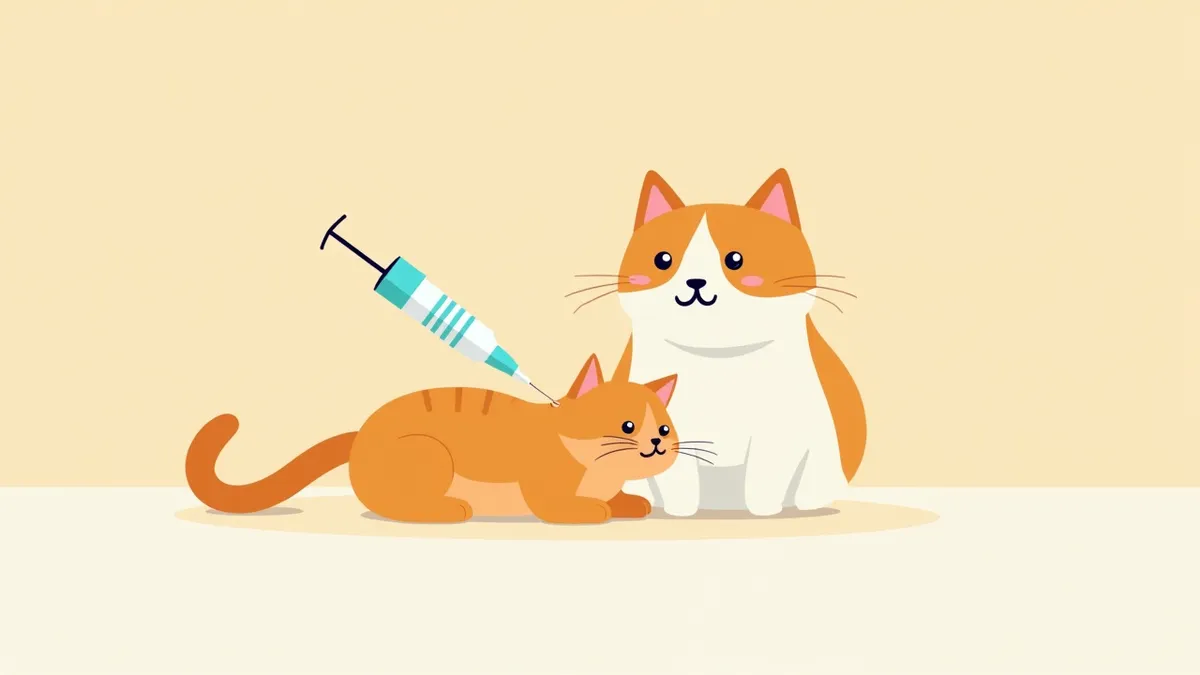
A veterinarian collecting a sterile urine sample from a cat.
A urine culture test is a key diagnostic tool for definitively identifying the bacteria causing a urinary tract infection in cats. - Urine Culture Test: This process involves culturing a urine sample in a sterile environment to identify which bacteria are present. It is crucial for uncovering hidden infections that may not be detected through a standard urinalysis. - Accurate Identification of the Cause: Knowing the exact causative bacteria allows for targeted antibiotic treatment. Using the wrong medication can reduce treatment effectiveness or lead to antibiotic-resistant bacteria. - Maximizing Treatment Effectiveness: Using medications specifically tailored to the identified bacteria can shorten the treatment period and lower the risk of recurrence. In cases of recurrent or persistent urinary tract infections, diagnostic accuracy is critical to treatment success. This test is an essential first step in safeguarding your cat’s health.

Why Is a Urine Culture Test Necessary?
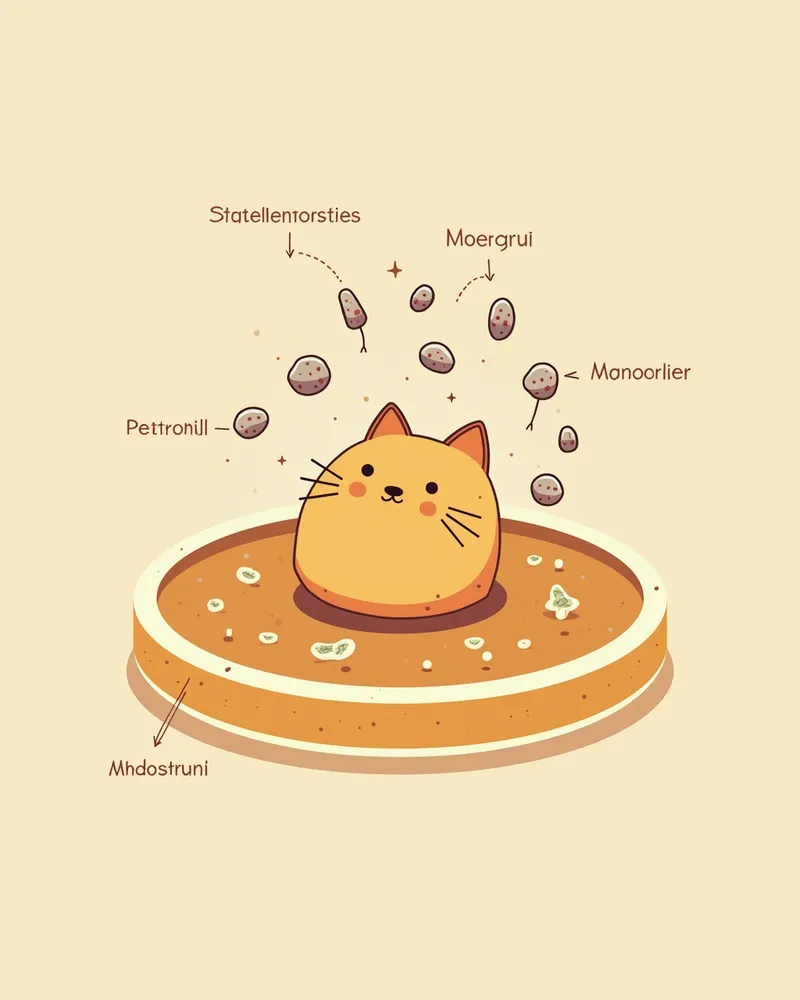
The bacteria causing feline urinary tract infections vary widely, and symptoms can be similar. - Limitations of basic urinalysis: A simple urine test alone cannot accurately identify which bacteria are causing the infection. - Need for accurate diagnosis: If a urinary tract infection is suspected, a quantitative urine culture is necessary and serves as the gold standard for confirmation. - Preventing antibiotic misuse: Using the wrong medication can lead to treatment failure or the development of antibiotic-resistant bacteria. - Optimizing the treatment plan: Selecting medication based on the pathogen’s susceptibility profile increases the likelihood of successful treatment. - Preventing recurrence: Accurate diagnosis is key to identifying the cause of recurrence. In cases of recurrent symptoms, urine culture is a critical part of the evaluation process. This test is an important step in safeguarding your cat’s health.
A view of various bacteria cultured from a cat's urine

How Should You Prepare Before the Culture Test?

As a general rule, urine samples for culture should be collected before starting antibiotic (antimicrobial) therapy. - Collect before starting antibiotics: Culture samples must be obtained before any antibiotic treatment begins. Antibiotics can inhibit bacterial growth, which may prevent the culture from growing or lead to distorted results. - Cystocentesis is recommended: For culture and susceptibility testing, cystocentesis—collecting urine by inserting a needle directly into the bladder—is the most recommended method. Urine collected during natural voiding can be contaminated by cells and bacteria from the lower urinary tract, requiring careful interpretation of the results. - Sterile collection and immediate delivery: Urine should be collected in a clean (sterile) container and delivered to the clinic as quickly as possible. Delays can cause bacteria to die or overgrow, distorting the results. - Refrigeration: If immediate testing is not possible, the sample can be refrigerated. However, crystals such as struvite may increase during storage, so testing should be performed as soon as possible to ensure accuracy. - Re-testing after stopping antibiotics: If re-culture is needed after treatment, it is generally recommended to wait 1–2 weeks after discontinuing antibiotics before re-testing. The preparation process significantly impacts result accuracy, making these steps very important.
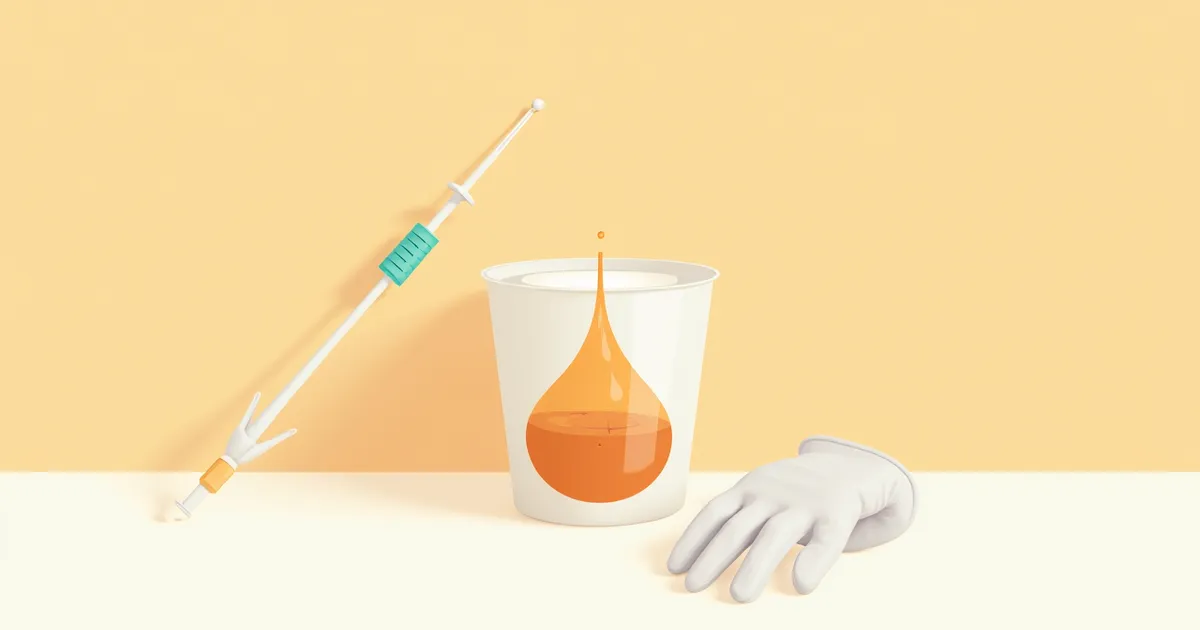
Sterile urine collection container for cats

When Will the Test Results Be Available?

Results are typically available in 3 to 5 days. - Time required for culture: Since bacteria need time to grow, the process takes a while. In some cases, it may take up to 7 days. - Possibility of interim treatment: While waiting for results, your veterinarian may prescribe antibiotics as a temporary measure. However, this is only a short-term step, and obtaining accurate results remains the priority. - Waiting for results is essential: Treatment plans should only be adjusted after confirming the precise results. - Adjusting the treatment approach: Continuing with the wrong medication can lead to ineffective treatment or adverse side effects. - Adjustments after result confirmation: Be sure to consult with your veterinarian to continue with personalized care. Since culture results are central to treatment, all decisions must be based on the information provided.
A clock symbolizing the waiting time for urine culture test results

Immediate Veterinary Visit Required in These Cases

If your cat is unable to urinate, shows signs of pain while trying to urinate, becomes agitated, or frequently visits the litter box but produces little to no urine, you should take them to the vet immediately. These could be signs of a urinary tract obstruction, which can be life-threatening and requires prompt veterinary care.

How to Interpret the Results
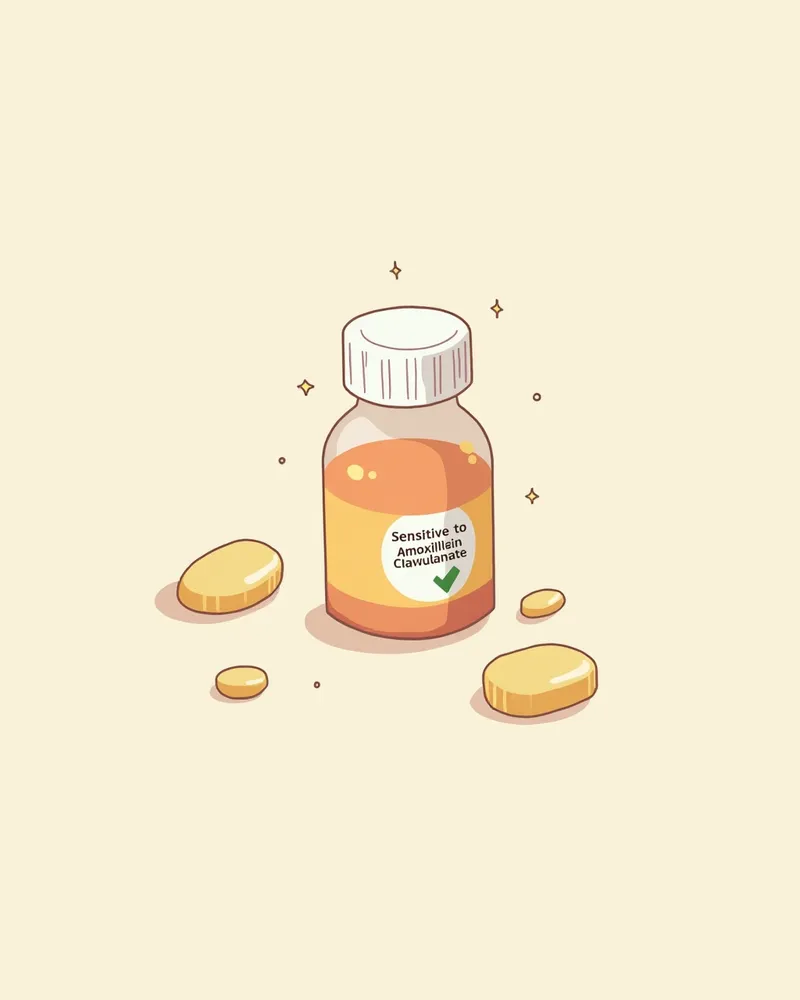
Culture results include the name of the causative pathogen and its antimicrobial susceptibility profile. - Identification of the causative pathogen: The report may list specific bacteria, such as *E. coli* or *Enterococcus*. - Susceptibility results: These indicate which medications are effective and which are ineffective, providing the basis for selecting the appropriate treatment drug. - Tailored treatment: Your veterinarian will choose an antibiotic that is both effective and safe, prioritizing drugs to which the pathogen shows susceptibility in the test. - Higher treatment success rate: Treatment based on accurate information reduces the risk of recurrence and increases the likelihood of a successful outcome. - Reviewing results is essential: Once the results are available, be sure to consult with your veterinarian. This information plays a critical role in safeguarding your cat’s health.
Antibiotic susceptibility results on a cat’s urine culture

Comparison of Urinalysis vs. Urine Culture Test

ItemUrinalysisUrine Culture Test
PurposeCheck the condition of the urineDefinitively identify the causative organism and provide susceptibility information
Test timeWithin 10–30 minutesCan take several days (bacterial culture time required)
Antibiotic selectionBased on estimationBased on accurate susceptibility
CostLowHigh

The culture test is highly accurate, but obtaining results can take more time and cost. It becomes especially important when precise susceptibility testing is included.

Which Cats Need This Test More?
This is especially important for cats with recurrent or persistent urinary tract infections. - Recurrent cases: If a cat gets reinfected even after treatment, it’s essential to accurately identify the causative bacteria. Quantitative urine culture is particularly recommended for cats with persistent or recurrent lower urinary tract symptoms. - Symptoms persisting after treatment: If symptoms don’t resolve despite antibiotic therapy, a culture test is necessary. This helps determine whether the bacteria are resistant or if there are secondary contributing factors. - Senior cats or those with chronic kidney disease: Cats with chronic kidney disease are at higher risk for urinary tract infections. Because their urine is more dilute (poorly concentrated), bacteria can more easily establish themselves, making these cats more susceptible to infection. Additionally, when urine is dilute, bacterial counts may be low and easily missed on routine urinalysis, making culture testing especially important. - Cats with underlying conditions: Cats with pre-existing conditions such as kidney disease are more vulnerable to urinary tract infections and may experience slower recovery once infected. - Suspected initial infection: Culture testing can also be considered when symptoms first appear. In cases where routine urinalysis isn’t sufficient for a definitive diagnosis, a culture test can clearly confirm the presence of infection, allowing for timely and appropriate treatment. Accurate diagnosis is the first step toward effective care.
An elderly cat suspected of having a chronic urinary tract infection

Reviewed by a veterinarian

Dr. Tony — Punnawat Phongkittirak

Dr. Tony — Punnawat Phongkittirak

Veterinarian

A veterinarian who majored in veterinary medicine at Khon Kaen University, Thailand, and completed the IVSA program at North Carolina State University in the United States. Drawing on clinical experience at animal hospitals, he works in the pet healthcare field and is dedicated to building a digital care environment that connects pet parents with veterinarians.

Frequently Asked Questions

Does the urine culture test cause any pain?
Urine can be collected in a clean container, or obtained via cystocentesis, which involves inserting a needle directly into the bladder. Cystocentesis is the most recommended method for culture and sensitivity testing, and cats may require mild sedation for the procedure. Performed gently by a veterinarian at the clinic, it is generally safe and causes minimal discomfort.
Can I collect a urine sample at home?
You can collect a sample for a basic urinalysis at home using non-absorbent special litter. However, for a culture test, urine obtained through natural urination may be contaminated with bacteria from the lower urinary tract, so collecting it via cystocentesis at the clinic is more accurate. Regardless of the method, the sample must be collected before starting antibiotics, delivered to the clinic as soon as possible after collection, and refrigerated if there is any delay.
Will taking antibiotics prevent the test results from showing up?
Yes, antibiotics can inhibit bacterial growth, making it more difficult to obtain a reliable culture. Therefore, urine samples for culture should ideally be collected before starting antibiotic treatment. If your pet is already on antibiotics, consult your veterinarian to determine the best timing for sample collection and testing. If a follow-up culture is needed after treatment, it’s typically performed one to two weeks after discontinuing the antibiotics.
Why isn’t treatment working even though we have the test results?
The causative bacteria may be resistant to antibiotics, or there could be an underlying condition such as urinary stones or kidney disease. You’ll need to work with your veterinarian to perform additional tests and adjust the treatment plan accordingly.
What should I do if symptoms recur even after a culture test?
We need to reevaluate the underlying causes of the recurrent infection. Additional tests, such as ultrasound, blood work, and repeat urine cultures, are necessary to rule out conditions like urinary tract stones, immunodeficiency, or endocrine disorders. In particular, if symptoms keep coming back, we must reassess the treatment strategy.

Share

Related Guides

References

[1] Hoskins, J.D., Turnwald, G.H., Kearney, M.T. et al. (1991). Urinalysis in the Dog and Cat. Veterinary Clinics of North America: Small Animal Practice, 21(2), 287–310.

[2] Lippman, R.W. (1952). Significance of the urine examination. Surgery, Gynecology & Obstetrics, 95, 369–371.

[3] Twedt, D.C. (1994). Diseases of the stomach. In: Sherding R.G. (Ed.), The Cat: Clinical Diseases and Management (2nd ed.), Churchill Livingstone, New York, pp. 1181–1200.

This information is based on veterinary literature and does not replace diagnosis or treatment. Please consult a veterinarian for specific health concerns.

Metapet Co., Ltd. | CEO: Park Sung-yong | Business Reg. No. 417-88-02562 | Seoul, South Korea | Customer Center

Cat Urine Culture Test: Your Complete Guide to Common Questions | Meongsiljang