Like
Share
멍실장
강아지 네뷸라이저 치료 자주 묻는 질문 Q&A — 보호자가 꼭 알아야 할 핵심

Dog Nebulizer Therapy FAQ — Key Points Every Pet Owner Should Know

RespiratoryQ&AMeongsiljang Veterinary Advisory Board

Nebulizer therapy is an effective way to manage respiratory conditions in dogs. We’ve compiled the essential information every pet owner should know in a Q&A format.

What is nebulizer therapy for dogs?

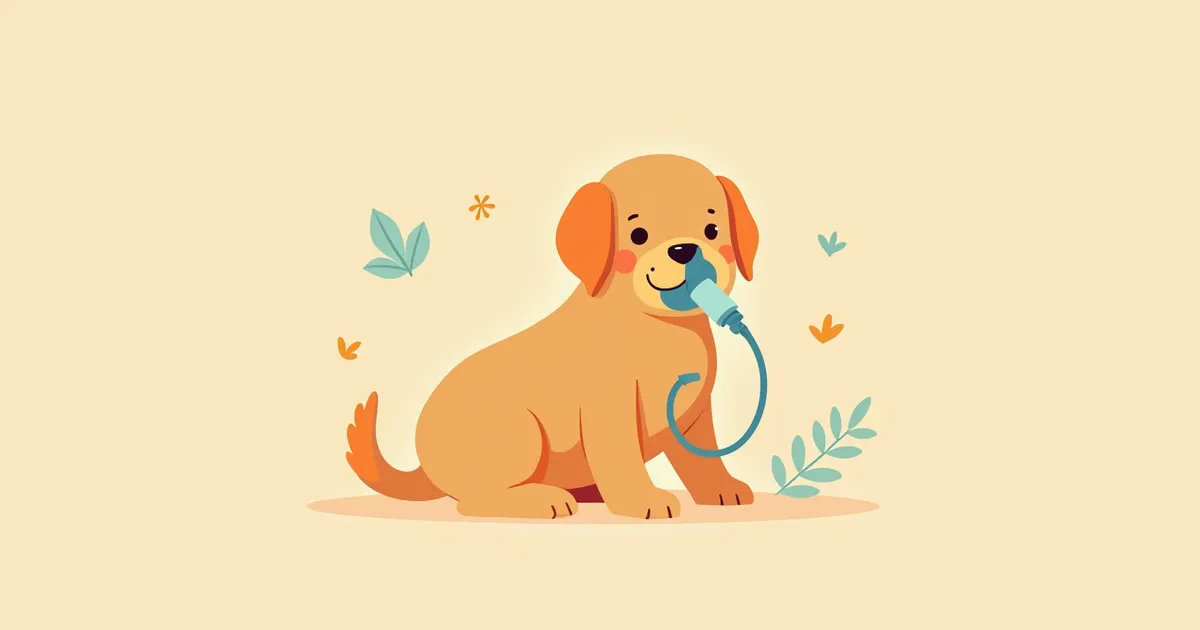
A veterinarian administering nebulizer therapy to a puppy
Nebulizer therapy for dogs involves delivering medication as a fine mist so it can be inhaled deep into the airways and lungs. - Medication delivery: The medication is inhaled through the airways and reaches the lower (distal) airways, which can be particularly beneficial when there is excessive mucus production. - Respiratory disease management: It can help clear mucus in conditions where airway obstruction is a concern due to coughing or mucus accumulation, such as chronic bronchitis or pneumonia. - Side effects: In some cases, side effects like coughing, increased salivation, or difficulty breathing may occur, so careful monitoring is necessary. - Treatment duration: The veterinarian will create an individualized treatment plan based on the patient’s condition, adjusting it through regular observation. - Proper equipment use: Use only medications prescribed by your veterinarian, and always clean and dry the equipment after each use to maintain hygiene.

What is the main goal of nebulizer therapy?
The main goal of nebulizer therapy for dogs is to loosen mucus so it can be cleared from the airways and to help medications reach deep into the respiratory tract. - Supports mucus clearance: Softens mucus in the airways, making it easier to remove during inhalation. - Complements other treatments: Can be used as an adjunctive therapy for conditions where excessive mucus secretion poses a risk of airway obstruction. - Monitor for side effects: If coughing worsens or breathing becomes difficult during treatment, stop immediately and consult your veterinarian. - Individualized treatment plans: Treatment frequency and duration may vary depending on the type of disease and the patient’s response. - Follow safe procedures: Use prescribed medications and properly maintained equipment, and always follow your veterinarian’s guidance.
Detailed images of the nebulizer machine and dog mask

In what situations is nebulizer therapy used?

Nebulizer therapy for dogs is used to help clear mucus from the airways or enhance drug delivery in cases of coughing, difficulty breathing, excessive airway mucus, bronchitis, and pneumonia. - Mucus clearance: It helps loosen mucus accumulated in the airways, making it easier to remove through inhalation. - Clinical application: It is particularly useful in chronic bronchitis or pneumonia to keep airways open and assist in delivering medication deep into the respiratory tract. - Limitations in drug delivery: While nebulization can deliver medication to the airways more directly than systemic administration, the extent of delivery depends on particle size and the patient’s breathing pattern. - Treatment convenience: Since it avoids the need to swallow medication, it may be more suitable for certain patients. - Veterinary supervision: Always use prescribed medications and appropriate equipment under veterinary guidance, and monitor for any adverse reactions during treatment.
A puppy comfortably lying down while wearing a nebulizer mask

Nebulizer Therapy vs. Standard Medication Administration: A Comparison

ItemNebulizer TreatmentOral Administration
Speed of drug deliveryAdequateSlow
Risk of side effectsLow to moderateHigh
Treatment effectivenessVaries by patientModerate
Ease of useModerate to lowHigh

Nebulizer treatment has the advantage of delivering medication close to the affected area and reducing systemic absorption, so systemic side effects may be relatively fewer, but some dogs may show local irritation such as coughing or increased salivation. Also, since effectiveness varies depending on the patient's breathing pattern and type of equipment, it is generally hard to consider it fast and powerful.

What should you be careful about during nebulizer therapy?
The most important aspects of nebulizer therapy are using the correct medications and keeping the equipment clean. - Do not misuse medications: Only use medications prescribed by your veterinarian. Using other drugs can cause adverse side effects. - Maintain equipment hygiene: Clean and dry the device after every use. Contaminated equipment increases the risk of infection. - Monitor your dog’s condition: If your dog shows signs of anxiety or stops breathing, stop the treatment immediately and consult your veterinarian. - Create a suitable treatment environment: Conduct the treatment in a quiet, comfortable space to help your dog stay relaxed. - Adhere to the treatment schedule: Consistent, regular treatments are necessary to maintain therapeutic effectiveness.
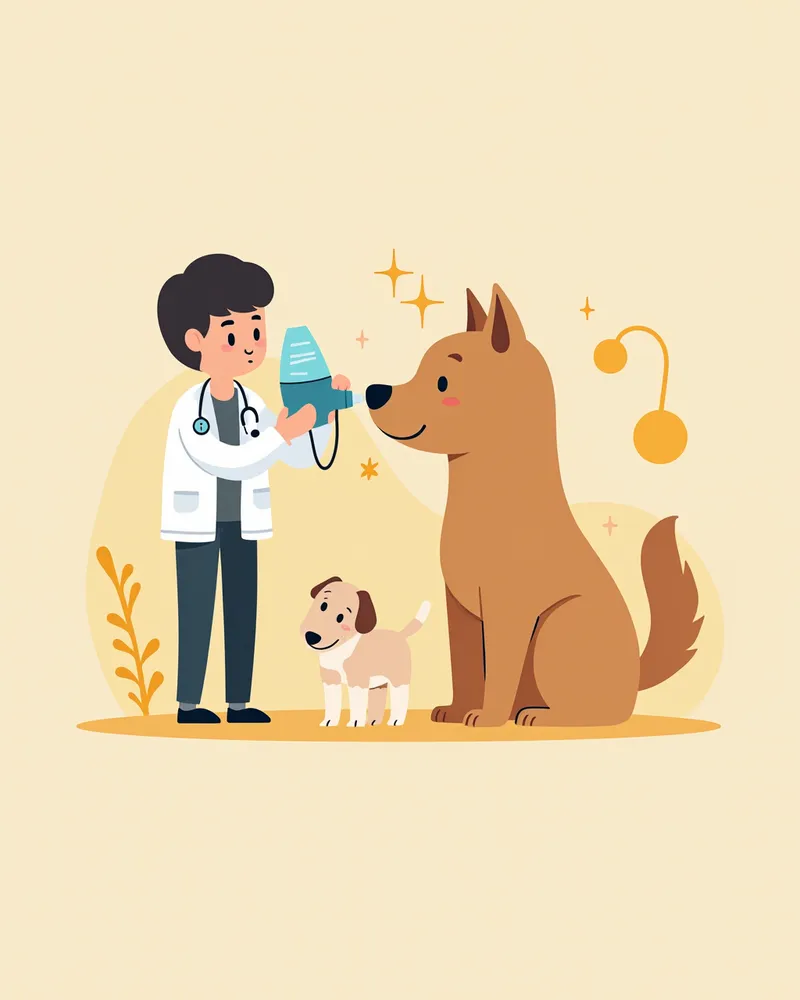
A veterinarian explaining how to use a nebulizer to a pet owner

Signs Requiring Immediate Veterinary Visit

If your dog’s breathing suddenly becomes labored during nebulizer treatment, if their mouth turns blue, or if they appear disoriented, seek veterinary care immediately, as these may be signs of acute respiratory deterioration. If unstable symptoms persist during treatment, consult your veterinarian right away.

Post-Nebulizer Therapy Care Tips

After treatment, gently wipe your dog’s mouth and nose. - Remove medication residue: Clean the area to prevent any remaining medication in the airways from causing irritation. - Allow time to rest: Limit activity for 30 minutes after treatment and let your dog rest in a calm, comfortable environment. - Clean equipment thoroughly: Wash and completely dry the device after every use. - Prevent infection: Contaminated equipment increases the risk of bacterial or fungal growth. - Regular check-ups: Work with your veterinarian to continuously monitor treatment effectiveness and make adjustments as needed.
The owner cleaning the nebulizer mask

Reviewed by a veterinarian

Dr. Tony — Punnawat Phongkittirak

Dr. Tony — Punnawat Phongkittirak

Veterinarian

A veterinarian who majored in veterinary medicine at Khon Kaen University, Thailand, and completed the IVSA program at North Carolina State University in the United States. Drawing on clinical experience at animal hospitals, he works in the pet healthcare field and is dedicated to building a digital care environment that connects pet parents with veterinarians.

Frequently Asked Questions

Does nebulizer treatment need to be done every day?
The frequency of treatment is individually determined by the veterinarian based on the type and diagnosis of the disease, as well as the animal’s response. Depending on the condition, it may be prescribed once or multiple times a day, or at intervals of several days. Overuse can lead to side effects.
My dog hates wearing a muzzle. What should I do?
Start with short sessions, build positive associations through praise and treats, and repeat the training consistently. If needed, consider using a pet-specific face mask and spacer (space chamber).
Are there any side effects to nebulizer treatment?
Some dogs may experience temporarily worsened coughing, excessive drooling, or difficulty breathing. If these symptoms persist, consult your veterinarian.
Can I perform nebulizer therapy at home?
With a veterinarian’s prescription and the right equipment, you can perform this at home. However, it’s important to have your vet guide you through the process the first time.
How long is the treatment period?
It depends on the type and severity of the condition. The veterinarian will regularly assess the patient’s status and determine when to discontinue treatment.

Share

Related Guides

References

[1] BSAVA Manual of Canine and Feline Dermatology, 4th Ed, 2023

[2] 100 Top Consultations in Small Animal General Practice, 2022

[3] Plumb's Veterinary Drug Handbook, 9th Ed, 2021

This information is based on veterinary literature and does not replace diagnosis or treatment. Please consult a veterinarian for specific health concerns.

Metapet Co., Ltd. | CEO: Park Sung-yong | Business Reg. No. 417-88-02562 | Seoul, South Korea | Customer Center

Dog Nebulizer Therapy: Answers to Your Top Questions | Meongsiljang