Like
Share
멍실장
고양이가 키보드·노트북 위에 앉는 이유

Why Cats Sit on Keyboards and Laptops

ImmunityQ&AMeongsiljang Veterinary Advisory Board

Cats sitting on keyboards and laptops is a natural behavior driven by a combination of seeking warmth, attention, and marking their territory. The solution lies in providing alternative spaces and establishing consistent routines with their caregivers.

Why Cats Sit on Keyboards: A Quick Overview
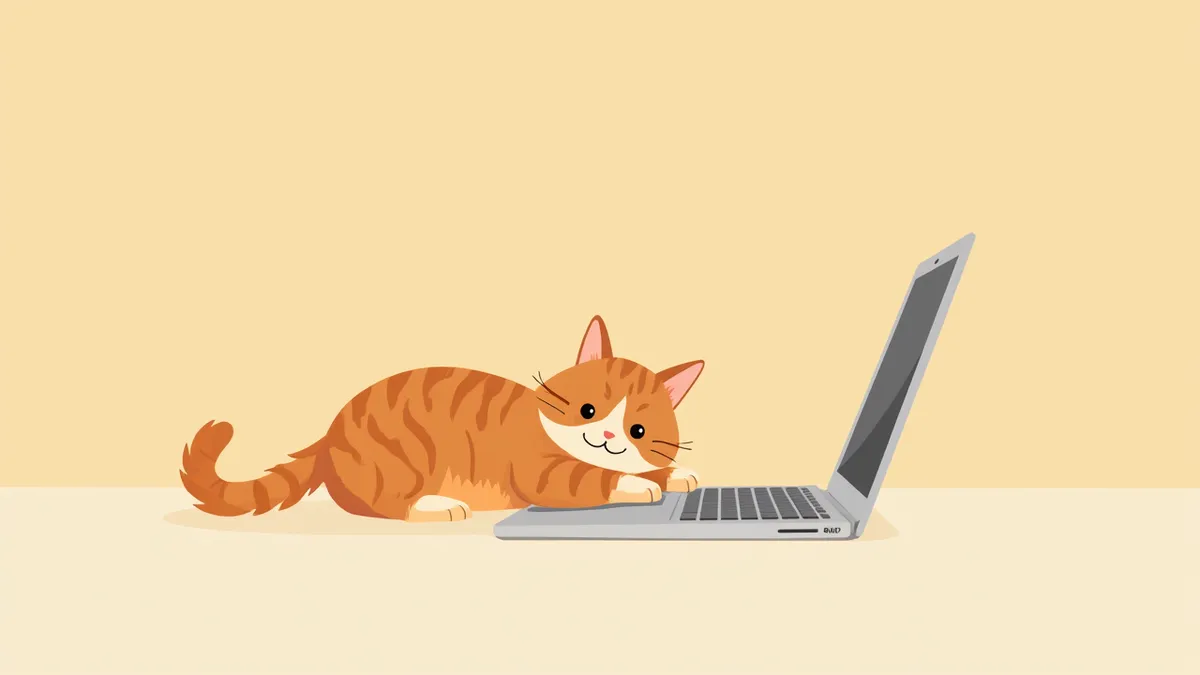
A tabby cat comfortably lying on a laptop keyboard
Cats sitting on keyboards and laptops is a completely normal behavior driven by a combination of seeking warmth, demanding your attention, and marking their territory. What truly matters isn’t scolding them, but providing an alternative space. Simply placing a warm cushion next to your laptop and playing with your cat for five minutes before you start working can significantly reduce this keyboard-hogging behavior. If the behavior persists, it may be a sign of insufficient attention rather than just a simple habit.

Reason 1: Laptops Are a 'Warm Spot' for Cats

Cats naturally prefer warm, cozy environments and often seek out spots in the home where they feel most comfortable. Since laptops and keyboards generate heat while in use, they can become attractive resting places for cats. It’s not unusual for cats to sit on keyboards more frequently during winter or transitional seasons—this isn’t abnormal behavior but rather a natural response to seeking warmth. This preference for warmth is part of a cat’s ability to explore its environment and choose safe, comfortable spots. Conversely, when it’s hot, cats will look for the coolest areas in the house to rest quietly, which is a normal habit that helps them regulate their body temperature according to the environment.

Reason 2: A Signal Demanding 'Owner Attention'
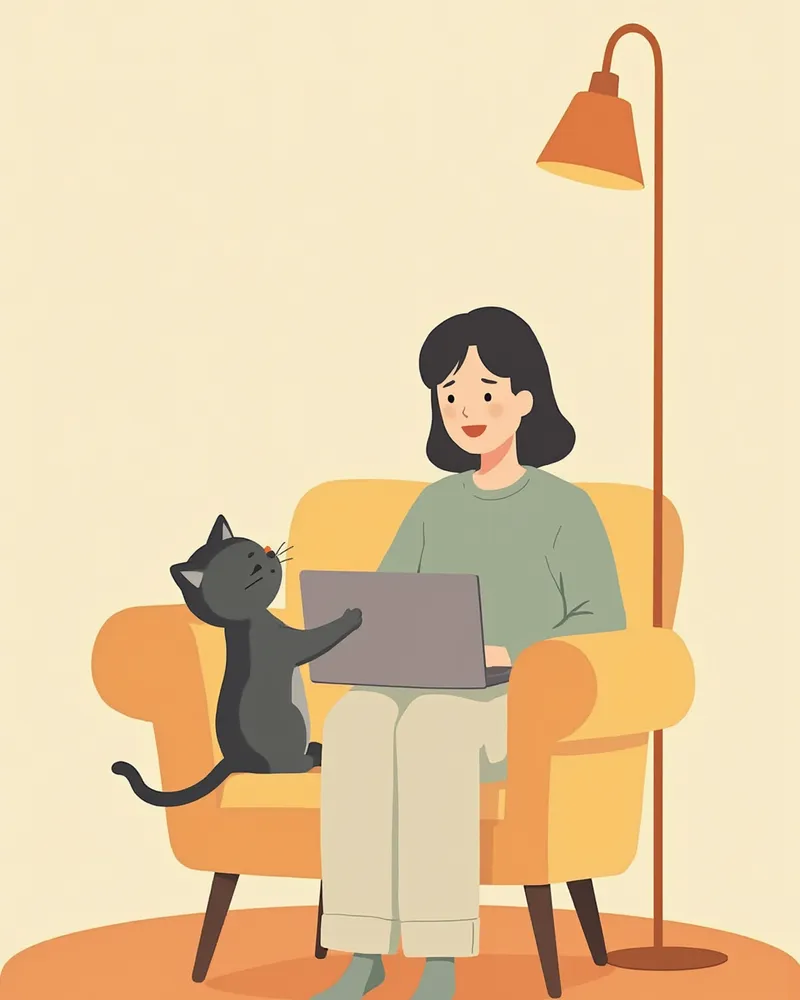
Cats are social animals that respond sensitively to interactions with their owners. When owners focus on other objects, cats may exhibit increased attention-seeking behaviors. If a cat repeatedly experiences immediate physical contact and eye contact when jumping on a keyboard, this behavior can be reinforced. In veterinary behavioral science, anxiety is considered a common underlying factor in many feline behavioral issues. Therefore, if excessive clinginess persists beyond normal behavior, it is important to assess whether emotional factors are involved. If attention-seeking behaviors continue, improving the quality of positive interactions through regular playtime and environmental enrichment can be helpful.
A cat placing its front paws on its owner’s laptop to demand attention

Comparison of Reasons and Solutions by Behavior Type

ItemSeeking warmthDemanding attentionTerritory marking
Main signLying belly-downTapping with front pawRubbing cheek/chin
FrequencySurges in winterWhen the owner is homeAfter new furniture arrives
SolutionProvide a heating padSecure regular play timeUse a pheromone spray
UrgencyLowMediumLow

When Sitting on the Keyboard May Indicate a Health Issue

If your cat is being unusually clingy or suddenly changing its behavior patterns, it may not just be affection. According to veterinary textbooks, cats with chronic kidney disease may exhibit behavioral changes such as altered litter box habits or accidents, while hyperthyroidism can be accompanied by symptoms like anxiety, hyperactivity, nighttime vocalization, and increased appetite. If you notice such unusual behavioral changes in an older cat, especially along with increased water consumption or weight loss, it’s a good idea to have a comprehensive health check-up at a veterinary clinic.

Dangerous Situations of Sitting on the Keyboard
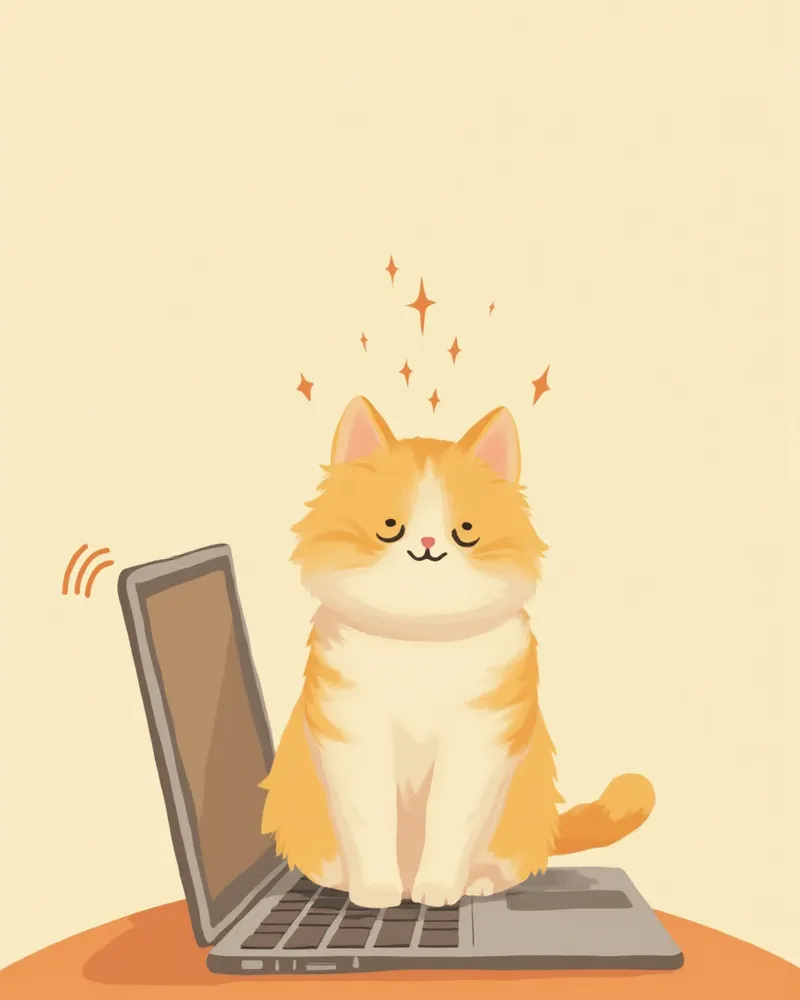
Laptops can be more dangerous than you might think. If the ventilation ports are blocked, the device can overheat, and prolonged contact with the warm surface can expose your pet’s skin to repeated heat stress. Additionally, keyboards tend to accumulate various contaminants, such as human skin oils, food crumbs, and detergent residue. Given that cats frequently groom themselves, there is a risk they may ingest these substances. If your cat often sits on the keyboard, regularly cleaning the device and providing an alternative warm spot is a great way to protect both your laptop and your cat.
A cat sitting on a hot laptop

Solutions for Caregivers to Apply Immediately
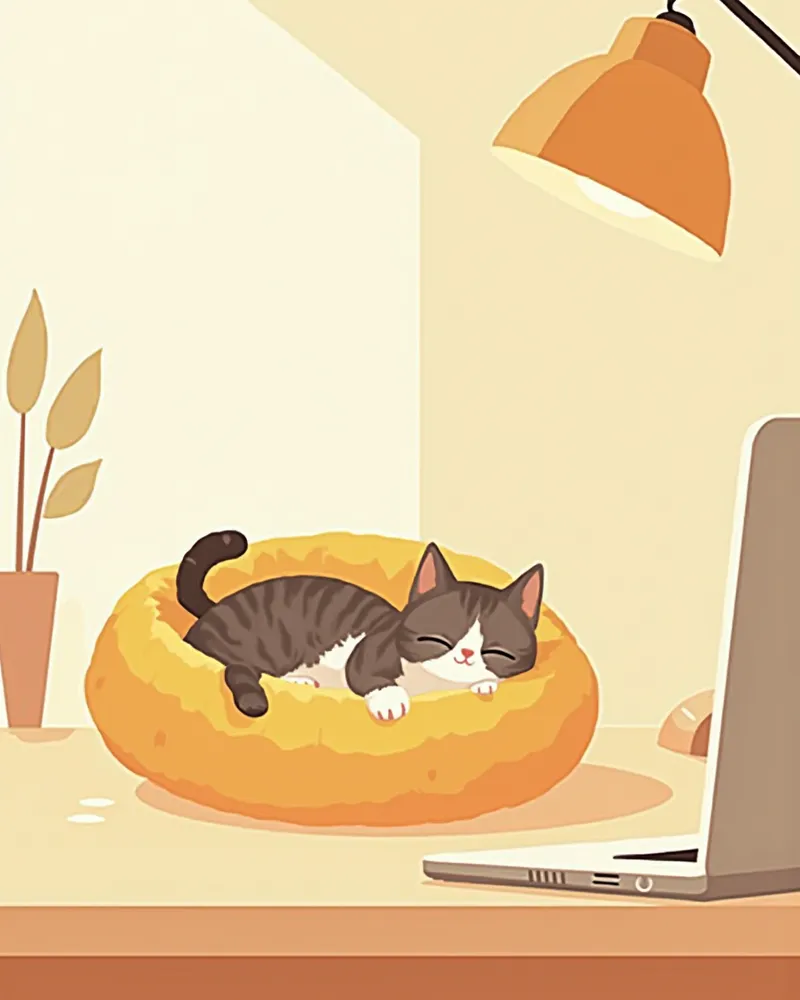
- Provide a warm alternative spot: Place a low-heat warming pad right next to your laptop. - Play routine: A 5- to 10-minute hunting-style play session before you start work helps burn off energy and improves focus. - Consistent response: If your cat jumps on the keyboard, don’t startle them. Gently move them to the nearby pad. Yelling or spraying water can damage the bond of trust. - Visual barriers: Switching to an external keyboard and monitor setup can discourage your cat from sitting on the computer tower.
A cat resting comfortably on a cushion beside a laptop.

Also Understand Territory Marking Behavior

When your cat rubs its cheeks or chin on your keyboard, it’s engaging in scent marking. The area around a cat’s cheeks contains scent glands that release pheromones, so by leaving their scent on frequently used objects, they feel more secure. This behavior is more of an affectionate gesture, so there’s no need to discourage it. However, since saliva and fur can accumulate around your devices, regular cleaning is essential. Using a keyboard cover can help protect your device while also keeping your cat’s grooming habits in check.

Reviewed by a veterinarian

Dr. Tony — Punnawat Phongkittirak

Dr. Tony — Punnawat Phongkittirak

Veterinarian

A veterinarian who majored in veterinary medicine at Khon Kaen University, Thailand, and completed the IVSA program at North Carolina State University in the United States. Drawing on clinical experience at animal hospitals, he works in the pet healthcare field and is dedicated to building a digital care environment that connects pet parents with veterinarians.

Frequently Asked Questions

Is it okay to scold my cat every time it sits on the keyboard?
Scolding your cat can backfire. Cats don’t understand why they’re being scolded, and it only damages their trust in you. Instead, calmly move them to a cushion in another room, and if they stay there quietly, reward them with a treat.
Can laptop heat harm cats?
Leaving your cat on a hot surface for extended periods can expose their skin to repeated heat stress. If the device gets particularly warm, consider placing a cooling pad on top or gently moving your cat to another cozy spot when they climb on it.
Would it be better to work in a completely different room?
Simply separating your cat isn't the solution. Cats respond more to the quality of time spent with their owners than the quantity, so most issues can be resolved by providing short play sessions and alternative resting spots.
Can I train my pet to stay off furniture from a young age?
It’s difficult to completely prevent this behavior. Instead, if you designate a specific spot on the table as your cat’s place from an early age, they will tend to choose that spot first even when they become adults. Physical deterrents like double-sided tape or aluminum foil only have short-term effects.
If it suddenly starts coming up more frequently than usual, should I take my pet to the vet?
If your cat’s behavior seems different from usual, it’s time for a health check. In senior cats aged 7 and older, chronic kidney disease may manifest as changes in litter box habits or accidents, while hyperthyroidism can cause restlessness, hyperactivity, nighttime vocalization, and increased appetite. If you notice any of these changes, we recommend a comprehensive health screening that includes kidney and thyroid tests.

Share

Related Guides

References

[1] Little S., The Cat: Clinical Medicine and Management, 2nd Edition, Elsevier, 2020

[2] Heath S., A Professional's Guide to Feline Behaviour: Understanding, Improving and Resolving Problems, CABI, 2023

[3] Drobatz KJ. et al., Feline Emergency and Critical Care Medicine, 2nd Edition, Wiley-Blackwell, 2019

This information is based on veterinary literature and does not replace diagnosis or treatment. Please consult a veterinarian for specific health concerns.

Metapet Co., Ltd. | CEO: Park Sung-yong | Business Reg. No. 417-88-02562 | Seoul, South Korea | Customer Center

Why Cats Sit on Keyboards: 5 Reasons and Solutions | Meongsiljang